
Exercises for small breed dogs
Regular exercise is key to a dog's proper development. It helps strengthen muscles and bones, as well as train the respiratory and cardiovascular systems. The key is to properly calculate the intensity of the exercise, especially for small breed dogs. The animal's health and age are also important factors. To make this easier, we offer a selection of exercises for small breed dogs of various ages.
Content
Exercises for puppies
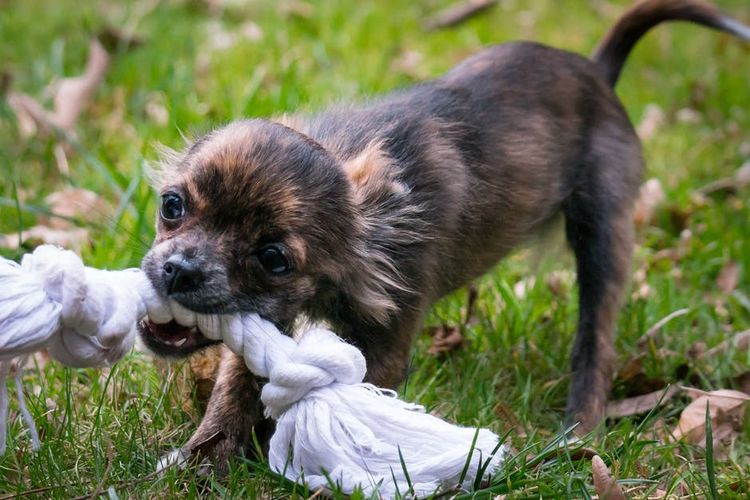
When choosing an exercise routine for your pet, you should focus not on size, but on breed and body type. If your pet has well-developed muscles, it needs regular exercise. These include breeds such as toy fox terrier, Norwich Terrier, miniature pinscher, Bichon, Bolognese…They are characterized by high activity and excellent hunting abilities.
The best exercises for these small dog breeds are:
- Take 10-15 minute walks in a park or garden on areas with firm ground. Walking on firm ground will teach your puppy to "tuck his toes."
- Alternate between fast and slow walking paces. The intensity of the fast pace should be determined so that the puppy doesn't break into a gallop, exerting all its energy. Galloping during training for small dogs should be used only as a means of emotional release.
- Long jumps and jumping over low obstacles. These exercises are excellent for improving coordination and strengthening the hind leg and back muscles.
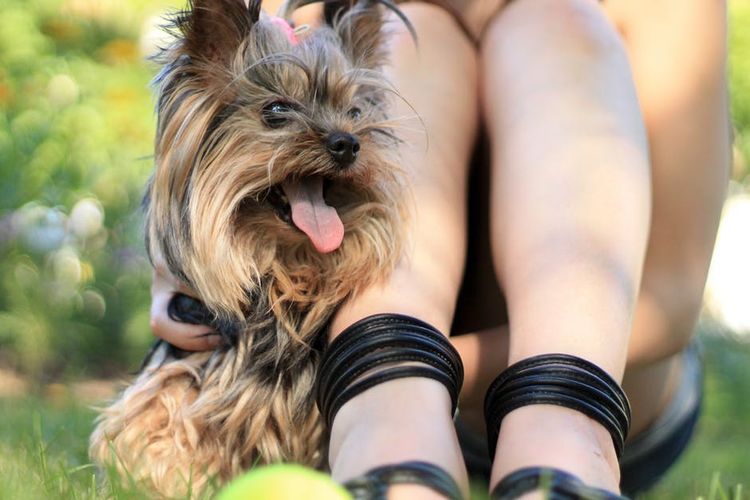
If we talk about graceful representatives of decorative breeds such as the Chinese Crested, rabbit dachshund, papillon, Pomeranian Spitz...These little ones require a minimum set of movements in order to keep their muscles in good shape and at the same time feel quite comfortable.
The most important things for them are interaction with their owner and other dogs, an abundance of information they can "collect" with their noses, and, of course, quiet rest. And since dogs don't receive information like humans, to satisfy their hunger for information in the form of new sounds, smells, and flashing objects, it's important to take them out regularly, even for short walks.
But it's important to remember that, regardless of breed, growing dogs always have vulnerable ligaments. Any kind of overload can negatively impact the joints. Therefore, until the growth period is complete, avoid any heavy loads.
The best way to determine the optimal option is to rely on the puppy's well-being. It shouldn't come home from a walk feeling tired. Ideally, after a short break, it should have an appetizing snack and show a desire to continue playing with its owner.
There shouldn't be another extreme, where a puppy continues jumping, demanding more fun even after entering the house. This indicates that the puppy hasn't had enough time to play. Regular low activity causes the puppy to begin to "spread out." This is because puppies' muscles are still weak and prone to obesity.
Exercises for an adult dog
Young dogs are generally considered to be between 2 and 8 years old. Leash walks and swimming lessons can provide sufficient exercise. Exercises for small breed dogs in this age range should focus on maintaining muscle tone.
This approach will help protect tendons and ligaments from microtraumas that are so common in small animals.
Some people mistakenly believe that the safest option for small dogs in this regard is walking without a leash, when the animal itself sets its own pace of movement.
In fact, according to research by leading American dog trainer Rachel Paige Elliott, the best way to develop a dog's core muscles is through regular leash walks, but at varying speeds. This is because free-flying dogs put minimal strain on their bodies, as they are naturally very rational in both their actions and movements.
For adult dogs, a minimum of 15 minutes should be allocated for morning and evening walks. When walking on a leash, the pace should be such that the dog moves at a fast trot without stopping. In addition to developing core muscles, this exercise provides aerobic exercise aimed at maintaining cardiovascular fitness.
Activities on the go
Before starting physical exercise, it is worth giving the animal the opportunity to walk independently in order to relieve itself and run a little in a comfortable manner. Interesting fact: in order for a male dog to completely empty his bladder, he must lift his paw 10 to 12 times during a walk.
Training for small dogs shouldn't be complicated by strenuous exercises. Long runs over long distances should be replaced with a series of short-term exercises.
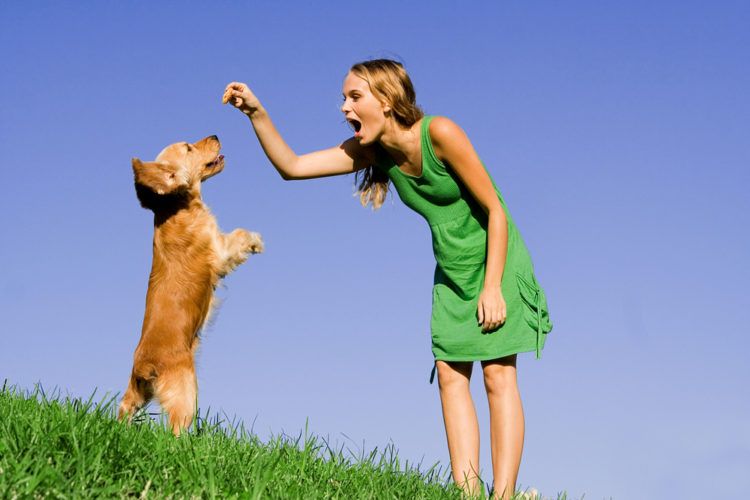
- Retrieving is a fun game based on the commands "find/give/fetch." It's designed to train your dog to grab and return a retrieved object to its owner. To engage your dog, first draw its attention to the toy and then throw it a short distance away. When your dog grabs the object, encourage it to release the toy. To do this, hold your open palm to its muzzle and say a confident "give."
- Walking on an incline. This exercise works the hip and shoulder muscles well, but can also put strain on joints and ligaments. To minimize this risk, use the incline only for climbing. Descending is best done on the gentlest possible slope. If your animal wants to speed up, allow it to do so.
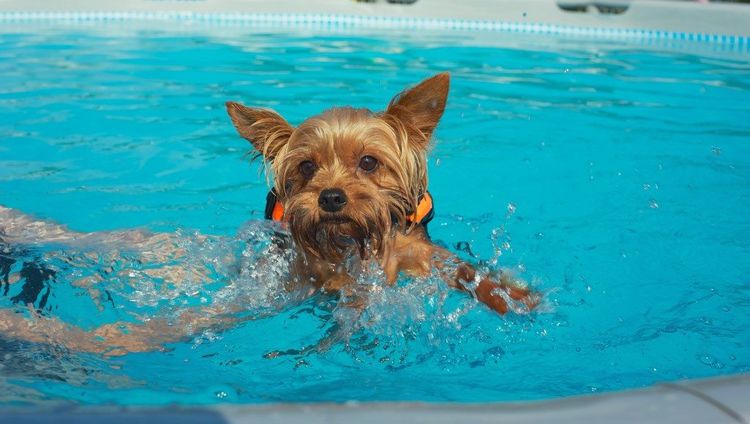
- Shallow water games. Running in shallow water is great for developing the back and forearm muscles, while reducing the risk of joint injury. Swimming and playing in shallow water also teaches your dog to breathe with its mouth closed. If your dog is initially afraid of entering the water, don't push it away. Instead, throw a favorite toy right at the water's edge and wade ankle-deep in the water yourself. Your dog may be wary at first, but will soon happily follow.
Any physical exercise should be enjoyable, not exhausting. When choosing exercises, remember not to put excessive strain on the heart during training.
Puller games
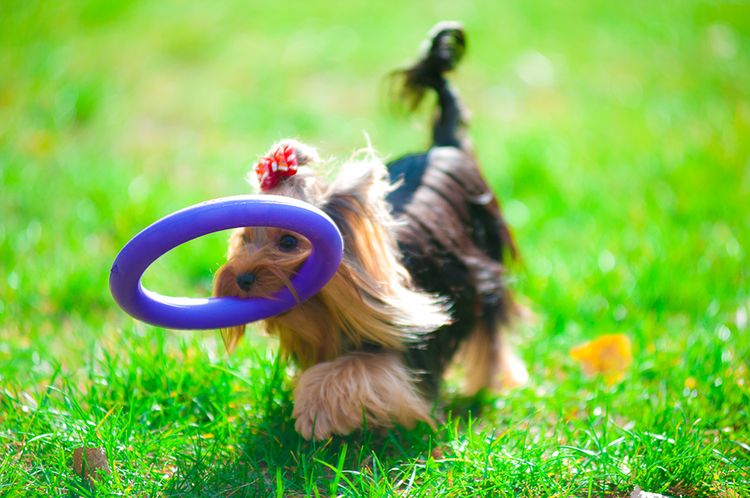
When training small dogs, a puller is convenient. This ring-shaped training device flies and rolls easily on the ground and floats in water. The dog can easily hold the puller in its mouth without damaging its teeth or gums, or wear it around its neck. For small breeds, choose the "S" size puller, with a diameter of 19 cm. They are available in sets of two identical rings in bright colors.
Exercises using a puller:
- Throw or roll the hoop along the ground. Your dog will happily chase it and bring it back.
- If the dog has firmly grasped the ring, try to lift the projectile off the ground together with the “trailer”.
- A game of tug-of-war between a dog and its owner. In the heat of the moment, a dog may growl, but this is not an expression of anger.
When using this trainer, remember that the puller is not designed for independent play. After chasing your pet outside, bring it home and put it out of sight.
Loads for "old-timers"
Senior dogs are those 10 years and older. They require a special regimen. This is because in the second half of life, animals become less active, more likely to experience coordination issues, and their sense of orientation, vision, and hearing deteriorate.
The amount of exercise chosen should ensure sufficient exercise for the animal. This includes two to three daily walks, each lasting at least 15 minutes, depending on the dog's health and mood. These walks are best done in the evening and morning hours. Heat can be exhausting for older dogs.
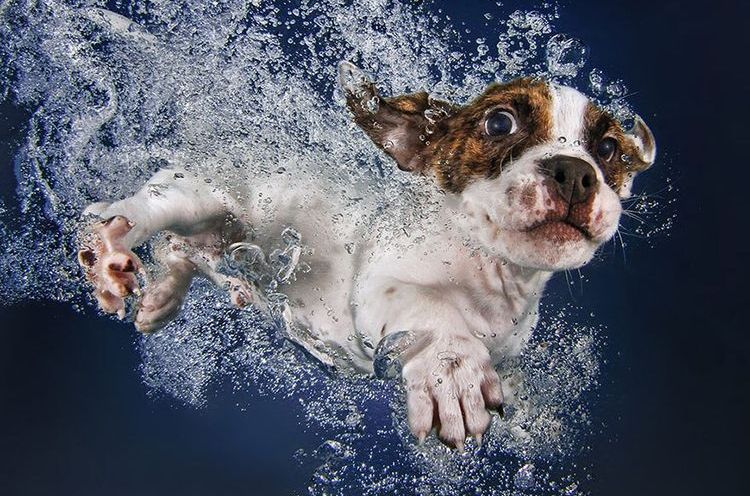
Hydrotherapy, including swimming and playing in shallow water, is very helpful. The only requirement is to keep the water at a comfortable temperature for the animal.
If your dog starts coughing or struggling to breathe while walking or exercising, it's a sign you're overtaxing them. If symptoms such as disorientation or blurred vision appear, always supervise your dog during walks. It's best to walk your dog on a leash with a long harness, away from roads, and with a sighted companion.
In addition to properly selected exercise, older dogs should be fed a low-calorie diet. A balanced diet will prevent the development of obesity, which is so common at this age.
Read also:
- How to teach a dog to lie down
- How to teach a dog the "Give me a paw" command
- How to teach a dog commands: a list of commands


Add a comment