
Can cats swim?
One of the common stereotypes about cats is that they dislike water. This belief is not unfounded and is related to the animal's natural habits. But can cats swim? Like many other mammals, they are not helpless in the face of this element and can cross a body of water if necessary. Some wild cats even hunt in water, and certain domestic cat breeds are more receptive to water activities.
Attitude to water
Most cats truly dislike bathing and getting wet, although some individualists love to splash and frolic in the water. Sometimes, they even jump into the bathtub on their own when their owner is there. But this is a rare occurrence.
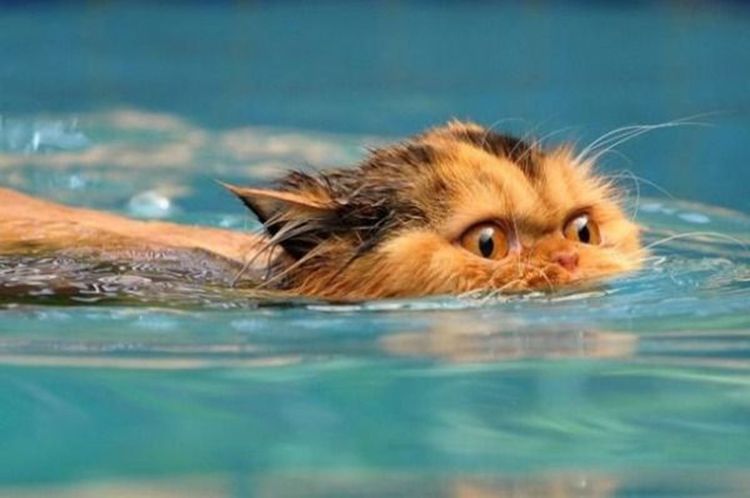
Domestic cats' aversion to water is genetically determined and dates back to pre-domestic times. Why did this attitude arise? There are several reasons:
- Possible hypothermia. Cats have a layer of air between their fur and skin. This acts like a thermos, preventing the animal from becoming too cold. When wet, this layer loses its function, so the animal can simply freeze. Naturally, a pet wouldn't be at such a risk, but a fear of hypothermia is genetically ingrained and can be life-threatening.
- Possible overheating. The same air gap creates optimal conditions for maintaining normal body temperature during hot weather. If it cannot function properly, thermoregulation is impaired.
- A strong odor develops. Wet fur has a more pronounced odor that can be detected by prey. Cats hunt by stalking their prey and attacking from ambush. This is why they move so silently. The scent of wet fur can also give away their location. This can also attract the attention of a larger predator, making the cat prey.
- Potential infection. Wet fur attracts more dirt, which can harbor various bacteria. When licked, these bacteria enter the body and can cause illness.
However, large cats (tigers, cougars, lions) enjoy swimming and don't worry about overheating or hypothermia. They have a more efficient thermoregulatory system, which doesn't lose its function when wet.
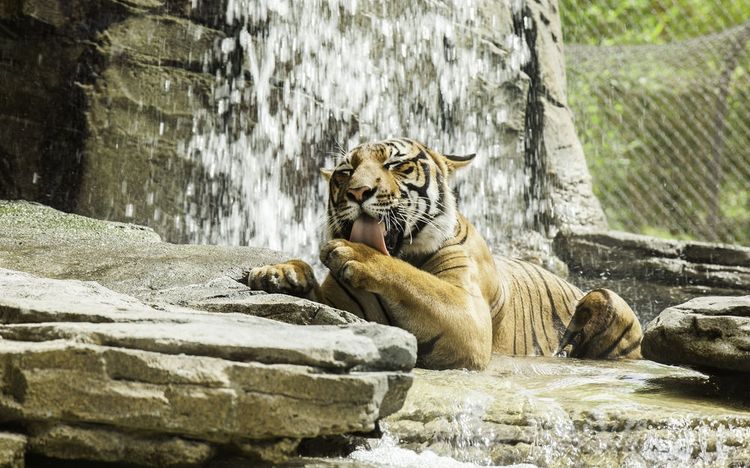
Note! A pet's preference for water activities also depends largely on their personality. Some pets are afraid of even the sound of water, while others will happily splash around in a bathtub or pool.
Do cats swim?
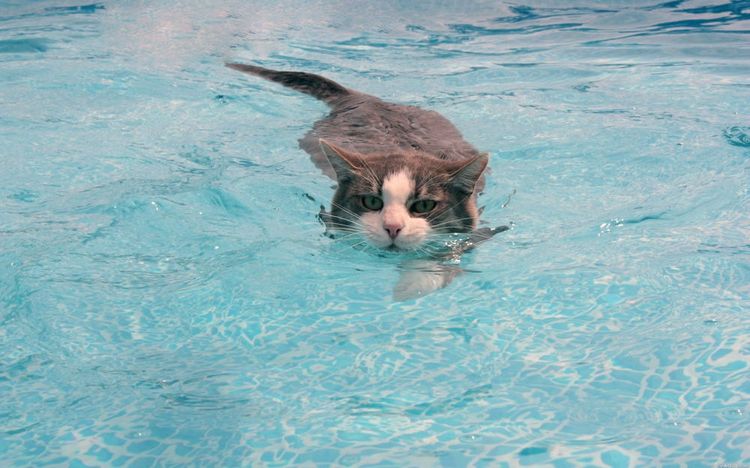
Despite their aversion to water, felines are excellent swimmers. Cats are excellent at floating on water, though they are reluctant to dive into it. They can swim across bodies of water and hunt in them.
Animals can swim from the age of kittens. This skill developed through evolution and is linked to survival. In certain situations where their lives are threatened, they can jump into a body of water and swim normally. Such situations include:
- attack by a large predator;
- flood;
- getting food in a body of water (if you couldn’t catch anything on land);
- the ambient temperature is too high.
Cats swim like dogs, scooping water under themselves with their paws. They are skilled at this and, if necessary, can remain in the water for extended periods.
However, you shouldn't force your pet to swim or throw it into the water to test its skills. This will only further reinforce the negative attitude toward water activities, and when the animal actually needs to be bathed, it will violently resist.
Breed characteristics
All cats are good swimmers. But there are certain breeds that are more likely to enjoy water activities. These include:
- Maine Coons are large, fluffy pets native to the United States. Despite their large size, they are very friendly and non-aggressive. They are also known for their lazy nature and enjoy sleeping and relaxing. However, they are especially enthusiastic and playful during bathing. Owners should prepare in advance for bathing, as they may end up wet from head to toe.
- American BobtailAnother representative of the domestic feline family from the United States, this breed shares many dog-like traits. These cats are easily trained, require walks, and enjoy bathing.
- Turkish vanThis is a unique waterfowl breed. Its representatives even have small webbed front paws. Their six feet are water- and dirt-repellent, so they don't mind getting wet. The Turkish Van is active and playful, enjoying hunting small rodents and bugs, and is also a good companion for fishing.
- Bengal catThey have short, very soft fur with a distinctive pattern that makes them resemble a leopard. Bengal cats are intelligent, curious, and willful. They love affection, but don't tolerate it being forced upon them. The same applies to bathing: they are naturally good swimmers, but they will decide for themselves when to do so.
- Soukok (African Shorthair). The main characteristics of this breed are its distinctive coat (resembling a wild animal) and elongated hind legs. These cats are affectionate and active, enjoying playing on dry land and bathing. They enjoy frolicking in the bathtub, playing with the faucet or their toys.
Read also:
- How to find a cat if it runs away
- Do cats have belly buttons?
- What is the name for excessive love of cats?


Add a comment