
Can cats think and what do they think about?
In this article, we explore what cats think and whether these pets can even think. Cat owners don't doubt the claim that their pets can think and understand humans. However, the scientific community refutes the possibility of a developed thought process or imagination in animals due to the nuances of their brain structure. Nevertheless, cat owners can communicate perfectly well with their furry friends by learning their sensorimotor language.
Content
Do they know how or not?
Scientists believe that cats are capable of thought. However, they think in a peculiar way:
- cannot analyze the past or plan for the future;
- incapable of thinking in abstract terms.
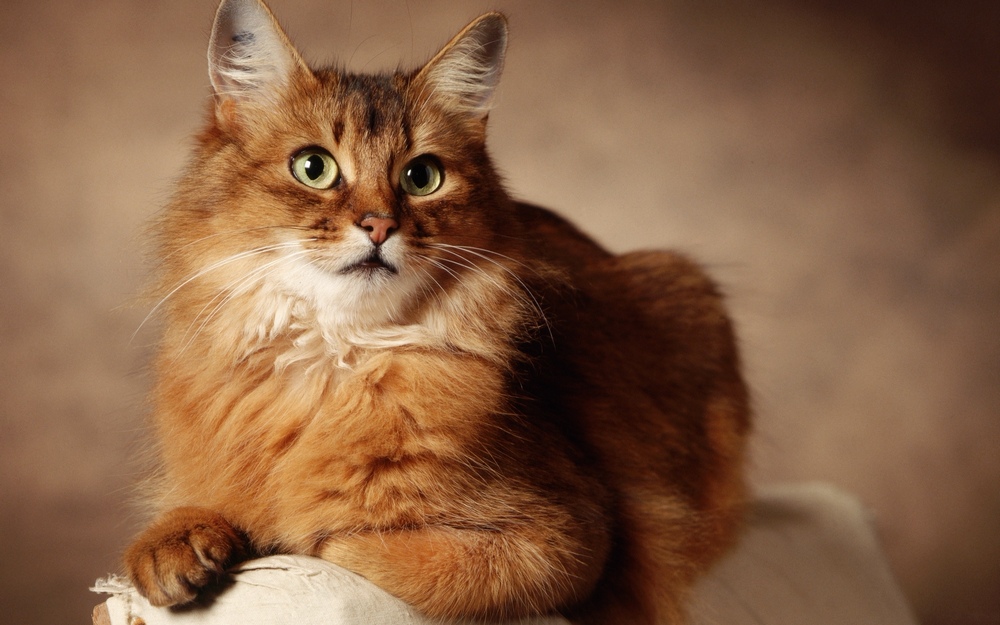
Numerous studies have been conducted to explore emotions and the ability to think in animals. Experiments have shown that dogs' intelligence can sometimes reach the level of a 6-7-year-old child. Cats possess even greater capabilities—their short-term memory is three times better and they are much more adaptable to new environments. However, the extent of our furry pets' intelligence and whether they can form coherent thoughts remains unknown.
Researchers believe that cats are conscious and intelligent. However, their actions are based solely on unconscious stimuli acquired through practical experience.
A pet that has previously experienced negative emotions will avoid similar situations to avoid experiencing discomfort again. However, they will be unable to analyze the events due to a lack of imagination—there's simply no area of the animal's brain responsible for fantasizing.
How cats think
From a scientific perspective, cats only have access to simple thought patterns based on vivid visual, auditory, olfactory, and motor memories. Here's a rough idea of what their thought process looks like:
- the sound of a key turning in a keyhole: the owner has arrived, it’s time to go to the hallway;
- smells of food: feeding time, go to the kitchen immediately;
- There is a familiar ball lying there: it’s a game, you can run around.
The pensive eyes of a cat lounging comfortably on a windowsill shouldn't deceive. The animal isn't dreaming of spotting a bird or assessing its hunting instincts. The cat isn't thinking about anything at all, simply reacting periodically to the passing of prey. Pets aren't meant to contemplate the eternal, ponder how they'll spend the coming day, or dream of a delicious salmon dinner.
Nevertheless, there are some similarities in the thought processes of humans and cats. After putting a pot on the stove, a cook goes into another room, but remembers it. In psychology, this process is called "object permanence." The term refers to the human awareness that an object doesn't disappear, even when it's not being looked at. A similar ability is present in cats. After seeing their owner put a bag of food in the cupboard, a cat understands perfectly well that later they can climb onto the shelf and enjoy the treats, having torn the paper.
How tailed creatures perceive people
Most owners think that their pet's friendly behavior, frequent purring, and affection stem from love and affection. In fact, the mere smell of a familiar scent triggers memories associated with it:
- warmth and comfort;
- tasty food;
- weasel;
- soft bed.
Therefore, the animal is friendly. Essentially, cats treat people like parents who naturally care for their young. The wariness a cat feels toward strangers is triggered by the absence of pleasant memories. The scent of strangers is foreign and can signal danger.
Recently, anthropozoologist John Bradshaw's theory has gained popularity. According to it, humans are like big cats to these furry creatures. They behave strangely, walk on two legs, engage in strange antics, and appear repulsive—they've lost almost all their fur. This is why these pets interact with humans the same way they interact with other felines:
- when approaching to meet someone, they raise their tail;
- rub their bodies against a person, exchanging scents;
- lick the skin and hair on the head.
It is possible that pets see their owners as sick feline creatures that need to be treated with affection and purring.
How to understand cat language
There's no area in the animal's brain responsible for speech development. Therefore, there's no specific feline language. Wild cats rarely communicate with each other, except through a muffled, rumbling sound. It's believed that they purr only to "converse" with humans.
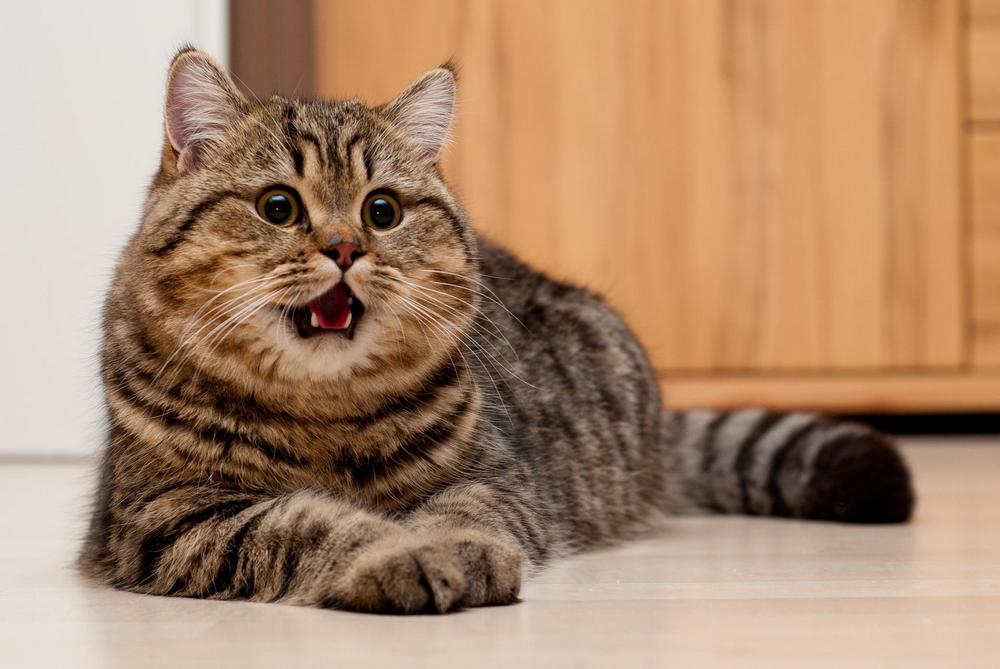
Pets are able to remember individual words at an associative level without understanding their true meaning. Their speech function is replaced by sensorimotor intelligence, so their feelings can be understood through their highly developed body language:
- A relaxed posture, constricted pupils, and normal ear placement indicate calmness;
- alertness is indicated by ears being pulled back, pupils being dilated, body tension and a trembling tail;
- The desire to play can be understood by persistent behavior - meowing, hitting with a paw.
Scientists believe cats aren't gifted at philosophizing; their thought processes are based on memories and associations. They don't think about the past or future, and are conscious only of the present. But their sensorimotor intelligence is so highly developed that a single glance is usually enough to determine their mood—whether they're ready to play or prefer to bask in the sun.
Read also:
- The Smartest Cat Breeds in the World: Top 10
- Books about cats: Top 10
- Where did cats come from and how did they appear?


Add a comment