
UGS for dogs: what is it and what does it include?
If an owner wants to train their pet to be a companion dog, UGS can help. A training course focused on obedience will make walks in unfamiliar places comfortable. The animal will no longer be afraid of strangers, will stop reacting to loud noises, and will learn to ride public transportation. Such behavior is not taught in a program like OKD, although it includes some of the commands required to pass the UGS exam.
Content
UGS – what is it?
UGS is a special training course. The abbreviation stands for "controlled urban dog." Despite its popularity, the training program is not officially recognized, and training certificates are not legally binding in Russia. The main goal of the training is to develop the skills necessary for living with the owner and ensuring the safety of others. To raise a calm companion, you need to master several skills essential for urban conditions.
What is included in the program?
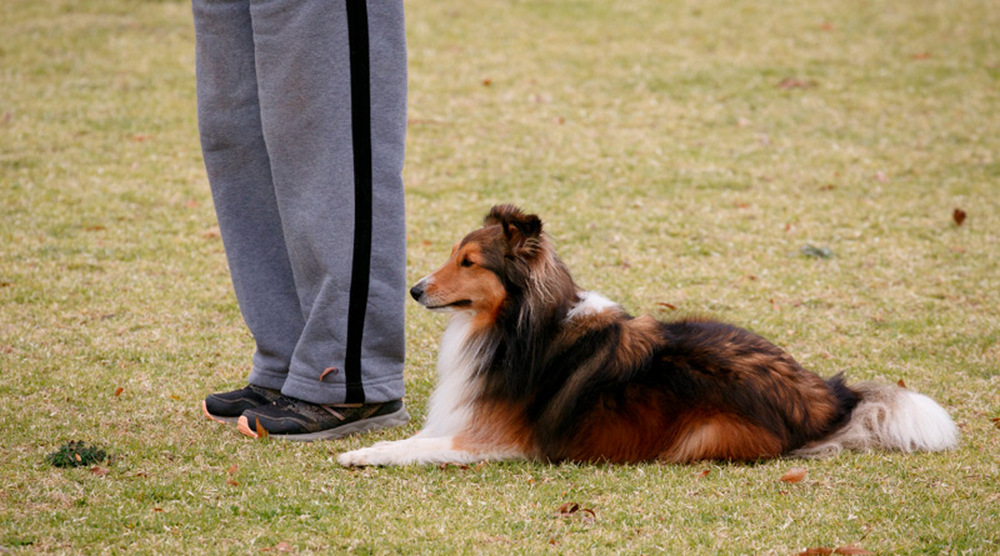
During training, the dog learns and confirms standards aimed at behavioral correction and reducing fear and aggression. The program includes training to develop:
- lack of fear of public transport and traveling on it;
- lack of response to loud noise;
- calm behavior among strangers and other animals;
- obedience.
The course accepts pets of any breed who have mastered basic commands. Upon completion of the canine "education" program, the dog takes an exam under the supervision of its owner.
Examination rules
The tests take place in an urban setting, at a location unfamiliar to the participants. Scores are not assigned; a two-grade system—pass or fail—is used. Dogs over one year of age, trained to wear a muzzle, collar, and leash, are allowed to participate.
The requirements for passing the exam are strict:
- Participants don't have the opportunity to familiarize themselves with the venue in advance, as its location is kept secret until the trials. It's unlikely that a team from Moscow will be transported to St. Petersburg, but they could very well be transported from Balashikha to the Domodedovo district.
- The sequence of actions is communicated immediately before the exam. Typically, the program involves walking through a crowded area, crossing the road, and making turns.
To ensure your pet receives a positive response, it's recommended to begin training at five months of age. Initially, use a playful format indoors. Once the puppy gets used to it, move the training outdoors, gradually introducing new areas with few people passing by. Once the dog has mastered the skills, move on to more public areas.
The examination committee includes representatives of the city's canine community. Upon completion of the course and successful completion of the test, the owner receives a diploma.
The document has no official force and is not considered a permit for breeding service breeds. All other canine representatives are entitled to present the diploma when applying for participation in any show organized by the RKF in the country.
What skills are developed in the UGS program?
The list of commands required for training includes basic commands already familiar to your four-legged friend. In total, they must accurately follow five commands and demonstrate the correct attitude toward several factors.
Near
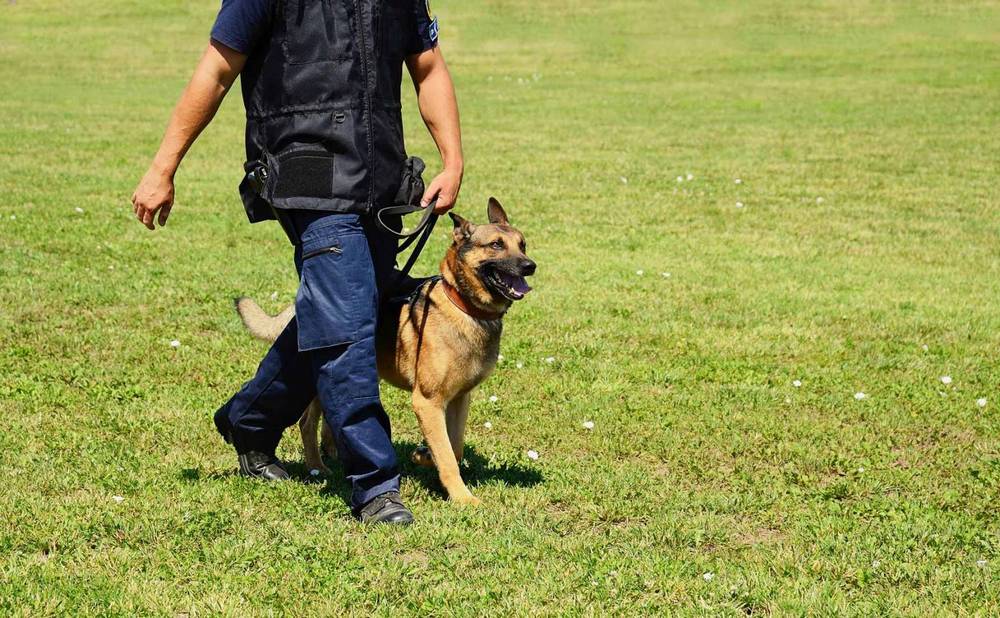
Obediently walk to the left of the owner or trainer. The dog's shoulder area should be level with the handler's leg. The leash remains slack while walking. On command, the handler unfastens the leash without stopping. Changes in pace and direction may be accompanied by additional commands. When stopping, the dog should sit to the left without being commanded.
A failing grade is given if the dog disobeys, moves more than 1 meter away from the trainer, behaves aggressively, or is distracted during the course. Learn more about How to teach a dog the "Heel" command You can also read it on our website.
Sit-lie down
Options include giving the test as a whole or individually. After giving the command, the master moves away approximately 15 meters. The student's task is to assume the desired position and maintain it until another command is given.
For one skill, a 1-minute exposure is used, for the second – 5 minutes.
Read more: How to teach a dog the "Lie Down" command.
To me
After letting their four-legged friend out for a walk, the owner walks for 2-3 minutes and then calls the pet. Using the pet's name is permitted. This should take no more than 15 seconds – the animal comes and sits at the side of their left leg. After this, the owner continues walking, commanding "heel."
Showing teeth
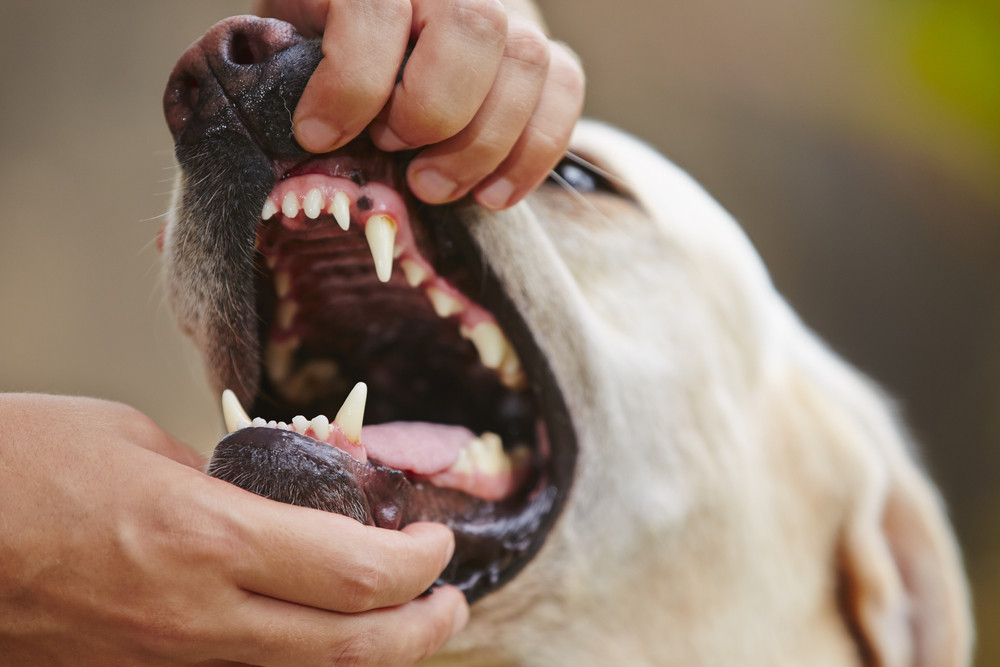
The animal is brought to the instructor. After the command "sit," the dog's mouth is opened, revealing its teeth and bite. A pass is given when the trainee shows no aggression and does not resist.
They also evaluate how the pet behaves in relation to:
- Strangers – behavior should be calm. Aggression or fear will result in a failure.
- Food scattered around the area - indifference to the treat is welcomed.
- Shot quality is checked at any time, with the exception of teeth showing. The starting pistol is fired twice, with a two-second interval. If the animal becomes frightened and stops performing the exercise, it fails.
- Muzzle – they put on the harness and give the command. If the dog resists, removes the muzzle, or stops following the command, the test is failed.
One of the final tests is "endurance." The owner ties the dog to a pull-up bar, a drainpipe, or a post, commands it to "sit," and then moves out of the dog's line of sight. A person with another dog walks past the tethered animal. Any display of aggression or failure to obey the command results in a fail.
Difference from OKD
Although training involves practicing virtually identical skills, the course curricula vary significantly. UGS is aimed at developing the obedience necessary for a companion. Passing the standards does not require mastering jumping, carrying a load, or overcoming obstacles, as in the general obedience course. The concept of UKS includes calm training, allowing you to raise a four-legged friend with whom you feel comfortable spending time. Essentially, UGS is a simplified version. OKD.
However, don't think that UCS is easier than a general course. A pet must be able to behave well in unfamiliar public places, regardless of the conditions, which requires extensive and patient training. Self-training is possible if the owner has some teaching skills. However, it's safer to seek the help of a dog trainer. If regular classes are not possible, a specialist will create a personalized, convenient schedule.
The cost of this service varies. In the provinces, the minimum average cost is around 1,500 rubles, and in larger cities, up to 4,000 rubles. Training typically takes 15 weeks or two months.
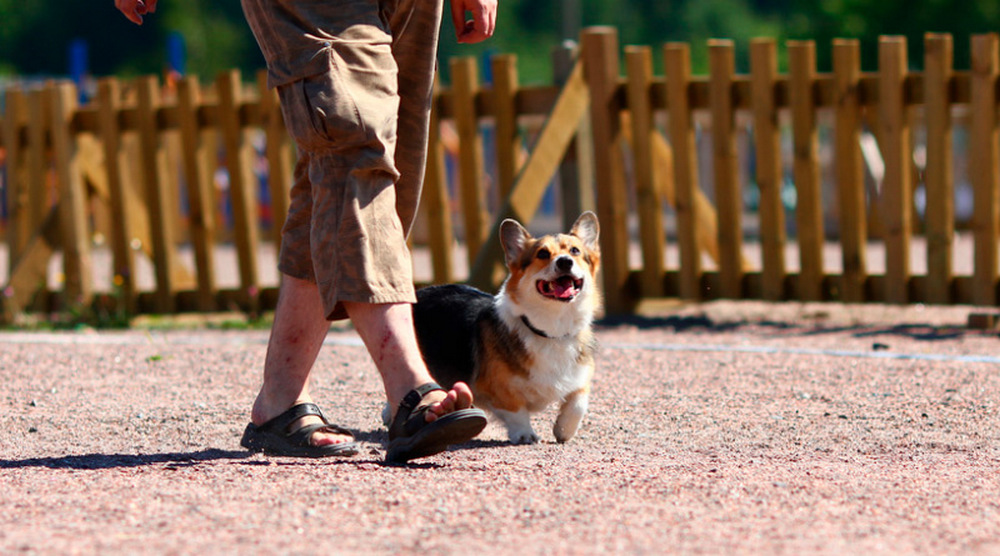
A dog living in the city needs to react calmly to stimuli. To prevent your pet from becoming frightened or aggressive, simply contact a kennel club and take a training course for a small fee. The program is especially easy for puppies who have already mastered the basics and learned obedience under the guidance of a dog trainer or their owner.
Read also:


Add a comment