
Dog has a concussion: symptoms and treatment
Every dog owner should know how to recognize a concussion in their dog and what symptoms indicate their pet has suffered a traumatic brain injury and requires emergency medical care. In this article, we'll cover in detail the symptoms of concussions in animals, the diagnostic procedures needed to make an accurate diagnosis, and treatment options depending on the severity of the dog's condition.
Content
Traumatic brain injury (TBI)
Head injuries occur in approximately 20% of accidents involving cats and dogs: falls from heights, car accidents, careless or cruel handling, fights, etc.
Nature has provided protection for the animal's brain from external influences with the help of the skull bones, head muscles, and skin, so truly severe damage is diagnosed in only 5% of affected animals.
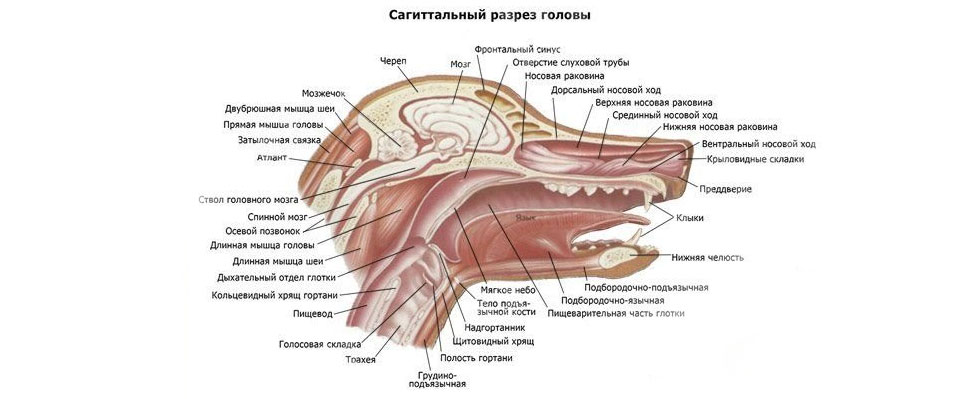
As a result of an accident, your pet may receive an open or closed injury:
- concussion and contusion in dogs it occurs as a result of a strong blow or if they fall from a height;
- hemorrhage may occur when blood vessels in the brain rupture as a result of traumatic impact;
- skull fracture (dangerous open injury);
- brain compression (a dangerous secondary injury that can occur several hours, and sometimes even a day after an accident, against the background of edema or hematoma and is accompanied by a disruption of cerebral blood flow).
What are the symptoms that indicate a dog has a concussion?
The owner may not always be able to witness the traumatic event. For a closed head injury to occur, the dog must:
- fell from a small height;
- unsuccessfully jumped from hands, a chair, a sofa;
- I just hit my head on the corner of the furniture while running.
The younger and smaller a dog is, the more susceptible it is to a concussion. Miniature breeds such as Chihuahuas, Yorkshire Terriers, Pomeranians, and Toy Terriers are particularly at risk. This is why it's so important to recognize the symptoms of a concussion in a dog early.
Depending on the severity of the injury, TBI is divided into three categories: mild, moderate, and severe.
Minor injuries
This category includes soft tissue contusions of the head and small subcutaneous hematomas. Typically, this type of injury does not damage the brain, so there are no serious consequences and the animal's behavior remains relatively unchanged.
However, the owner must monitor the pet's condition for the next 1-2 days after the incident in order not to miss symptoms indicating brain damage.
Moderate injuries
If your pet has suffered a moderate closed head injury, you can tell by observing the animal's behavior in the first hours after the accident.
The most common symptoms that indicate a concussion are:
- lethargy, drowsiness and lack of appetite;
- Nausea and vomiting are the most common symptoms of TBI;
- headache (the dog cannot communicate this symptom, but due to pain the animal may hold its head unnaturally, constantly shake its head, and exhibit aggressive behavior);
- loss of coordination (unsteady gait);
- visual impairment;
- short-term loss of consciousness.
If, after an accident with an animal, you observe several symptoms from this list at the same time, then you must show it to a veterinarian.
It's impossible to determine the severity of brain damage at home. Without consulting a veterinarian and starting prompt treatment, you'll only realize your dog's condition is rapidly deteriorating when it's truly critical.
Severe injuries
Regardless of whether the animal's head injury is open or closed, the following symptoms indicate serious brain damage:
- severe persistent vomiting;
- unconsciousness (especially dangerous with constant vomiting, as the animal may choke on vomit);
- convulsions;
- dilated pupils and complete lack of reaction to light;
- breathing difficulties;
- cardiac dysfunction.
The combination of any two symptoms from this list indicates that there is a real threat to the animal's life and it urgently needs veterinary help.

It's important to know that dangerous symptoms may not develop immediately after the injury, but rather several hours later, as swelling, hematoma, or inflammation develops, along with brain compression and increased intracranial pressure. Intracranial pressure is the leading cause of death in dogs after TBI.
How to help your pet
If you witness a dog suffer a traumatic brain injury, regardless of the underlying cause of the injury, follow these steps:
- Remove the collar, harness, muzzle and other equipment from the animal.
- Place your pet on its side and calm it down. Don't attempt to pick it up until you're sure it's safe to do so, as an accident could injure its paws or back in addition to its head, and you could injure it by picking it up.
- Assess the severity of the condition by analyzing: consciousness, breathing, pulse, pupils, and the presence of open wounds.
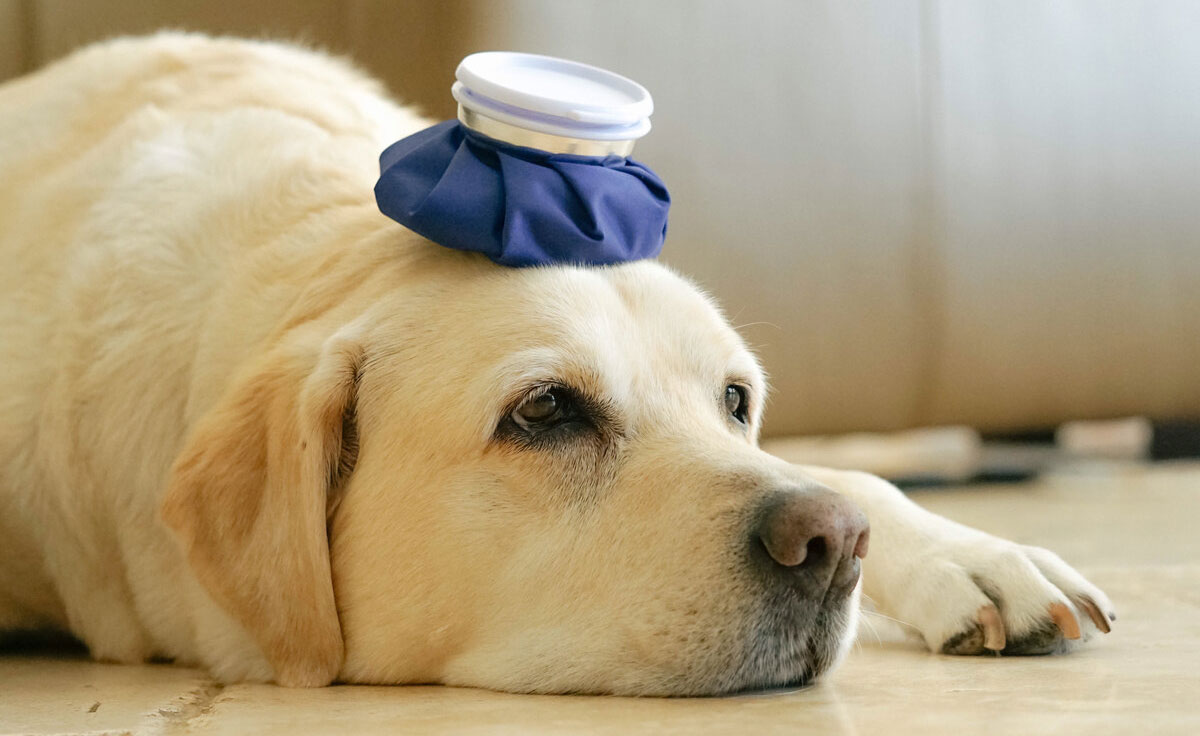
- If possible, apply a cold compress to your head (ice or any frozen food wrapped in a clean cloth).
- Contact your veterinarian.
Diagnosis and treatment of TBI
To understand the severity of the brain damage and what needs to be done to alleviate the animal's condition and prevent complications, the veterinarian conducts a comprehensive examination, including:
- interviewing the person (it’s good if the owner can explain to the doctor exactly how the pet was injured);
- initial examination of the animal;
- X-ray (to assess the condition of internal organs, bones and tendons);
- computed tomography (the technique allows us to determine the degree of damage to brain tissue and the affected area).
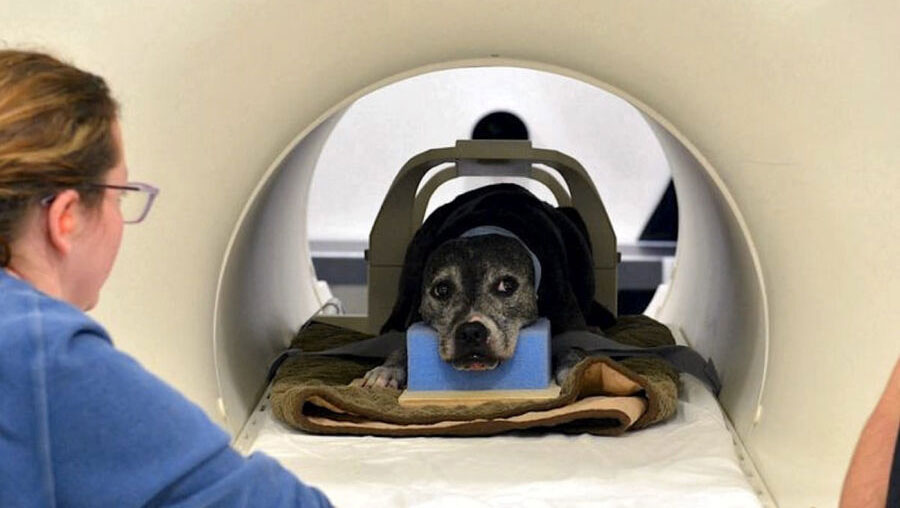
Treatment is prescribed based on the diagnostic results and may include medications of various types:
- oxygen support;
- painkillers;
- reducing swelling;
- relieving inflammation;
- normalizing cerebral circulation;
- promoting the resorption of hematomas;
- supporting the work of the heart, etc.
Important! Medications for concussion treatment must be prescribed by a veterinarian. Do not give your pet any medications from a human medicine cabinet until a diagnosis is made, as an incorrectly prescribed medication or dosage can significantly worsen the dog's condition.
Prognosis and rehabilitation
Any disruption to brain function is a serious problem. Symptoms and consequences largely depend on the location and severity of the injury:
- a mild concussion that is not followed by complications may go away on its own and remain unnoticed even by the owner;
- Moderate injuries take several weeks to several months to heal, but most often there is a complete restoration of function;
- Severe injuries can result in death or disability of the animal.
In cases of extensive brain damage, the functions of individual areas may never be restored, resulting in the animal being left with lifelong problems such as: impaired coordination, deafness or blindness, limited mobility, paralysis or paresis, intestinal atony, etc.
Veterinarian's advice
Read also:
- My dog has a loose tooth: what to do
- Can a dog catch a cold from a person?
- Overbite and underbite in dogs


Add a comment