
My dog has a loose tooth: what to do
If a dog has a severely loose tooth, it's important to determine the cause and what can be done to correct it. Veterinary dentistry successfully restricts the mobility of canines and incisors with splinting, and resorts to radical surgery when a molar cannot be saved.
Content
Why do dogs have loose teeth?
Tooth mobility is diagnosed when tooth mobility exceeds 0.2 mm. Natural tooth mobility cushions the jaw from the force exerted on hard food. A greater range indicates a pathology, which can arise for several reasons:
- Teething. In puppies over 3 months old, baby teeth become loose and are pushed out by growing permanent teeth. This process usually doesn't require a visit to a veterinarian. Help is needed if permanent teeth have erupted but the baby teeth don't fall out.
- Dislocation. This problem occurs when an incisor or canine tooth becomes displaced within its socket, damaging the supporting structure. Treatment must be completed within 48 hours of the injury.
- Age-related changes. Pets over 10-12 years of age often experience weakening gums and loosening teeth. This defect first appears in the frontal area, affecting the front teeth. Later, the process affects the back premolars and molars.
- Periodontitis. This disease results from inflammation affecting the gum tissue, cementum, bone, and ligament fibers. This condition is common in small breeds, accounting for up to 87% of diagnosed cases.
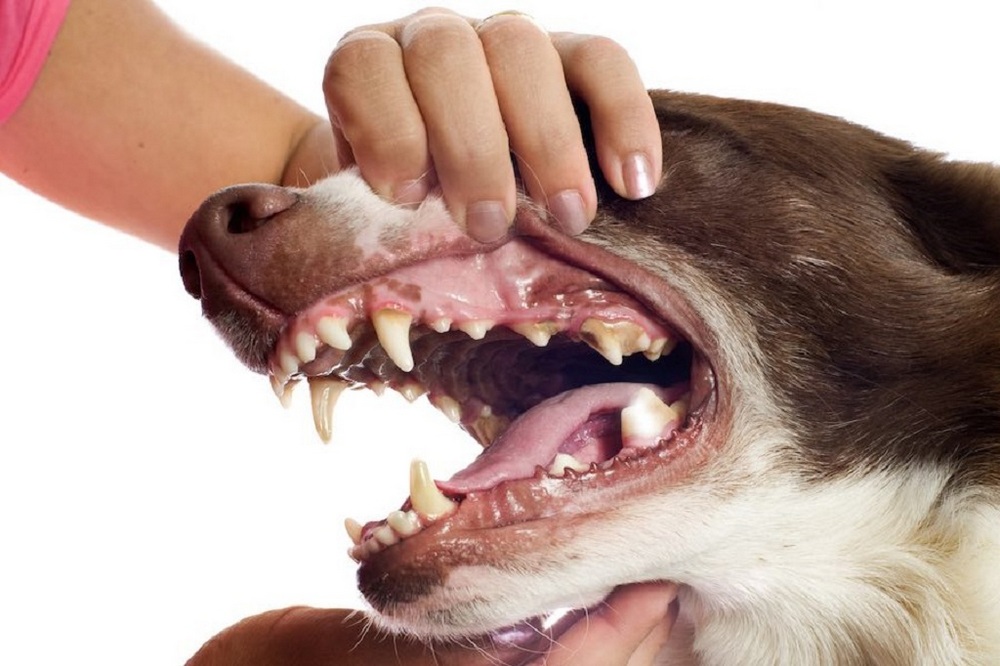
- Soft plaque accumulates on tooth enamel and quickly hardens, forming tartar.
- The presence of tartar provokes gingivitis - gum tissue becomes inflamed and swollen, and the functionality of the ligaments is impaired.
- A periodontal pocket is formed with exposed gums and loosening of teeth.
With insufficient care, loose and falling teeth in Yorkies, Spitz, and other small breeds occur as early as 2 years of age.
What symptoms indicate a problem?
Owners often seek veterinary care when the time has passed and the tooth cannot be saved. The following signs can help identify a defect:
- the pet's breath becomes foul-smelling;
- the gums become bright red and often bleed;
- profuse salivation with blood appears;
- the muzzle swells, the animal scratches its mouth with its paw;
- problems with chewing food arise, the pet loses appetite.
If such a clinical picture appears, you should visit a veterinarian who will conduct a diagnosis and prescribe treatment.
What to do when your teeth are loose
The defect is corrected using physiotherapeutic and surgical techniques borrowed from human dentistry. Radical surgery is indicated when the tooth cannot be saved. Splinting is recommended if it is possible to strengthen the support and restore the tooth's position in the socket.
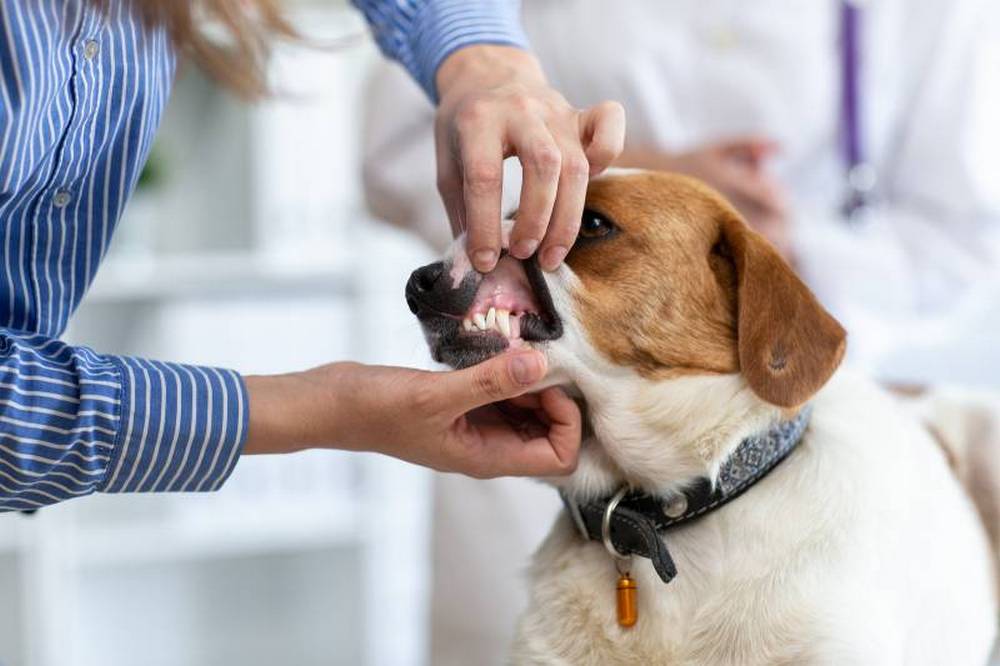
Splinting
The procedure is performed using special threads and is most often used to treat loose lower incisors in small breeds. The main steps are:
- The dog is given general anesthesia.
- The doctor removes dental plaque and cleans the gum pockets.
- On the inside of the defective area, a groove is made into which a fiberglass splinting thread is inserted.
- The groove is filled with a light-curing composite - a filling material.
The splint holds the teeth together, preventing individual teeth from shifting. After the procedure, the load is evenly distributed, making the area stronger and preventing irreversible damage.
Removal
Indications for surgical removal are:
- change of teeth, when the permanent teeth have grown in by 1/3, and the baby teeth are firmly held in the gums;
- advanced periodontitis, in which bone tissue begins to deteriorate;
- dislocation without the possibility of recovery.
It is recommended to remove baby teeth before 10-11 months. Failure to do so promptly increases the risk of malocclusion.
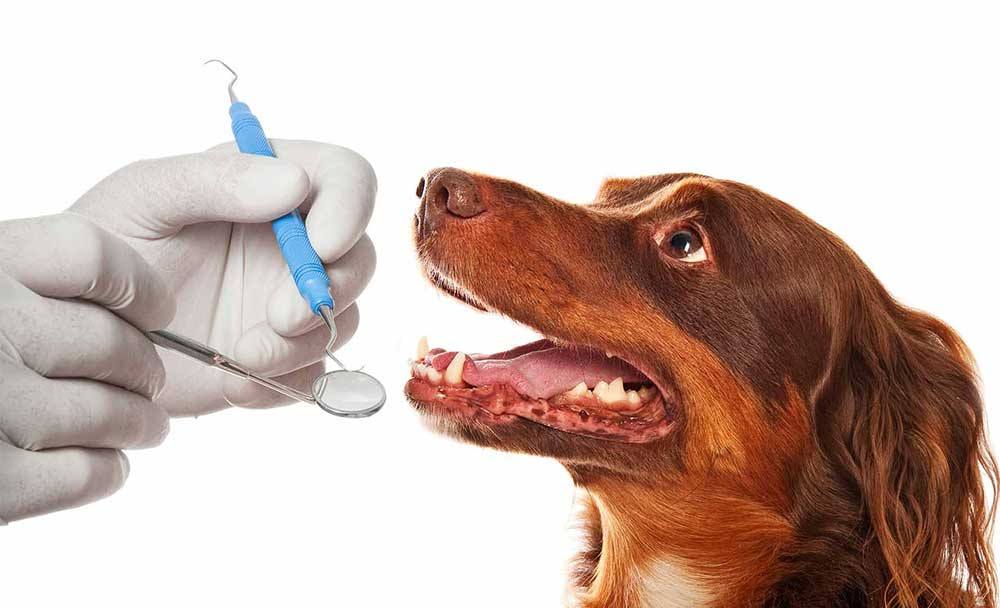
Before removal, diagnostics are carried out, which includes:
- echocardiography;
- blood tests;
- X-ray.
The doctor may prescribe additional procedures - a coagulogram, ultrasound.
An enamel cleaning is mandatory. Mechanical cleaning is possible for light deposits. For severe tartar buildup, ultrasonic cleaning is recommended. The removal itself is performed under general anesthesia. If several teeth need to be removed, the most problematic teeth are treated first, and the rest are removed after 3-4 weeks.
In the case of an extraction, the animal's activity is restricted and enamel cleaning is avoided for two weeks—this allows time for the wound to fully heal. It's possible that after the extraction, the dog will be limited to soft food. This can be corrected by using dental prosthetics. However, veterinary dentistry uses implants manufactured for humans, so the size of the pins is not suitable for small breeds.
Prevention of tooth loosening
You can preserve your pet's full set of teeth by carefully monitoring the condition of their enamel and taking preventative measures at home:
- Starting from puppyhood, accustom your pet to having their teeth brushed. At first, it's best to use a soft-bristled brush that won't damage their gums. As they get older, brush their enamel with a medium-hard brush to effectively remove plaque. This procedure should be performed at least 3-4 times a week.
- Special pastes are used that prevent tartar formation and reduce the risk of bacterial growth.
- They develop chewing muscles by offering your pet treats to chew on, such as bones and dried tendons.
- Strengthen incisors and canines using games involving holding objects made of soft rubber, silicone, or latex.
- They enrich food with vitamins and minerals. Calcium supplementation is especially beneficial during teething.
- Visit a veterinarian for examination at least twice a year.
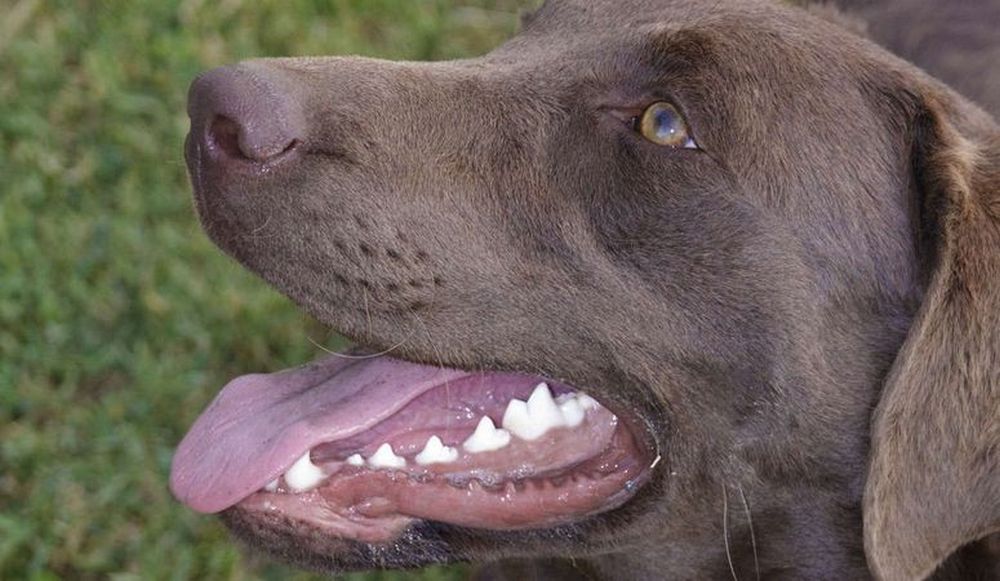
Loose teeth caused by trauma or dental disease must be treated. Otherwise, inflammation develops, causing discomfort and pain, worsening the pet's overall health. Professionals claim that timely treatment prolongs a dog's life by approximately 20%.
Read also:


Add a comment