
My dog has a lump: what should I do?
Lumps on the face and body are a common occurrence for many owners when examining their dogs. These are lumps of varying diameters that develop under or on the surface of the skin. They can be caused by anything from harmless insect bites to serious illnesses. Therefore, it's important to monitor any new growths and, if necessary, consult a veterinarian to promptly diagnose the cause and prevent the condition from worsening.

Content
Reasons for occurrence
For many, the word "neoplasm" conjures up images of a serious disease like cancer. However, besides cancer, there are other factors that can cause lumps to form on an animal's body:
- viral infections;
- mechanical damage to the skin;
- consequences of surgical intervention associated with damage to blood vessels;
- foreign bodies;
- bacteria that enter the body.
Depending on the cause, they can vary in density and size, from a few millimeters to centimeters in diameter. They may not bother the pet, but can suddenly increase in size.
In the case of insect bites, symptoms include skin irritation and itching, and in rare cases, swelling. In long-haired dogs, the lumps can only be detected by palpation, while in short-haired dogs, they are visible.
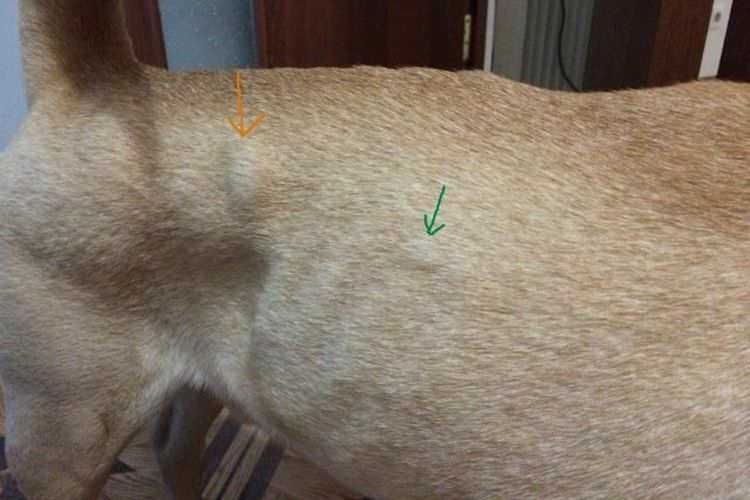
To avoid serious consequences, it's important to carefully examine any lump on your dog's body and understand its structure. Inexperienced owners may mistake nipples, salivary glands, or even prominent muscles in muscular breeds (Rottweilers, Bull Terriers, and Bulldogs) for a lump.
Lumps associated with external factors
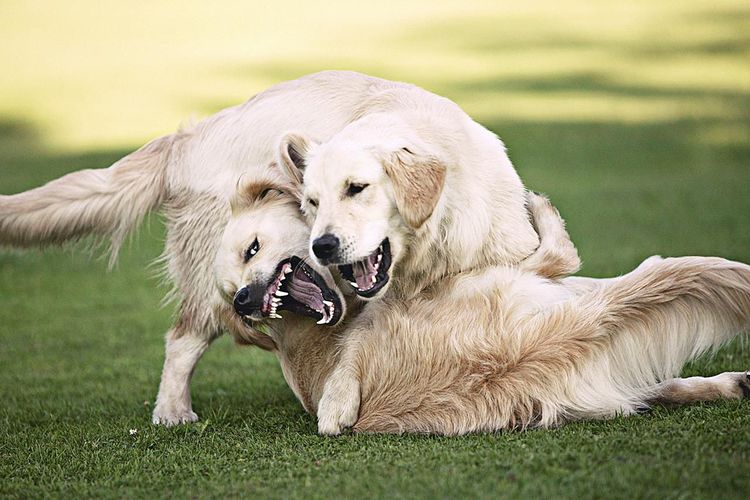
Growths on a dog's body occur not only as a result of viruses and inflammatory processes, but also as a result of external factors or unforeseen situations, such as fights with other animals, which lead to damage to the skin and the formation of various types of hardening.
After vaccination
Veterinarians consider post-vaccination swelling a normal reaction to certain types of vaccines. It doesn't require owner intervention, provided it doesn't bother the dog, doesn't increase in size, doesn't become inflamed, and usually resolves on its own within a month.
Reasons for the formation of lumps on the withers under the skin after vaccination:
- rapid administration of a vaccine that does not have time to be absorbed on its own;
- a short needle on the syringe, due to which the drug enters the subcutaneous fat layer and cannot spread throughout the tissues;
- features of the administered vaccine (structure, storage temperature, etc.);
- hitting a blood vessel during a puncture of soft tissue, which leads to the formation of a hematoma;
- puncture of a nerve ending, which leads to its inflammation and the formation of swelling;
- allergic reaction to a vaccine.
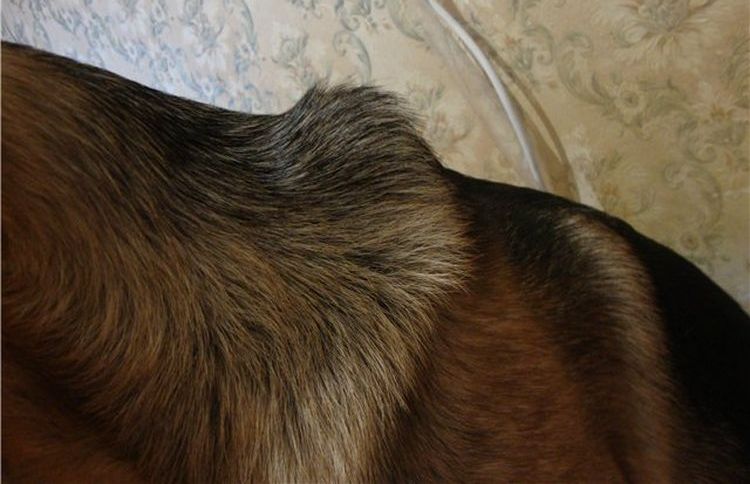
If the swelling after a vaccination begins to grow, change color, or bother your pet, an urgent consultation with a veterinarian is necessary, as complications from vaccinations can lead to the development of inflammatory purulent processes, abscesses, and other reactions.
After a tick bite
The lump appears immediately after the bite, is painless when palpated, and is a reaction to the tick's saliva or parts of the parasite remaining under the skin after removal. It requires no treatment, but it takes a long time (up to six months) to resolve and may be accompanied by discoloration or hair loss at the bite site. If the dog scratches the wound and introduces an infection, suppuration and abscess - a bright pink or red formation, which is accompanied by a rise in temperature, weakness, and pain.
Ticks carry piroplasmosis and other fatal diseases, so it's advisable to have the removed tick tested and monitor your pet's condition. If your pet becomes lethargic, refuses food or water, develops a fever, diarrhea, vomiting, or other alarming symptoms, consult a doctor immediately.
After being bitten by another dog
In addition to wounds, hard, inflamed lumps called infiltrates may form under the skin at bite sites. These lumps are associated with soft tissue trauma and the accumulation of blood and lymph. These lumps typically resolve spontaneously over time or with the use of medications that accelerate lymph flow. If the animal refuses food and has a fever, and the inflamed area gradually swells and becomes painful when palpated, this is called an abscess—a purulent inflammation that will eventually mature, soften, and rupture. To speed up this process, you can consult a veterinarian or, if you have experience, drain the abscess yourself.
Possible locations of appearance
Subcutaneous growths in dogs can be located in different areas of the body, so their appearance on the back or side does not indicate a specific type of lump or disease. In each case, prompt detection and consultation with a veterinarian are crucial, as they can determine the cause of the lump after appropriate examination.
On the neck
The nature of new growths in the neck area can be very different, but the most common variant is the consequences of insect bites, which can be eliminated and their further recurrence prevented by treating the dog with special drops against ticks and fleas.
Sudden swelling after a bite on the neck is dangerous because it can block the airway.
But growths on the neck can also be a symptom of more serious diseases: inflammation of the salivary glands or lymph nodes (lymphadenitis). The latter can also cause lumps under the arm. If they appear, it's important to assess the animal's overall health, check for pain during examination, the mobility and rate of growth of the lump, and, if necessary, consult a veterinarian.
On the ear
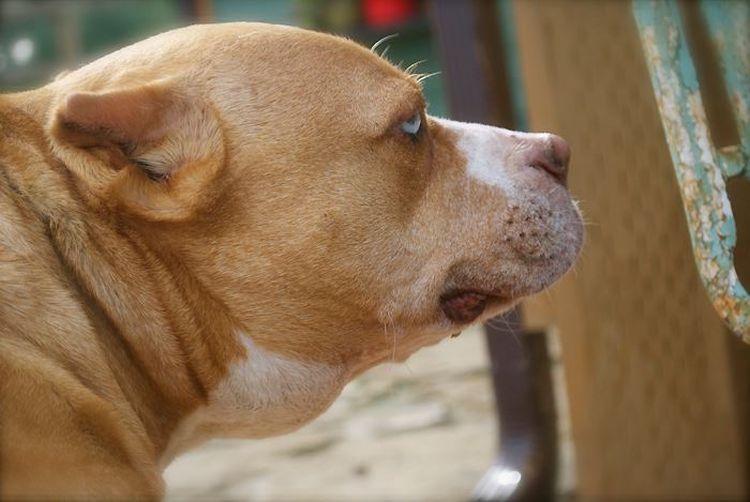
Atheroma, histiocytoma, and hematoma are all possible causes of growths on an animal's ear. Hematomas usually resolve on their own, while histiocytomas require surgical intervention as they can develop into malignant tumors. A bite, scratch, or other injury to the ear can cause an abscess, which is treated with antibiotics and sometimes surgery.
On the paw
Lump on the front or hind paw A splinter or bruise on the fingers is most likely caused by a simple bruise or a splinter. If a splinter is found in the dog's paw, it should be removed and the area treated with brilliant green or iodine. If dirt gets into the wound, it can lead to inflammation, which can be treated with various compresses and even antibiotics.
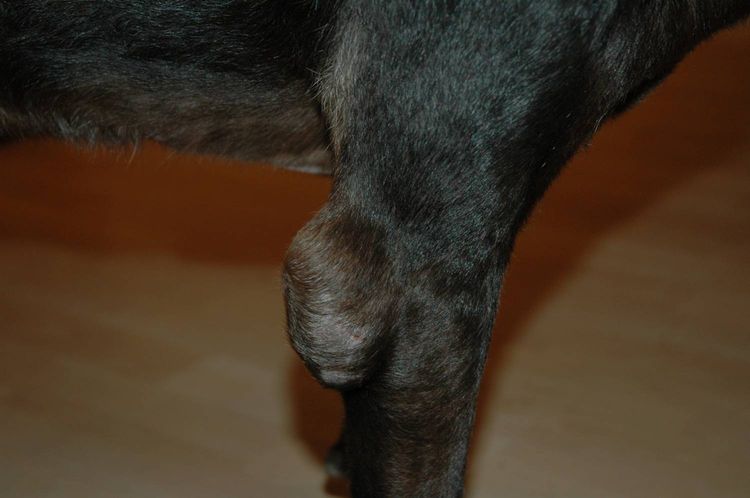
In older animals, as well as large breeds, paw swelling is often caused by bursitis—an inflammation of the knee, elbow, and wrist joints. To reduce the risk of this developing, provide your pet with a soft, resting and sleeping area.
Above the eye
Lumps under the skin above the eye and all over the scalp are one of the symptoms of pyoderma—a blockage or inflammation of the glands that most often occurs in puppies under four months of age. The resulting swellings eventually become infected and drain pus. Although the animal remains alert and active, veterinary care is required to remove the abscesses.
A possible cause of swelling under the eye is a dental root abscess, which most often affects older animals or breeds with genetically "bad" teeth (Chinese Cresteds, Russian Toy Terriers). In this case, the swelling can only be resolved by treating or extracting the affected tooth.
Near the anus
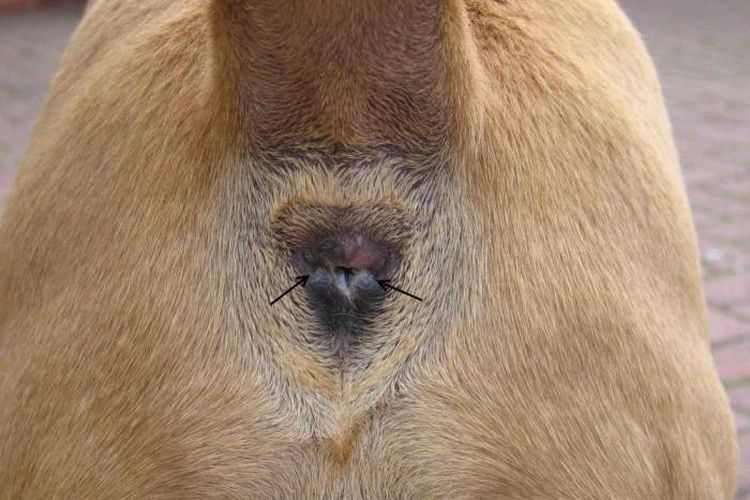
A lump in the anal area that causes discomfort when touched is a clear sign of inflammation of the anal glands. These glands are located near the anus and secrete a secretion that dogs use to mark their territory. However, when this secretion thickens, it can become blocked and trigger an inflammatory process, accompanied by itching, pain, and an unpleasant odor. Treatment, prescribed by a doctor, involves cleaning the anal glands and applying ointments to relieve pain and inflammation.
Under the tail
A growth under your pet's tail could be a lipoma - a harmless growth that does not cause discomfort or pain and almost never develops into cancer. wen If the tumor does not interfere with sitting and moving, does not rapidly increase in size, and does not penetrate into deep tissues, then there is no need for treatment; otherwise, its surgical removal is necessary.
Papillomas and atheromas also appear on the tail, and in female dogs, lumps under the tail can be a symptom of leiomyoma, sarcomas, fibromas of the genital organs (vesicle or vagina), for the diagnosis of which an examination is carried out. When diagnosing a malignant tumors The surgery is performed under general anesthesia and antitumor injections are administered. Some of these diseases are hormone-dependent and therefore require prior sterilization of the animal.
On the mammary gland
Growths on an animal's chest usually appear as a result of hormonal imbalances and can be benign or malignant. They are easily detected by palpation and can be a symptom of mastopathy or mammary tumors.
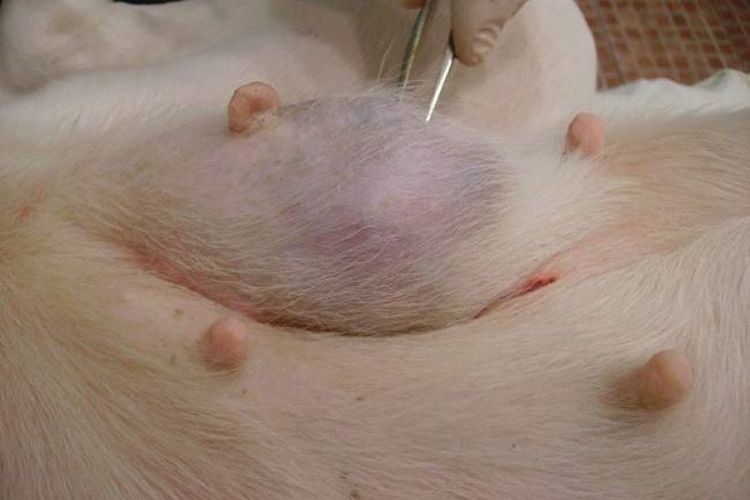
Mastopathy is a benign growth that causes specific pain. It can be soft or slightly firm, but is not considered cancerous. However, if left untreated, certain factors can trigger complications, such as an increase in the number and size of the lumps and their transformation into malignant tumors. These include:
- frequently recurring false pregnancy;
- absence of mating;
- weaning puppies.
Those at risk include dogs whose heat cycle begins early or late and with varying frequency, those with metabolic disorders, and those who require long-term hormone therapy.
What to do
If you discover a growth on your pet's skin, you should palpate it and examine it carefully. If your dog reacts painfully to palpation, seek immediate veterinary attention, as the lump may be the result of trauma, an insect bite, or other serious injury.
If the animal shows no signs of distress after discovering the lump, and the lump doesn't change color or drain pus, it's likely to resolve on its own within a short time. In this case, observe the dog for several days. If the inflammation doesn't subside, it's advisable to schedule a veterinary appointment. Other reasons to seek medical attention include an increase in the size or number of the lump, the appearance of pus, a change in color, or obvious discomfort.
Before your vet appointment, it's best to prevent your dog from licking the inflamed area to prevent the formation of a granuloma. To prevent this, cover the growth with a bandage.
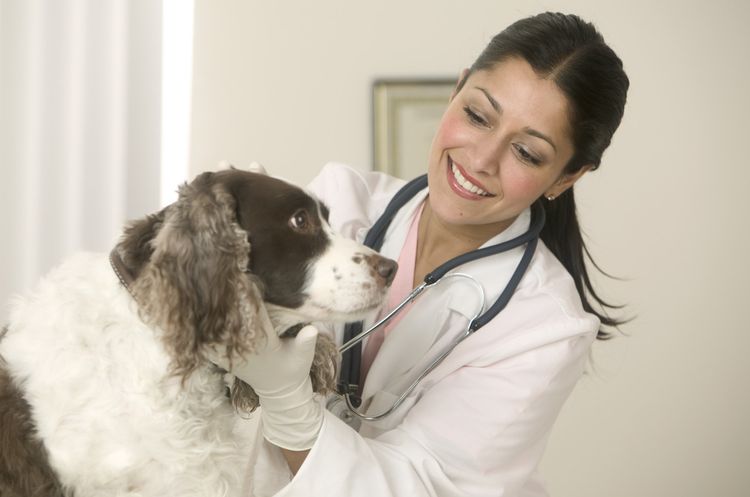
To determine the nature of the neoplasm, the veterinarian will conduct the necessary examinations and procedures, including:
- taking a smear-print (applying a glass for analysis in the presence of an ulcer);
- biopsy (taking cells from the tissue of a neoplasm through an inserted needle);
- computed tomography;
- radiography.
Most health problems can be resolved with prompt veterinary attention. The key is to identify the lump as early as possible after it appears, so make it a rule to fully examine and palpate your pet at least once a day.
You can also ask our website's staff veterinarian a question, who will answer them as quickly as possible in the comments box below.
Read also:
- Paranal glands in dogs: treatment of inflammation, cleaning
- Mastometrin for dogs
- The structure of a dog


8 comments
Victoria
5 days ago the puppy received his second vaccination at the withers, after which, 4 days later, a swelling was discovered above the shoulder blade. It does not bother the puppy, it does not hurt when pressed, the vaccination was at the withers, but not above the paw. What should I do? Thank you.
Daria is a veterinarian
Hello! Inactivated vaccines can cause swelling after administration (edema). This is due to the adjuvants they contain, which are necessary to enhance the immune system's response to the inactivated vaccine (meaning the immune system responds specifically to the vaccine itself). Swelling may be normal. Depending on the vaccine, it may not resolve within 1 or 2 days. Observe your pet; there's no need to do anything. If the swelling doesn't subside within a week or continues to increase, then go to an appointment and we'll sort it out. I think everything will be fine.
Maria
Hello, I had a tick bite a while ago and removed it myself. The bite was on my neck. A week later, I developed a lump on my forehead with no wound and it snarls when I press it. Will it go away? What could it be?
Daria is a veterinarian
Hello! You may have improperly removed the tick (pulled it too hard, tearing off its head, which remains embedded in the skin). This may have caused inflammation, swelling, and tenderness at the site of the swelling. Alternatively, an abscess (suppuration) may have formed, which will then burst, requiring treatment as with a purulent open wound (irrigation, intramuscular antibiotics, anti-inflammatory medications), and Chemi spray or other open wound sprays (not brilliant green or iodine! These will cause severe tissue burns).
Tatiana
Hello! For the third day now, my dachshund has been experiencing occasional bumps of varying sizes on her scalp and around her eyes, which disappear within a couple of hours. What could these be?
Daria is a veterinarian
Hello! How old is your pet? Has it been treated? Is there any hair loss? Is there any itching? Honestly, you'd have to see this to understand what's going on. It could be nothing serious, or it could be a tick "raging," or there could be some other dermatological issue, or a skin reaction to something (food, contact with something).
Olesya
Hello. Yesterday after a walk, my 3-month-old terrier developed small bumps on her head. More appeared today on her legs. When I touch them, they seem to be coming out, which is probably uncomfortable for her. She also started shaking her ears and head. What could this be?
Dasha is a veterinarian
What kind of cats are these and where are the dog's ears? I understand they're ears, but I have no idea what's wrong with the animal. Please write without the T9.
Add a comment