
My dog's paw hurts after an injection: why and what to do
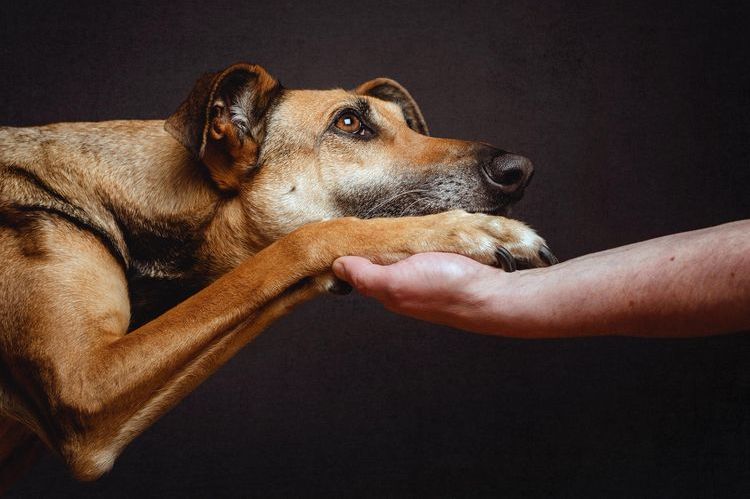
It's quite common for dogs to develop paw pain after injections or vaccinations. Some animals even limp, don't put weight on their hind or front paws, and aren't as active as they once were. Why does this happen, and more importantly, what can be done about it? These are questions that worry owners. If we were to analyze all the possible causes of this problem and break them down into main categories, we'd get something like this.
The most common complications
If the lump on the paw doesn't go away within a few days after the injection and the paw still hurts, it's time to consult a doctor to check for complications. As a rule, an unsuccessful vaccination or treatment can lead to the following problems:
- AbscessIt most often occurs as a result of using a non-sterile needle, which introduces pus-forming bacteria into the tissue. It appears as a swelling or lump, and is hard and hot to the touch. When the affected area is touched, the animal whines and becomes nervous.
Pus collects in the infected cavity, and to prevent the infection from spreading further through the body, a sealed "capsule" forms. Sometimes this capsule ruptures on its own, releasing the contents, leaving an ulcer in the ruptured area. It is strictly forbidden to pierce the lump yourself.
Mild cases are treated with special ointments that draw out pus, as well as mild compresses and pain-relieving injections. However, surgery is often required: an incision is made, the pus is removed, the wound is treated with an antiseptic, and stitches are applied.
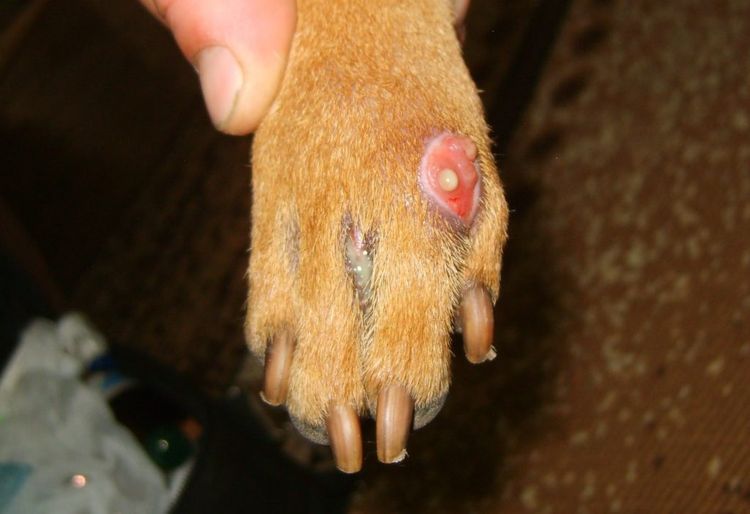
- Infiltrate. It has similar external signs to an abscess - the same hard swelling, but not hot to the touch. Inside cones It's not pus that accumulates, but fluid, indicating an inflammatory process with the formation of swelling or a cyst. It's impossible to distinguish an infiltrate from an abscess by eye, so the dog should be examined by a veterinarian. Treatment includes compresses and anti-inflammatory ointments.
In complex cases, when time is lost, the infiltrate can develop into an abscess, which will be indicated by an increase in temperature at the site of swelling, as well as more pronounced pain in the animal.
Most often, the problem occurs because the injection was administered with a blunt or broken needle or into a muscle that was too tense. The dog may also have jerked during the injection, damaging the muscle tissue. The reaction may also be the result of an incorrect injection method—for example, using intramuscular injection instead of subcutaneous injection, or vice versa.
- HematomaThis usually occurs as a result of a poorly placed injection. If the needle damages a large vein, blood leaks out of the vessel, forming a dense "ball." It has a reddish tint, turning bluish over time. This phenomenon can also occur as a result of repeated injections into the same area.
The hematoma itself is harmless and resolves naturally within a few days. To ease discomfort, apply warm compresses or perform a gentle massage.
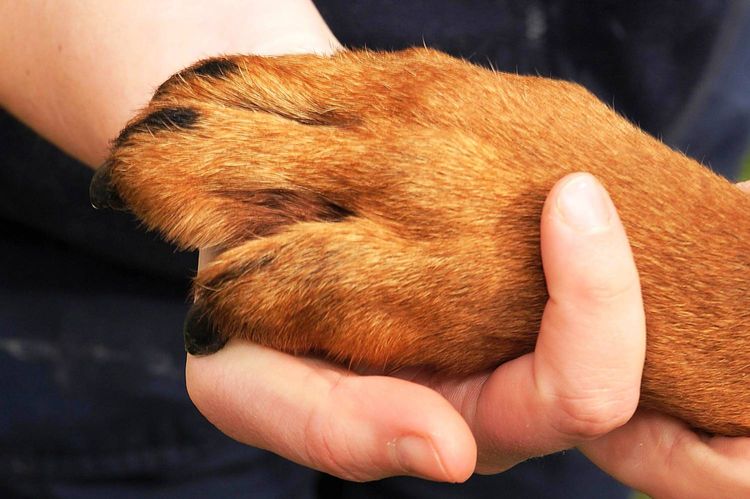
Important: Massage alternately, first clockwise and then counterclockwise, using your fingertips. Use gentle movements, without applying too much pressure. Repeat the procedure several times a day.
- Pinched nerve. If the dog beginning limp, but no redness, lumps, or other "anomalies" are detected at the injection site. It's possible the needle damaged the nerve. The injected medication may not fully distribute into the surrounding tissue and "pinch" the nerve, forming a so-called "depot." Another possibility is a blockage of the blood vessel supplying the nerve.
Associated symptoms confirming the presence of neuralgia include convulsions, loss of sensitivity at the injection site, limited mobility of the limb, and paralysis.
- Collapse or a sudden drop in blood pressure. The worst-case scenario. It occurs when air enters a vein. As a result, coughing, shortness of breath, and a bluish tint to the mucous membranes occur.
In addition to pulmonary embolism, individual intolerance to the administered drug can also occur, leading to anaphylactic shock. The animal loses coordination, experiences irregular heartbeat, severe weakness, and loss of consciousness. In such cases, seek immediate medical attention.
How to give your dog injections yourself
It's not always possible to take your pet to the veterinary clinic every day for procedures. You can administer injections at home, but be sure to consult with your veterinarian first. It's important to clarify:
- Is it necessary to heat the medicine and if so, to what temperature?
- Is inflammation possible after an injection, and how can it be stopped or minimized?
- Should I do a massage after the injection, and if so, what is the procedure?
- How exactly should the drug be administered - quickly and sharply, slowly and without pressure.
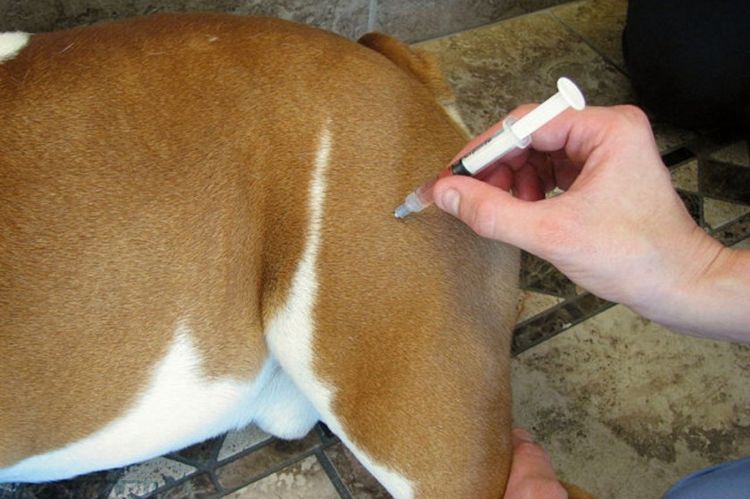
- At what angle and in what place should the injection be given?
- How to draw the medicine into a syringe, should it be mixed with novocaine, and if so, in what proportions.
It's advisable to perform the procedure under a doctor's supervision the first time to understand all the intricacies of the process. If you're unsure whether everything will be done correctly, it's best to avoid torturing the animal and arrange for a member of the clinic's medical staff to come to your home and administer the injections themselves.
Safety rules
For non-professionals who have taken on the responsibility of administering injections to their dog themselves, it would be a good idea to familiarize themselves with the following recommendations:
- Don't skimp on syringes. Cheaper versions often have dull or easily broken needles, as well as pistons that stick.
- Always check the syringe packaging for integrity, the medication's expiration date, and its storage conditions. Many medications should be stored in the refrigerator or dark places.
- Strictly adhere to disinfection rules: always wash your hands before performing any procedure, do not pick up a dropped needle from the floor, and do not use it for injections.
- Before injecting, be sure to inspect the filled syringe for air bubbles. Remove any air by pressing the plunger.
- It's not advisable to leave the medication in the syringe. If this is unavoidable, it's best to replace the used needle with a new, sterile one immediately before the injection.
- If you administer several injections daily, it's recommended to have a separate container for storing medications and syringes. To avoid confusion about dosages and administration methods, you can write "reminders" directly on the packaging with a pen.
- Open and unused ampoules should be discarded.
- The injection site must be treated with an alcohol solution or a napkin.
- To prevent the needle from dislodging during the injection, if the dog is nervous and trying to escape, it's a good idea to have someone assist. To prevent the animal from biting the owner in a fit of anger and panic, you can wrap the dog's jaw with a bandage or put on a muzzle.
- Focus your attention on the procedure, without being distracted by extraneous stimuli or other people. Careless handling of the needle can lead to injury and even infection.
Read also:


2 comments
Olga
Thanks for the advice. I'm preparing my dog for surgery. The information was helpful.
Olga
Thanks for the article. It was helpful.
Add a comment