
The dog's hind legs are buckling and moving apart.
Dogs experiencing buckling and splaying legs is not uncommon. Symptoms associated with this condition can vary widely. The first thing that catches the eye is the animal's unusual behavior.
Content
Symptoms
- The dog develops a waddling gait and its coordination of movement is impaired.
- The dog begins to hunch over, spends a lot of time in one position, and tries to shift the load onto its front paws. This is especially noticeable when it's about to jump onto the sofa or overcome an obstacle on a walk.
- Tremors of the limbs, shortness of breath, and an inability to fully bend over to the food bowl are observed.
- Difficulty urinating and defecating appears.
In severe cases, a sharp development of paralysis and, as a result, complete immobility of the back of the body. Since there is no universal explanation for severe neuralgia, only a specialized physician can make a diagnosis.
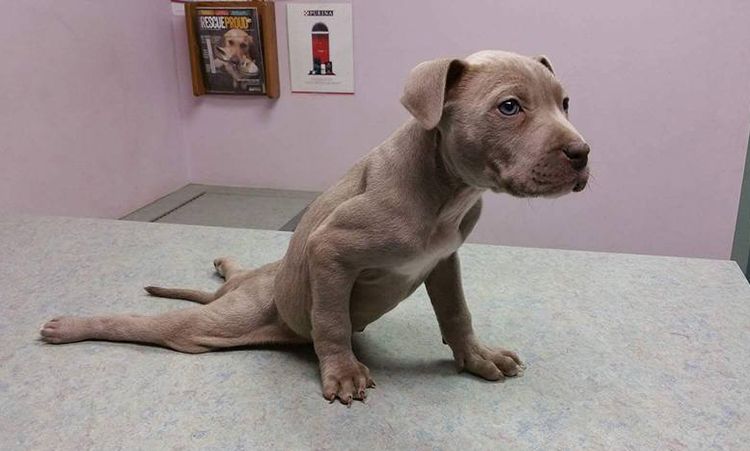
Discopathy, disc herniation
This condition is common in small breed dogs with a genetic predisposition to intervertebral disc instability. These typically include pugs, Pekingese, French bulldogs, and poodles. The slipped discs cause compression of the spinal cord, which, in the worst case, can lead not only to complete limb immobilization but also to death.
As the dog begins to experience acute pain, it tries to limit its movement as much as possible. It often freezes in a certain position, hunching its spine and drawing in its neck, trembling, and eventually simply falling to the floor. If the pain isn't severe, the outward signs may be less pronounced. The pet will drag its paws behind it, avoid jumping and making sudden movements, and bend over with difficulty.
Injuries
This category includes all injuries and damages suffered by an animal, whether accidental or intentional. For example, a dog may be injured in a fight, hit by a car, slip on ice, fall into a hole, or hit a hard surface. If the injury results in spinal damage, the dog is highly likely to have problems with coordination.
Swelling occurs at the site of the injury, leading to compression of the spinal cord and adjacent nerves. Blood circulation in the injured area is disrupted, resulting in nerve cells not receiving adequate nutrition and dying. Delivery of nerve impulses to the peripheral system is impaired, and tissue sensitivity is lost. A serious injury can lead to irreversible consequences—a spinal cord rupture.
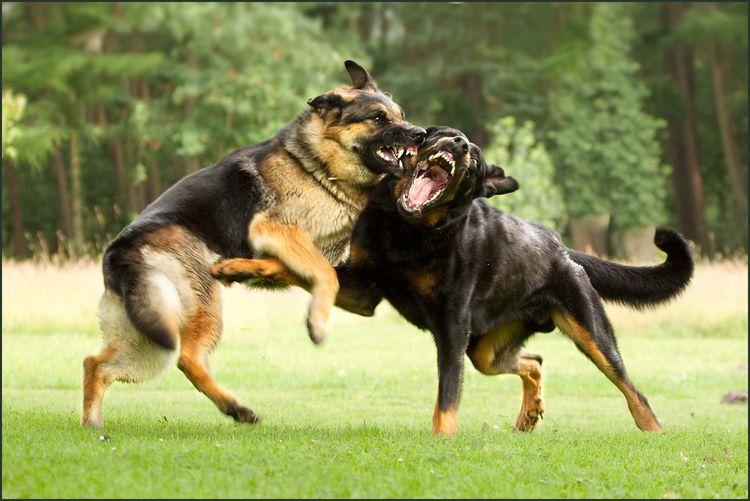
Dogs with a long, muscular build, such as dachshunds and basset hounds, are the most vulnerable to spinal injuries. A simple misstep or sudden turn can cause their front and back legs to splay out. Despite the elasticity of the intervertebral ligaments that align the spine and hold it in place, the spinal cord can be damaged in a matter of moments.
Diseases of the hip joints
Large breed dogs such as Dobermans, Rottweilers, Great Danes, St. Bernards, and others are typically at risk. This diagnosis is often made in shepherds between 6 and 12 months of age. Hip problems can be intermittent, waxing and waning under various conditions, such as insufficient or excessive physical activity.
A dog may limp after waking up or after a vigorous walk. The condition doesn't necessarily affect both limbs. It's more likely that the dog will limp with only one leg. Possible causes of dysplasia include:
- Genetic predisposition;
- Malnutrition;
- Obesity;
- Incorrect conditions of detention.
Important: Although dysplasia is considered an incurable disease, modern medicine can provide animals with fairly comfortable living conditions.
Myositis
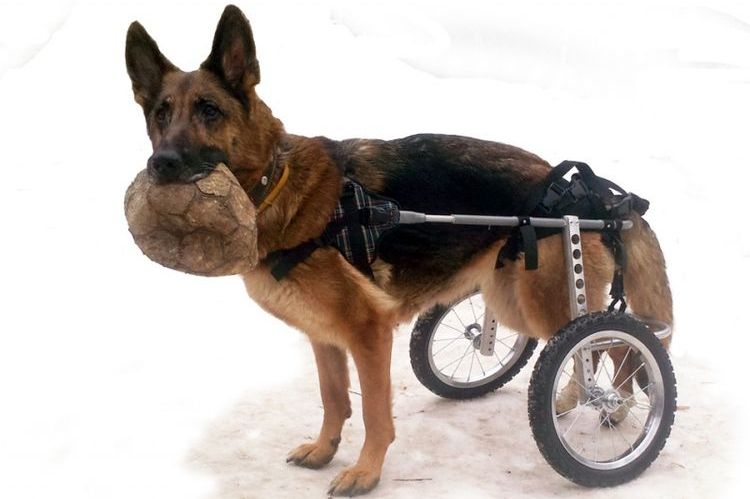
In simple terms, it's a muscle inflammation. This condition typically occurs after unusually strenuous exercise or prolonged exposure to a draft. With myositis, the dog may walk heavily on its paws, as if struggling to maintain its weight, or, if the inflammation is severe, may involuntarily fold its limbs and fall to the ground. Symptoms usually resolve on their own within a few days, and massage and rubbing the muscles of the spine and hindquarters can help improve the condition.
CNS lesions
These problems most often affect older dogs due to vascular degeneration and central nervous system dysfunction. While curing these conditions is virtually impossible, proper medication can improve your pet's well-being and prolong their life.
Stroke
Strokes in dogs are quite rare. More common in veterinary practice is the so-called vestibular syndromeIn both cases, the animal exhibits characteristic symptoms:
- The dog is acting restless, circling in place, trembling.
- Refuses food.
- It starts to be difficult to breathe and the eyes start to roll back.
- Falls on its paws, rolls over onto its back or side.
The difficulty of treatment lies in the fact that clinical signs of vestibular syndrome can appear and disappear without any warning or explanation.
Osteochondrosis of the spine
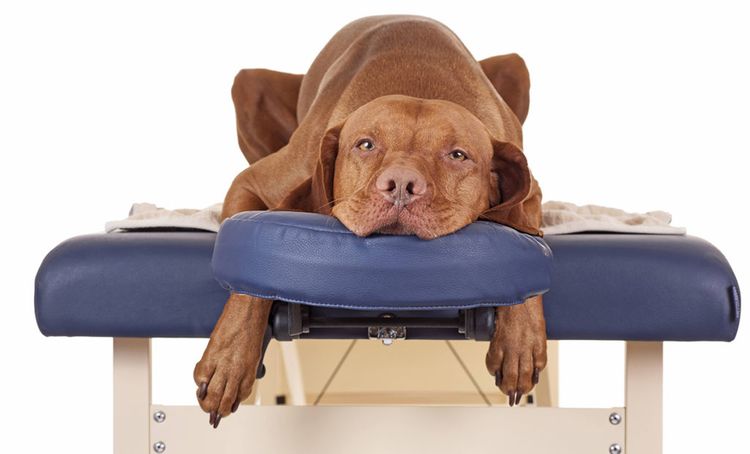
It occurs as a result of degenerative changes in the intervertebral discs. The risk of developing osteochondrosis increases with age. Along with spinal pathology, ligamentous dysfunction may also be observed. All of this combined leads to limited mobility in the animal's limbs. The disease often progresses following spinal injuries. Due to impaired microcirculation, the discs are deprived of the necessary nutrition and begin to deteriorate.
Spondylosis
The insidious nature of this disease lies in its slow progression and undetected early on. Localized areas of the spine gradually "age" through the formation of growths called osteophytes on the intervertebral discs. Spondylosis It is more typical for older animals, although due to improper nutrition and living conditions, young dogs can also fall into the risk zone.
Important: Dogs can also collapse due to exhaustion. This is more common among stray animals than domestic ones.
Treatment
None of the above-mentioned diseases can be treated at home, but require thorough diagnosis and treatment in a hospital setting. Unfortunately, the initial clinical signs of pathology are often overlooked by pet owners, or they are of little significance.
A dog is brought to veterinarians when its limbs are clearly immobilized or in severe pain. However, it is still possible to relieve the pain and partially or fully restore motor function.
To establish a diagnosis, a visual examination of the pet for sensitivity, as well as X-rays and MRIs, are performed. Blood and urine tests, punctures, and other procedures may also be performed. Treatment may include anti-inflammatory medications, pain relievers, chondroprotectors, and other medications, depending on the doctor's conclusion.
Read also:
- Hondatron for dogs
- Lumps on a dog's hind legs: causes and treatment
- My dog's paw hurts after an injection: why and what to do


5 comments
Natalia
Hello! This morning I noticed that my dog is hunched over and has difficulty walking on his back legs... He is a medium-sized mixed breed (about the size of a husky).
Daria is a veterinarian
Hello! It's important to determine whether this is a pathology in the limbs themselves (perhaps a sprained ligament, muscle soreness, etc.), the spine, or internal organ pain (for example, in the intestines or stomach), which is causing the animal to assume an unnatural posture. Perhaps you've ever had severe stomach pain? Remember how you involuntarily had to hunch over and walk slowly due to severe pain. This, too, needs to be addressed. There were no injuries, falls, or other similar conditions.
Mila
At 2.5 months old, my dog became completely paralyzed. They said it was hopeless. I treated her myself for 7 months. At first, she simply stood and sat, and this went on for several months. Little by little, she started walking: first a meter, then a little more. At 12 months, she was already slowly climbing stairs. But her back was hunched over, and her hind legs were crooked. Now she's jumping more and more every day, but I'm concerned about her crooked hind legs. She doesn't have dysplasia. How can I fix her crooked hind legs?
Daria is a veterinarian
Hello! These paws are either a congenital abnormality (since there were problems with walking from the start) or weak muscle tone. It's possible that this makes it easier for the dog to walk, as it puts less strain on the muscles. Check for hypertonicity in the limbs, such as how the dog places its paws on the pads. The dog has had problems for so long, and it's not worth expecting a miracle recovery without any side effects. Alternatively, balance the diet with calcium and phosphorus, add massage, and, in warmer weather, swim. Avoid putting too much strain on the animal (protect the joints and spine).
Anonymous
What was the treatment? My mono male dog's hind legs started to give out and start to splay out.
Add a comment