
My dog's ears are bleeding: cause and treatment
In veterinary practice, damage to the tips of the ears in dogs is quite common. This is because there are many causes for this phenomenon, and they can be related to both internal pathological processes and directly to diseases or ear injuries. Therefore, if a dog's ear tips are bleeding, treatment begins with stopping the bleeding and providing first aid. Then, the cause is determined and appropriate therapeutic measures are implemented.
First aid
Any bleeding is first stopped using a sterile bandage. Typically, dogs' ear tips don't bleed excessively, so the procedure is straightforward. Afterward, determine:
- the severity and nature of the injury;
- the presence or absence of visible reasons;
- the need for an urgent visit to the veterinarian.
If the hemorrhage is caused by mechanical damage to the auricle, a visit to the veterinarian is necessary for serious tissue and cartilage ruptures. Minor wounds can be treated with disinfectant solutions, a sterile bandage applied to the ear, and, if necessary, a headband applied to secure the wound.
In cases where there are no visible injuries, but inflammation or other pathological processes with bleeding are observed at the ear tips, after first aid has been provided, it is also necessary to seek medical attention to determine the cause. Before treating such symptoms, it is necessary to correctly diagnose the underlying disease of which they are a symptom.
Reasons
Hemorrhages anywhere on a pet's body can be caused by either injuries of varying severity or serious systemic disorders. If a dog's ears bleed, the cause is most often trauma.
A dog's ears can be damaged by:
- in fights with their relatives, cats or other animals;
- when overcoming various obstacles;
- from fly bites, ear mites, demodex mites (demodicosis), fleas (flea dermatitis) or other parasitic insects that cause severe itching and lead to severe scratching until wounds form.
Besides mechanical trauma, there are cases where a dog's ear tips bleed without any external influence. In these situations, the following may be the causes:
- dry skin, leading to roughening and thickening of the tips of the ears, on which crusts then form, and the animal constantly tears them off, causing bleeding;
- vasculitis – immunopathological inflammation of blood vessels with destruction of their walls and damage to nearby tissues;
- breaking the tips of the ears until they bleed on the head or nearby objects when the dog shakes its head to relieve the pain associated with various ear diseases (primarily acute otitis);
- allergic reaction to care products, household chemicals, medications or food.
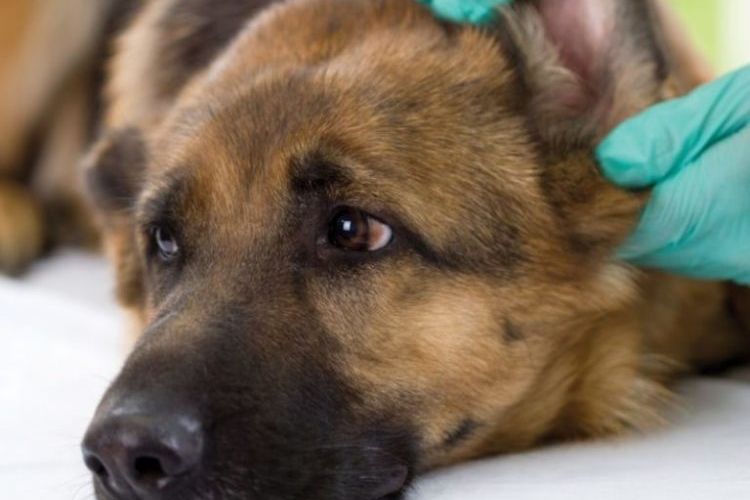
Given the variety of causes listed above, identifying the specific factor causing bleeding at the tips of a dog's ears requires a qualified medical examination. This may even reveal a completely unexpected condition, as animals' ears are much more sensitive than humans', and their condition reflects the pet's overall health.
Such symptoms can be caused by, for example, thyroid dysfunction or any pathology that impairs the immune system. In some cases where a dog's ear tips bleed, the condition is considered idiopathic, as no objective cause can be determined.
Moreover, the development of hemorrhages can also be caused by the environment. For example, such symptoms are often observed in dogs in winter due to severe frostbite of the auricle. And during hot weather, the same consequences can occur due to excessive exposure to the scorching sun.
Breed characteristics also play a significant role. Those with thickly furred ears are much less likely to suffer from these conditions than those with large, thin-skinned ears.
Treatment
To determine what to do if your dog's ears are bleeding, you need to undergo an examination for a proper diagnosis. Only after the cause of the problem has been identified and treatment for the underlying condition has begun should the process of ear restoration begin.
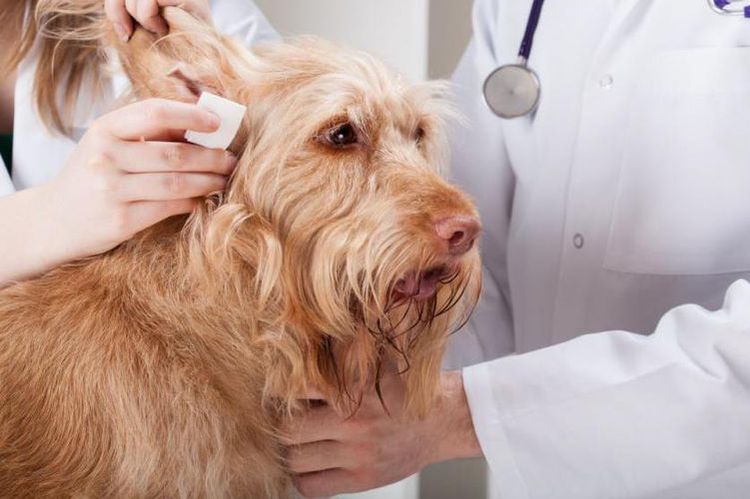
The local treatment regimen should be as follows:
- blot the affected area with a cotton swab soaked in hydrogen peroxide or pour the solution directly onto the wound;
- let it dry and apply a medicinal product (Solcoseryl gel, Vishnevsky balsamic liniment or Argosulfan ointment);
- Apply a sterile surgical dressing, choosing the appropriate size depending on the size of the wound surface (Cosmopor Advance self-adhesive post-operative dressings are ideal for this; they adhere firmly to the coat and are easily removed without leaving adhesive residue).
It's essential to ensure that the dog doesn't tear off the bandages. For very active animals, it's recommended to use a special protective collar (called an Elizabethan collar).
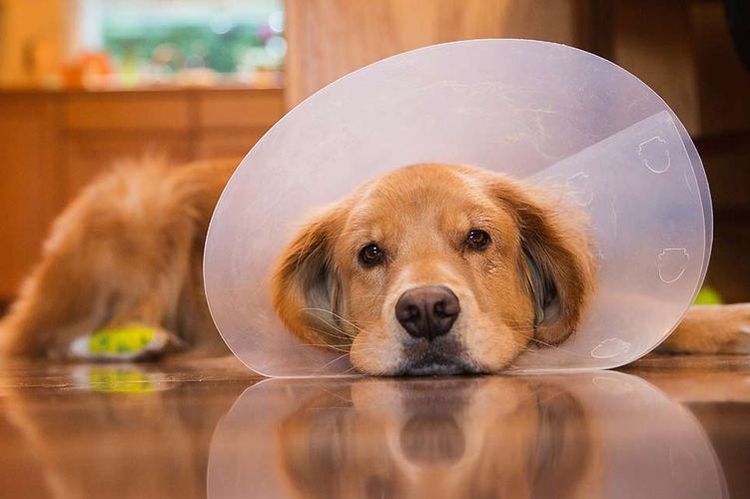
The frequency of treating bleeding ear tips depends on the condition of the affected area. If the wounds are inflamed and festering, the dressing and the entire application plan should be changed daily. If there is no obvious pathological process, the wound surface may not need such thorough treatment; instead, it may be dusted with streptocide.
In addition to medical treatment, traditional medicine is recommended. Calendula and chamomile infusions are used to rinse the tips of the ears. These medicinal flowers contain a high concentration of antiseptic and drying agents, which help eliminate infection and promote faster healing. The key is to simultaneously address the underlying cause of the bleeding at the tips of the dog's ears. Otherwise, no topical treatment will help.
Read also:
- Complications after piroplasmosis in dogs
- Inflammation of the salivary glands in dogs: symptoms and treatment
- Inflammation of the glands in dogs: symptoms and treatment


Add a comment