
My dog has pus in his eyes: why and how to treat it
Continuing with the topic of eye diseases, today we'll take a detailed look at why dogs sometimes develop pus in their eyes and how to distinguish the normal self-cleansing process of any animal's eyes from an inflammatory process requiring treatment, as well as pathological souring, which can be a symptom of a dangerous disease.
Content
Discharge from the eyes of a dog
Tears are a special secretion produced by the lacrimal glands, which are located in the upper and lower areas of a dog's eye. These glands produce a clear, colorless, and odorless fluid that accumulates in the lacrimal sac and is delivered to the surface of the eye through the lacrimal ducts.
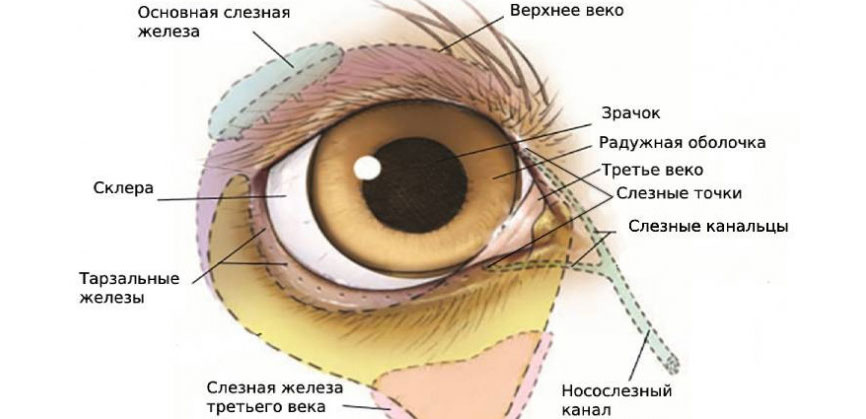
As in humans, tears in animals perform a number of important functions:
- corneal hydration;
- mechanical cleaning from any foreign objects;
- removal of salts and toxic compounds;
- transit of nutrients to the epithelial tissues of the eyeball;
- protection against penetration of pathogenic microorganisms.
Variants of the norm
Normally, discharge from the eyes is liquid, transparent (or almost transparent), without a specific odor.
In this case, a sharp increase in the amount of secretion produced is possible without changing its basic characteristics. In this case, it's called "eyes watering." This symptom can be caused by:
- only a foreign body (speck of dust, eyelash, hair, etc.) that has entered the eye;
- reaction to external stimuli (wind, frost, smoke, too dry indoor air);
- allergic reaction (tearing can be caused by food allergies, reactions to household chemicals or plant pollen, and other allergens);
- trauma (in the first hours).
If the discharge is profuse but clear and not caused by injury or a foreign body, you can try to address the problem at home. Typically, this involves eliminating potential allergens from your pet's diet and rinsing the eyes (or using eye drops) with preventative anti-inflammatory medications, which are available over-the-counter at any veterinary pharmacy.
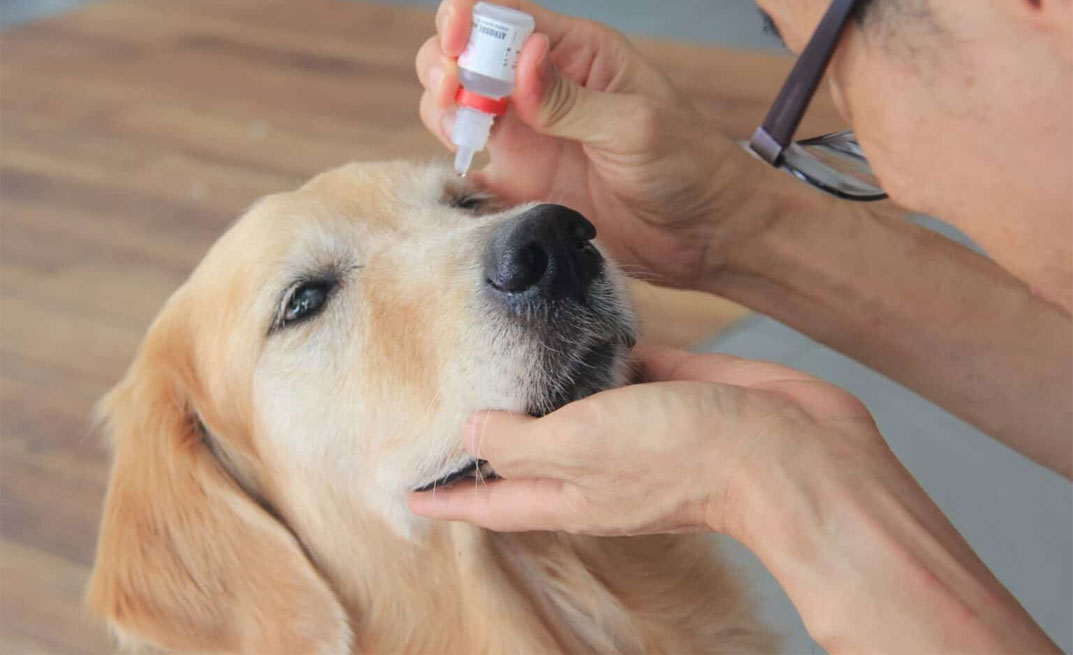
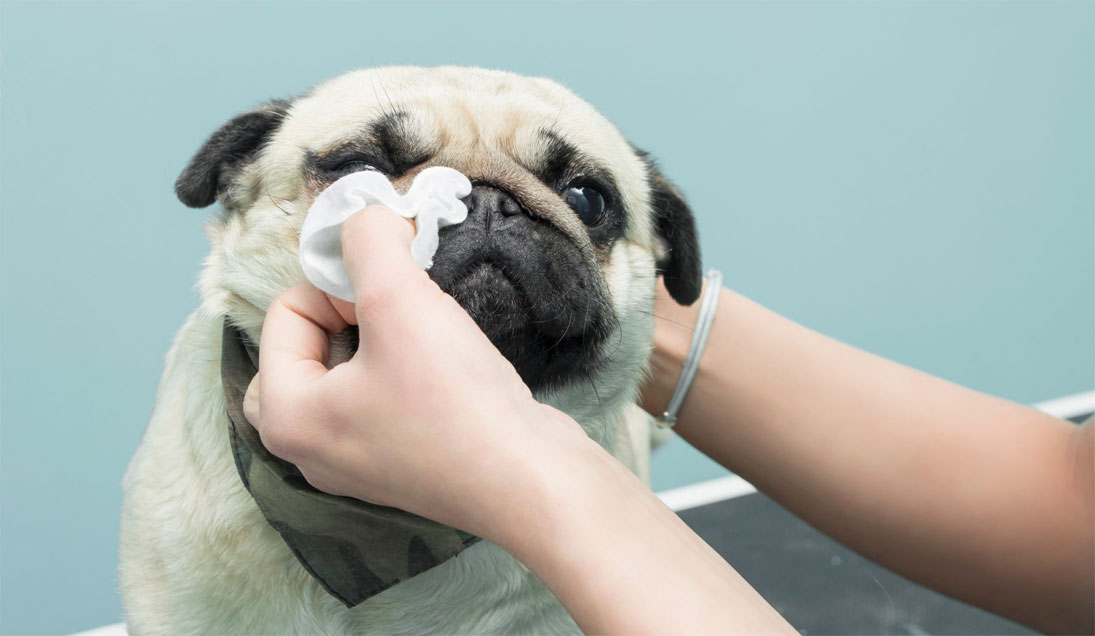
Excessive tear production can also be caused by a pet's breed characteristics. For example, hyperactive tear glands are normal for:
- brachycephalics (Pug, French Bulldog, Boxer, Pekingese and other owners of short, flattened muzzles);
- dwarf dogs with large, bulging eyes (Chihuahua, York, Spitz);
- dogs with long hair that often gets into their eyes (Poodle, Bichon, Maltese, Maltipoo, Alabai, etc.).
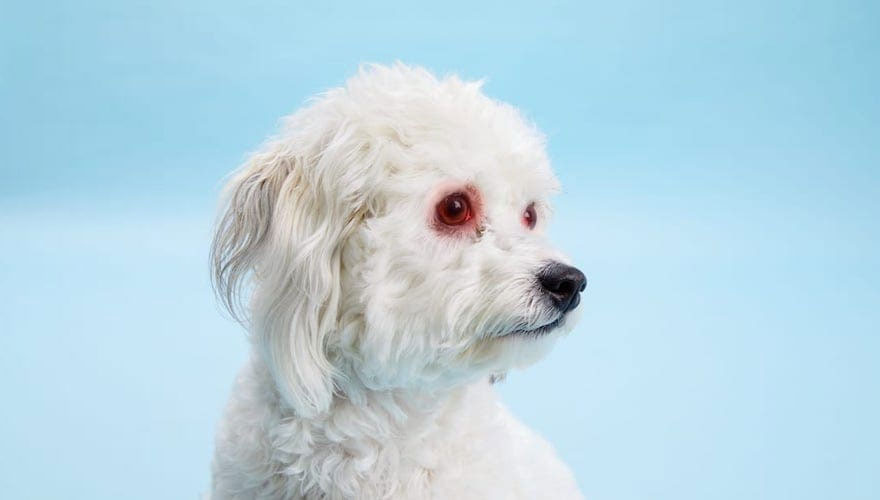
Owners of snow-white dogs are most often concerned about excessive tearing, as even tears, which are not a sign of illness, stain the white hairs in the corners of the eyes an unsightly red or brown hue. Sometimes the coloring of the fur makes the dog appear to have red eyes.
To get rid of such "tear stains," white dogs are recommended to be given special food and have their eyes regularly washed for preventative purposes.
Pathological souring
Under the influence of various factors, eye discharge can change its basic properties (color, consistency, odor, and amount of secretion). If the discharge deviates from normal levels, depending on the nature of the changes, the dog's eyes are said to be "sore" or "festering."
Conjunctivitis is an acute inflammation of the conjunctiva (the membrane lining the inside of the eyelid and the surface of the eye). Typically, the inflammation is caused by pathogenic microorganisms such as bacteria, viruses, or fungi.
In case of pathological discharge you can see:
- change in the color of the secretion (from whitish-yellow to greenish or brown);
- change in consistency (discharge becomes thicker and more viscous, forming dry crusts on the eyelids and in the corners of the eyes);
- the appearance of a characteristic smell of pus;
- irritation or ulceration of the skin around the eyes as the inflammation spreads;
- itching that causes discomfort to the animal.
If you notice that your puppy or adult dog's eyes are festering and watery, you should contact your veterinarian as soon as possible to determine the cause of this symptom.
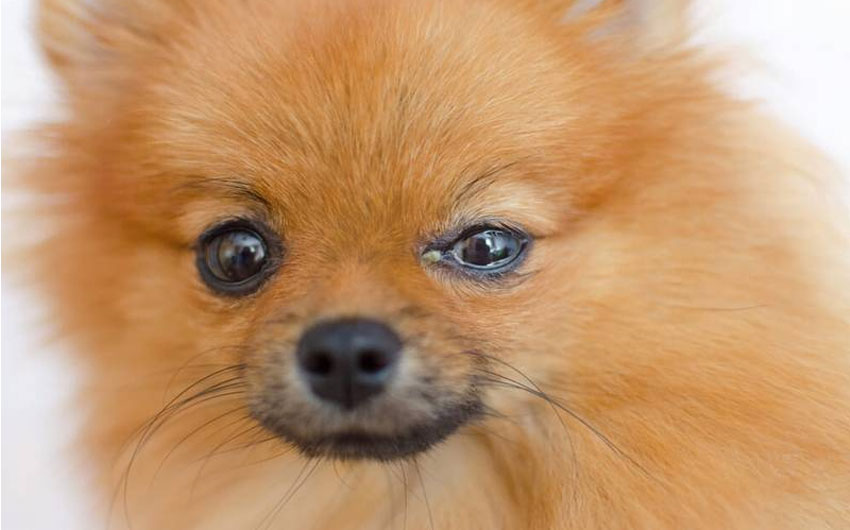
Don't wait for purulent discharge to resolve on its own or treat your eyes with folk remedies at home without first making a diagnosis, as in most cases, treatment should include medications effective against the pathogen.
Why do dogs have pus in their eyes? (Reasons)
In this section, we have collected the most common causes of symptoms such as watery eyes and purulent discharge.
The reasons for the development of symptoms, as well as the diseases that cause them, can be very diverse:
- bacterial eye infection (bacterial infections may cause whitish pus in the corners of the eyes or thick green discharge);
- the addition of a bacterial infection against the background of inflammation caused by a foreign body that was not removed from the eye in time, as well as abnormal eyelash growth;
- fungal infections (discharge may have a brownish tint);
- spread of the inflammatory process caused by a viral disease to the conjunctiva (in this case, the mucus has a more liquid consistency);
- acute inflammation of the lacrimal glands;
- inflammation or blockage of the tear ducts;
- pannus (inflammation of the cornea of the eye);
- inflammation of the third eyelid;
- glaucoma;
- systemic diseases (including diabetes mellitus);
- parasitic infections (fleas, ticks, including demodicosis, helminths, etc.);
- benign and malignant neoplasms.
Important! To select the right eye drops for dogs with purulent discharge, it is essential to determine the cause of the inflammation and the type of pathogen causing the symptoms.
That's why, if you notice that your Labrador, German Shepherd, Maltese, or Spitz has not just runny eyes, but purulent discharge, you need to take your pet to the veterinarian as soon as possible.
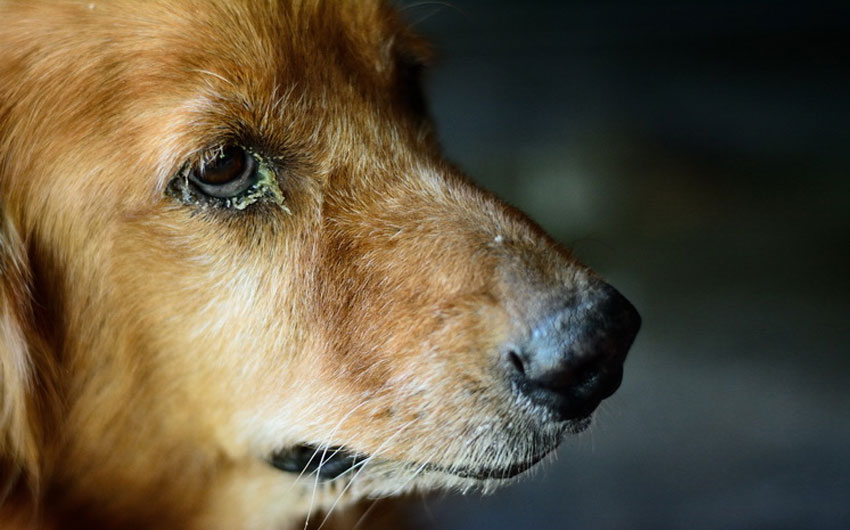
A visit to the clinic should be immediate if a small puppy or an old, weakened dog has a severely infected eye, as well as in cases where, in addition to the eye soreness, the following is observed:
- depressed state, loss of appetite or refusal to eat;
- vomit or vomiting;
- photophobia;
- neurological symptoms (impaired coordination, convulsions);
- symptoms that there is a foreign body in the eye that is not washed out naturally.
Diagnosis and treatment
Only by identifying the underlying cause of your dog's purulent eyes can your veterinarian tell you which drops to buy at the pharmacy to effectively address the problem.
A set of diagnostic measures for conjunctivitis may include:
- assessment of the animal's condition for the presence of symptoms indicating the presence of a serious disease (carnivore distemper, enteritis, rabies, etc.);
- initial examination of the affected eye for the presence of a foreign body or injury;
- assessment of the eye condition using special equipment;
- general tests to assess the main blood and urine parameters;
- specific screenings (to identify the causative agent of inflammation).
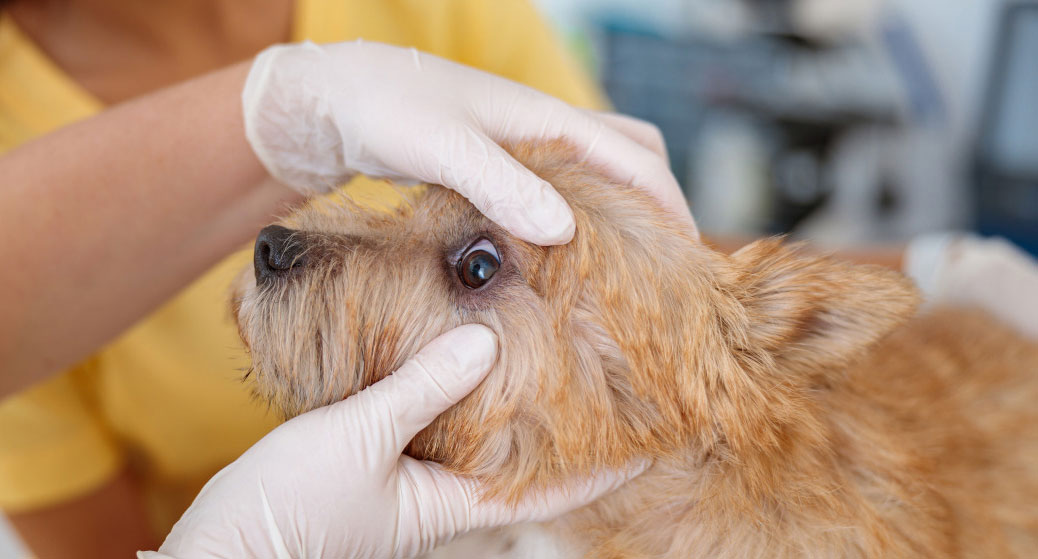
The veterinarian's treatment plan will depend on the examination results. Depending on the diagnosis, the following treatment options are possible:
- External treatment. The vet will advise you on how to flush your dog's eyes and what drops can be used to reduce inflammation.
- Systemic treatment. If the cause is a systemic disease, simply rinsing or applying eye drops will not be enough. The underlying condition must be treated, which often requires a combination of measures, including antibiotics.
- Surgical treatment may also be necessary in certain cases (for example, when ducts are blocked or neoplasms are detected).
Medicines
Every owner should know what drops, ointments, and solutions can be used if a dog has purulent eyes, as sometimes the problem arises in situations where it is not possible to quickly consult a veterinarian.
Read also:
- How to tell if your dog has poor vision or is going blind
- Heterochromia in Dogs: Causes of Different Eye Colors
- My dog has red eyes: why and what to do


Add a comment