
Your dog has a stomach ache: how to understand and help
Owners who haven't previously dealt with gastrointestinal issues in animals can find it difficult to recognize that their pet is suffering from stomach pain. In this article, we'll explain in detail how to recognize a dog's stomach pain, what illnesses can cause similar symptoms, when immediate veterinary attention is needed, and what can be done at home to alleviate your pet's condition.
Content
Symptoms of abdominal pain
Like people, animals can suffer from abdominal pain for a variety of reasons. This problem can affect pets of any age, gender, and breed, but knowing how to recognize a dog's stomach pain is especially important for owners of small dogs like Pomeranians, Yorkies, and Chihuahuas.

Causes of occurrence
The first thing you need to do if your dog has a stomach ache is to try to determine the cause of the ailment by assessing:
- Intensity of pain.
- Localization.
- General condition of the dog.
- The presence of additional symptoms that may indicate the development of a particular disease.
Important! If your dog is shaking and its condition is clearly worsening, don't waste time trying to find a solution at home. This could waste precious time, potentially preventing the veterinarian from being able to help your dog.
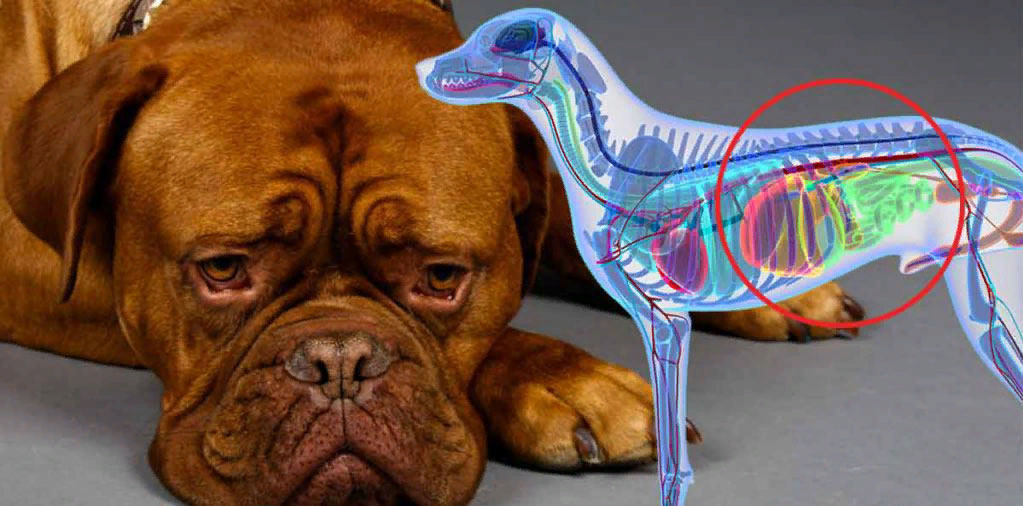
There are many different causes of abdominal pain, here are just a few:
- gastrointestinal disorders;
- food allergy (intolerance to certain foods);
- stress;
- inflammatory diseases of the stomach and intestines;
- helminthiasis;
- poisoning;
- foreign body in the intestine;
- intestinal blockage;
- gastric torsion;
- constipation and formation of fecal stones;
- stomach ulcer;
- peritonitis;
- infectious diseases;
- neoplasms (benign or malignant);
- abscesses and cysts;
- accumulation of fluid in the peritoneum;
- diseases of the abdominal organs (liver, pancreas, gallbladder, spleen, etc.);
- diseases of the urinary system (incl. chronic renal failure);
- diseases of the reproductive system (incl. pyometra);
- various disorders during pregnancy, labor pains.
It's obviously impossible to conduct a thorough diagnosis at home and determine the exact cause of abdominal pain in a puppy or adult dog. While many owners know how to tell if their dog is experiencing stomach pain by assessing the accompanying symptoms, determining whether the pain is related to inflammation in another organ is often impossible without a full examination. Therefore, if your dog is experiencing abdominal pain for the first time, it's best not to seek advice on how to help your pet at home, but to visit a veterinarian and find out the cause of the symptom.
Diagnosis and treatment
To make a diagnosis, your veterinarian may recommend the following set of tests:
- blood and urine tests;
- Ultrasound of abdominal organs;
- X-ray.

Treatment will depend entirely on the diagnosis and may include:
- symptomatic treatment (pain relief);
- drug therapy for the underlying disease (taking medications as recommended by a doctor in the form of tablets, syrups or injections);
- dietary nutrition (veterinary diet taking into account the diagnosis);
- intestinal lavage (as indicated);
- surgical intervention (as indicated).
How to help your pet at home
If a diagnosis has already been made and you know exactly why your dog periodically experiences abdominal pain, then your veterinarian has likely given you clear recommendations on what to do at home in the event of another episode of pain.
If it is not possible to quickly contact a doctor, then you can:
- give the dog a special veterinary drug to relieve pain - carprofen, firocoxib or meloxicam;
- use enterosorbents, for example Enterosgel (veterinary or from a human first aid kit);
- give a “human” antispasmodic – a No-shpa tablet (dosage 1.0-0.5 mg per 1 kg);
- give an injection of No-shpa (dosage 0.05-0.075 ml per 1 kg);
- give an injection of analgin or baralgin (dosage for dogs - 0.1 ml per 1 kg).
Important! If the cause of your pain is unclear, consulting a doctor is essential, as pain relief alone will not lead to recovery for many conditions.
Read also:


Add a comment