
My kitten has pus in his eyes: causes and what to do
A kitten's body is too weak to fully fight off illness. So if a kitten has pus in their eyes, you should immediately ask yourself: what to do, how to treat it, and why this is happening. Let's explore all the possible situations that can lead to pus in a small cat's eyes and how to resolve the situation.
Content
Why do eyes fester?
Kittens that have just been born are weak and susceptible to various illnesses. This can sometimes cause severe pus in their eyes, and the discharge can be so profuse that the kitten's eyes won't even open.
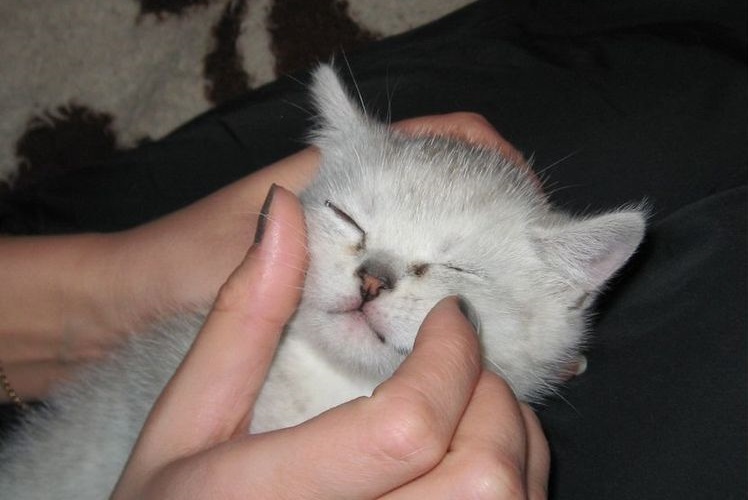
There are many reasons for this condition, just like there are for eye diseases, and it is not always possible to determine what is causing the kitten's problems:
- virus;
- draft;
- speck in the eye.
These are all possible irritants that can cause pus in a small kitten's eyes. One common cause of discharge is conjunctivitis. Furthermore, a kitten may injure its eye while playing or engaging in conflict with another pet. Initially, this may be a simple wound that later becomes infected.
Little animals are very curious creatures, always eager to stick their noses in anything. Sometimes their noses end up in the wrong place, and household chemicals, detergent, and other substances end up in their eyes. If your kitten has runny eyes and is sneezing, check their sleeping area; a cold caused by a draft could be the cause.
A kitten's eyes are festering and swollen due to a condition called blepharitis. This condition is caused by chemical, thermal, or traumatic injuries to the eyelids. It's not the damage itself that poses the danger, but rather the viruses, microbes, and pathogenic fungi that infect the affected area. Corneal inflammation (keratitis) is another condition that can cause festering and swollen eyes in kittens.
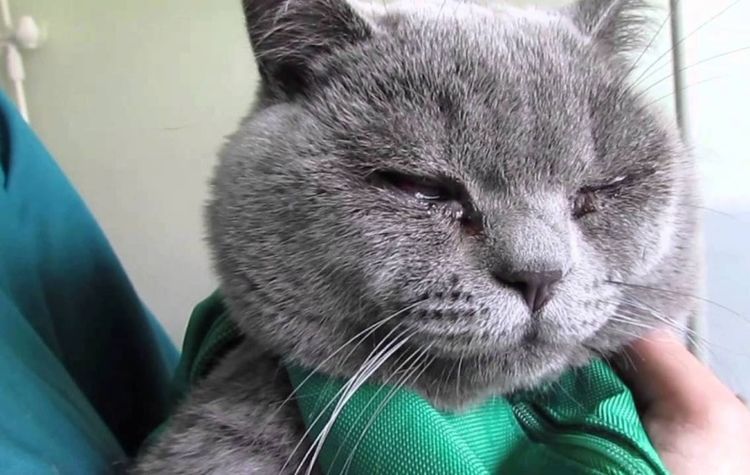
If the discharge is profuse and persistent, the kitten should be taken to a veterinarian. A specialist will determine the underlying cause of the ocular suppuration and prescribe appropriate treatment.
Symptoms
The symptoms of purulent discharge, as well as the kitten's health, depend on the underlying cause. Let's look at the main causes of problems in kittens and the symptoms associated with each specific type of injury:
- Eyelid contusion. If a child has a contused eyelid, a bruise may be visible upon examination, and adjacent tissue may be crushed. In severe cases, necrosis may develop.
- Eyelid wounds, which can cause damage to the kitten's skin, bleeding, and pain.
- BlepharitisThe first symptom of blepharitis is redness of the eyelids. A kitten's eyes are red and oozing pus, which is also a sign of the disease. While scratching, the pet introduces purulent bacteria, such as streptococci and staphylococci, into the eye. Swelling is another symptom of the disease.
- Purulent conjunctivitisMost often, the disease affects both eyes. The kitten appears ill, depressed, and may have a fever. Initially, the purulent discharge is thin, but as the disease progresses, it gradually thickens. The conjunctiva swells and may even protrude beyond the eyes.
- Follicular conjunctivitis. This disease is characterized by damage to the lymph nodes located within the third eyelid. Discharge from the conjunctival sac is present. Photophobia and soreness are observed. The eyelids appear swollen. Often, the kitten's eyes will not open and will become purulent, as the ichor sticks together the eyelashes and forms crusts that prevent the eyelids from opening. The pus irritates the skin around the eyes, leading to inflammation, dermatitis, eczema, and hair loss around the affected area.
Basics of eye treatment
In the initial stages of any disease causing exudate, a kitten experiences virtually no discomfort. Health risks are also generally not observed. Problems arise later. Pathogenic microorganisms develop, and the amount of pus increases. The discharge begins to irritate the mucous membranes and skin around the eyes. If left untreated, the risk of vision loss increases dramatically.
Therefore, when a small kitten has pus in their eyes, what to do, how to treat it, and what to use are the first questions a pet owner must decide. Let's start with first aid—rinsing. To rinse your kitten's eyes, make a chamomile infusion, wash away the accumulated fluid, and then rinse the inflamed eyeball. If you have other pets at home, repeat this procedure with them as a preventative measure.
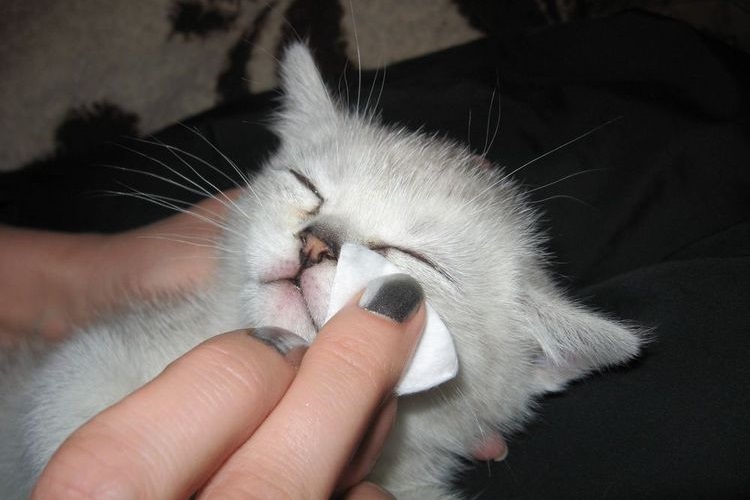
If rinsing doesn't help, it's best not to continue self-treatment. Take your kitten to the vet; only they can tell you exactly what to do next. You'll agree, why worry about why your kitten has pus in their eyes or how to treat a sick animal when there are qualified professionals available? Yes, veterinary services are expensive, but it's up to you to decide what's more important—your baby's health or an unexpected drain on your family budget.
Therapy
Treatment of purulent discharge is primarily aimed at eliminating the underlying cause. Further treatment depends on how accurately this cause is identified. Treatment for purulent eyes in kittens also depends on the underlying cause:
- If the cause is a bruise, the injured area is cleaned with a gauze pad soaked in a hydrogen peroxide solution. The same procedure is used for eyelid injuries.
- If blepharitis is the cause, the cause is identified and addressed. It's important to note that blepharitis in kittens can be caused by a vitamin deficiency, so if the vet has diagnosed this, it's important to provide your pet with a balanced diet with vitamin supplements.
- When a kitten has a runny nose and purulent eyes due to a cold, the doctor prescribes eye drops, antibiotics. It's important to provide your pet with comfortable living conditions. The baby's crib should be dry and warm, and free from drafts. Adding vitamins to your pet's diet will further improve their health.
- If a kitten's eyes are blocked by pus, the crusts are softened before removal. Vaseline oil is used for this purpose. The softened crusts are removed, and the area around the eyes is treated with hydrogen peroxide. The eyes themselves are rinsed with nitrofural, also known as furacilin. After treatment, eye drops or ointment are applied.
Some kitten illnesses cause not only eye discharge but also pain. In such cases, the veterinarian prescribes novocaine and an antibiotic, which is injected into the conjunctival sac.
If the disease is advanced, bacteria have become firmly entrenched in the deep layers of the eye. In this case, the doctor prescribes general antibiotic therapy.
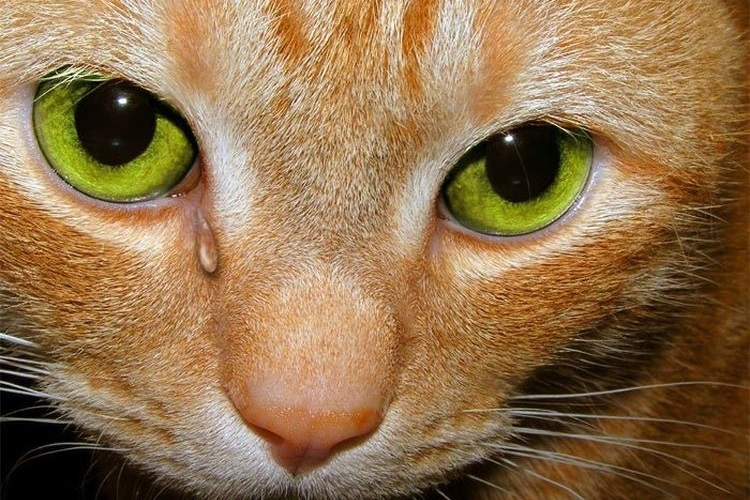
For purulent or phlegmonous conjunctivitis, both systemic and topical therapy are used. The treatment course includes periodic eye irrigation with 3% boric acid, followed by treatment with synthomycin ointment or any other eye emulsion containing antibiotics. In this case, a novocaine block with an antibiotic is also used. In addition to its pronounced "freezing" effect, this procedure is beneficial for overall treatment. Antibiotics can also be administered intramuscularly. Additionally, a veterinarian may recommend oral sulfonamides.
How to treat
Here we'll look at the remedies commonly used to rinse, clean, and apply eye drops to kittens with purulent discharge. Here's a list of the most commonly used medications:
- drops "Bars";
- tetracycline ointment;
- Diamond Eyes drops;
- multifunctional drops "Iris";
- Anandin for cats – drops with antiviral action;
- Lacrican eye drops – for non-viral inflammations;
- Tsiprovet in tablets or drops to treat inflammation caused by bacteria.
Most often, the instructions for use indicate the optimal dosage of the medication, but on average, if a month-old kitten has purulent eyes, one drop of the medication three times a day is enough for the baby; older pets are given 2 or 3 drops of the prescribed medication.
To administer the medication, gently pull down the lower eyelid and apply the drops to the mucous membrane. Be careful not to let the drops leak out. To ensure proper administration, raise the animal's head so the eyes are facing upward.
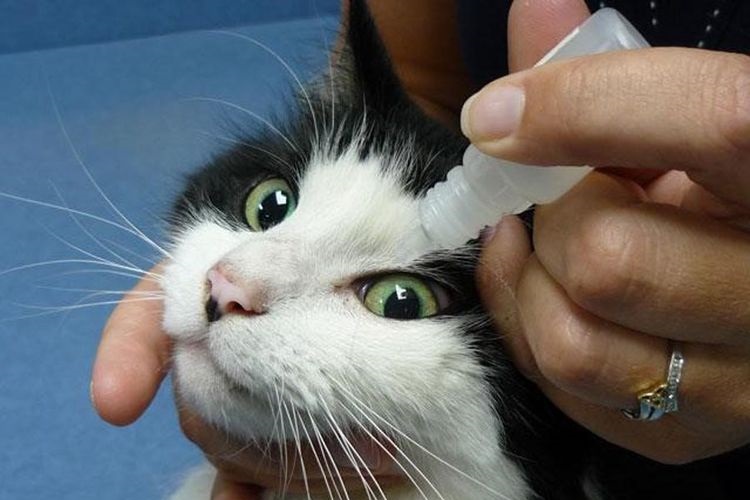
You'll need cotton swabs and a special lotion. If you don't have any, you can use cooled boiled water.
Treatment at home
As mentioned earlier, if a kitten has purulent eyes, it should be taken to the clinic. If the vet doesn't find any serious problems, the animal can be treated at home. For this purpose, chamomile and calendula infusions can be used as eye rinses. Furacilin or Korneregel can also be used for eye irrigation, as they restore the cornea and relieve discomfort.
How to put eye drops in a kitten
A small pet must be handled carefully, and before washing a kitten's purulent eyes, you need to figure out how to hold the animal so as not to injure or frighten it.
Place the kitten on its back with its face facing upward. If the kitten's eyes don't open, soak the eyelids in chamomile tea or boiled water. Then, remove the pus before applying the drops.
On average, therapy lasts about a week, but much depends on the severity of the disease and its nature.
Remember, self-medication should only be used in isolated cases of purulent discharge. If the discharge is persistent and profuse, and there are other symptoms of a dangerous pathology, consult a specialist. For example, if a kitten has conjunctivitis, it should be tested for chlamydia. An examination is also necessary to determine the pet's tolerance to antibiotics.
Moreover, a veterinarian knows exactly what treatment to prescribe in each individual case, which significantly increases the chances of a successful resolution of the situation and, as a result, the kitten maintains full vision and health.
What to do if your eyes are festering due to a runny nose
If the kitten runny nose Just because your eyes are festering doesn't mean that's the end of it. After all, life-threatening illnesses like calicivirus and viral rhinotracheitis, which can be fatal for young people, begin with a runny nose. Therefore, timely diagnosis is crucial in this case.
A runny nose can also be caused by allergies or indicate bronchial asthma. Each individual situation requires a specific treatment approach, so diagnosis is a priority here too.
As soon as you notice your kitten's eyes and nose are running, consult a vet. Every animal is a unique individual, and if your neighbor's cat only shows mild symptoms after a runny nose, that doesn't mean yours will be fine. Also, remember that this is a kitten with a weakened immune system.
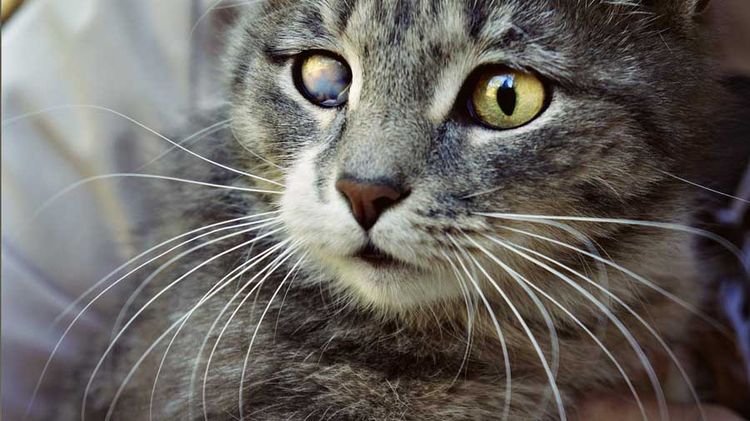
Purulent discharge associated with colds is treated with antibiotics, anti-inflammatory drugs, and immunomodulators. Preventive measures are especially important, including eliminating potential drafts and hypothermia.
Why do kittens have swollen, purulent eyes?
There may be several reasons for the described symptoms:
- allergy;
- chlamydia;
- mycoplasmosis;
- toxoplasmosis;
- calicivirus infection;
- herpesvirus infection, etc.
To determine the specific infection affecting your kitten, a PRC test will be required. Only after a diagnosis is confirmed can treatment begin. Factors such as the following should also be considered:
- time of last deworming;
- time of the animal’s last vaccination, type of vaccine;
- What additional vitamins were used to strengthen the body.
It's important to note that feeding a kitten economy-class food is not recommended. This applies to any product, whether wet or dry. Consuming these products has been shown to trigger gastrointestinal issues, leading to eye infections.
Prevention
Let's move on to preventative tips to help prevent eye infections in kittens:
- Take care of your baby's eyes. Get into the habit of rinsing and cleaning them once a week.
- Don't forget about protecting your animal - vaccinations and deworming.
- Avoid the presence of external parasites: fleas and ticks.
- Add vitamins and beneficial mineral supplements to your pet's food.
- Take care of the kitten.
As you can see, these are simple recommendations accessible to any pet owner. Despite their apparent simplicity, following these recommendations will not only help relieve your kitten's purulent eyes but also maintain their overall health for years to come.
You can also ask our website's staff veterinarian a question, who will answer them as quickly as possible in the comments box below.
Read also:


42 comments
Vitaly
Newborn kittens are three weeks old, their eyes are festering and won't open. And they're running a snot...
Daria is a veterinarian
Hello! Was the kittens' mother vaccinated? Does she go outside? Are there any other animals around? I suspect the kittens have a viral infection, especially if the mother wasn't vaccinated against them. There's a very high risk that the kittens will die without specific treatment, including serums containing ready-made antibodies to viral diseases and strong antibiotics to prevent the development of secondary pathogenic bacteria, which would kill them even faster if they were infected with a viral disease. You'll need to clean their eyes and nose and remove any discharge to ease breathing. Unfortunately, a visit to the veterinarian is essential.
Karina
Hello, I have a 4 month old kitten, everything was fine, and then I woke up and one of his eyes was half swollen with some kind of white film and swollen, so I got scared and decided to go to the vet, I won him over, then I look and EVERYTHING is gone, well, I also washed the eyes with water and EVERYTHING was great, even the redness went away, and then he wakes up on the second day and the eye is swollen again, and you can barely see that the second one is starting ... Please help, because just an examination here costs a lot of money ... I can email you a photo of the kitten
Daria is a veterinarian
Hello! I'm sorry, but I'm not a fortune teller. I don't make diagnoses based on photos or remotely (the risk of error is too high). But if swelling appears and disappears so suddenly, you need to look at where and how the kitten sleeps. Rule out an allergic reaction. Is there any discharge from the eyes? Has it been vaccinated? Dewormed? What exactly are you feeding it? Where does it sleep?
Elena
Hello! We picked up a kitten from the street. We dewormed it. The kitten's eyes were oozing pus. We took it to the vet. He prescribed drops. We started a course of treatment. At first, there was some improvement, but then it all started all over again. What could it be?
Daria is a veterinarian
Hello! In addition to eye drops alone, intramuscular antibiotic injections are essential. This also rules out a viral infection (very common in "foster rats"). Antiviral medications should be administered (there are even special nose and eye drops). The animal needs to be treated not only locally, but also comprehensively. Eye drops only kill the infection in the eyes, while intramuscular injections kill it throughout the body. Conjunctivitis is most likely a secondary condition (a symptom of another, more serious one), so the underlying condition should be addressed, and then the conjunctivitis will go away.
Sveta
My cat gave birth to seven kittens for the first time, and only one survived. The kitten has an eye problem; he can't open them on his own. I wash them with tea or water throughout the day. By the morning, they're closed again due to pus, and the pus is thick and profuse, and the eyelids and eyes themselves are red. I can't take the kitten to the vet; we live in the countryside and expensive medications and veterinary care are out of our reach. Could you recommend the cheapest way to help the kitten?
Daria is a veterinarian
Hello! Well, in any case, you need to examine the kitten. It's too dangerous to suggest medications "by eye," forgive me. If this trial and error method doesn't help, it'll be all over again. How old is the kitten? It's completely unclear. Perhaps you poked at its eyes before they opened, introducing an infection. A simple solution is chamomile tea, from the outer corner to the inner corner (but an aqueous solution of furacilin is better, it's an excellent antiseptic). Tobramycin-based drops. Drops like Anandin, Maxidin, Fosprenil, and others are also good (but they're definitely not cheap). The mother is clearly not vaccinated. Since she lives in the countryside, she's probably free-range, with plenty of other strays who could be sick. A kitten without immunity could have contracted a viral infection from the same mother (who had contact with sick animals). Then, without timely help, the animal will die.
Marina
Hello. My kitten is 19 days old and has had purulent discharge for three days. I'm rinsing it with boiled, warm water and chamomile tea. How should I treat it? Or should I take it to the vet?
Daria is a veterinarian
Hello! Do you have a single kitten or several? Have their eyes opened, or are they still unable to open properly? It's best to wipe them with a furacilin solution; it's an excellent antiseptic and safe. Ideally, you should take them to the vet to rule out an infection (such as a viral infection, to which such kittens are susceptible). They may prescribe an antibiotic (such as amoxicillin, Baytril, or a latest-generation cephalosporin), antivirals (interferons, or nasal drops such as Maxidin, Anandin, and others), and eye drops may be necessary. An examination is necessary to determine the severity of the illness.
Sofia
Hello. My 3-month-old Don Sphynx kitten's eye started to become very purulent. Iris drops, eye washes, and Enterosgel were prescribed (thought it was an allergy). Later, both eyes started to become purulent. A general blood test showed elevated white blood cells and soybeans. The kitten is sneezing constantly, the purulent discharge from the eyes has decreased significantly, and he is cheerful and playful. What could this be? What tests should I have? The kitten has been dewormed.
Daria is a veterinarian
Hello! It appears the kitten hasn't been vaccinated. Ideally, you should have it tested for infectious diseases (specifically, infectious rhinotracheitis) to rule out chlamydia and mycoplasmosis. Antibiotics are absolutely necessary. Enterosgel isn't an antihistamine, so giving it alone for allergies is pointless. Specific medications are also needed. In your case, antibiotic drops, antiviral medication, and immunostimulants are needed.
Lena
I also want to add that we were tested for major infections and nothing was found.
Lena
Good evening. My kitten was diagnosed with conjunctivitis (one eye was red). We were prescribed metronidazole and Tobrex and Floxal eye drops three times a day for 10 days. After seven days, everything was fine, but we continued the drops as prescribed. When we stopped, the kitten's eye developed a pus-filled lesion (there had been no pus before). We can't see the vet for four days. How bad is it? I read that the drops shouldn't be used for long periods of time. Can we rinse with tea until we can see the vet?
Daria is a veterinarian
Hello! Did you rinse your eyes with metronidazole? It would have been better to give antibiotics in pill form or intramuscular injections; that way, they would have accumulated in the body and eliminated the entire infection. As it is, the treatment is only topical. Perhaps conjunctivitis is not the primary (underlying) disease, but a symptom. That's why it returned as soon as treatment was stopped, without eliminating the underlying cause. You shouldn't rinse with tea; it's better to use a chamomile decoction, or even better, a sterile furacilin solution (you can always find it cheap at the pharmacy, and it's an excellent antiseptic). Wipe from the outer corner of the eye to the inner corner 3-4 times a day.
Lena
Thank you very much for your reply. Metronidazole was prescribed, so we used the IVs. I rinsed with chamomile tea. It's gotten better. Thank you.
Daria is a veterinarian
Well, Metronidazole is a strong antimicrobial, prescribed when the specific microorganism at issue is unknown (it also works against protozoa). It would be a good idea to rule out fungi/yeast at the first appointment. However, you should still see your vet again, either to adjust the treatment or prescribe a new one, and conduct further examinations. And may your pet get well soon!
Svetlana
Hello, I adopted a kitten from the clinic, one of its eyes was infected, the doctor told me to give the antibiotic chemomycin azithromycin once a day at 0.5 and tetracycline ointment 4 times a day, today is the fifth day of antibiotics but nothing has changed, the kitten began to sneeze frequently, what should I do, there is no way to go to the doctor
Daria is a veterinarian
Hello! You need to find a way to see a doctor. The treatment needs to be changed, not just by replacing the antibiotic, but also by adding antivirals, immunostimulants/modulators, and vitamins. Vibrocil nasal drops can be used. If azithromycin hasn't helped within five days, then the antibiotic is clearly not working. By the third day, your pet should have improved and begun to feel better.
Elena
My cat has two kittens, they're a month old. About a week ago, one eye started to get pus, then the other. Now they're swollen and watery. The kittens each have pus in one eye. We live in a private house, and the kittens are in an outbuilding and in the kitchen, where there are sometimes drafts—it's hot in the summer. I don't know if it's because of the drafts, or maybe the cat has worms. I gave her Coneverm, but she still hasn't eaten it. She also has fleas, and we can't get rid of them. We live in a private house. What should I do? I feel sorry for the kittens and the cat.
Dasha is a veterinarian
Hello! Call a veterinarian to your home to examine the kittens and the cat, assess the severity of the situation, and determine if it's serious. The eyes need to be cleaned, antibiotic drops (at least tobramycin-based), and Solcoseryl gel should be used. Viurocil antiviral nasal drops may also be needed. Ribotan should be given intramuscularly to boost the immune system. Intestinal parasites will prevent purulent conjunctivitis.
Tatiana
Hello, my cat (a Persian Chinchilla) gave birth to three kittens two weeks ago. Two of them started having discharge from their eyes three days ago. I started cleaning them with "Teardrop" lotion. One of the kittens' eyes cleared up right away, but the other one is still stuck together. The other kitten's eyes are still stuck together. What else can I do to help them? The mother also has discharge from her eyes, but it's normal for this breed. I'm still cleaning her eyes with the same "Teardrop" lotion. Thank you in advance for your advice.
Dasha is a veterinarian
Hello! Wipe the eye with a sterile aqueous solution of furacilin several times a day. Put a few drops of Ciprovet or Tobradex (there are many similar options, some more expensive, others cheaper) into the eye. You can also use Solcoseryl gel. But it's best to get examined to rule out viral and bacterial infections.
Tatiana
Thank you so much, I've been using Ciprolet drops for two days now, and the results are amazing! My eyes are almost completely clear, and the pus has completely disappeared. Previously, when I rinsed my eyes, a yellowish pus would come out after the pus had cleared up! Thanks again for the prompt advice; it's hard to get to the vet while I'm at the dacha.
Ilya
Hello, I have a question about my kitten, he is only three weeks old. He had purulent discharge and now one eye has cleared up and the other is very swollen. How can I treat it?
Dasha is a veterinarian
Hello! Your pet needs a checkup. Tests and swabs should be submitted. PCR and bacterial cultures should be performed. Rule out bacterial and viral infections. The simplest approach is to wipe the eyes with a sterile aqueous solution of furacilin, use Ciprovet or Tobradex eye drops (or similar), Solcoseryl eye gel, Vibrocil nasal drops, intramuscular antibiotics, and medications to support the liver and stomach (as antibiotics will be used). However, it's best to have a doctor choose the appropriate treatment plan based on the test results.
Anna
Hello, my cat gave birth to three kittens. Everything was fine, but between days 17 and 22, the eyes of one kitten, then the second, started to ooze heavily. The third kitten hasn't shown any signs of anything yet. The first kitten's nose is also stuck, like it has a runny nose, and he's breathing through his mouth. We live in a village far from the city, and there's no vet available! How can we save the kittens? Thank you!
Dasha is a veterinarian
Hello! Wasn't the cat vaccinated? It's quite possible the kittens have infectious rhinotracheitis, and you won't be able to manage this without a veterinarian. There could also be some other infectious disease (as you understand, it's impossible to diagnose by sight). In any case, simply wiping with tea leaves won't save the situation. Antiviral medications and antibiotics are needed. Sick kittens, as well as healthy kittens and the mother, should be given Ribotan or Immunofan (as an immunostimulant), antibiotics based on weight, and Tobradex eye drops (2 drops in each eye twice daily for up to 10 days), but before applying the drops, wipe the eyes with chamomile infusion or a sterile furacilin solution. Vibrocil nose drops should be used (one drop in each nostril 2-3 times daily for up to 12 days). This is the bare minimum you can do.
Alexandra
Hello. My kitten is 1.5 months old. One eye is slightly draining, but the other is severely so. The eye is inflamed and swollen. Besides the pus, it's also watering. We've used tetracycline ointment twice, but haven't used it again. Both eyes are stuck together, so we're wiping them with boiled water. Unfortunately, we can't get to the vet right now. What can we do? Also, is deworming recommended at this age? Thanks in advance!
Dasha is a veterinarian
Hello! Ideally, your pet should be examined by a veterinarian and tested. It's important to rule out an infectious disease. It's best to wipe with a sterile solution of furacilin or dioxidine—excellent antiseptics, and most importantly, effective and inexpensive. It's better to use eye drops rather than smears. Ciprovet, Lacrikan, or Tobradex drops are suitable. Vibrocil nasal drops are also a good option (they're good for infectious conjunctivitis). Solcoseryl eye gel can be added. To boost the immune system, administer Ribotan or Immunofan injections. Intramuscular antibiotic injections may be necessary.
At this age, you can already treat your baby for parasites. There are "gentle" anthelmintics that can be given from 6 weeks.
Khalil
Can kittens be given Levomycetin? (0.25%)
Dasha is a veterinarian
Hello! Did you decide to use chloramphenicol drops yourself, or was it prescribed by a veterinarian? This medication is not contraindicated for cats, but it should be used with caution. What age are the kittens? For example, a month-old kitten should be given it with caution (if absolutely necessary), but a 6-7-month-old kitten can safely use it drop by drop (unless there's hypersensitivity to the active ingredient). Perhaps different drops are needed? Ideally, consult with a veterinarian in person so they can examine the kitten.
Lisa
Hello, my two kittens have pus in their eyes. I don’t know what to do. We took them from the street and felt sorry for them. Can we put tetracycline ointment in their eyes or just rinse them with furacilin?
Dasha is a veterinarian
Hello! It's best to take the kittens to a veterinarian. It's important to rule out an infectious disease. Without specific treatment, this will only be symptomatic therapy (elimination of clinical signs, but once you stop the medications, everything will return, since the underlying cause of the disease remains). I can only recommend Ribotan or Immunofan 0.3 ml intramuscularly once a day (a course of up to a week), Lacrikan/Tsiprovet/Tobradex eye drops, 2 drops in each eye 3 times a day (for 10-12 days), and Solcoseryl eye gel 2-3 times a day (wait at least 20 minutes after applying the drops). Do not use tetracycline ointment. However, this is only an eye treatment; a full examination of the animal is necessary. Intramuscular antibiotic injections may also be required, and other additional treatments may be necessary. It is extremely difficult to prescribe a complete treatment regimen without an in-person examination.
Natalia
Hello! My kittens are 2 weeks old and their eyes are oozing and they barely open them. How can I treat them?
Dasha is a veterinarian
Hello! Call a veterinarian to your home; you don't want to drag such tiny creatures across town. They need to be examined to rule out an infectious disease. The easiest way is to wipe their eyes with a chamomile infusion or decoction (filtered, of course). This will only help relieve the inflammation a little, but it won't cure the infection. We need to determine the cause of the infection and choose the right medication. It's not a guess; a diagnosis is essential.
Natalia
Hello. When we got our kitten, one of his eyes was swollen and a different color. One eye was blue, the other gray. The gray eye was swollen and had a film on it. We started him on levomycetin drops, and the swelling went down, but the film didn't. Then we started on Maxitrol. We used the drops for a week, and a few days later, the eye swelled up again and became infected. What should we do?
Dasha is a veterinarian
Hello! Your pet needs to be taken to a veterinary clinic for a preliminary and final diagnosis (PCR testing is ideal to rule out or confirm a specific infection). There are many treatment options for purulent conjunctivitis, depending on the underlying cause.
1. Ciprovet drops, Solcoseryl eye gel, Serrata, Loratadine, Immunofan, Fosprenil, Sumamed
2. ribotan, macropen, ciprinol, serrata, liarsin, katosal, nucleopeptide, lipoton, tobradex drops.
Dosages depend on the animal's weight, and the course of treatment depends on the severity of the disease. If the animal has an infection, specific treatment is necessary. While you've only used drops, this is a targeted treatment, a systemic approach is necessary. Otherwise, you'll be "washing away" the symptoms, and the disease will become chronic (although it probably already is).
Hope
Hello, I have a 6-month-old kitten. One of his left eyes is festering, collecting in a bag under the eye, an inflammation is visible as a bump, when the pus accumulates, it flows out and sometimes sneezes. We treated him with tetracycline ointment, but it didn't help. He has a good appetite, runs and plays when he's in the mood. Please tell me what to do, we don't have any veterinarians.
Dasha is a veterinarian
Hello! I suspect the kitten hasn't been vaccinated. How long has this condition been going on? Since only one eye is affected, I'd venture to assume it's not infectious (though I wouldn't rule it out entirely). It could be either chronic purulent conjunctivitis or blocked tear ducts (pus appears due to infection getting into the gland's duct, but blockage creates an ideal environment for bacteria to thrive). A comprehensive approach to treatment is necessary. So let's start with at least: how long has this been going on? How often has it been going on? Have you noticed a pattern? Maybe after colds or walks? Are there any injuries to the eye (does it itch)? Where exactly is the bump: under the eye itself, in the tear duct (the inner corner of the eye, where the bump is small, where we get "styes"), the lower eyelid itself, or somewhere else? A more precise description of the location would be helpful. And tetracycline ointment shouldn't be used too often or for too long.
Elena
Hello, I bought a kitten at the market three weeks ago; he was a month old. We've been treating him with antibiotics, glucose, and immunostimulants ever since. He was recently dewormed, and his eyes started to drain pus, and he's sneezing. The vet diagnosed him with gastroenterocolitis. While we're giving him injections, he's feeling better, but then his condition gets worse again. Please advise me, as I don't have the money for a vet visit right now. He's also having purulent discharge from his eyes.
Dasha is a veterinarian
Hello! What specific medications were prescribed (I'm interested in the names)? More specifically, what injections are improving your pet's condition? The symptoms are more consistent with infectious rhinotracheitis, although a more detailed examination and additional testing are necessary. In this case, in addition to antibiotics, antiviral medications and specific serums with ready-made antibodies are also needed. What other symptoms does your pet have? What are you feeding them? What eye drops and eye drops are you using? Please describe the medications administered, the dose, and the course of treatment. A treatment regimen may need to be adjusted.
Add a comment