
My kitten has a big belly: why and what to do
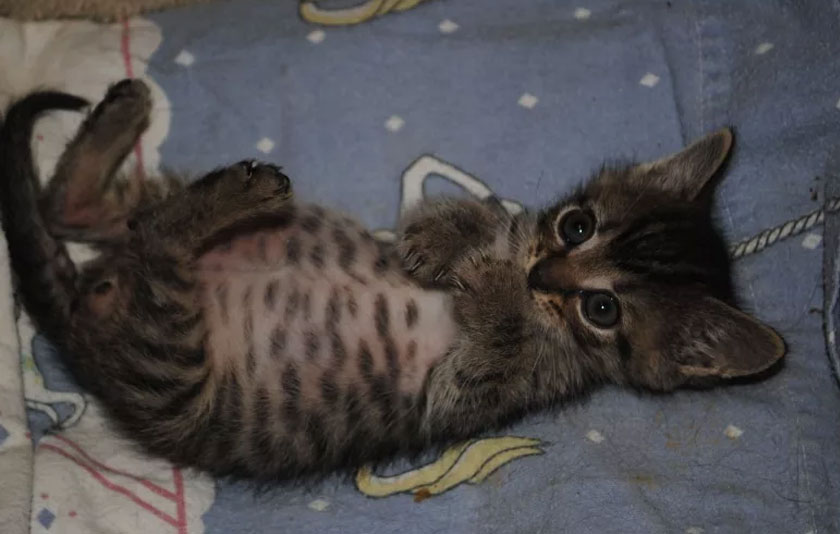
A healthy kitten's tummy is soft and doesn't protrude. After feeding, it expands slightly, appearing to swell, but returns to normal after defecation. If the tummy is consistently large, hard, and doesn't go down, there's cause for concern, as this condition signals underlying problems. To understand what to do and what steps to take, it's important to understand the cause of this condition.
Content
Bloating in kittens – should you be concerned?
Until your little one gains muscle mass, their belly will appear bloated, with their sides sticking out slightly. Once their muscles strengthen, which happens around three months, their belly will tighten and "go away."
There is no danger if:
- after using the toilet the stomach sags;
- eats well, with appetite;
- goes to the toilet regularly (1-2 times a day);
- the abdomen is soft and painless upon palpation;
- vomiting, diarrhea, belching, indigestion are absent.
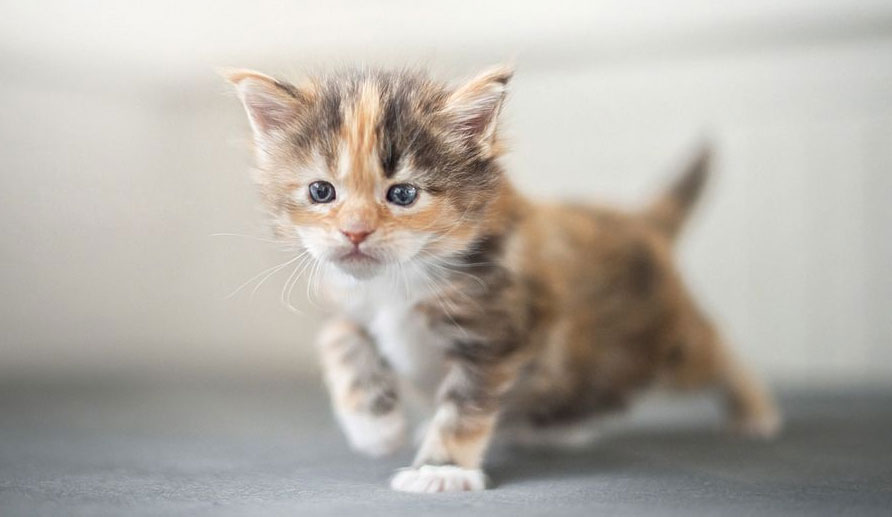
Note! In long-haired and large breeds, changes in abdominal size are not always visually noticeable, so palpation is performed to determine the cause of the pet's discomfort.
Warning signs:
- the belly is not only large, but also very hard, as the abdominal wall is tense due to the pressure of accumulated gases, fluid or enlarged organs;
- pain even with light pressure from fingers;
- when standing on its hind legs (holding it by the front legs), the abdomen becomes pear-shaped - this means that there is fluid in it that has shifted downwards (this picture is typical for ascites);
- digestive disorders manifested by vomiting, diarrhea, flatulence;
- constipation;
- presence of helminths in feces;
- poor appetite, weight loss;
- he eats a lot, but is thin;
- shortness of breath even with little exertion;
- lethargy, reluctance to play.
The presence of such symptoms indicates problems with the functioning of internal organs, and it is necessary to understand the factors that provoked them.
Possible causes of bloating
A kitten's belly can swell for a variety of reasons. It could be as simple as overeating, which the owner can easily manage at home, or it could be a serious illness requiring veterinary attention.
Note! Triggering factors can be divided into physiological and pathological. Physiological triggers include those caused by biological factors, habits, body characteristics, and age, while pathological triggers are those caused by a disease.
Incorrectly selected diet, overeating
A young kitten, due to its age, cannot control its appetite and eats more than its body requires. The stomach stretches due to the large volume of food, causing bloating. Food should be chopped up (swallowing large pieces will cause air to enter the stomach) and fed in small portions, with the frequency adjusted according to age.
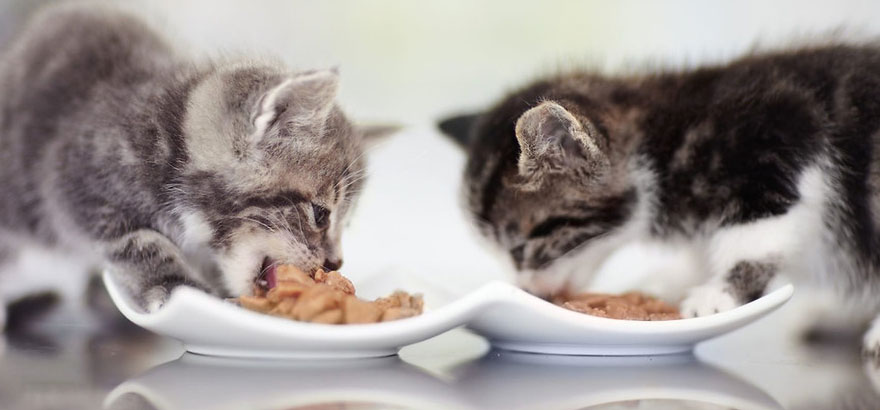
If your diet is left unchecked, constant overeating can lead to obesity, which can ultimately lead to problems with the gastrointestinal tract, cardiovascular system, and hormonal imbalances.
Symptoms:
- bloating;
- flatulence;
- frequent constipation;
- fermentation and rumbling in the stomach due to poor digestion.
A similar situation occurs when a kitten is given food that is "inappropriate for its age," when the food is of poor quality or nutritionally unbalanced, or when its diet is changed. Young animals have difficulty digesting fatty, fried, sweet, salty, coarse foods, bread, and raw eggs.
Constipation
One of the most common gastrointestinal problems in kittens is constipation (absence of bowel movements for two or more days), accompanied by bloating. The stool is hard, dry, and sometimes bloody due to frequent straining. The kitten is restless when pooping, meows, and has colic and abdominal pain.
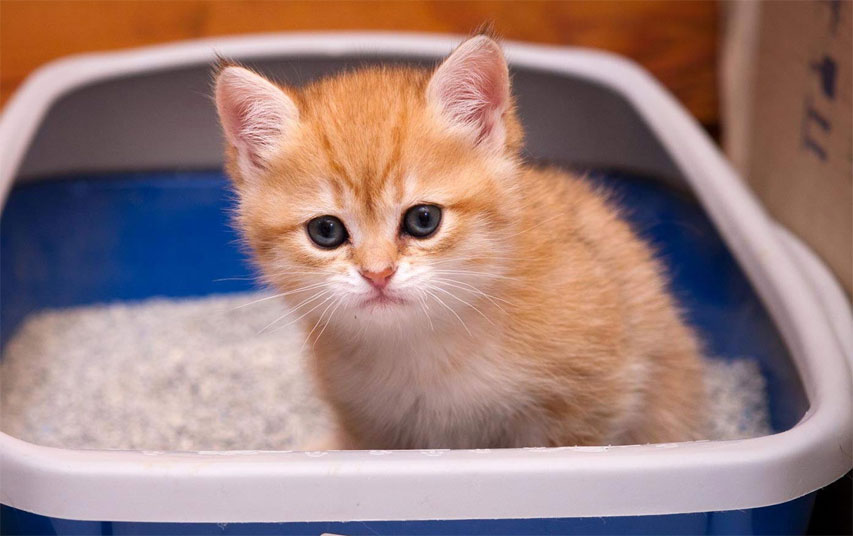
Causes of constipation:
- transition to industrial feed, change of diet;
- stress associated with separation from mother, change of residence;
- entry of a foreign body into the intestines;
- low fiber in food;
- helminthic invasion;
- insufficient amount of fluid;
- chemical poisoning;
- taking medications;
- hormonal disorders, gastrointestinal diseases, oncology.
Constipation is not a disease in itself, but a symptom of an underlying illness or malfunction. If the cause is not identified, the consequences for a growing child can be serious.
Flatulence
During digestion, kittens and adult cats produce gas in their intestines. A healthy adult produces about 1 liter of gas per day; kittens produce less. Sometimes, for various reasons, gas passage is obstructed, and it accumulates in the intestines, causing bloating.
Reasons:
- swallowing air when eating food quickly, when the pieces are large;
- diseases of the gastrointestinal tract, cardiovascular system;
- obstruction of nasal breathing due to a runny nose;
- poor quality feed;
- foods that cause fermentation in the intestines (bread products, sweets, dairy products).
The pet is restless, meows, has a swollen belly, painful to the touch, and sometimes vomits and has diarrhea.
Helminthic infestation (helminthiasis)
Parasite infestation This can occur when a kitten comes into contact with a cat or other pets, or through the owner's dirty shoes, etc. Once in a favorable environment, the worms begin to multiply rapidly, filling the intestinal cavity and stomach, which grow less rapidly.
The parasites will require more and more space, while their "host"'s resources are limited. The abdomen stretches, swells, and becomes round.
Symptoms:
- gagging, vomiting;
- alternating diarrhea and constipation;
- the anal area is constantly itchy (the kitten crawls on its bottom);
- dull coat;
- eye discharge;
- lethargy, apathy;
- poor appetite or, on the contrary, increased;
- If the infection is severe, particles of dead parasites will be visible in the stool.
Worms, by excreting waste products, poison the fragile body, and if left untreated, the intoxication will eventually affect the functioning of internal organs. Furthermore, they damage the intestinal walls and mucous membranes, thereby opening the way for other infections.
Internal pathologies
Internal organ dysfunction in kittens and cats manifests itself in various ways. One common symptom is bloating.
What pathologies can cause the abdomen to be bloated?
- Ascites (abdominal dropsy) – the presence of fluid in the abdominal cavity. Other symptoms include difficulty breathing, abdominal pain, gastrointestinal disturbances, rumbling, and gurgling in the intestines. Ascites can develop with diabetes, obesity, and problems with the kidneys, liver, and heart.
- Diseases of the liver, pancreas (for example, cholecystitis, cirrhosis, hepatitis, pancreatitis). Symptoms: dark urine, yellowish mucus, poor appetite, diarrhea, vomiting, flatulence, thirst, lethargy, apathy, pain in the liver and pancreas.
- Infectious peritonitisThe main symptom is a large, hard abdomen. Other symptoms include diarrhea, vomiting, lethargy, poor appetite, enlarged lymph nodes, fever, elevated temperature, and possible urinary incontinence.
- Protein metabolism disorder. Due to protein deficiency, blood vessel permeability increases, resulting in fluid accumulation in the abdominal cavity.
- ICD (urolithiasis)When there are numerous stones, urine does not pass and accumulates in the bladder. If prompt treatment is not provided, the bladder may rupture.
- Malignant and benign tumors. When a tumor is localized within an organ, its volume increases, and the pet's abdomen begins to bulge, appearing disproportionately large. Some types of tumors are characterized by the accumulation of exudative fluid in the abdominal cavity, leading to abdominal distension.
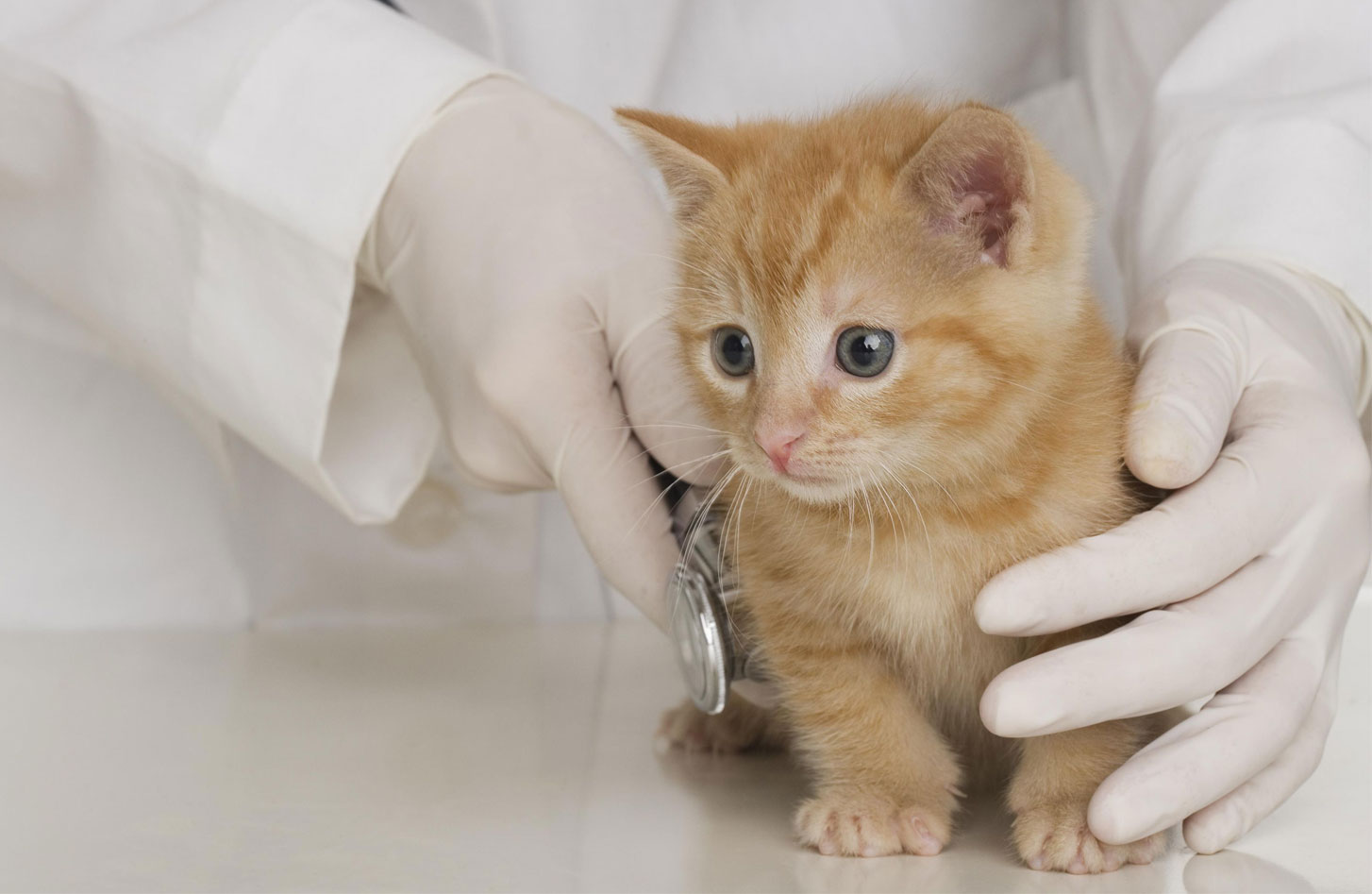
If you suspect a serious condition, you should immediately contact a veterinarian, as a positive outcome will depend on a quick diagnosis and timely treatment.
In some cases, a survey and examination are sufficient, while in other cases, further testing may be required. Treatment is individualized for each patient and depends on age and the severity of the condition.
Veterinarian's advice
Read also:
- Concussion in Cats: Symptoms and Treatment
- Hernia in kittens: causes and treatment
- Cat Diseases: Symptoms Table


Add a comment