
My cat has lost its voice: reasons and what to do
Let's explore the causes of a cat's sudden loss of voice. If your cat has stopped meowing or lost its voice, you should immediately take it to a veterinary clinic for an examination. Only after a comprehensive diagnosis can we determine the cause and provide qualified care. Treatment sometimes requires surgery and hospitalization. When treating at home, it's important to follow your doctor's recommendations for medication, keep the eyes and nose clear of mucus, and ensure comfort.
Content
Main reasons
If your cat has stopped purring or meowing, you should pay attention to the accompanying symptoms. A detailed description of the clinical picture will help your veterinarian choose an effective treatment. There are several reasons why a pet may lose its voice:
- viral and bacterial infections;
- benign and malignant tumors;
- trauma, including thermal or chemical burn;
- psychological.
In any case, a sudden loss of voice or a hoarse sound is not normal and requires a consultation with a veterinarian. The exception is pets that are naturally practically incapable of "speaking," such as Maine Coons, Ragamuffins, Pixie-bobs, Ragdolls, Scottish Folds, and Persians.
Infections
Fungi, pathogenic bacteria, and viruses often initially colonize the head area, damaging the vocal cords and muscle tissue. This causes the cat's meow to become hoarse or absent. What illnesses can cause a cat to lose its voice?
|
Disease |
Main symptoms |
Features of the course, prognosis |
|
Chlamydia |
Watery eyes, nasal discharge, sneezing, fever, cough, hoarseness |
It primarily affects the gastrointestinal tract, reproductive organs, and eyes. Miscarriage and subsequent infertility are possible. |
|
Herpes |
Inflammation of the eye membranes, closure of the eyelids, severe lacrimation, discharge from the nostrils, sneezing, coughing |
Without assistance, an adult often loses its sense of smell and voice, and a kitten may become blind. |
|
Calicivirus |
Ulcerative lesions on the mucous membranes of the mouth and throat, inflammation of the inner part of the eyelids, sneezing, coughing, fever, lameness |
An untreated infection leads to rapid systemic damage to internal organs with severe swelling. The risk of pneumonia and death is high. |
|
Mycoplasmosis |
Microorganisms can exist in a cat's body without causing any harm. However, due to a weakened immune system, the pet suddenly begins breathing heavily, wheezing, sneezing, and coughing. |
The disease can lead to infertility and lameness. It often develops against the background of herpes, calicivirus, and chlamydia. |
An animal may stop meowing if it has a severe parasite infestation, causing significant toxic releases. Vomiting, lethargy, loss of appetite, and temporary loss of voice are sometimes observed after deworming.
Neoplasms
The reason why your pet has become hoarse may be a benign or malignant tumor:
- the structure of lymphoid tissue changes;
- polyps appear in the nasopharynx and auricles;
- occasionally a papilloma grows, which can transform into carcinoma;
- Squamous cell carcinoma of the oral cavity and larynx is diagnosed.
Even benign tumors lead to tissue proliferation, often compressing the airway and atrophying the masticatory muscles. As a result, the animal loses appetite, rapidly loses weight, and is unable to swallow properly.
The malignant process is accompanied by bleeding from the mouth, frequent vomiting, and sometimes coughing. Removal of a benign tumor leads to recovery. Cancer progresses rapidly, with symptoms usually appearing in the final stages, when the pet's life can only be extended by a few months.
Trauma
If a cat's voice has become hoarse, a foreign object—bird feathers, small bones, beads, or needles—may be lodged in the respiratory tract. The animal will vomit, bleeding from the mouth, and labored breathing are likely. Mechanical injury is possible with prolonged and intense screaming. Typically, vocal cord-tearing screams are emitted in anticipation of a fight with a neighbor or during the mating season.
In Russia, owners who cannot stand a cat's meowing can resort to surgery to have their animal's vocal cords removed. After this procedure, which is controversial from a humane standpoint, the voice disappears completely.
In the case of a thermal burn, hoarseness may be accompanied by vomiting, restlessness, and fever. The pet's tongue may hurt and they may be unable to eat or drink. Severe tissue inflammation can lead to purulent processes, necessitating amputation of the affected tissue.
Chemical burns or poisoning occur when an animal eats a poisonous plant, such as begonia, milkweed, dracaena, or cyclamen. Gastrointestinal irritation can also be caused by tobacco smoke, dust, and the use of household or construction chemicals. An animal with chemical poisoning will refuse food, vomit, and suffer from diarrhea.
Psychology
Cats are highly emotional animals and, if they feel uncomfortable or offended, may refuse to engage in conversations with their owners. This behavior is often observed under the following circumstances:
- rough treatment;
- change of feed;
- moving;
- obsessive games and caresses;
- a person's long absence.
Bringing your pet back to normal is easy, but with more sensitivity. When the neurotic condition progresses, a consultation with a veterinary psychologist is necessary.
What to do if your cat is hoarse
After a visual examination and description of the clinical picture, the doctor may prescribe:
- analysis of blood composition and coagulation;
- stool tests to detect helminth eggs;
- test to detect the infectious agent;
- MRI, endoscopy, CT to detect inflammatory and malignant processes, traces of cutting;
- X-ray of the neck and head area to detect the consequences of injuries and foreign objects.
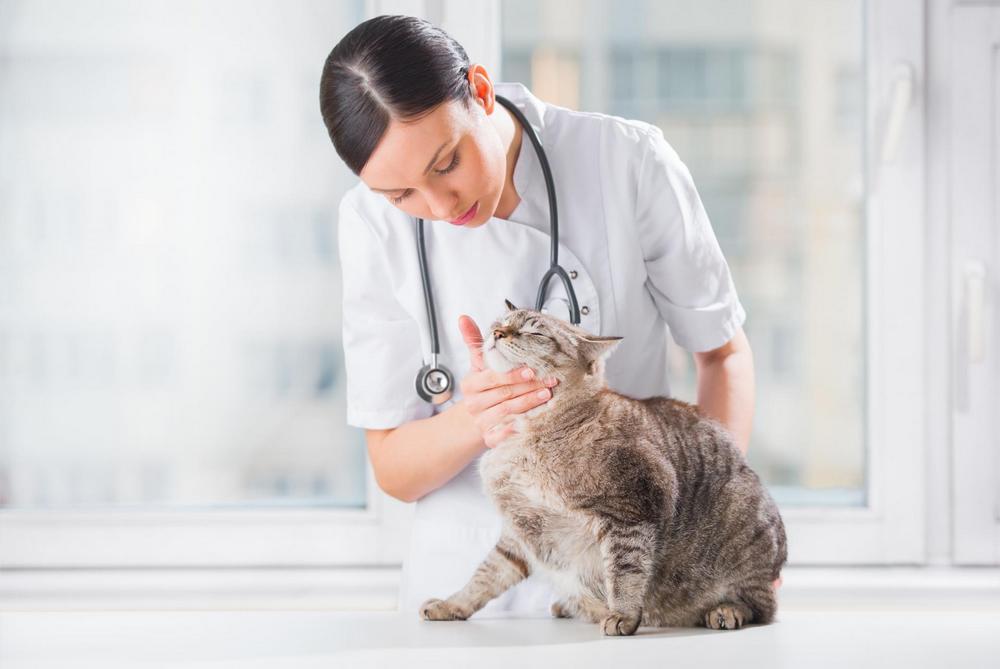
Treatment depends on the problem:
- a course of anti-inflammatory, antiseptic, antiviral or antimicrobial drugs is prescribed;
- foreign objects are removed under anesthesia;
- in case of a thermal burn, the wound is treated with antiseptics, dead tissue is excised, and enterosorbents are prescribed;
- in case of poisoning, the stomach is washed;
- If possible, neoplasms are removed and chemotherapy is used.
At home, try to alleviate the symptoms of the infection by rinsing the mouth and eyes with saline solution up to 12 times a day. To make the discharge more watery, humidify the air in the room by placing basins of water and hanging wet towels. Ensure comfort and offer the most flavorful foods if the cat is upset. Rinse the chemical burn site with cool running water using a hose.
It's advisable to seek immediate veterinary attention if your pet loses their voice or sounds hoarse. Attempting to administer first aid yourself can worsen the condition—for example, pushing a foreign object down the throat can easily damage the larynx. A veterinarian will accurately determine the cause of the hoarseness and prescribe the most effective course of treatment, possibly even performing surgery if necessary.
Read also:
- My cat is hiccupping: why and what to do
- My cat won't drink water: what to do
- What to do if a cat doesn't eat anything?


Add a comment