
My cat has a hot nose: what to do
One of the most common veterinary myths is that a cat's hot nose is a clear sign of illness. While many illnesses can cause the surface of the nostrils to dry out, this is usually a normal symptom. A responsible owner should be able to understand when it's time to see a veterinarian and when it's nothing to worry about.
Content
Physiological reasons
The temperature of a healthy cat's nose changes several times throughout the day. The tissue structure may also change slightly. Therefore, if you want to regularly palpate the muzzle for diagnostic purposes, it's best to do so twice a day (immediately after the animal wakes up and during periods of peak activity).
In professional veterinary medicine, the results of palpation alone are not sufficiently conclusive to make a definitive diagnosis.
There are several physiological reasons why a cat's nose might become hot:
- The animal has recently awakened. The wetness of the earlobe largely depends on how often the cat licks itself. While sleeping (and this is completely natural), it is unable to moisten the dry tissue with saliva. As a result, the local temperature may rise slightly.
- Sun exposure. Even a short walk outdoors in the sun will dry out your nose and cause a temporary increase in temperature.
- Exposure to excessively dry and hot air. During the winter months, pets often huddle near radiators to stay warm. If there's no humidifier in the apartment, it's likely that your cat's nose will become dry and hot.
Don't worry or try to help your pet if their behavior and general condition haven't changed. The nasal temperature and humidity will return on their own.
General scale and observation table
For home monitoring, it is convenient to use this approach:
| Situation | The nose is warm / hot | Additional features | What could this mean? |
|---|---|---|---|
| After games, heat/sun contact | + | No | Normal condition |
| The kitten has it after being awake | + | active, eating | Norm |
| The cat after a stressful situation | + | rapid breathing | Stress response |
| In a passive state, a lethargic cat | + | refusal to eat, drops, cough | Fever/infection possible |
| Against the background of a respiratory tract infection | + | sneezing, mucus, lethargy | A veterinarian consultation is required. |
| After vaccination or desensitization | warm | sometimes slight weakness | Normal post-vaccination reaction |
Pathological causes that can be treated at home
Excessive carelessness is far more dangerous than overzealousness, so it's better to seek veterinary help than to miss a serious problem. However, in some cases, the problem can be resolved at home; it's important to correctly identify the cause of the problem. To do this, pay close attention to accompanying symptoms.
Sunburn
An increase in the temperature of the earlobe is a completely normal consequence of a walk in the scorching sun. But if a cat's nose becomes not just hot but also red and flaky, it's likely sunburn. Pets with pink noses are especially sensitive to the sun's rays.
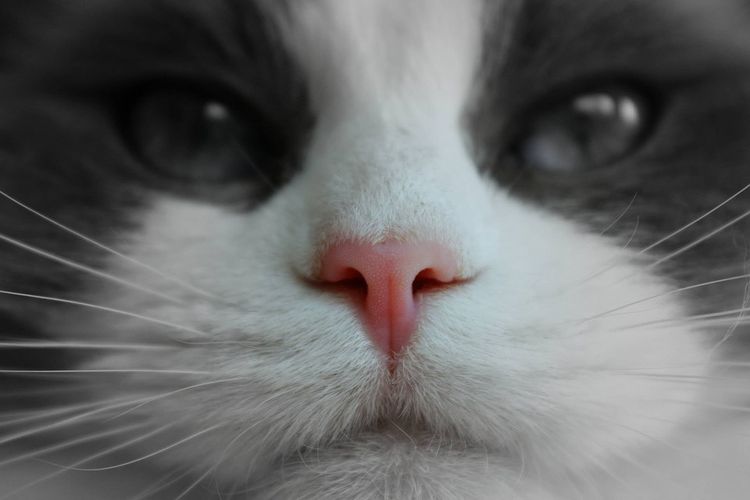
To eliminate burn You can use natural vegetable oil. If your pet reacts too aggressively to touching its muzzle, you can apply Vaseline or Panthenol to its nose (in this case, you'll need to hold its mouth for 5-6 minutes). However, if the problem persists, you should definitely consult a veterinarian. Otherwise, skin cancer may develop.
Contact allergy
A hot nose in a cat may be a sign of a mild allergic reaction. Associated symptoms include:
- a sharp change in the pigmentation of the earlobe (redness);
- sneezing;
- the appearance of a rash on the face.
This type allergies Typically occurs when exposed nasal tissues come into direct contact with chemicals or dyes. Cats are particularly sensitive to dishes made of low-quality plastic.
First, eliminate your pet's contact with the potential allergen; replace all plastic utensils with ceramic or glass ones. Apply a cool compress to the muzzle, and if symptoms are too painful, Suprastin can be used.
When to see a veterinarian
Classic symptoms that require a visit to the veterinarian:
-
Sudden lethargy, refusal to eat
-
Elevated temperature >39.5 °C
-
Nasal/eye discharge
-
Coughing, sneezing, difficulty breathing
-
Vomiting, diarrhea
Possible diseases:
-
Upper respiratory infections (URI)
-
Pancreatitis/stomach diseases
-
Hyperthyroidism (in older cats)
-
STIs + other systemic infections
Home treatment is unacceptable if the cat's nose is not only dry and hot, but also cracked and scabby. Delaying treatment is especially dangerous if the animal's behavior has changed, or if numerous accompanying symptoms have developed (vomiting, loss of appetite, diarrhea, or persistent drowsiness).
Respiratory diseases
If your pet begins sneezing constantly and has obvious difficulty breathing, this could be a sign of a respiratory infection. If dry patches are visible in the nasal passages, it's likely a tumor is developing. Self-diagnosis is impossible: an examination with a special endoscope and a cytological examination of the sinus contents will be required.
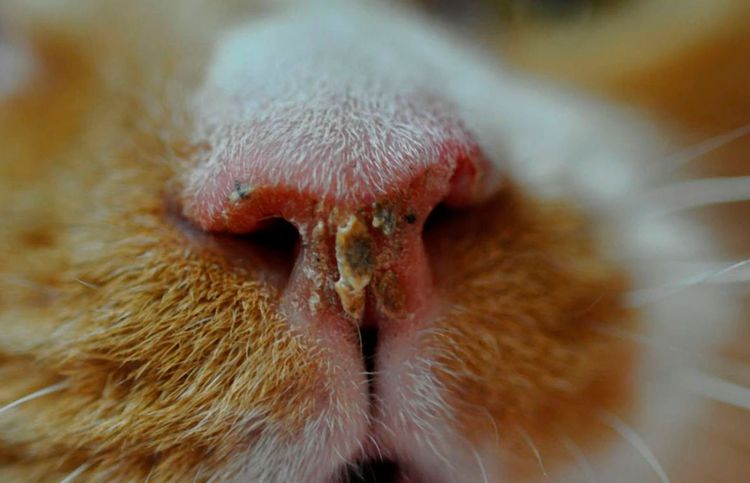
Before visiting the vet, you can only alleviate your pet's condition by providing your cat with plenty of water and maximizing the air humidity in the apartment.
Severe dehydration, fever
In most cases, dehydration itself is a sign of untreated, advanced illnesses. In addition to a dry, hot nose, you may notice:
- sunken eyes;
- dry gums;
- loss of skin elasticity;
- rapid breathing.
Sometimes the above symptoms may be accompanied by a fever. To accurately determine whether your cat has a fever, keep a special veterinary thermometer in your medicine cabinet. Read about what a cat's body temperature is on our website. is considered normal.
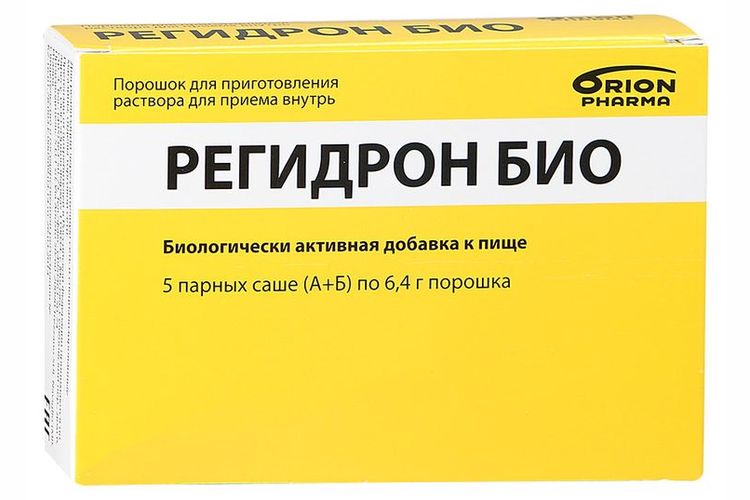
A veterinarian will determine the exact cause of the sudden increase in temperature and dehydration. Until a definitive diagnosis is made, administering any medications is inadvisable. Rehydration solutions (such as Hydrovit or Regidron) are the only recommended treatments.
If the symptoms are not clearly expressed, it is worth checking your pet's temperature with a rectal or ear thermometer.
Please note! For felines, a temperature of 38.5–39.2°C is considered absolutely normal.
You can also assess the viscosity of saliva (simply by opening the animal's mouth) and skin turgor. To determine if elasticity is reduced, simply lift the cat by the scruff of the neck and lower it to the floor. Normally, the resulting skin bump will disappear within a second. Although the results of the above-mentioned assessment methods are considered too subjective, any obvious deviations will prompt immediate veterinary attention.
Important! If your pet is unable to stand up and is breathing poorly, don't waste time on home diagnostics and initial rehydration. A trip to the veterinary clinic is necessary immediately.
Prevention and care
-
Regular monitoring.Measure the temperature 2-3 times a month in an adult cat, and more often in a kitten.
-
Nasal hygiene.Wipe with a soft damp cloth - dryness will cause a feeling of heat.
-
Control of conditions.Avoid overheating - at +28 °C the cat already begins to try to find coolness.
-
Chronic disease management.Especially in older cats, check T4, kidneys, and heart - they affect heat exchange.
-
Stress management.Music, Feliway, familiar smells - reduce temperature pulsation and psychological reactions.
Figuring out why a cat has a hot, dry nose can be quite difficult. Every owner should remember this important rule: any change in their pet's behavior should be cause for concern. If the cat is active and has a good appetite, however, a hot nose is just a normal occurrence.
You can also ask our website's staff veterinarian a question, who will answer them as quickly as possible in the comments box below.
Read also:


6 comments
Dasha
Hello, my cat has a warm nose and no appetite. What should I do?
Daria is a veterinarian
Hello!
We hope that the cat is already feeling great!
Always, and even in the article it is written that if a cat has a dry nose and there are other signs of illness, in your case it was a lack of appetite, this is a reason to see a doctor.
The very least you can do at home is to take your temperature.
Don't self-medicate at home. Entrust your pet's health to your veterinarian.
Good health to your little tail.
Anastasia
Good afternoon. My cat is very lazy, very gluttonous, and quite the character. She doesn't sleep often, but not infrequently either. I don't let her outside, but she likes to sit on the balcony. She's alone in the house and doesn't interact with other cats. This morning I noticed that she's very sleepy. She sleeps constantly. Her face is very hot, her ears are very warm. Her nose is dry. She doesn't get out of bed. She breathes very heavily. Everyone says this is normal, but I'm really scared. What should I do?
Daria is a veterinarian
Hello! Direct contact with a sick or recovered animal is not necessary to contract infectious diseases. You can be a factor in transmitting the pathogen (you, your shoes, clothes, or your hands). Take your pet's temperature and check for a fever. If your pet is breathing heavily, you should take it to the vet. It's important to rule out an inflammatory process. Starting treatment (and especially self-medication) without a diagnosis is extremely dangerous, as you could "mask" the symptoms without addressing the underlying cause.
Camila
Hello! I came home today, and my older brother was telling me how my younger brother bathed the kitten. He's been tormenting him a lot, actually. He's been breathing really strangely and making weird noises. He also burps occasionally. He usually runs around like crazy, but now he's lying there and won't get up. I'm trying to feed him, but he won't eat. His nose is wet, but warm. I have a feeling he's sick. I told my mom, but she didn't take it seriously. I'm scared, what should I do?
Daria is a veterinarian
Hello! I'd like to tell Mom about this again. The kitten could have swallowed water, which could have gotten into her lungs. This could cause pneumonia. The most likely cause is a cold (a wet kitten was taken out into a cool room). The kitten needs to be examined by a doctor. And the nose isn't an indicator. Your temperature needs to be taken.
Add a comment