
My cat's stomach is growling: causes and what to do
Have you noticed your cat, male cat, or kitten's stomach is constantly growling and are worried whether this symptom could be a sign of a dangerous illness? We'll explain the main causes of rumbling and gurgling sounds in a cat's stomach, when owners should be concerned, and what to do to determine if their pet is sick.
Content
The digestion process in cats
Cats are carnivores, so their gastrointestinal tract is ideally suited to digesting foods containing animal proteins, although fiber is also essential in the animal's diet.
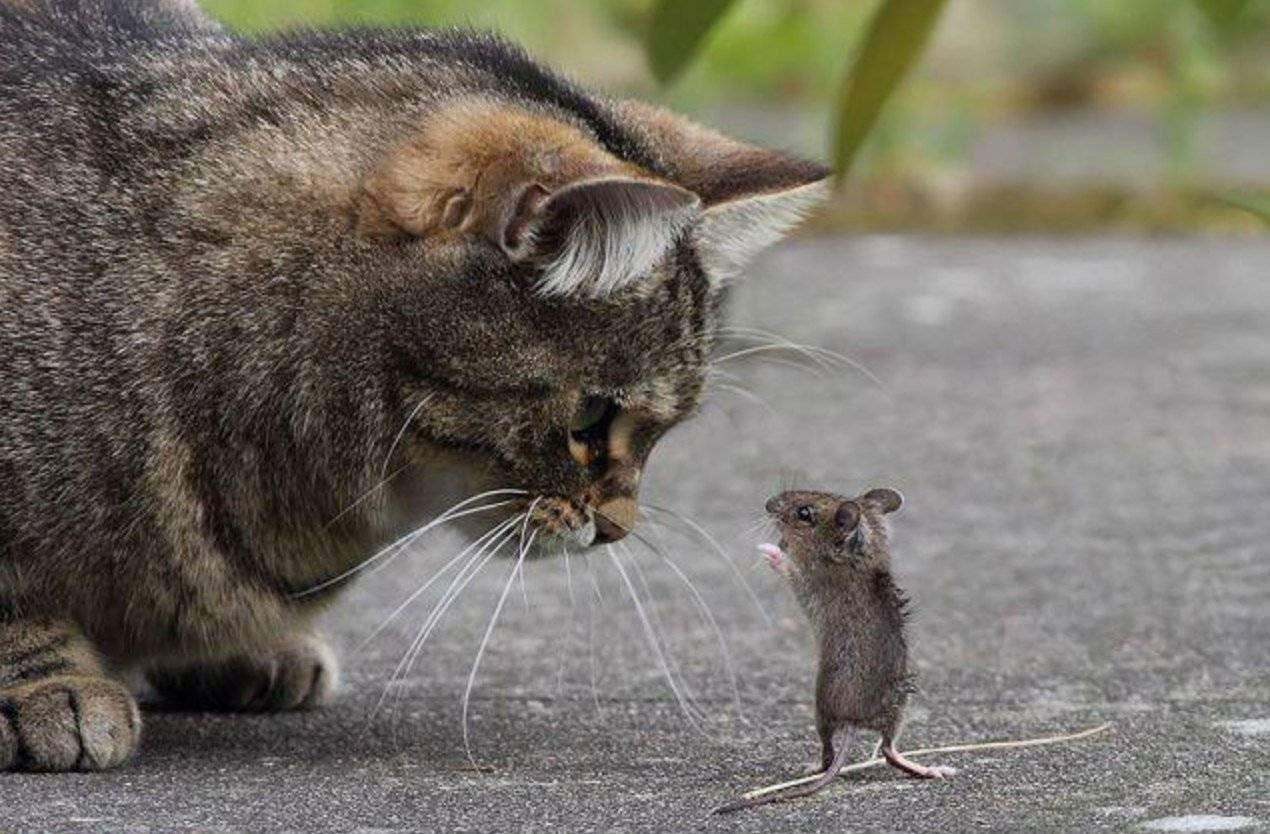
At the same time, the principle of feeding cats is significantly different from that of humans, because they:
- they do not chew their food, but tear their prey apart and swallow it in pieces;
- prefer fractional meals throughout the day, consuming food in small portions;
- do not perceive sweet taste due to the lack of corresponding receptors;
- extremely sensitive to the surrounding environment while eating;
- They pass the food bolus through the gastrointestinal tract in just 12-24 hours (for comparison, in humans this process can take up to 5 days).
When is a cat's stomach rumbling normal?
If you notice that your pet starts purring shortly before feeding time or immediately after eating, don't worry.
There are normal physiological reasons why a cat's stomach growls most often:
- hunger (an empty stomach becomes active and rumbles loudly if the cat sees tasty food or the smell of it being cooked, but after the hunger is satisfied the sound disappears);
- eating too quickly (You may notice that your cat’s stomach is rumbling if it eats a portion of food too quickly);
- swallowing air (the amount of air swallowed during eating is an individual characteristic of the animal);
- natural intestinal peristalsis (the food bolus moves through the intestines thanks to muscle contractions and peculiar “gas pockets”).
Borborygians are natural gurgling sounds produced by an animal's gastrointestinal tract as it works. They aren't very loud during the day, but in the quiet of the night, they can be alarming to owners.
How can you differentiate between borborygmi and pathological stomach rumbling? Assess the overall condition of a kitten or adult cat. A healthy animal, regardless of age:
- has a good appetite (at least a willingness to respond to offered treats);
- after eating he looks calm and contented;
- exhibits a certain level of activity (every cat has its own, but you as the owner know what is normal for your pet);
- regularly visits the litter box;
- maintains a stable weight.
When stomach rumbling is a symptom of illness
If your cat's stomach is rumbling and other digestive symptoms are evident, it means their stomach isn't working properly, and you need to urgently find the cause of the problem.
The owner should be alerted by the following accompanying symptoms:
- loud rumbling that is present constantly, regardless of the feeling of hunger and meal schedule;
- loss of appetite or complete refusal to eat;
- pain that occurs in a cat when there is gurgling in the stomach or when trying to palpate the abdominal area;
- vomit;
- diarrhea;
- white coating on the tongue;
- constipation (prolonged absence of stool);
- sudden weight loss;
- change in wool quality;
- lethargy;
- rapid breathing;
- fever (especially in combination with diarrhea and vomiting).
Important! If your cat's stomach is growling and other symptoms are present, take them to the veterinarian as soon as possible. Vomiting and diarrhea are particularly dangerous symptoms in young kittens from elderly or weakened cats, as dehydration can develop rapidly.
What diseases cause rumbling in the stomach?
There can be many causes of loud, abnormal rumbling in a cat's stomach, so it's impossible to make a correct diagnosis and choose treatment at home without laboratory testing.
The symptom may be observed in:
- poisoning;
- dysbacteriosis;
- malabsorption;
- gastritis And gastric ulcer;
- pancreatitis;
- helminthic invasion;
- large accumulation of hair in the gastrointestinal tract;
- swallowing a foreign body;
- infectious diseases (including enteritis, coronavirus gastroenteritis etc.);
- neoplasms of the gastrointestinal mucosa (benign or malignant);
- intestinal volvulus;
- bloating and many other pathologies.
Some illnesses don't pose an immediate threat to a pet's life, but in some cases, the prognosis depends largely on the stage at which treatment begins. Therefore, it is crucial to quickly determine why your cat is constantly gurgling in its stomach and what is causing this problem.
Diagnostics
During your visit to the veterinarian, you will need to provide the doctor with detailed information, including:
- a detailed description of the problem, the frequency and periodicity of the bubbling;
- animal diet;
- frequency of bowel movements and the force of stool;
- the presence of concomitant health problems.
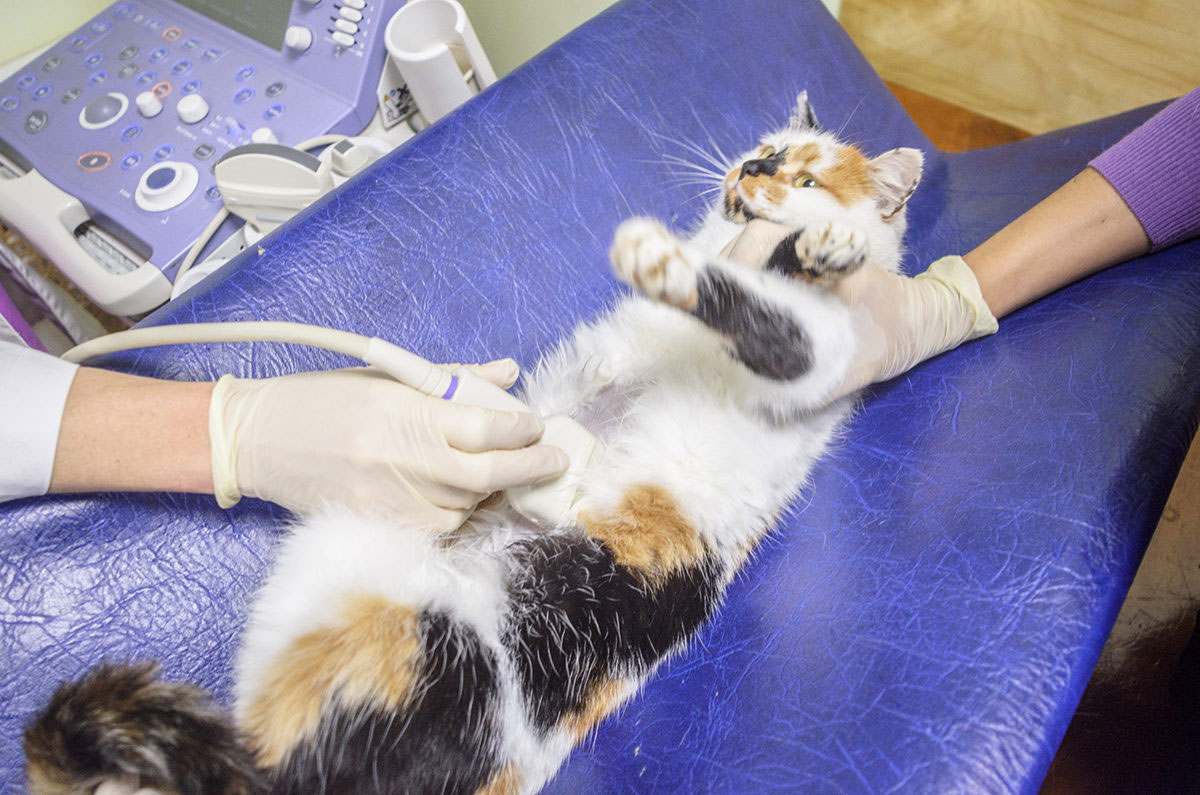
The doctor may also prescribe:
- blood tests (general or biochemistry);
- stool tests for intestinal parasites and various infectious agents;
- examination of vomit;
- X-ray;
- Ultrasound of internal organs;
- gastroscopy;
- serological tests and other diagnostic methods.
Only based on the examination results can the doctor draw conclusions about what disease is progressing in your pet's body and how it should be effectively treated.
Veterinarian's advice
Read also:
- My cat is vomiting blood: why and what to do
- Constipation in cats: what to do and how to help
- Stomatitis in cats


Add a comment