
My cat is vomiting blood: why and what to do
Cats, like humans, can experience nausea and sometimes vomit. The composition, consistency, and color of the vomit can help determine the cause and what to do. If the vomit contains blood, it's important to consult a doctor as soon as possible, as this is a symptom of gastrointestinal, pulmonary, or gastrointestinal bleeding. Delaying treatment can result in the death of your pet.
Content
Vomiting in cats - what is it?
The process of expelling the contents of an animal's stomach and duodenum through the mouth is called vomiting. It manifests itself as reflexive attacks caused by contractions of various muscle groups. This response is a form of defense, a cleansing of toxins.
A single episode of vomiting can be caused by liver, pancreatic, or kidney problems, chronic gastrointestinal diseases, helminthic infestations, or endocrine gland dysfunction. Typically, the vomit is profuse, short-lived, and contains mucus and food.
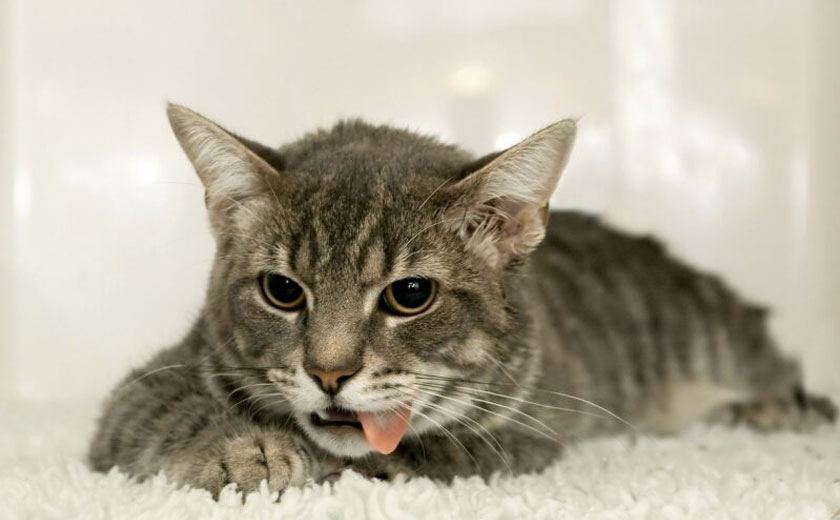
A cat may burp due to intestinal obstruction, abdominal trauma (fecal vomiting), psychological discomfort, motion sickness, after licking itself, or lack of water when eating dry food.
If the urge to vomit is frequent, then vomiting is already multiple. The stool is watery, foamy, and contains a lot of mucus. The cause may be poor-quality food, infectious diseases, or ingestion of foreign bodies.
Important! If your cat is vomiting blood or bleeding from the mouth, seek immediate medical attention. Without treatment, the animal will die. This condition is especially dangerous if it lasts more than three days.
If vomiting occurs, even occasionally, it is necessary to consult a veterinarian to identify the cause, provide first aid, and begin treatment.
Hematemesis in cats
Hematemesis is not a disease in itself. Vomiting blood is a symptom that indicates problems in the digestive organs, esophagus, nasopharynx, or lungs.
Vomit can be pink, bright or dark red, or brown ("coffee ground" color). Bright red indicates fresh blood, while dark red indicates damage to the stomach or duodenum (red blood cells are destroyed by enzymes, which is why the "vomit" is black).
The situation requires urgent intervention from a specialist if the cat/cat exhibits the following symptoms:
- lack of appetite;
- apathy, lethargy, weakness, depression;
- rubs teeth and mouth with paws;
- diarrhea;
- bloody or black stool;
- breathes frequently and shallowly;
- anemia;
- fever;
- pain syndrome;
- convulsions;
- dehydration, i.e. a large loss of fluid from the body (water, sodium, potassium, and chlorides are lost).
All these symptoms indicate serious problems and, more often than not, it will not be possible to cope with them at home.
Why do I vomit blood? (Reasons)
There are many conditions that lead to hematemesis, and only a specialist can make a correct diagnosis.
Possible reasons:
- Oral cavity injuries and pathologies (For example, gingivitis, periodontal disease), throat, trachea. Discharge, sometimes with vomiting, sometimes with saliva, is characterized by a red tint.
- Mechanical damage to the esophagusCuts to the esophagus from bones, coarse food, film, or tinsel can cause bloody discharge and vomiting.
- Gastric bleedingIf a cat vomits brown (hemoglobin coagulates under the influence of hydrochloric acid), then it can be assumed that it has a tumor (a malignant neoplasm is disintegrating), helminthic invasion, severe poisoning.
- Viral infections. For example, panleukopenia (Feline distemper). It is characterized by a sharp rise in temperature and frequent yellow vomiting with mucus. Diarrhea may develop, and the stool may have an unpleasant, foul odor. With coronavirus enteritis, the intestinal mucosa in cats is damaged, leading to inflammation, causing diarrhea and a gag reflex.
- Gastric ulcer, intestinesNausea and vomiting are most often episodic—the disease flares up and then goes into remission. Poor nutrition and lack of treatment exacerbate the situation.
- Respiratory diseasesThe disease is often accompanied by mucous or purulent nasal discharge, coughing up blood and mucus, which causes a gag reflex.
- Bleeding malignant tumors, polyps.
- Side effect of taking nonsteroidal anti-inflammatory drugs, corticosteroidsIncorrect use leads to the formation of ulcers in the stomach and intestines, and negatively affects blood clotting.
- Poisoning chemical substance, plant, for example, aloe vera, ivy, philodendron, etc. Toxins negatively affect the condition of the mucous membrane, and the cat vomits blood, bloody foam.
- Nutritional stressIf your pet vomits after eating and the vomit is pink, it's likely because they're intolerant to some component of the food, their diet is unbalanced, or their diet has been changed abruptly.
- Chronic diseasesFor example, when renal failure, diabetes mellitus, liver diseases There is chronic vomiting with bloody discharge.
Trying to find the cause of bloody vomiting and treating your cat on your own is dangerous – a misdiagnosis and incorrectly prescribed medication can only worsen the condition, and wasted time could cost the animal its life.
Prevention
To prevent most of the above factors that can cause bloody vomiting in a kitten or adult cat, prophylaxis is needed.
Preventive measures:
- timely vaccination;
- treatment against ecto- and endoparasites every three months;
- storing chemicals, small items and items that are attractive to cats in an inaccessible place;
- restricting access to toxic plants;
- balanced nutrition;
- free access to water;
- specialist monitoring of the animal's condition in the presence of chronic diseases.
Paying close attention to your pet and promptly contacting a doctor if blood is found in the vomit will help avoid serious consequences.
Veterinarian's advice
Read also:
- Constipation in cats: what to do and how to help
- Kitten pooping blood: causes and treatment
- My cat vomits after eating: why and what to do


Add a comment