
My cat has a toothache: what to do
Do cats get toothaches? Yes, according to research, 70% of adult cats experience dental problems. Therefore, it's helpful for cat owners to know how to recognize if their pet is experiencing toothache and what to do when their cat has toothache.

Content
Anatomical structure of cat teeth
Cats have 16 teeth in their upper jaw and 14 in their lower jaw. Cats are carnivores, and their teeth are shaped to cut and slice food rather than grind it. Each tooth is located in a separate bony socket and is held in place by ligaments and soft tissue.
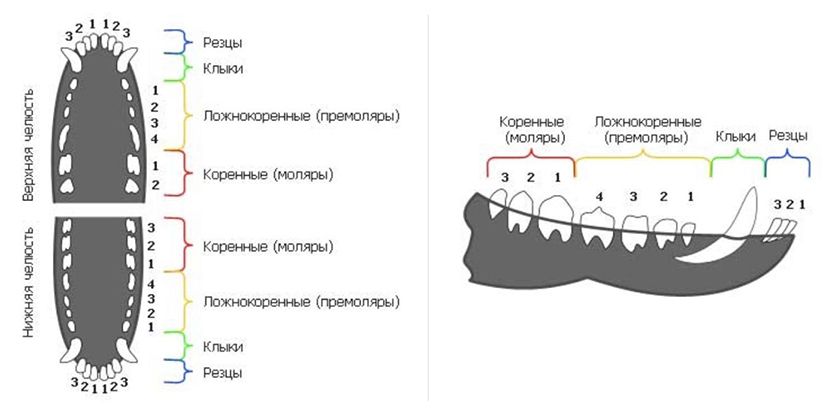
A tooth consists of a supragingival portion (the crown) and a root. The area between the root and the crown is called the neck of the tooth. Within the tooth cavity is a loose tissue permeated with nerves and blood vessels—the pulp. The upper part of the tooth is covered by a hard, protective substance called enamel. Cats have very thin enamel, only about 0.2 mm thick. Between the pulp and enamel is dentin, a mineralized tissue that is quite sensitive to irritants and microorganisms.
Causes of toothache in cats
Sometimes a cat's toothache is caused by a foreign object (such as a bone fragment) lodged under the gum. However, in most cases, toothache is a symptom of dental disease.

This could be:
- Caries is the destruction of hard dental tissue. Initially, caries manifests as demineralized patches of enamel, then affects the dentin, where defects such as cavities (cavitations) form. Ultimately, this can lead to complications, including tooth loss.
- Gingivitis Gingivitis is a condition most often caused by eating sticky foods. As a result, debris accumulates on the teeth, irritating the gum tissue and causing inflammation. Gingivitis does not affect the tooth itself, but it can lead to the development of destructive dental diseases such as periodontitis.
- Stomatitis — inflammation of the oral mucosa, characterized by swelling and tenderness of the gums, along with the formation of a white or yellowish coating. It can develop with infectious diseases or with repeated trauma to the gum tissue from broken teeth.
- Periodontitis is an inflammatory disease characterized by swelling and bleeding gums, increased tooth sensitivity, and pain when biting. Without proper treatment, periodontitis leads to root exposure, tooth loosening, and tooth loss.
- Periodontitis is an infectious and inflammatory process that destroys the tissues surrounding the tooth root due to the formation of an abscess at the root apex. This disease typically appears on the gums. fistula.
Typical symptoms
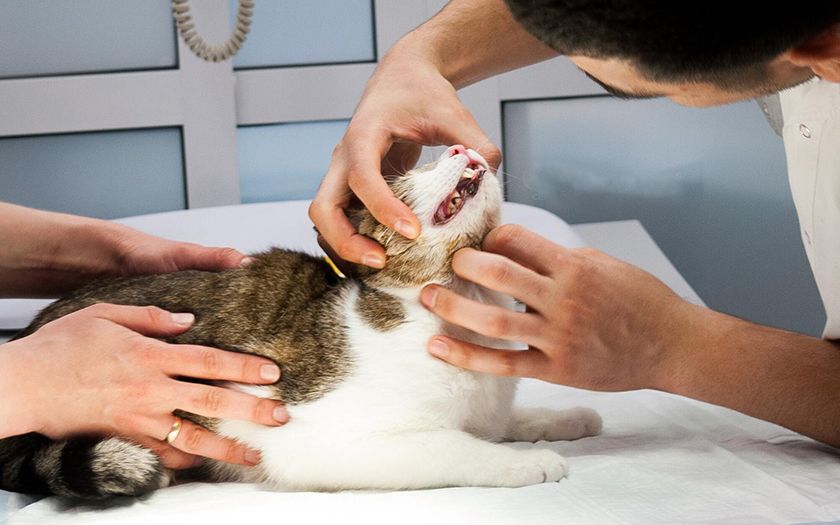
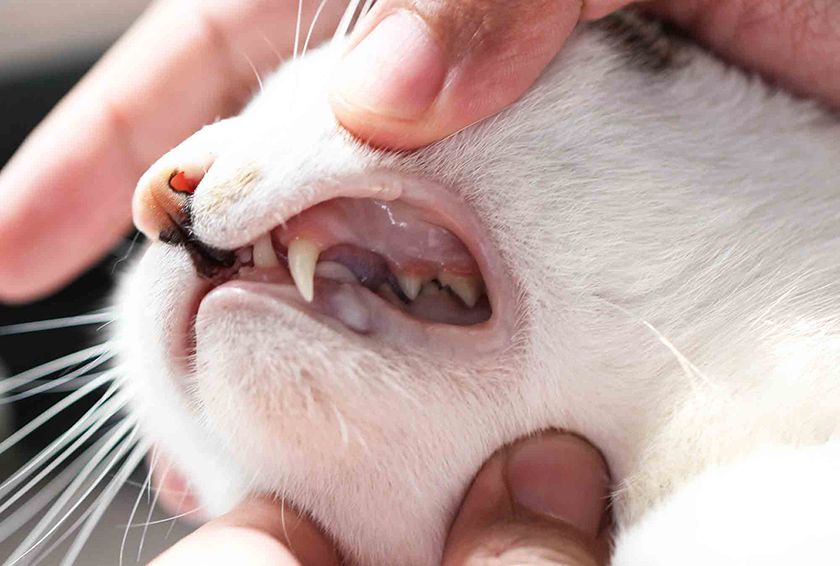
If a cat has a toothache, the first symptoms to notice are drooling and bad breath. If the cat is calm and willing to let you examine its teeth, lift its lips and pull them toward the corners of its mouth. This may reveal a tooth with a darkened surface, swollen and red gums, or purulent discharge.

You can also tell if your cat has a toothache by its behavior. Animals have a higher pain threshold than humans, so your pet may behave as usual until the pain becomes unbearable. At this point, even a cat with a healthy appetite may begin eating slowly and cautiously, may sit over the food bowl for a long time, afraid to put food in its mouth, or eat less frequently to avoid causing itself unnecessary pain. It may become restless, frequently rubbing its face with its paw, rubbing its head against objects, and meowing pitifully.
If you notice any of the symptoms described above, be sure to take your cat to the vet. Self-diagnosis, let alone attempting to treat your cat, is not recommended, as infectious diseases or gastrointestinal issues may be the cause.
Diagnostics
A veterinarian can sometimes determine that a cat has toothache based on just one examination, visually assessing the extent of damage to the tooth and surrounding tissue. Dental caries is characterized by dark spots or cavities, while gingivitis and stomatitis are characterized by inflamed gums. Periodontitis is characterized by receding gums and exposed tooth necks.
Often, to clarify the diagnosis, a cat needs a dental x-ray (a picture of a section of the jaw or the entire jaw); in some cases, a consultation with a specialist in another field is necessary - a gastroenterologist, otolaryngologist, and others.
Dental treatment for cats
A veterinarian will decide what to do if a cat has a toothache based on the type and severity of the dental condition causing the pain. Treatment may include:
- treatment of teeth and oral cavity with medications (antimicrobial, anti-inflammatory);
- taking antibiotics if the disease is infectious in nature;
- removal of tartar fragments;
- ultrasonic teeth cleaning;
- elimination of defects and reconstruction of damaged tooth enamel;
- restoration (restoration of the anatomical shape) of a tooth when part of the dental crown is lost as a result of destruction by caries or injury;
- tooth filling;
- depulpation, during which the nerve and pulp are removed from the diseased tooth, the root canals are cleaned, disinfected and filled; such endodontic treatment requires at least two visits to the veterinary dentist;
- installation of a microprosthesis (dental crown) on a tooth.
If the disease is advanced and the cat's diseased tooth cannot be restored, it is removed.
Almost all dental procedures, and often diagnostic ones, are performed on four-legged patients under sedation or general anesthesia. The stress experienced by the animal during rigid restraint (which is necessary in most cases) and the risk of injury if the cat, upset by the rough handling, stubbornly resists and is unable to sit still are far more dangerous than properly administered anesthesia.
Preventing dental disease in cats
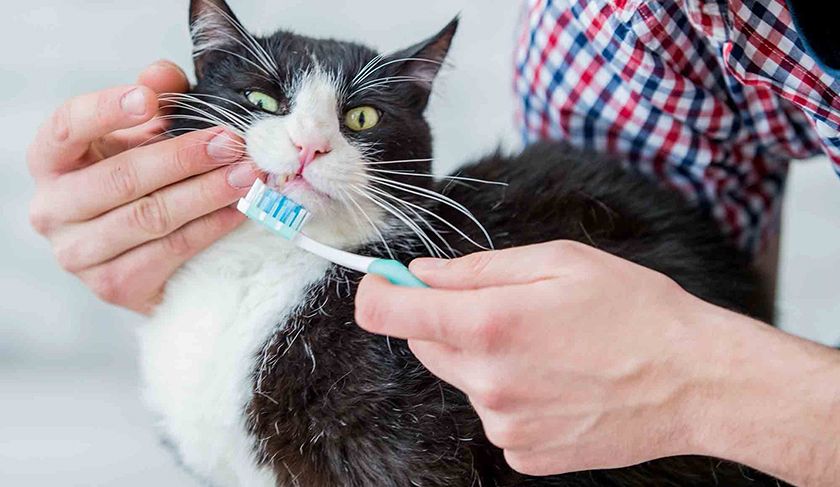
Maintaining your cat's teeth and gums healthy isn't too difficult. The key is proper oral hygiene. Veterinarians recommend brushing your cat's teeth at least once a week, but do so thoroughly. You can use a regular soft-bristled toothbrush or buy a special finger-brush attachment from a pet store. It's also a good idea to take your cat to the veterinarian for a dental cleaning every few months.
A cat's dental health depends largely on the type and quality of its food. Dry cat food kibble has an abrasive effect, effectively removing plaque, and its hard texture helps strengthen teeth. If you know your cat occasionally suffers from toothache or gum inflammation, consider buying special food designed for cats prone to dental disease. These foods contain increased amounts of calcium, phosphorus, and vitamins A, D, and C, all of which are beneficial for teeth.
Read also:
- How to tell if a cat is sick
- When do kittens change their teeth?
- How many teeth does an adult cat have?


Add a comment