
Miniature Schnauzer
The Miniature Schnauzer, or Zwergschnauzer, is a German dog breed that combines a compact size, confident character, and attractive appearance. They are easy to train, have a sociable temperament, and are energetic and responsive. They require regular grooming.
Content
History of origin
The Zwergschnauzer is the smallest member of the schnauzer family, which today includes three breeds of dogs: the Zwergschnauzer (miniature schnauzer), Mittel Schnauzer (medium schnauzer) And Giant SchnauzerAll of them are believed to have descended from the Medium Schnauzer, which in turn is a wire-haired variety of the Pinscher. These dogs were widespread in Germany as early as the Middle Ages. They were used to guard homes, herd livestock, and control rodents.
Until the early 19th century, Schnauzers came in a variety of colors. Then, work began to consolidate the necessary breed characteristics. Black Poodles and Wolfspitz were used in the breeding program. As a result, two main color variations emerged: black and "pepper and salt." From 1870, these dogs were exhibited under the name "wire-haired pinscher."
In 1879, a wirehaired pinscher named Schnauzer (from German Schnauze - muzzle). He gave the breed a new name. The miniature version was given the prefix "zwerg" (from the German Zwerge ― dwarf).
In the late 19th century, breeders began working on a miniature version of the Miniature Schnauzer. The program involved miniature Schnauzers and small wirehaired dogs common in southern Germany. Affenpinschers, Spitz dogs, and Poodles were added. The first Miniature Schnauzer was registered in 1888. The breed standard was adopted in 1890.
Purpose
Today, the Miniature Schnauzer is a family dog and companion. It is highly trainable in a wide variety of situations, is used in detective and rescue work, and successfully competes in various canine sports (agility, obedience, and dog dancing).
The Miniature Schnauzer is called the smallest service dog.
Appearance
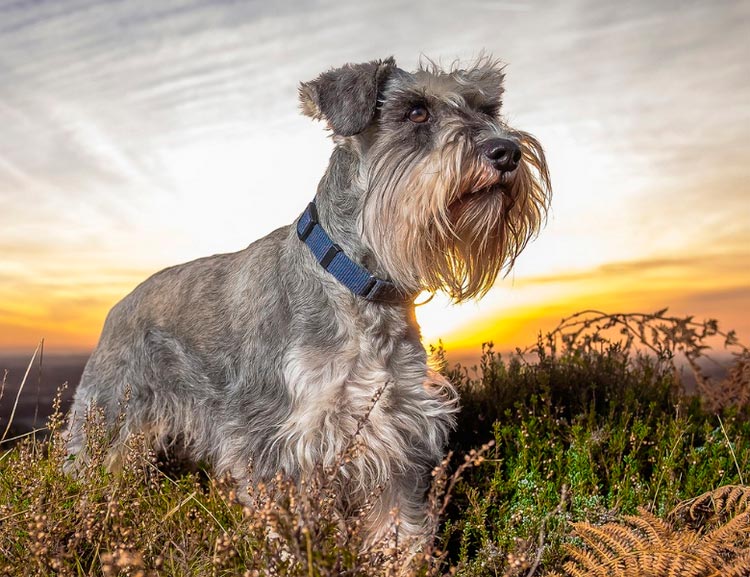
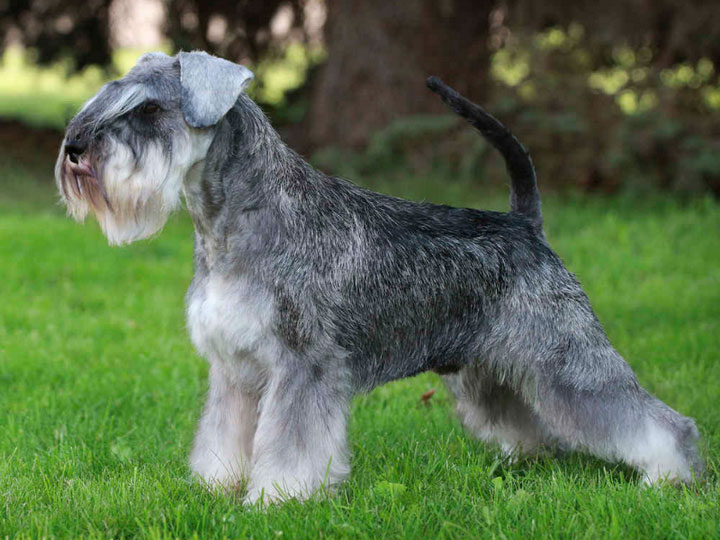
The Miniature Schnauzer is a small, stocky dog with a square build. The hair on its head forms a mustache, a long beard, and thick eyebrows that conceal a very piercing gaze. Sexual dimorphism is pronounced.
- Height at withers: 30-35 cm;
- Weight: 4.5-7 kg
The head is proportionate to the body. The skull is elongated. The stop is clearly defined and accentuated by the eyebrows. The nose is black and well developed. The muzzle is blunt and wedge-shaped with a straight nasal bridge. The lips are dry, tight, and black. The jaws are strong. The bite is a scissor bite. The eyes are oval, medium in size, and directed forward. The color is dark, with well-fitting eyelids. The ears are set high, hanging, and V-shaped. The break line does not rise above the forehead. The front edge of the ears lies close to the cheeks. In the past, docking was used, but today only in countries where it is not prohibited. The neck is muscular, strong, with a convex nape, dry, and without folds.
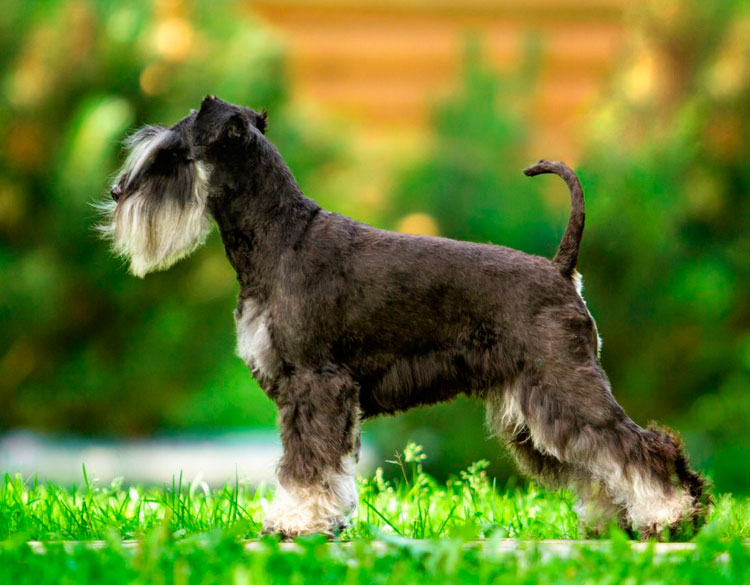
The body is strong, fitting into a square. The topline slopes slightly toward the tail. The withers form the highest point. The back is short and strong. The loin is short and deep. The croup is slightly rounded. The tail is sabre- or sickle-shaped. The chest is oval and moderately wide. The underline is not excessively tucked up. The forelimbs are strong, straight, and not too close together. The hind legs, when viewed from the side, are set obliquely; from the rear, they are parallel. The stance is not narrow. The paws are short, rounded, with dense pads and short dark nails.
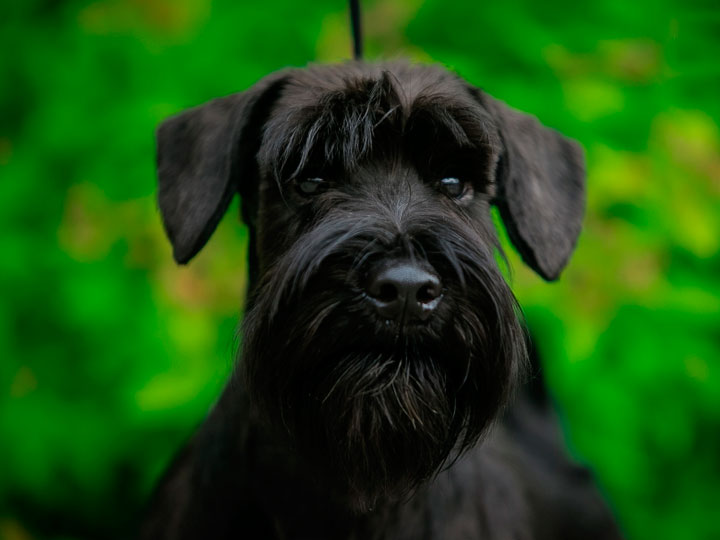
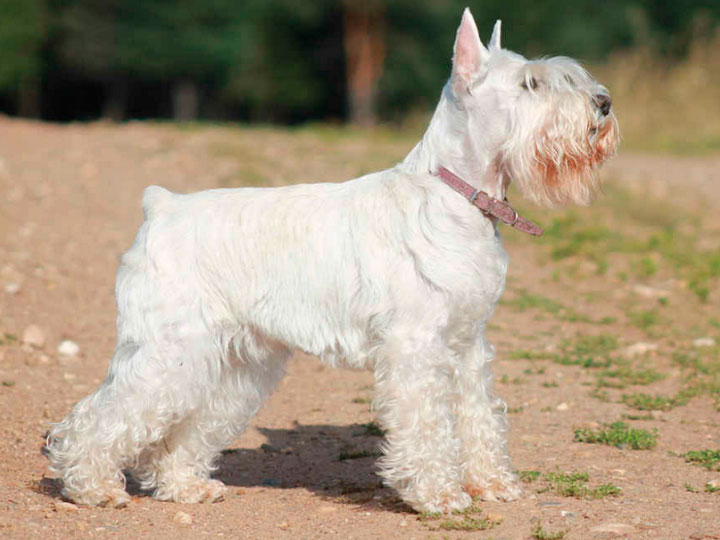
The skin is tightly fitting all over the body. The coat is wiry, dense, and harsh, consisting of a close-lying outer coat and a dense undercoat. It is less harsh on the legs. It is short on the forehead and ears. On the muzzle, it forms a beard and thick eyebrows. Colors:
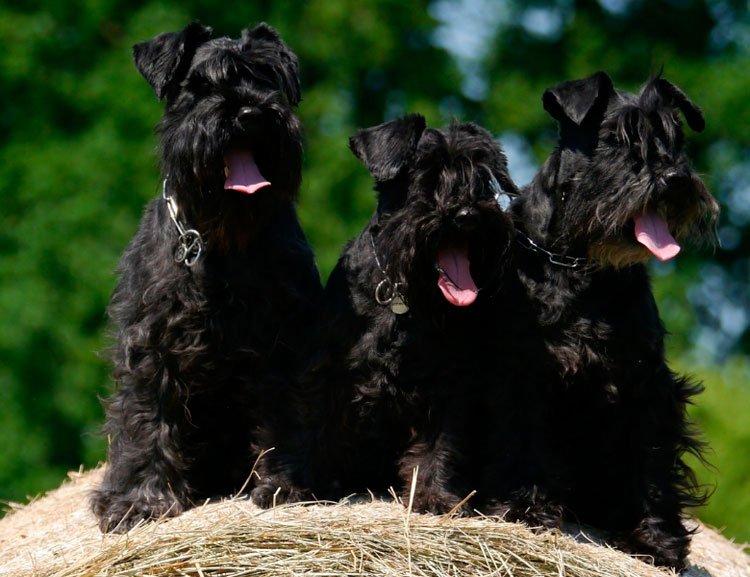
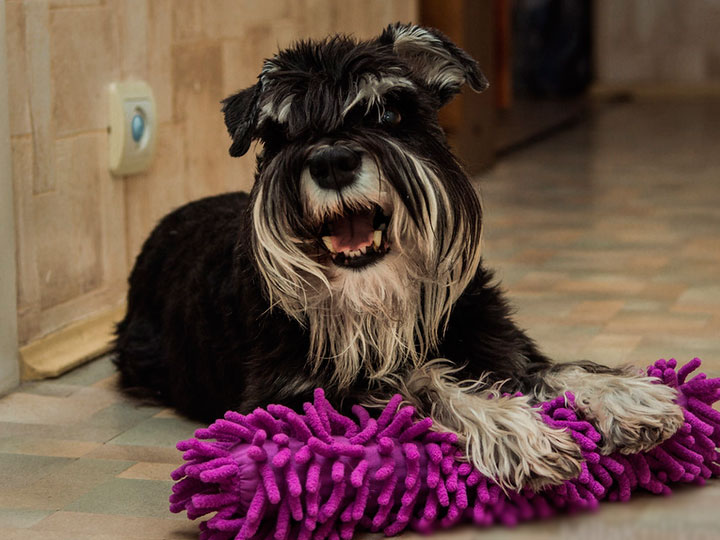
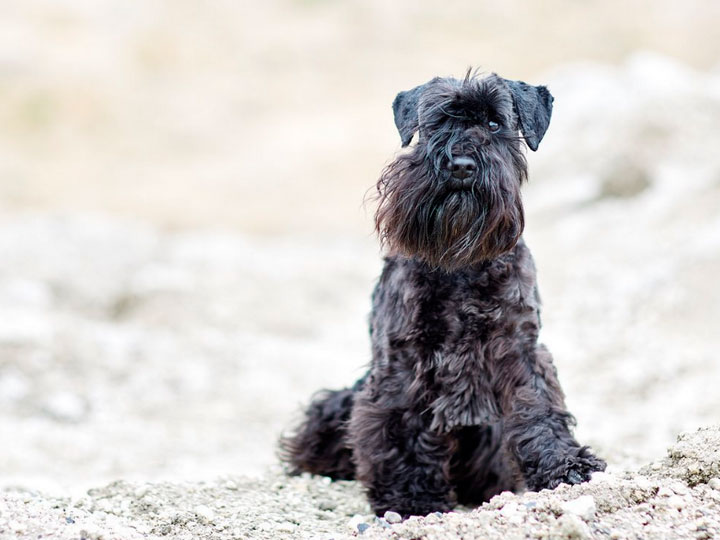
- Black with black undercoat;
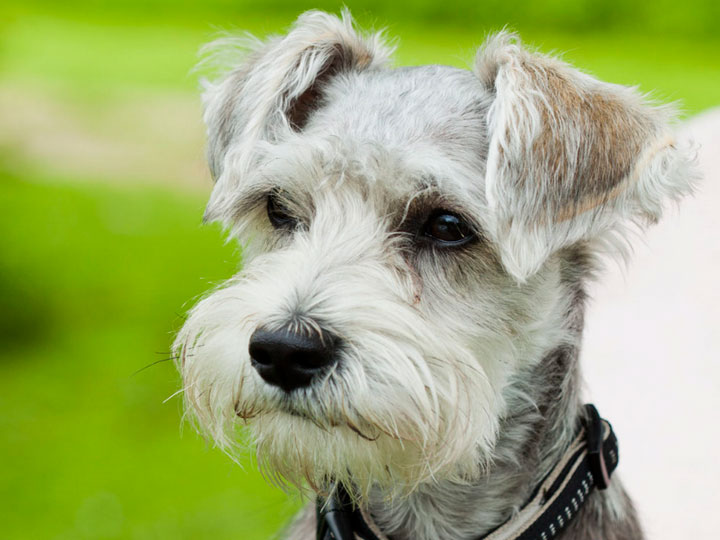
- Pepper and salt;
- Black with silver;
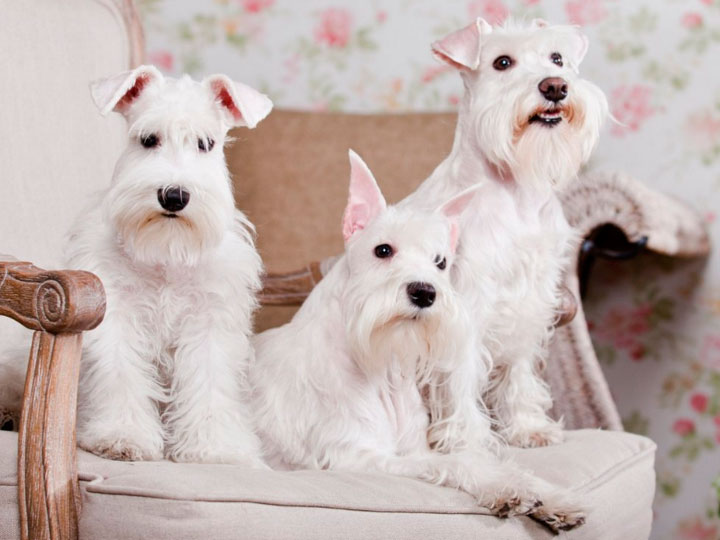
- White;
Today, there are brown (chocolate) and brown-white dwarfs, but this color is not included in the standard.
Character and behavior
In general, this is a fairly active dog that is highly trainable and has a special sense of alertness. They are very courageous, bold, and cheerful. They always want to be helpful and strive to interact with others on an equal footing. They have an exceptional intelligence. They obey only those they recognize as leaders, and will obey even simple commands from a child in exchange for a favorite treat. It's difficult to find negative reviews about Miniature Schnauzers. They are versatile in their roles and easily adapt to the pace of family life. They quickly adapt to their surroundings, are clean, obedient, and not mischievous.
The Miniature Schnauzer's size is both an advantage and a disadvantage. Its small body contains the character and habits of a larger dog, which can create communication issues between pet and owner, who might expect a more toy-like companion but instead receive an intelligent service dog, ready to guard and protect its owner.
The Zwergschnauzer is hardly timid. Even as a puppy, it will try its best to protect its owner. Its desire to tear apart anyone who offends it must sometimes be curbed and taught to distinguish friend from foe. Among family, it is playful and cheerful. It loves children and enjoys playing with them. It craves companionship and loves being the center of attention. It adapts well to the company of other pets. Outside, it enjoys playing with other dogs. If they show aggression, it usually responds in kind without hesitation. Some dogs even try to start fights, but this is the exception and indicates a lack of socialization.
Education and training
The Miniature Schnauzer requires early, comprehensive socialization and thorough training. It's recommended that the puppy's training include a general obedience course.
The Zwerg is very intelligent, responsive, and highly trainable. It picks up commands quickly. It can sometimes display a bit of stubbornness, but this is easily overcome with food incentives and praise.
Content Features
Miniature Schnauzers are recommended by breeders as toy dogs, ideal for indoor living in a house or apartment and uncomfortable in a kennel. This is primarily because they desperately need constant companionship. Keeping them outside year-round is possible, but in this case, the dog needs good living conditions, especially during winter, and daily playtime with them.
As puppies, Zwergs rarely chew shoes and are not prone to damaging things later in life. Without adequate physical and mental stimulation, they are more likely to become lethargic and melancholy than to tear up laminate flooring and damage entryways.
A Miniature Schnauzer needs daily walks of at least 30-40 minutes. It's best if these walks include games and training. You can engage this energetic pet's brain and sense of smell with search tasks or practicing new commands.
Care
The difficulty of grooming a Miniature Schnauzer lies in the need for trimming (plucking the coat as it matures). In addition, other hygiene procedures must be performed regularly.
- The coat is brushed once a week to maintain a neat appearance and prevent tangles.
- Particular attention should be paid to the dog's "beard"; after feeding, it should be wiped with a napkin or washed to remove stuck food particles.
- Give your dog a thorough bath as needed, but no more than once a month. It's recommended to use shampoos designed for dogs with coarse coats.
Without proper care, a Zwerg will never look as neat and beautiful as in the photo.
- The ears are examined weekly and cleaned as needed.
- Teeth should be brushed at least 2-3 times a week. Additionally, your dog should have dental toys and treats to help clean their teeth and massage their gums.
- Eyes are cleaned daily. White schnauzers' tear ducts are bleached with special products, otherwise they become brownish-red.
- The coat is trimmed as it matures, from 1 to 12 times a year.
- Owners who do not show their dogs usually prefer short, hygienic haircuts.
Miniature Schnauzers do indeed shed, but only if their coat is plucked once a month. If you do this two or three times a year, as many owners do, constant shedding is inevitable.
Health and life expectancy
Miniature Schnauzers can suffer from hereditary health problems, including allergies, diabetes, and pancreatitis. Bladder stones, usually struvite or oxalate stones, are a fairly common problem in the breed. They are also prone to comedonal formation and ear infections if ear canal hygiene is not maintained.
Miniature Schnauzers have a high incidence of a liver disease called portosystemic shunt. Other common conditions include myotonia, epilepsy, Calve-Perthes disease, mitral valve insufficiency, cryptorchidism, and von Willebrand disease.
The average lifespan of a Mittel Schnauzer is 12 years. Just over 20% of dogs live to be 15 years old.
Choosing a Miniature Schnauzer Puppy
The Miniature Schnauzer isn't the most popular breed, but finding a puppy of the desired gender and color is usually easy. Another question is how promising and healthy the puppy will be. Were the pairings for this litter wisely selected, do the puppy's parents have the right temperament and conformation, and are they even qualified for breeding? The breed is relatively healthy, but it does have a number of hereditary issues.
If you're looking for a truly good dog for showing and breeding, you should only contact the best breeders. You can find their contacts on breed forums or at your national breed club. You may have to wait a long time for the best puppy that meets all your requirements.
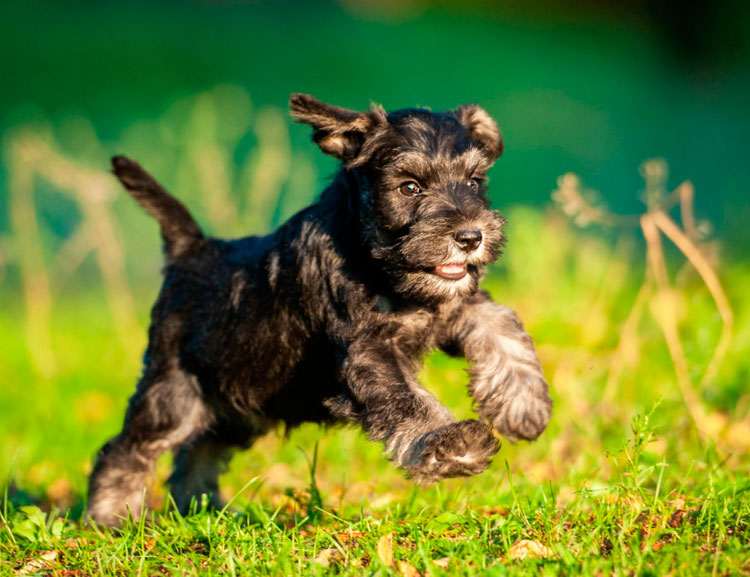
Choosing a puppy from a litter requires great care. The puppy should appear absolutely healthy, giving the impression of being robust, with a solid, square body and a relatively large head. Teeth should be healthy, eyes clear, bones strong, and legs thick, but not at the expense of coat. Movements are confident, sweeping, and balanced. The coat is thick and harsh. Before considering a puppy, it's a good idea to carefully familiarize yourself with the breed standard. The head should be approximately half the length of the body. The stop is pronounced. Puppies' colors are somewhat darker than those of adult dogs.
Each puppy in a litter is an individual, but most Zwergschnauzers are choleric and sanguine, with phlegmatic individuals being very rare. Under no circumstances should a dog show shyness or aggression toward a stranger at two months of age.Even in a champion litter, not all puppies are alike. Breeders typically select the most promising and sell them for a higher price. However, such puppies don't necessarily grow up to be champions. The dog still needs to be properly raised and trained. Sometimes litters are relatively uniform. This indicates that the parents were carefully selected and the breeder has a promising line characterized by uniformity.
A promising Schnauzer can be reliably identified after 6 months.
If you don't plan on showing or breeding, it's perfectly acceptable to adopt a dog from parents with low titles. Such puppies cost two to three times less. They live up to their pedigree and are unlikely to ever win a prize at a show, but they better match the breed's characteristics than puppies from dogs bred "for health."
If there are about 5 puppies in a litter, each one should weigh 1-1.4 kg at one month of age and be about 20 cm tall. It's best to take the puppy to a new home no earlier than one and a half to two months, when the puppy has gained strength and weighed up to 2 kg.
Price
Miniature Shauzers with documentation of origin sell for 25,000 rubles and up. The price of promising puppies and adolescents goes beyond 80,000 rubles.
Photos and videos
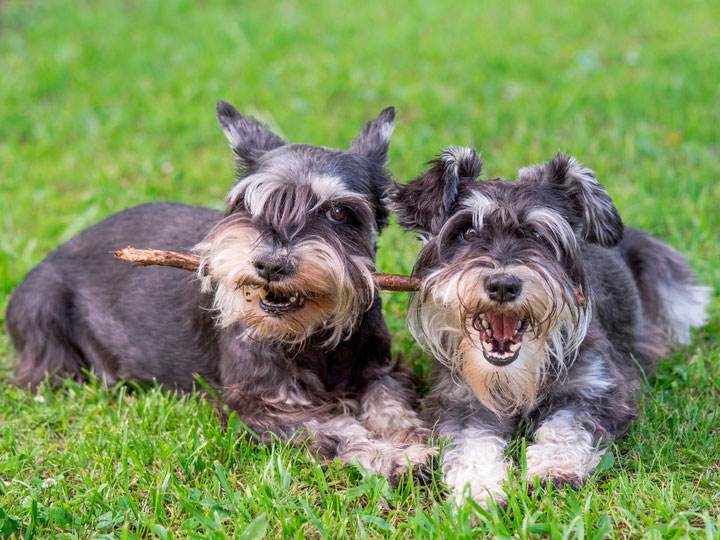
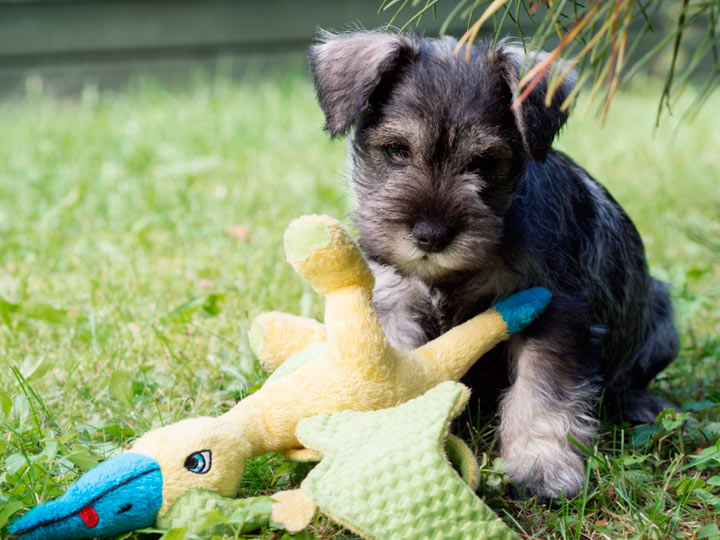
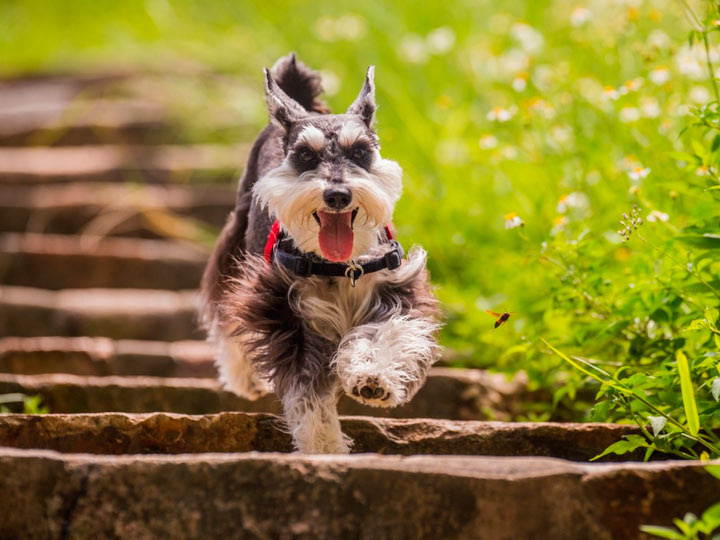
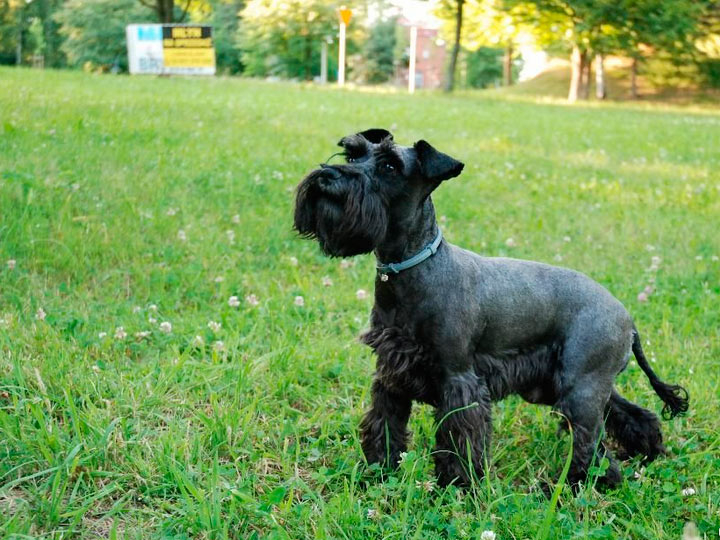
This gallery contains photographs of the Miniature Schnauzer. The photos show what Miniature Schnauzers look like in all four standard colors.
Video about the Miniature Schnauzer dog breed
Read also:
- Fox Terrier (smooth and wirehaired)
- Miniature Pinscher (Zwergpinscher) is a dog breed
- Griffon (Brussels, Belgian, Brabant)


Add a comment