
Cystone for cats
Cystone is a herbal remedy used in cats for urolithiasis and urinary tract disorders. The herbal-based medication is considered safe for animals, although it should be consulted with a veterinarian before use.
Content
General description
The medication was originally developed by the Indian company Himalaya for humans, but is now successfully used in animals as well. Cystone is non-toxic, making it safe for cats. However, it should not be used without a doctor's prescription.
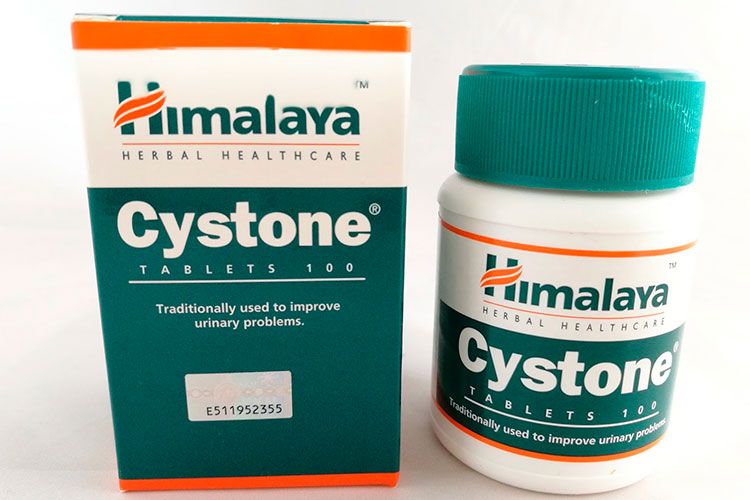
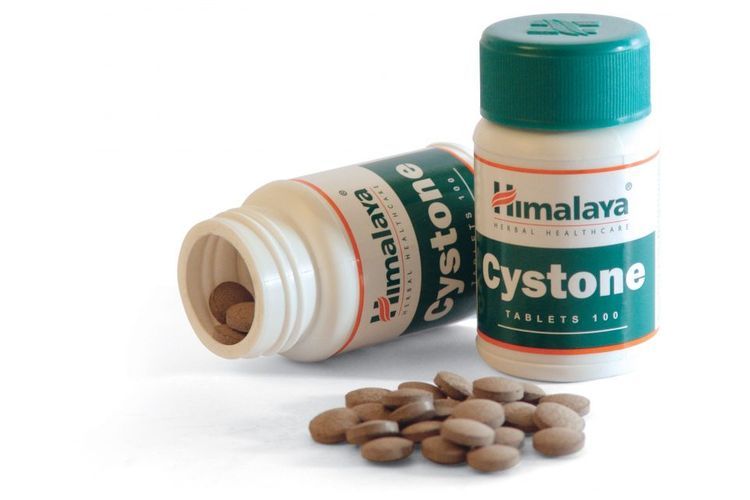
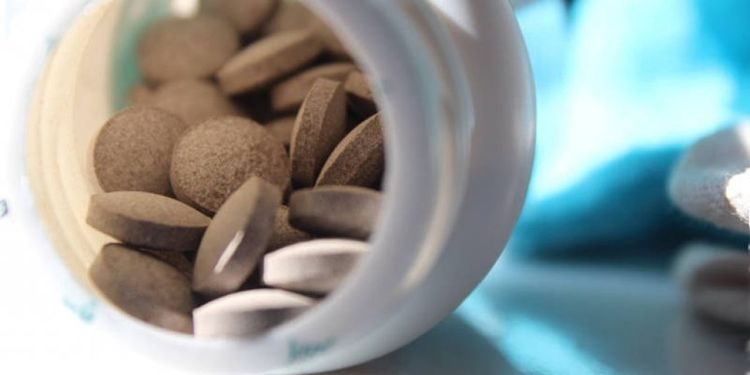
The medication is produced as light-brown tablets. They may have darker or lighter inclusions and a non-uniform texture. The round tablets are odorless. They are packaged in polymer jars with lids. Each container is additionally packaged in a cardboard box and comes with instructions for use, which are written for human consumption.
The basis of the drug is a complex of herbal plants, but the composition also includes auxiliary components:
- colloidal silicon dioxide;
- magnesium stearate;
- microcrystalline cellulose, etc.
How it works
Cystone has a comprehensive effect on the animal's body, as it contains several medicinal plants. Each herb has a range of beneficial properties:
- Stem didymocarpus contains essential oils and other beneficial components. It has a pronounced diuretic effect.
- Madder contains substances that help dissolve kidney and bladder stones and remove them from the body.
- Saxifraga lingualis breaks down urinary stones, normalizes salt metabolism, relieves bladder irritation, and has a diuretic and astringent effect. The plant extract also suppresses pathogenic microflora.
- Film smikavets has antimicrobial properties.
- Onosma bracteatum helps fight urinary tract infections. It has an antiseptic effect and reduces inflammation. It effectively reduces irritation of the bladder mucosa during inflammatory processes.
- Rough strawflower has a diuretic effect and helps relieve spasms associated with various illnesses.
- Ash Vernonium relieves spasms and pain associated with difficulty urinating.
- Siliceous lime has diuretic properties and also helps break up stones that have formed in the urinary system.
The product also contains pre-purified mineral resin. It helps balance salt levels in the body, improves digestive function, and normalizes metabolic processes.
Thanks to its components, Cystone promotes the fragmentation and dissolution of kidney and bladder stones. It also prevents the formation of new stones. It enhances urine flow, reduces inflammation, and eliminates pain due to mucosal irritation. Furthermore, the medication exhibits antibacterial activity against various pathogenic microorganisms. This makes it successfully used for infectious diseases and prevents complications such as secondary infections.
When is it applied?
The instructions for Cyston do not specify indications for use in cats, as they are written for humans. The drug is prescribed to animals with urinary tract problems:
- at urolithiasis;
- in chronic kidney diseases;
- at cystitis;
- in case of irritation of the bladder mucosa;
- in infectious pathologies;
- with pyelonephritis;
- with urethritis;
- for other diseases of the urinary system of non-infectious and infectious origin.
Depending on the nature of the condition, the medication can be used as monotherapy or as part of a comprehensive treatment. Veterinarians often prefer the latter option, especially when treating inflammatory conditions and infections. In this case, Cyston acts as an adjuvant and enhances the effectiveness of the primary medications, which are aimed at eliminating the underlying cause and symptoms.
This herbal remedy can also be used to prevent the aforementioned conditions. Cyston is often prescribed to cats to prevent recurrence of stones, particularly for animals at risk (post-neuter, overweight, etc.).
Price
The price of Cyston ranges from 350 to 500 rubles in online pharmacies. The medication is also sold in pharmacies.
How to apply
Since the Cyston instructions do not specify dosages for cats, it is important to consult a veterinarian before beginning treatment. They will determine the appropriate dosage and administration schedule based on the condition, the animal's weight, and its overall condition.
Typically, Cyston is given to cats in the following dosages:
- for small animals - a quarter of a tablet;
- for large pets - half each.
Sometimes the single dose is increased to 1-2 tablets, especially in acute cases. The medication is administered twice daily. The duration of treatment is determined by the doctor based on the severity of the condition and other factors. For urolithiasis, the medication should be administered to the pet for 4-6 months.
The easiest way to mix tablets into food is with a pet's food. Because they have no specific odor or taste, the medication is usually easy to hide in canned food, ground meat, or other treats. You can also force-feed the tablets to your pet or dissolve them in water and then administer them with a syringe without a needle.
Please note! If Cyston is used to treat urolithiasis, your pet must follow a diet. In most cases, stone formation is promoted by poor nutrition.
What are the restrictions?
This medication is contraindicated for cats with intolerance to any of the ingredients. This may cause various allergic reactions. If your pet develops a rash, redness, or itching, discontinue use of the medication. Consult your veterinarian for an alternative treatment.
This medication is not recommended for use in pregnant females. In rare cases, its use is permitted, but only after a comprehensive examination of the entire body.
The medication does not cause any side effects, even if the dose is exceeded. Caution is advised when using the medication in the presence of large stones, as they can pass in large quantities and block the urinary tract or damage the bladder lining.
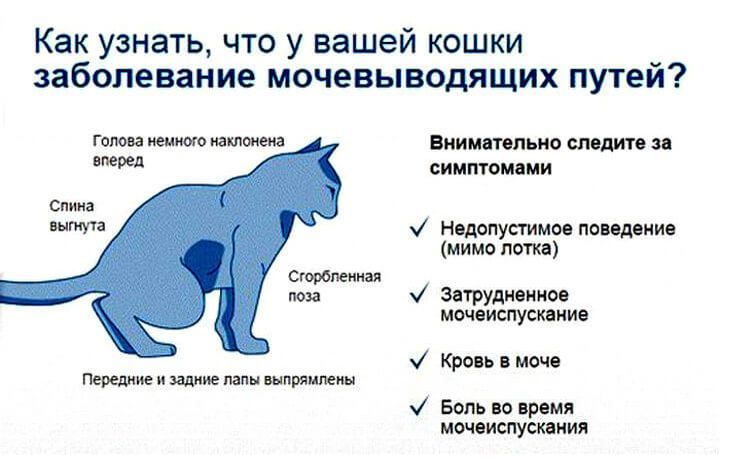
Important! If your cat's urine contains blood or urination becomes difficult, consult a veterinarian immediately.
Advantages and disadvantages
There are many advantages to using Cystone for cats:
- does not contain toxic or chemical components that could negatively affect the liver or other internal organs;
- there are virtually no contraindications (cases of intolerance are rare);
- the substances included in the composition do not accumulate in the animal’s body;
- can be combined with antibiotics, antispasmodics and other medications;
- even in case of overdose it does not cause side effects and is well tolerated;
- has high efficiency.
A disadvantage of this medication is the length of treatment for urolithiasis. Although this condition can be treated for a long time with other medications, it's also a long-term treatment. If the medication is used to treat urinary tract infections or inflammation, purchasing a 100-tablet pack may be uneconomical, as most of the medication will go unused.
Owner reviews
Victoria, owner of two cats:
"Our seven-year-old cats were diagnosed with urolithiasis two weeks apart. We tried a combination of treatments, but they weren't effective until we completely weaned them off dry food. We used Cyston for both treatment and prevention. We were pleased with its effectiveness. However, we had to force-feed them. There hasn't been a relapse for several months now, and I hope there won't be any more."
Daria, the owner of a British cat:
"I developed cystitis due to kidney stones. For treatment, I was prescribed Cyston, a human medication. We took it for over two weeks until the symptoms completely disappeared. It's a good remedy, the only drawback is the large packaging, but the tablets have a long shelf life, so they might still be useful."
Veterinarian Reviews
Andrey, a doctor from the veterinary center:
"Cystone is an excellent medication suitable for both humans and animals. This herbal preparation alleviates unpleasant symptoms and helps eliminate the underlying cause of the disease. Its main advantage is its safety. In my experience, I have not encountered any side effects."
Dmitry, a veterinarian with 10 years of experience:
"Although herbal preparations are now available in veterinary pharmacies, we still often use human medications, such as Cyston. It's an excellent remedy for urolithiasis and cystitis. Containing only herbs, it's completely safe for both cats and dogs. It's highly effective. I often combine it with Kotervin and other medications."
Read also:


3 comments
Lika
Thank you very much! I will take your advice and treat my cat with Cyston.
Aunt Truth
Kotterwin is an animal poison containing sodium benzoate.
Take the herbs and make your own decoction from these same herbs and do not poison cats with sodium benzoate.
The Kot Ervin liquid contains only herbs: horsetail, knotweed, birch leaves... and the carcinogen sodium benzoate, which the manufacturer does not always mention.
Kotervin 10 ml bottle costs 100 rubles, ten thousand rubles per liter.
There have been cases where cats have gotten drunk from this Kotervin, I think it was an overdose of sodium benzoate.
Love your animals!
Mira Borisovna
Great site! Very useful articles!
Add a comment