
Ceftriaxone for dogs
Ceftriaxone is a third-generation antibacterial agent successfully used to treat a variety of diseases in dogs. It has long been used in human and veterinary medicine. It is highly effective, even against advanced conditions. The medication has limitations on its use, and if administered incorrectly, it can cause serious side effects, so it should only be used on animals as directed by a doctor.
Content
General description
Ceftriaxone is a powerful antibacterial agent capable of killing pathogenic microorganisms even when other medications fail. The drug is based on sterile sodium ceftriaxone. It appears as a white powder, although a yellowish tint may occasionally be present. Before use, the powder should be diluted with water for injection or saline.
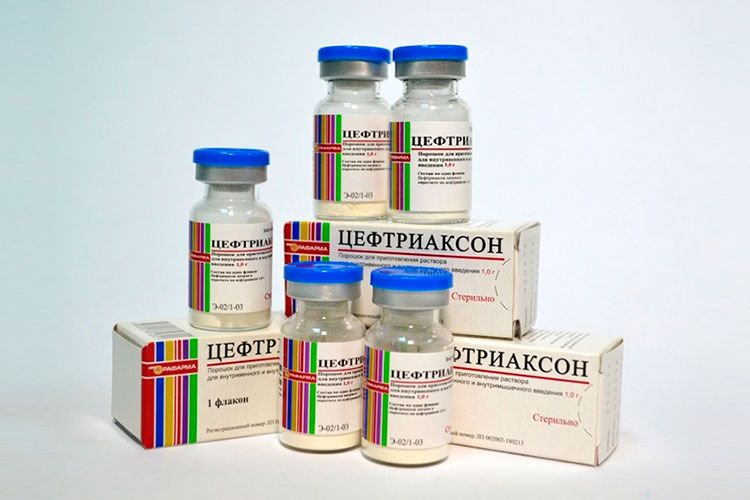
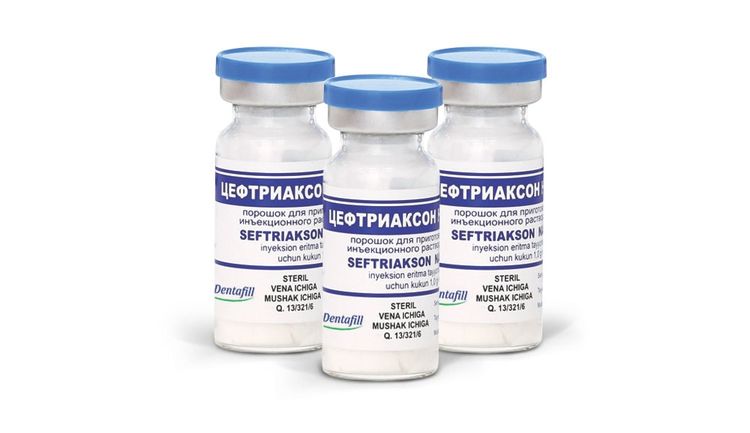
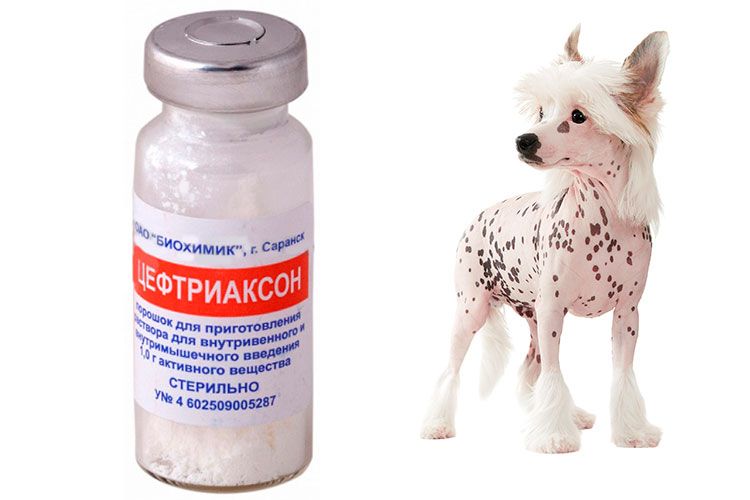
Because ceftriaxone is manufactured sterile, it is packaged in clear glass vials. To maintain a hermetic seal, they are sealed with rubber stoppers and then sealed with aluminum stoppers. Each vial may contain 0.5, 1, or 2 grams of ceftriaxone sodium salt. When purchasing this antibiotic, be sure to pay attention to the amount of medication in the package.
Pharmacological properties
Ceftriaxone is effective against many harmful bacteria, including those resistant to other antibacterial agents. It kills the following pathogens:
- staphylococci;
- E. coli;
- streptococci;
- salmonella;
- clostridia;
- Haemophilus influenzae;
- enterobacteria;
- Shigella;
- Klebsiella, etc.
Its mechanism of action is quite simple: the active ingredient destroys the cell walls of bacteria. This not only prevents further proliferation but also leads to their death. The antibiotic is characterized by its rapid action. When administered intramuscularly, the active substance concentration in the blood reaches its maximum in just 1.5 hours. Moreover, the drug works completely for the body's benefit, as its bioavailability is 100%.
The antibiotic is excreted from the animal’s body mostly through the kidneys along with urine and only partially through the bile through the intestines.
When is it applied?
Ceftriaxone is commonly prescribed to dogs to treat the following conditions:
- otitis;
- sinusitis, bronchitis, laryngitis and other respiratory pathologies;
- sepsis;
- cystitis, pyelonephritis and other diseases of the genitourinary system;
- meningitis;
- infectious lesions of bones and joints;
- purulent wounds;
- salmonellosis and other bacterial diseases of the digestive system;
- blood poisoning, etc.
Because this antibacterial agent is so potent and effective, the list of conditions for which it can be used is quite extensive. Therefore, it can be considered a universal drug for treating bacterial infections, but it should not be used without a doctor's prescription.
Please note! Ceftriaxone can be used in dogs. It is prescribed primarily for severe conditions when medications specifically designed for animals are ineffective. This medication should not be used for self-medication.
The drug is also used prophylactically after surgery. It helps prevent complications that include infectious inflammation.
How to apply
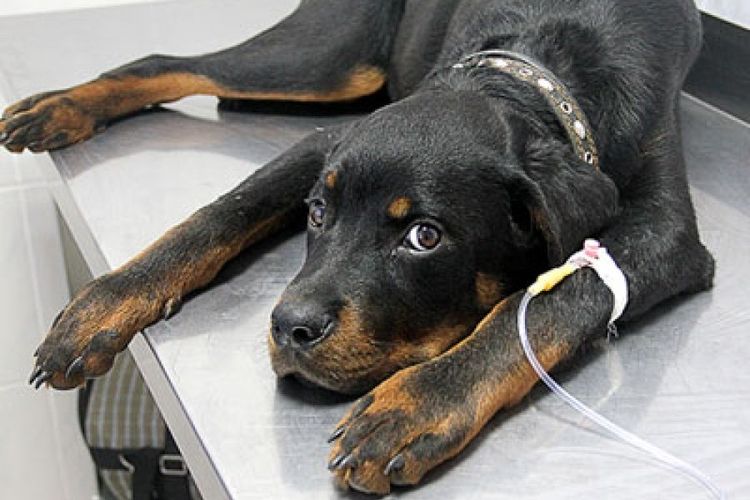
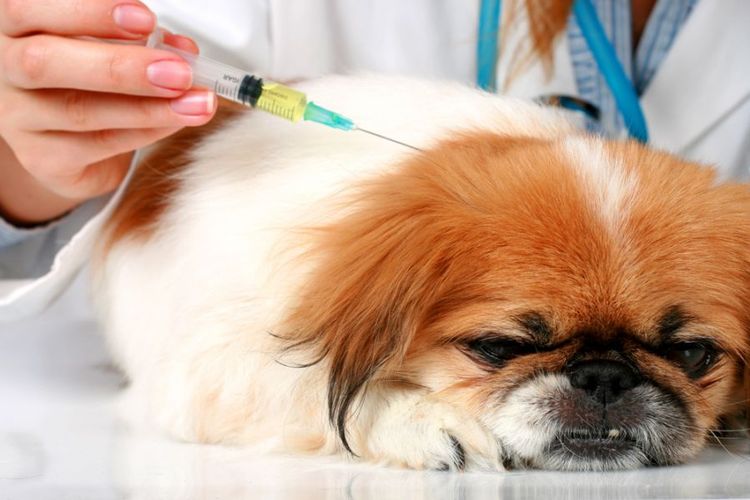
According to the instructions, Ceftriaxone injections are administered intramuscularly to dogs. The medication can also be administered intravenously, but administering an IV at home is difficult. Furthermore, this requires professional veterinary skills. Subcutaneous administration is not recommended, as painful lumps may develop at the injection site. Before administering the medication, it is important to consult your veterinarian about any allergies your dog may have.
Injections are given once daily. In rare cases, injections may be given twice daily if the disease is severe. The course of treatment can last from 5 to 10 days, but the duration of treatment should be determined by a doctor. The antibiotic can be combined with medications for symptomatic therapy.
Please note! After symptoms have subsided, injections are administered for another 3 days. Only then will the pathogens be completely eliminated. Otherwise, the bacteria will develop resistance to the drug, and the disease will become chronic.
It is advisable to give injections not in the withers, but in hind thigh, where the largest muscle concentrations are. It is recommended to administer the antibiotic alternately to each paw, as the injections are very painful and the injection site may linger for a long time. If the medication is being administered to large pets, avoid using an insulin syringe. Firstly, sudden movements can break the thin needle. Secondly, administering the medication will take a long time, which will cause additional discomfort to the animal.
How to dilute and calculate the dose
According to the instructions, Ceftriaxone should be diluted with water for injection, but in practice, lidocaine or novocaine are more commonly used due to the high pain associated with the injections. Anesthetic use should only be considered if the animal is not allergic to it. For intravenous administration, the powder is diluted with sodium chloride.
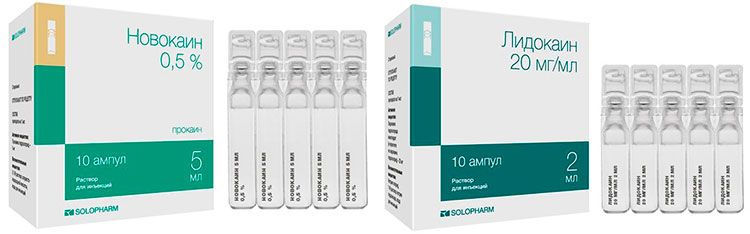
If you are using a 0.5 g vial of powder, you will need 1 ml of 2% lidocaine and 1 ml of water for injection. If the vial contains 1 g of medication, then you need to take twice as much lidocaine and water for injection – 2 ml each. The daily dose is20-40 mg of Ceftriaxone per 1 kg of animal body weight per day,However, the exact dosage should be calculated by a veterinarian. Use a syringe to inject the liquid into the bottle, then shake well. Then use the solution for injection.
Important! At room temperature, the solution is suitable for use within 6 hours. It can be stored in the refrigerator for 24 hours.
Limitations and side effects
According to the instructions for use, Ceftriaxone should not be used in dogs if the following health problems are present:
- liver failure;
- intolerance to cephalosporin antibiotics;
- renal failure.
The drug is also prohibited during pregnancy, as it may cause termination of pregnancy.

This medication should not be combined with other antibiotics. Concomitant use with nonsteroidal anti-inflammatory drugs increases the risk of internal bleeding. Combining ceftriaxone with certain diuretics can lead to nephrotoxic syndrome. Combination treatment should be prescribed by a physician.
The medicine may cause the following side effects:
- diarrhea;
- dysbacteriosis;
- vomiting;
- liver and kidney dysfunction;
- increased number of platelets in the blood;
- anemia;
- nausea.
Painful lumps may remain at the injection site. Allergic reactions due to antibiotic intolerance may cause rash, redness, itching, chills, and even anaphylactic shock. For this reason, it's advisable to monitor your body's reaction during initial use and have an antiallergy medication (preferably an injectable) on hand.
Please note: Using ceftriaxone in dogs may cause gallstones.
Price
The price of Ceftriaxone ranges from 20 to 50 rubles per bottle, depending on the amount of powder inside. The medication can be purchased at veterinary and regular human pharmacies. It's sold in all pharmacies, so finding it is easy.
Owner reviews
Maria, the owner of a shepherd dog:
"Ceftriaxone helped us cure our 15-year-old dog of pancreatitis. The disease was very severe, with a number of complications. The dog completely refused to eat and was barely able to move. After a 10-day course of treatment, Larry was as good as new. I credit the antibiotic for her victory over the disease, although other medications were also used."
Oksana, owner of a Pekingese:
"Our dog seriously injured her paw while out for a walk. It started to fester. The doctor prescribed Ceftriaxone. We administered the injections for five days, diluting it with lidocaine. The dog tolerated the injections well, didn't struggle, and only whined a little. The wound healed quickly. It's a good treatment, although it does have its drawbacks. The doctor warned about possible side effects, but we didn't experience any."
Veterinarian Reviews
Vladimir, a veterinarian with 8 years of experience:
"I consider ceftriaxone one of the best antibiotics. It always does an excellent job of killing bacteria. However, I would like to warn pet owners that it is a strong medication and should definitely not be used on their own. The main advantages are its effectiveness, availability, and low price."
Valentina, a veterinarian with 5 years of experience:
"It's difficult to sum up my opinion of this antibiotic in a few words. On the one hand, it's effective and can be a lifesaver for severe conditions, but on the other, it's quite a dangerous drug. If used incorrectly, it can cause serious side effects. I usually prefer weaker antibacterial agents and only use Ceftriaxone in emergency cases."
Read also:


5 comments
Aleftina
After intravenous injection, the dog died within 20 minutes... do an allergy test!
Alevtira
Be careful! My daughter became ill when the drug was administered intravenously!!! She went into anaphylactic shock, had to be taken to intensive care, and died.
Marina
Vets' comments? Well, not a single one said to do a blood test! Find the cause! We injected
:To everyone, even with my first dog, when one of the owners brought a sick dog to training, that's when we got it all! It was probably paogrippa. Green snot, coughing, and the puppies were 5-7 months old, Rottweilers with papers. Not all of them survived. I know for sure that ceftriaxone works! But! We had a dog trainer and a vet at the time! Good luck to everyone.
Olga
We have an Alabai, 17 years old, injections helped the dog get back on his paws, he survived a hypertensive crisis.
Elena
How did you determine that the dog had a hypertensive crisis?
Add a comment