
Ceftriaxone for cats
Ceftriaxone is an effective and potent antibiotic used not only in cats but also in humans. Its main feature is its broad spectrum of activity, but if administered incorrectly or inappropriately, it can cause serious side effects, including death. Therefore, its use without a doctor's prescription is strictly prohibited.
Content
General description
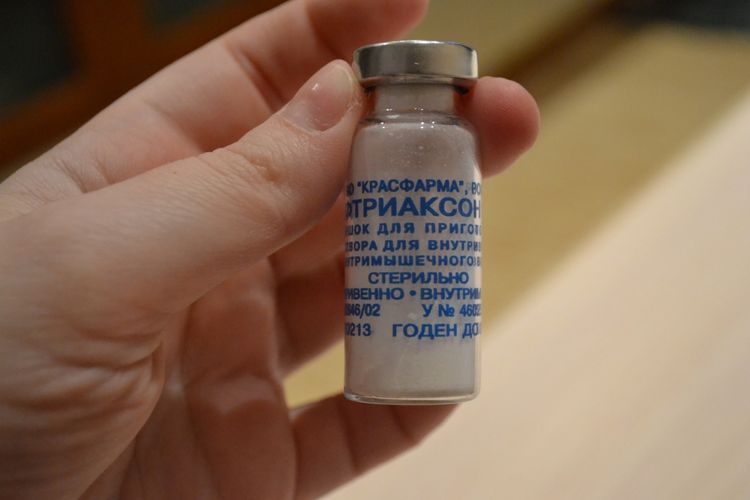
Ceftriaxone is available as a white or yellowish powder. It is packaged in glass vials sealed with rubber stoppers and aluminum caps. This helps maintain the medication's hermetic integrity. Since the medication is administered by injection, the powder is diluted with water for injection or novocaine before use. Vials contain 0.25, 0.5, 1, or 2 grams of ceftriaxone sodium salt.
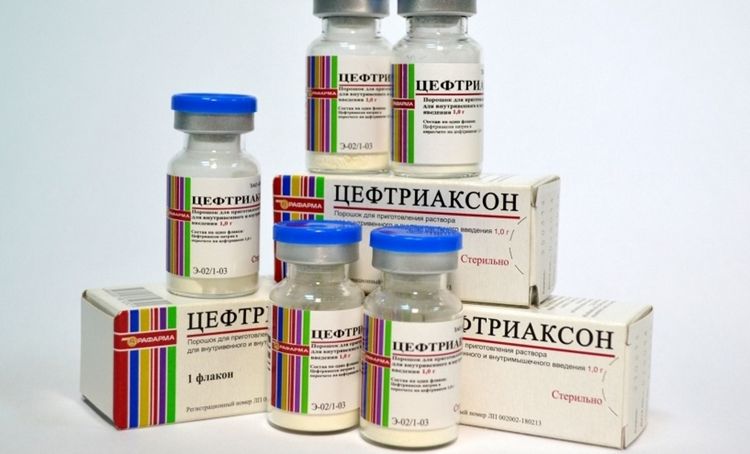
Powder vials are packaged in cardboard boxes of 10, but many pharmacies sell them individually. The shelf life of unopened vials is three years from the date of manufacture, provided they are stored away from sunlight at a temperature of 15 to 25 degrees Celsius. The prepared solution should not be stored.
Important! Antibiotic Do not use after the expiration date, so always check the date on the packaging.
How it works and when it is used
Ceftriaxone is a third-generation cephalosporin antibiotic. It works by inhibiting the synthesis of cell membranes in pathogenic microorganisms, killing the microbes. The antibiotic begins to work 2-3 hours after administration. It is distributed throughout the body via the bloodstream and is eliminated primarily by the kidneys.
The drug is effective against various bacterial infections:
- staphylococci;
- streptococci;
- E. coli;
- protea;
- enterococci;
- salmonella and others.
Treatment of cats with Ceftriaxone is recommended in the following cases:
- with otitis;
- in sepsis;
- at bronchitis, pneumonia and other infectious diseases of the respiratory tract;
- at cystitis and other bacterial inflammations of the genitourinary system;
- in case of infection of the liver and biliary tract;
- at chladymiasis;
- with meningitis;
- for osteomyelitis and other bone pathologies of bacterial origin;
- for infectious inflammation of soft tissues;
- for gastrointestinal infections;
- for other pathologies caused by microorganisms sensitive to antibiotics.
The drug is also prescribed in the postoperative period to prevent complications in the form of bacterial infections.
Instructions for use and dosage
The medicinal powder is used to prepare a solution. It is usually administered intramuscularly. Where exactly should it be injected? Typically, injections are given in the hind thigh, where there is a large amount of muscle. It is also possible to administer the medication intravenously to animals, but this is difficult to do at home. This procedure should only be performed by a qualified veterinarian.
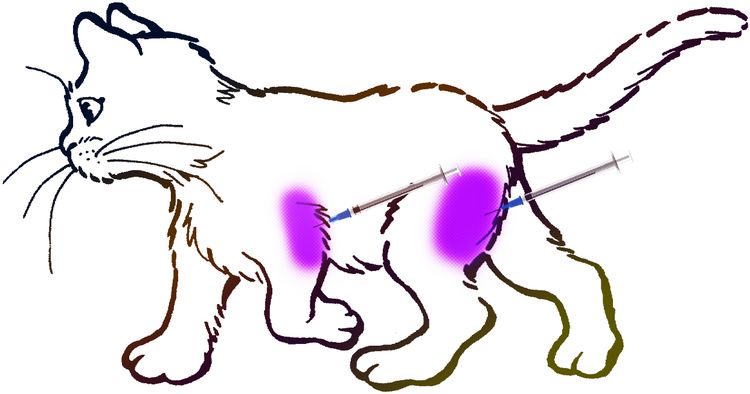
Please note! Subcutaneous administration of ceftriaxone to cats is strictly prohibited.
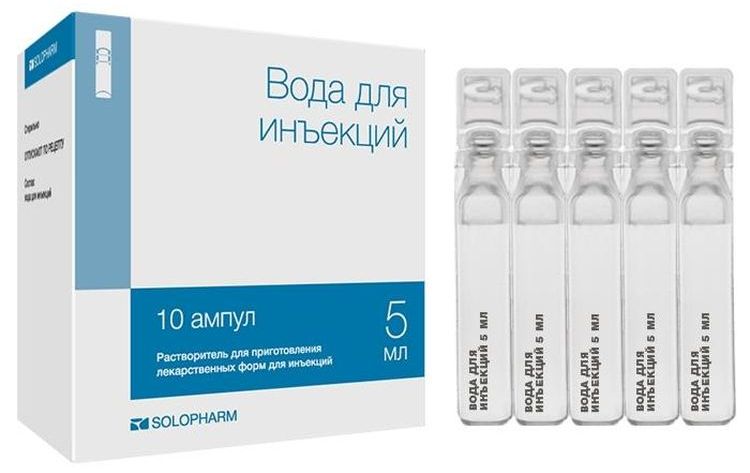
The powder can be diluted with water for injection or 1% novocaine. The latter option is preferable if the animal is not allergic to the anesthetic, as antibiotic injections are very painful. However, lidocaine should not be used to dilute the antibacterial powder, as it often causes severe allergic reactions in cats, including anaphylactic shock. Furthermore, lidocaine can significantly lower blood pressure, making it fatal for animals with cardiovascular disease.
The antibiotic dosage is calculated based on the pet's weight. According to the veterinary instructions, the Ceftriaxone dose for cats is 20-40 mg per 1 kg of body weight. To calculate the amount of solution needed, consider the amount of antibacterial agent in the vial. It is recommended to purchase 0.25 g vials for cats. If 3.5 ml of novocaine or water for injection is added to such a vial, then 0.5 ml will be needed for animals up to 2 kg, and 1 ml for larger pets. If 3.5 ml of diluent is added to a vial containing 0.5 g of medicinal powder, then 0.14-0.16 ml of solution will be needed per 1 kg of body weight.
Important! The ratio of dilution liquid to powder, as well as the dosage of the prepared solution, must be calculated by a doctor. Do not self-medicate, as this may be fatal to your animal.
Injections are given once daily. When first administered, it is important to monitor the animal's condition or conduct an allergy test before starting treatment. The course of treatment typically lasts 5-10 days, but this is determined solely by the veterinarian based on the animal's condition and symptoms. If the pet's condition does not improve within 2-3 days, a different antibiotic should be selected.
How to give injections?
To prepare the solution, you need to do the following:
- Remove the aluminum disk from the center of the cap.
- Draw novocaine or water into the syringe.
- Pierce the rubber stopper and release the contents of the syringe into the vial.
- Shake the bottle well to ensure the powder is completely dissolved.
- Draw the prepared solution into a syringe.
- Before giving an injection to an animal, change the needle to a new one.
It's best to use insulin syringes for administering Ceftriaxone. The thin needle makes the injections less painful. Here's how I do them:
- The cat should be restrained. It's best to keep the muscles as relaxed as possible. The injection site doesn't need to be treated; just massage it gently.
- Quickly insert the needle at a 45˚ angle about 1 cm into the muscle tissue.
- Introduce the solution slowly.
- Carefully remove the needle and gently massage the injection site, but do not press as it may be painful.
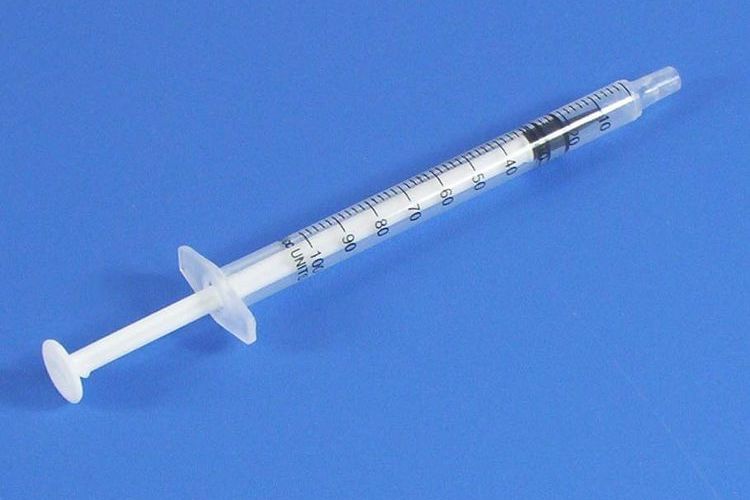
Please note: Since the antibacterial agent is painful, it is recommended to administer the injections alternately into the right and left hind paws.
Contraindications and side effects
Ceftriaxone should not be used in the following cases:
- in case of antibiotic intolerance;
- during pregnancy and lactation;
- in case of renal failure and severe renal impairment;
- in case of liver failure.
It is not recommended to use the drug for small and premature kittens, as it may have a negative impact on development.
Please note! This medication can cause abnormal birth defects in kittens, so it should not be administered before mating. At least three months must pass between the administration of the antibiotic and mating.
Sometimes the drug causes allergic reactions, which can include itching, rash, and even anaphylactic shock. The drug may also be accompanied by the following side effects:
- diarrhea;
- vomiting;
- changes in blood composition;
- liver dysfunction;
- chills or fever.
If such symptoms are detected, use is discontinued, antiallergic agents and symptomatic treatment are prescribed.
Advantages and disadvantages
The main benefits of using Ceftriaxone for cats include the following:
- Broad spectrum of activity. Effective against various types of gram-positive and gram-negative bacteria.
- Highly effective. This third-generation antibiotic starts working quickly.
- Availability. You can buy the medication at any nearby pharmacy. There's no need to look for a veterinary pharmacy.
- Low cost. One bottle of Ceftriaxone costs 20-30 rubles, and a course of treatment requires no more than 10 bottles.
The drug also has significant disadvantages:
- painful injections;
- side effects;
- risk of deterioration of health and even death in case of overdose or improper use;
- complexity of solution preparation;
- a number of contraindications.
Owner reviews
Maria, owner of a mongrel cat:
"I found our beauty on the street. Her health was poor. An examination revealed sinusitis (mucus, pus, and blood were running from her nose). The doctor prescribed Ceftriaxone. The injections are very painful, but after the second injection, she felt significantly better, and after a seven-day course, she completely recovered."
Julia, owner of a 7-year-old cat:
"This antibiotic almost killed my cat. She now has serious kidney problems, and it's unclear whether she'll recover. We were prescribed Ceftriaxone for pancreatitis. We later learned the dose was almost doubled (we followed the doctor's recommendations). I think it's better to choose a safer medication, even if the treatment is longer."
Veterinarian Reviews
Marina, a veterinarian with 12 years of experience:
"Ceftriaxone is a good antibiotic. In many cases, it offers hope for a full recovery, but it must be used with caution. Only a doctor should determine the dosage. I once tried to save a cat from an overdose, but, unfortunately, our efforts were in vain. This drug is definitely not suitable for self-medication."
Mikhail, a veterinarian with 8 years of experience:
"Ceftriaxone is an inexpensive yet effective antibacterial agent. It is often prescribed to both cats and dogs. Owners are advised to dilute the powder with novocaine. Like most antibiotics, it can cause side effects (there have even been cases of pet death), but I believe the drug's benefits outweigh those of other medications."
Read also:


10 comments
Alexandra
Hello, please tell us what to do too. We have a cat, a Sphynx, after a fight with other cats in the yard, we developed an abscess on our shoulder blade, a lump the size of a milligram egg. The doctor prescribed the antibiotic ceftriaxone acos, but didn’t say how or what to dilute it with. I’m afraid there will be blood poisoning if we don’t start the injections on time.
Daria is a veterinarian
Hello!
The method of dilution of this drug depends on the dose of the antibiotic prescribed and the site of its administration.
This drug can be diluted with 0.9% sodium chloride (saline solution), 0.5% lidocaine and novocaine, the volume and proportions also differ.
Therefore, we recommend that you contact your doctor and clarify this information with him.
Wishing your little tail a speedy recovery.
Svetlana
Please tell me how many hours can I store a solution of Ceftriaxone with lidocaine and water for injection?
Daria is a veterinarian
Hello. Diluted ceftriaxone can be stored in the refrigerator for 24 hours.
Lyuba
If the bottle is 1,000 ig, the cat is 7 kg, how much water is in 5 ml? And how much should I inject? Is it possible for kidney stones?
Daria is a veterinarian
Hello!
An antibiotic, which is what Ceftriaxone is, is not a drug for the treatment of urolithiasis.
An antibiotic is prescribed only by a veterinarian based on a completed diagnosis!
Please do not self-medicate, seek help from a veterinarian.
Cat
The cat is 2 months old, started coughing, was prescribed Ceftriaxone for 3 days, it seemed to pass... They didn't give her an injection for a day, then it started again
ANGELINA
I need advice. My 4-month-old kitten has pneumonia. She was prescribed 0.25 mg of Ceftriaxone twice a day, morning and evening, but was instructed to inject it into the scruff of the neck. I wanted to dilute the antibiotic with novocaine or lidocaine and give her a single injection of 0.5 mg to reduce the pain and avoid psychological trauma, as she's in a lot of pain. I read that it should be given with novocaine or lidocaine, given once, and at a dose of 0.5 mg for our weight. What should I do? I feel very sorry for the animal; she's in pain. Is there a good veterinarian here who could recommend one? Thank you very much. I need advice.
Daria is a veterinarian
Hello! Ceftriaxone is administered to cats at a dosage of 20-25 mg per 1 kg of body weight, every 12 hours (i.e. twice a day), but! A single dose of 50 mg per 1 kg of body weight is also acceptable. However, it is injected intramuscularly, not subcutaneously. Subcutaneous administration is "allowed" because it is easier. However, there is a risk of leaving lumps (hardenings) that will take a long time to resolve. If you increase the dosage, you will have to administer more. And where did you get the 0.25 and 0.5 mg dosages??? Your 4-month-old kitten weighs 10 g? And the antibiotic is packaged in 250, 500, 1000, and 2000 mg (i.e. 0.25 g, 0.5 g, 1 g, and 2 g).
Tamara
We found a kitten on the street. He had diarrhea, but it went away. Then he started having diarrhea that was even worse than before, like water. I'm giving him rice water, rehydron, and Vetom. There's no vet clinic nearby until 9:00 on holidays. He's started refusing to eat. Help!
Add a comment