
Dog grooming: which dogs need grooming?
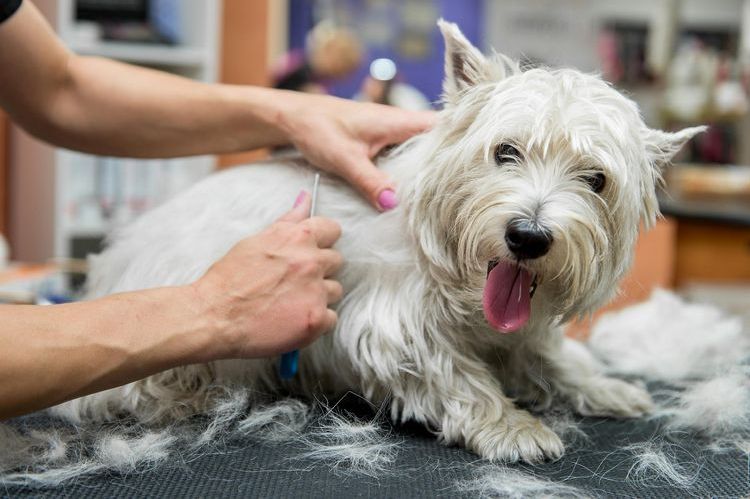
In this article, we'll explore what dog trimming is, which dogs are trimmed, and many other interesting aspects of the process. Trimming (also known as stripping or rolling) is a hygienic procedure for removing dead hair from a dog's coat. It's essential for wire-haired breeds. Hair is removed manually with fingers or with special tools and accessories. The latter option is the gentler and more common.
Content
Structure of the cover
The coat of wirehaired breeds consists of two layers:
- The short undercoat has a soft texture and is thick enough to keep the animal warm.
- Long and stiff guard hairs.
This structure developed naturally. Dead hair is removed when the dog spends a lot of time outdoors. For indoor-raised pets with limited mobility, trimming has become an alternative.
Benefit
Some owners confuse trimming with clipping, although they are completely different procedures. When coarse hairs are systematically trimmed with clippers or scissors, the coat becomes dull, thinner, more sparse, and softer. Trimming does nothing of the sort: new hairs of similar texture and density grow in place of the removed ones. The quality of the coat not only remains intact, but actually improves.
Advantages and benefits for your pet:
- the procedure accelerates blood circulation, which has a beneficial effect on the growth of new hair;
- owners do not need to brush their pet every day, while it still looks well-groomed;
- Timely removal of dead hair allows the skin to breathe, minimizing the risk of parasite proliferation and the development of infectious and fungal diseases.
Trimmed dog breeds
This procedure is mandatory for breeds with wire and mixed coats. These include:
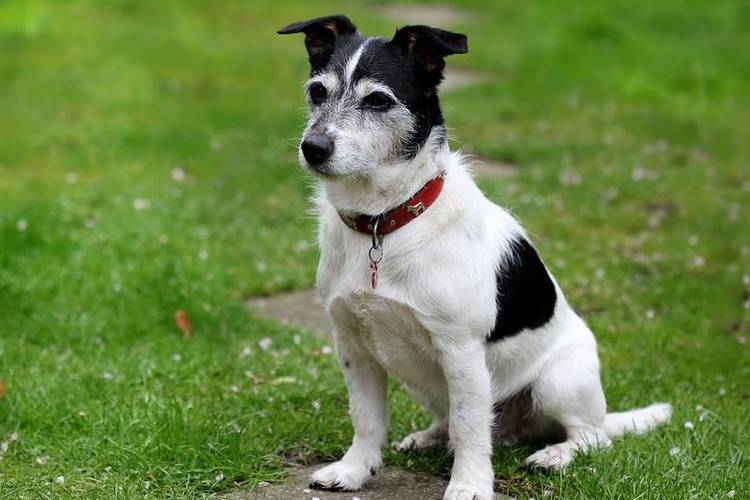
- Jack Russell;
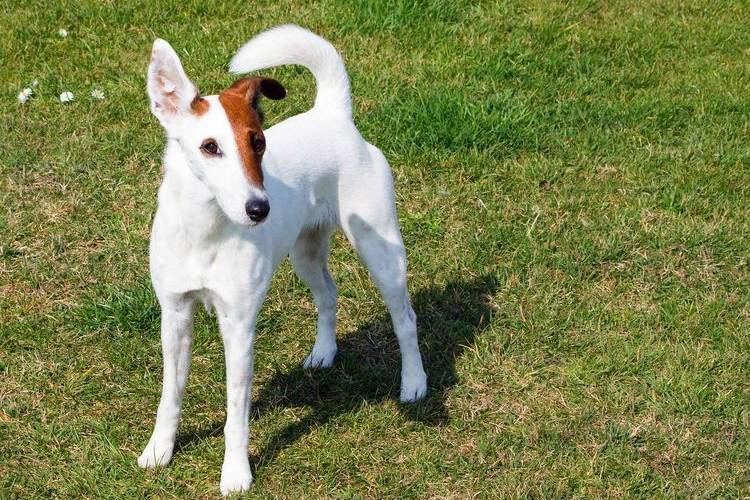
- fox terrier;
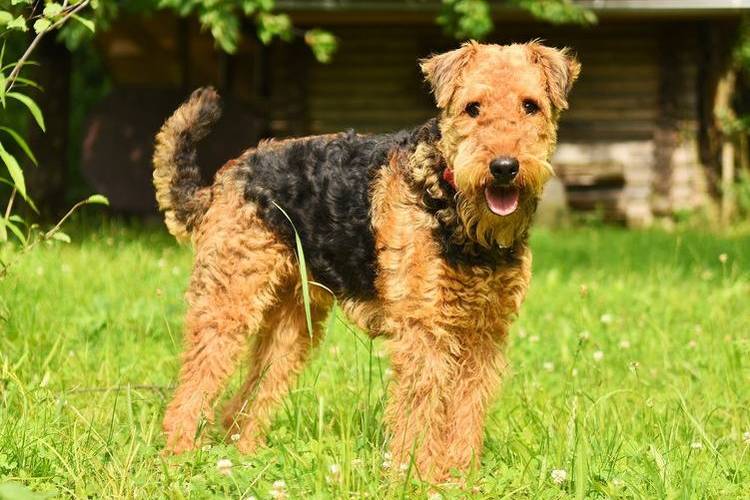
- Airedale;
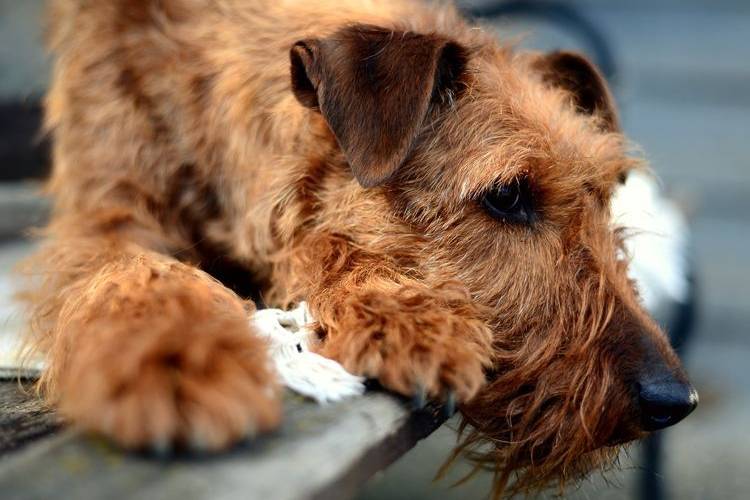
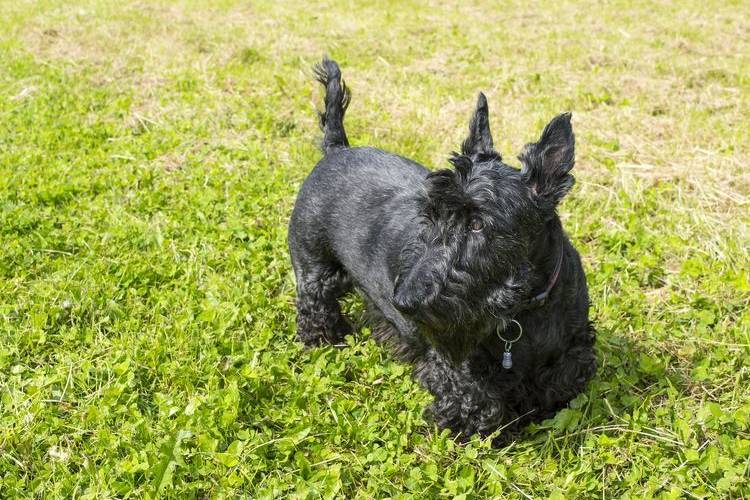
- Irish and Scottish Terriers;
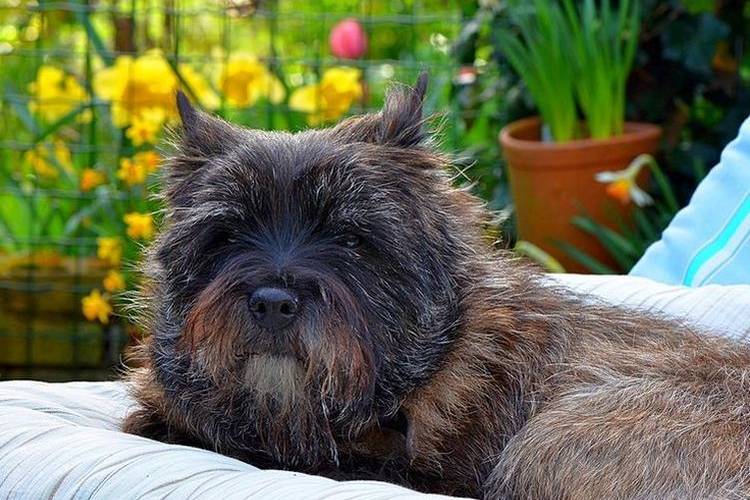
- Cairn Terrier;
- Giant Schnauzer;
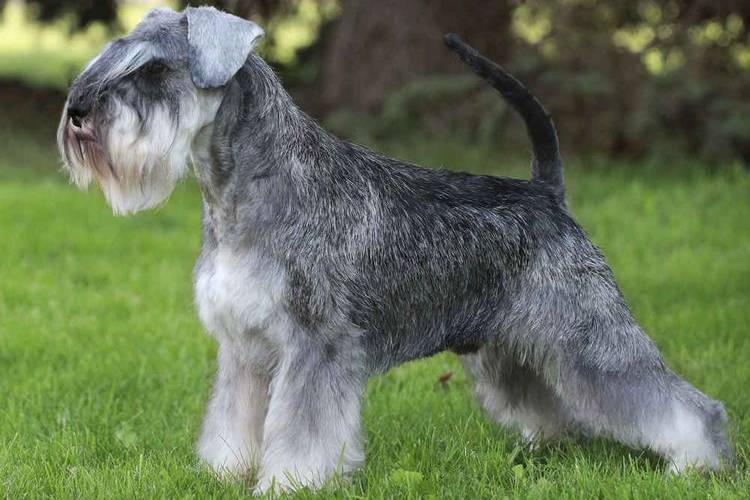
- miniature schnauzer;
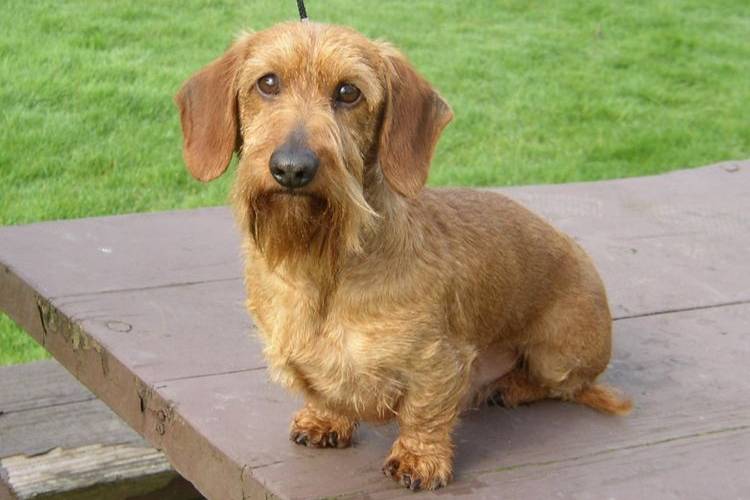
- wire-haired dachshund;
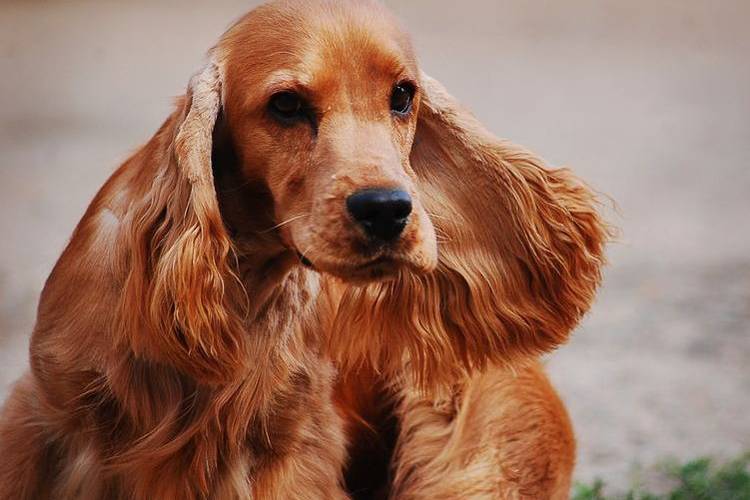
- cocker;
- setter;
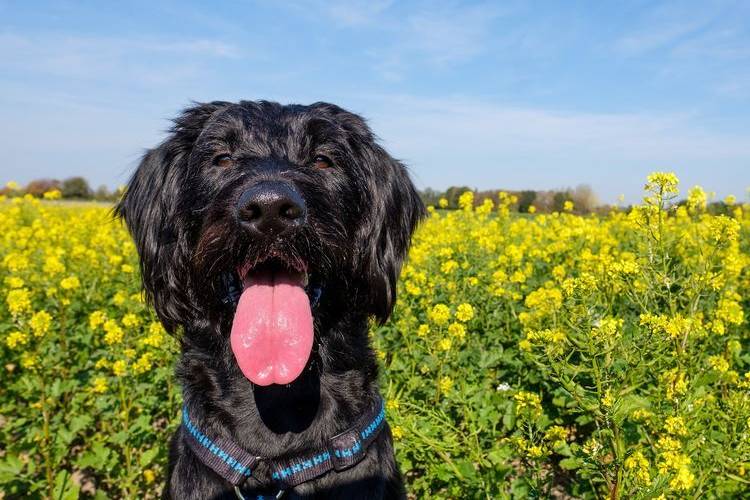
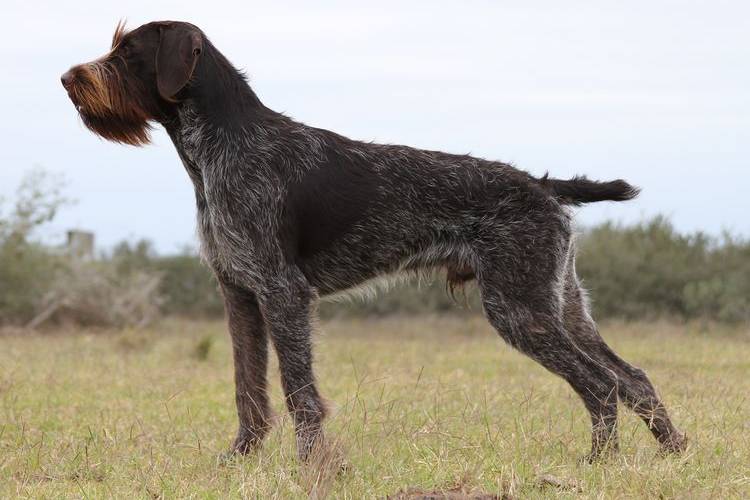
- Drahthaar.
 Jack Russell
Light or full
Groomers trim dogs using modern techniques that weren't available 20-25 years ago. While previously all wirehaired breeds underwent complete plucking, today light thinning is most common.
Light thinning – a gentle technique that thins the top layer of hair. The groomer carefully grabs some of the protruding hairs and removes them without damaging the healthy coat. During this procedure, the animal loses no more than 15% of its coat volume if it's thinned monthly. If the frequency is quarterly, the volume will be greater – on average, a third of the total.
Full trimming – a more labor-intensive process, as the groomer removes all dead guard hairs. The undercoat can be removed, left, or trimmed, depending on the weather and the initial condition of the coat. The undercoat is plucked to renew it, but in cold weather, it is usually left alone to protect the dog from the cold. This technique is used if more than four months have passed since the last grooming.
When to thin
The time frame depends on the breed, size of the animal, and the purpose of the thinning. Small and medium-sized terriers should be introduced to stripping starting at 4 months of age, while large terriers should be introduced to stripping starting at 6 months of age.
Frequency depends on the technique and goals. Optimal frequency:
- for light equipment – every 3 months;
- for complete plucking – every 6 months.
It is best to do this in the spring and fall, when animals begin to shed their hair seasonally.
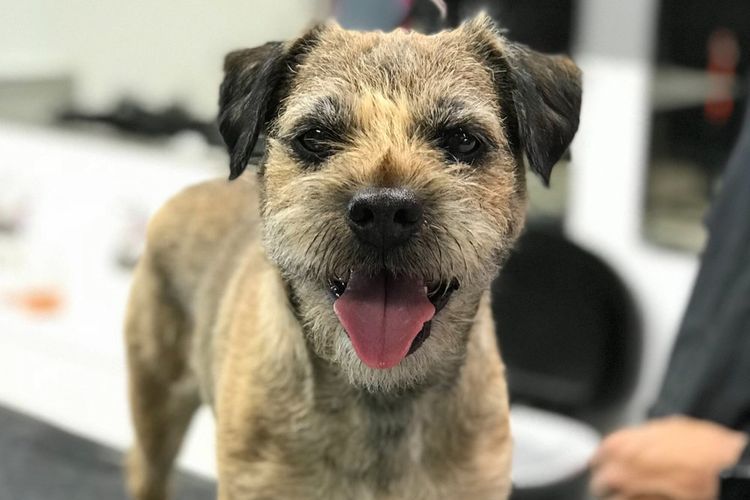
If the animal is scheduled to participate in a show, the frequency varies. Most wirehaired breeds are trimmed two months before the event. Schnauzers are an exception, with trimmings done two and a half to three months before the event.
This is important! Frequency is an individual parameter, largely dependent on age, health, activity level, food quality, and previous illnesses, as any deviations will affect the condition of the coat. The owner should run a small amount of hair between their fingers—there shouldn't be any remaining hairs on the hand. If any remain, it's time for trimming.
Salon procedure and its features
Professional thinning in grooming salons involves the use of special equipment and tools:
- The table is designed with restraints to keep the dog from moving during the procedure. The surface is rough to prevent paws from slipping.
- Trimming knives. Professionals use several knives: for removing undercoat, thick coat, and body hair.
- Stone knife. This tool is shaped like a nail file. It's used for removing hair from ears and other hard-to-reach areas. This knife allows you to gently remove dead hair without damaging your dog's skin.
- A loose-textured stone used by groomers to remove dirt and remaining hair from an animal's coat at the end of trimming.
- Special powders or crayons exfoliate dead skin cells, renewing the skin. These powders and crayons are talc-free and safe for your pet's health.
- Slicker brushes and combs are used to thoroughly comb the coat before the procedure, removing tangles.
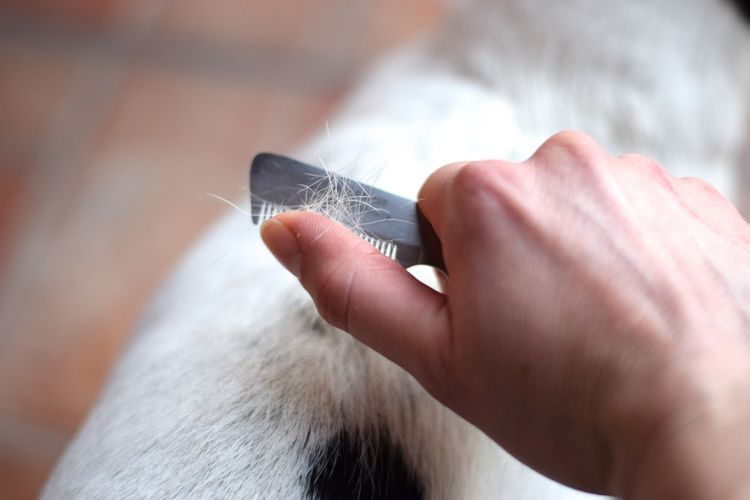
Groomers don't use with scissors – They usually remove matted wool clumps by hand. To make the task easier, they use a special oil.
Salon grooming is safe and painless—pets accustomed to it often fall asleep during the plucking process. Specialists strive to remove all old hair in one visit, allowing new hair to grow in evenly and simultaneously. Pauses of 10-20 minutes are possible during the process to allow the pet to rest and calm down.
The average price for dog trimming is 2,000 rubles for small breeds and 3,000 rubles for medium and large breeds. It can be higher or lower, depending on the quality of the grooming salon and the demand for the specialist. The cost increases for larger volumes of hair removal.
How to trim a dog at home
To groom a puppy or adult dog's wiry coat at home, you need to know the sequence and subtleties of the procedure to avoid bald spots and skin damage.
To trim your dog at home, you don't need to bathe the animal—it's easier to grab and remove dirty hairs. A folding table is a plus, but if you don't have one, you can use a drawer or cabinet as a base. Some owners trim their pets on the floor, but doing so while sitting is inconvenient.
Before the procedure, thoroughly comb the fur. Do this in the direction of its growth, not in the opposite direction. Sometimes mats form on pets' paws; these need to be pulled out. Next, comb the head. Don't pull out the mats; rather, use your fingers to untangle them.
Experts recommend starting treatment on the back – this area is less sensitive than the rest, and touching it can be calming. It's easiest to trim the back with the pet lying on its stomach. The knife is clamped between the thumb and index finger of the working hand. Next, grab a small clump of hair and pluck it out with a sharp movement. This should be done only in the direction of hair growth. The owner uses their free hand to support the adjacent area.
When grooming the head at home, a knife is not used; the hair is thinned out with your fingers. It's easiest to pluck small sections; after each plucking, it's a good idea to brush the animal and inspect it to avoid accidentally removing excess hair. Tweezers are used to remove ear hair if professional tools are not available.
After the back and head, you can move on to the tail, ears, paws, and chest—the order depends on the animal's behavior and level of anxiety. The owner will have to adapt to the animal's behavior to avoid causing unnecessary irritation.
This is important! A stressed pet is restless, frightened, and nervous. Owners try to calm them with petting, but this shouldn't be done, as the pet might interpret the gesture as encouragement. Instead of petting, it's best to massage the pet—this will distract it and redirect its attention.
After removing all dead hair, the pet is brushed again, bathed, and dried. Any loose hairs are removed by hand after drying. The dog quickly adapts—by the third session, it's already sleeping peacefully.
Read also:
- My dog is shedding a lot: what should I do?
- Furminator for dogs
- Irritation and itching in a dog after a haircut


Add a comment