
Ringworm in Dogs: Causes and Treatment
Ringworm in dogs is such a common occurrence that every breeder should be aware of its causes and basic treatment principles, as the disease is dangerous not only for the animal but also for humans.
What causes the disease?
Trichophytosis is the scientific name for a disease commonly known as "ringworm." It is caused by the microscopic fungus Trichophyton. Its spores can be found anywhere: on bedding, on personal hygiene items, in grass. The parasite is so resilient that it can survive in hair for up to 10 years, in feces for 8 months, and in soil outdoors for about 140 days.
The disease is highly contagious. Infection occurs through close contact with an already infected animal or through poor hygiene. Older dogs and dogs with weakened immune systems are more likely to contract trichophyton. However, even healthy dogs are not immune to ringworm, as even a small cut on the skin can become a breeding ground for the parasite.
According to statistics, outbreaks of the disease occur in the fall and winter, due to a natural decline in a dog's immune system. Infection is more difficult in the summer, as the body's immune system is stronger, and the external environment is unfavorable for the fungus, which is killed by ultraviolet light. Ringworm most often affects stray animals, but domestic pets are also at high risk of contracting the fungus, especially under stress.
Development of the disease
It cannot be said that if it gets on the skin of an animal, fungus will definitely cause illness. For healthy dogs, this contact may be asymptomatic. However, if triggering factors are present, the following will occur:
- the mycelium penetrates into the thickness of the epidermis and grows there;
- The hair follicles are affected and inflammation begins.
Treatment difficulties include the fact that the disease doesn't manifest itself immediately, but rather after about two weeks. Before then, it's virtually impossible to suspect a Trichophyton infection, as in the early stages, the disease may only manifest itself through behavioral changes.
Symptoms
During the incubation period, the animal begins to itch. The first thing owners suspect is a flea infestation. Observing the pet can immediately suggest ringworm: the dog will scratch in one spot. The first stage is the appearance of redness and swelling. Typically, there is no rash at first. It's just... red spot, which is often confused with common dermatitis and attempts are made to identify the allergen.
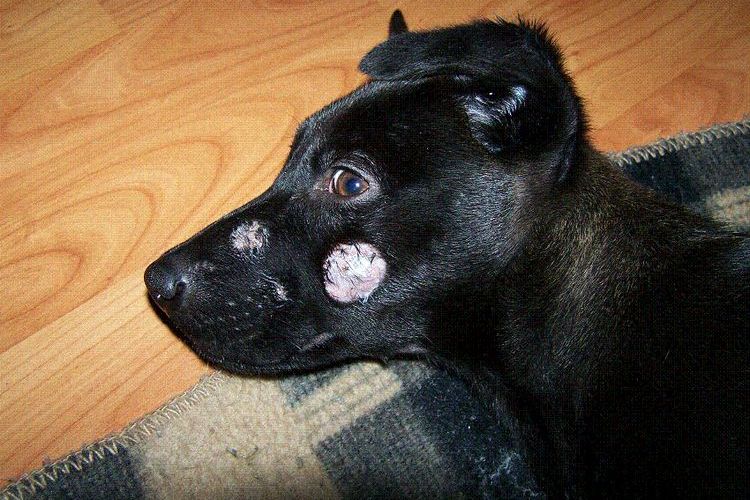
As the mycelium grows in the skin, the concentration of the parasite's toxic waste products increases, causing the upper layer of the epidermis to deteriorate. At this point, the disease becomes visible to the naked eye. At this stage, the skin begins to peel, and the itching intensifies. The final stage is hair loss at the affected area. A bald, red spot with protruding hairs appears on the dog's body, hence the name "ringworm." During the initial infection, the spot is small, round, and has distinct edges. The skin in the center is wrinkled and very dry, often grayish in color, which is very noticeable against the bright red border.
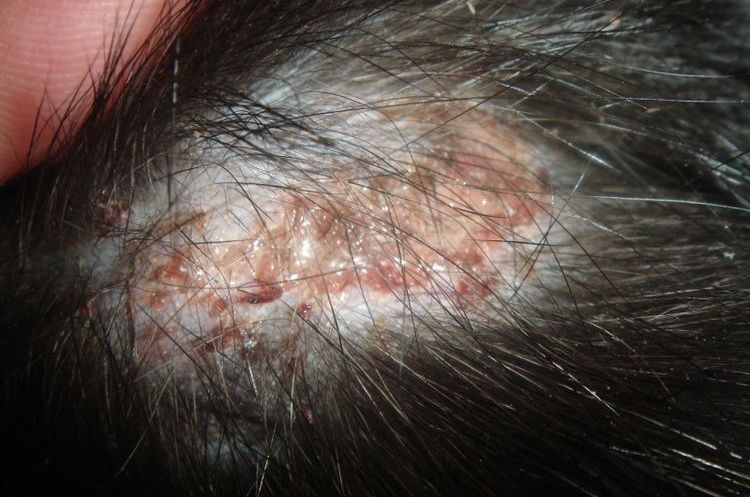
Single lesions are localized on the paws, head, neck, and at the base of the tail. As the fungus spreads, spots appear on the face, abdomen, and even at the base of the nails. Secondary lesions of the epidermis are more dangerous for the animal. The more severe the disease, the more intense the itching, causing the dog to injure the upper layer of the epidermis—a favorable environment for mycelial growth.
If left untreated, small patches of ringworm merge, covering large areas of the body. Scabs form at the site of the initial lesions, which, when broken, develop into ulcers. Further neglect leads to pyoderma, a purulent inflammation of the skin. The dog becomes lethargic, loses its appetite, develops a fever, and blood tests reveal elevated white blood cell counts.
Diagnosis and treatment
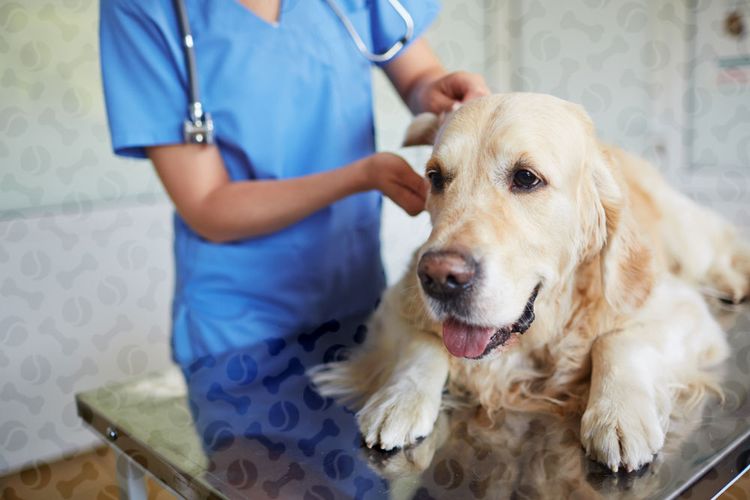
If you suspect a disease, you should consult a veterinarian. Ringworm in dogs can be diagnosed in several ways:
- examination of epidermis and hair samples under a microscope;
- illumination of the lesion with a “black light” under a Wood’s lamp;
- Seeding the biomaterial into a nutrient medium. This method usually produces a 100% result.
Once diagnosed, treatment should begin immediately. This is a lengthy process. What you definitely shouldn't do is try to remove the red spots yourself. First, trim the affected area, even if hair loss has already begun. The more thoroughly the wound is cleaned, the easier it is to treat. The trimmed hairs are burned to prevent the spread of the disease.
Hydrogen peroxide is used to soften the crusts. The second step is antiseptic treatment, for which regular chlorhexidine can be used. But these are only the first steps to alleviate the condition in the affected areas. Ringworm is a fungal infection, so special medications are essential.
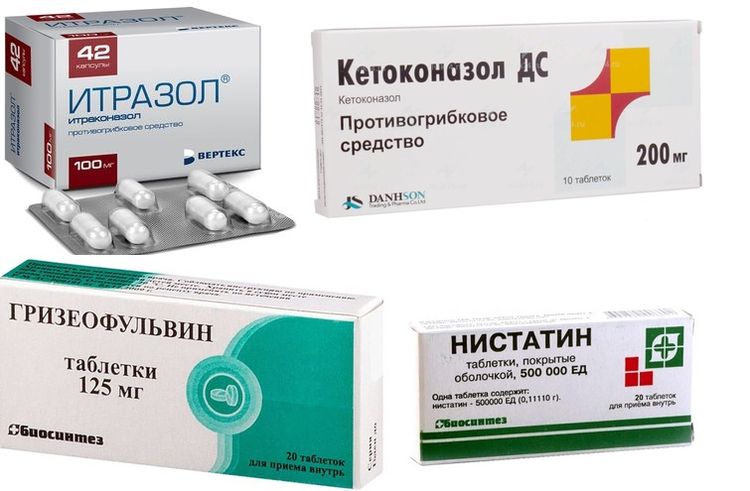
To combat fungus, medications in the form of ointments, tablets, and vaccines are used. Iodine-based medications, which fungi simply cannot tolerate, are also essential in therapy. The two most common antifungal agents are Itraconazole and Griseofulvin; Nystatin and Ketoconazole are also used successfully.
For minor skin lesions and in the absence of generalized areas, the drugs are used in the form of an ointment; in case of complications, they are used orally, and the animal is also bathed with a special shampoo containing ketoconazole.
Griseofulvin is an antibiotic that destroys the fungal cell membrane. When administered orally, the dog must be fed a balanced diet. The diet must include fatty foods, as the drug affects the gastric mucosa. A disadvantage of griseofulvin is that it cannot be used in pregnant female dogs or in older animals with impaired renal function. It is essential to follow the doctor's recommendations; otherwise, nausea and diarrhea may occur during treatment.
Itraconazole is considered safer, as it inhibits rather than destroys mycelial growth, which is effective when used in combination therapy. This drug is less toxic and causes fewer side effects.
Veterinarians often use sulfur-based ointments to treat ringworm. They apply them to the affected areas of skin, carefully preventing the dog from licking itself. They also recommend increasing the frequency of bathing. The advantage of sulfur-based ointments is that the treated areas are always visible, as sulfur-containing products have a yellowish tint.
Vaccines against trichophytosis are used successfully. They can be administered both for prevention and during treatment. The most popular preparations are Vakderm, Microderm, and PolivakTheir disadvantage is that they cannot be used during complications caused by this disease. It's also important to remember that trichophytosis symptoms often worsen after administration of the drug, but resolve after a while: this indicates the animal's body is responding appropriately to the treatment.
To protect your pet from infection with the Trichophyton fungus, it is necessary to pay special attention to strengthening the animal's immunity, as well as monitoring the dog's hygiene and limiting its contact with stray dogs.
Read also:
- Weeping lichen in dogs: symptoms and treatment
- Ringworm in dogs: how to treat it
- Reusable dog diapers


Add a comment