
Tracheitis in dogs: symptoms, treatment and prevention
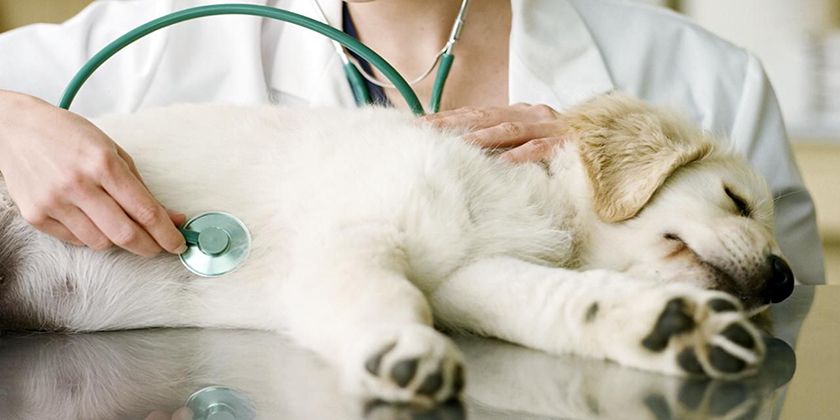
The trachea is a part of the respiratory tract of terrestrial vertebrates and humans, connecting the larynx and bronchi. Inflammation of this ciliated tubular organ is called tracheitis. In this article, we will examine the main causes of tracheitis in dogs, its clinical manifestations, and treatment.
Content
Factors contributing to the development of tracheitis
Tracheal inflammation in dogs can be caused by:
- Infections caused by various types of pathogenic microbes, viruses, and fungi. These infectious agents are typically transmitted by airborne droplets or through close contact with infected animals.
- Upper respiratory tract diseases. Tracheal inflammation can develop as a complication of laryngitis, tonsillitis, pharyngitis, and tonsillitis.
- Irritants are substances that cause severe local irritation of the mucous membranes, such as tobacco smoke, household aerosols, and strong-smelling perfumes. Tracheal inflammation in dogs can also be a reaction to various natural allergens, such as pollen and mold.
- Trauma or reflux. Damage to the dog's trachea, such as from a tight collar or a sharp object entering the trachea, as well as gastroesophageal reflux (the return of stomach contents into the esophagus).
- Breed predisposition. Some dog breeds (Chihuahuas, pugs, bulldogs, Yorkshire terriers, and Pomeranians) are more susceptible to developing tracheitis due to anatomical differences—the narrowness of their trachea.
- Stressful situations. Environmental changes, moving, leaving a dog in an unfamiliar place for a long time, or chronic stress can weaken a dog's immune system and contribute to the development of pathologies, including tracheitis.
Signs of tracheitis in dogs
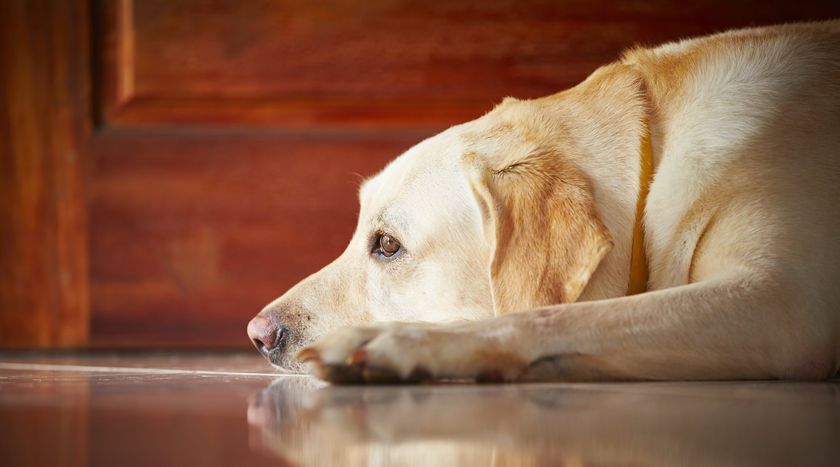
A dry, barking, severe cough is the most common symptom of tracheitis in dogs. It may become more intense with movement, excitement, or at night. In advanced tracheitis, mucus or blood may be released from the mouth or nose after debilitating coughing fits.
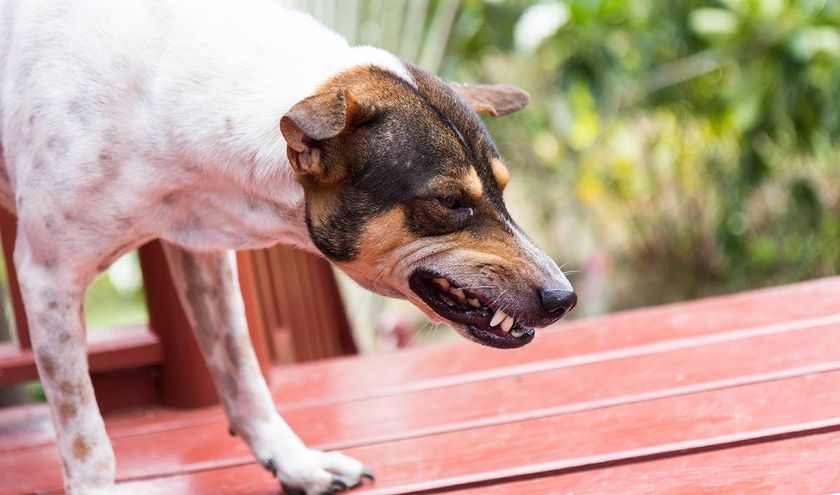
In addition, with tracheitis in a dog, the following may be observed:
- Shortness of breath, noisy or shallow breathing, often rapid, with snoring.
- Regurgitation, especially if the irritation extends to the esophagus.
- Loss of appetite, as coughing fits and breathing problems can not only cause discomfort to the dog but also make it difficult for him to eat.
- Rapid fatigue and physical weakness due to constant lack of normal rest.
- Increased sensitivity to palpation of the larynx area.
In dogs, tracheitis symptoms can vary depending on the severity of the condition and often mimic those of other upper respiratory diseases. Therefore, if you notice these symptoms, consult a veterinarian for a diagnosis.
How is the diagnosis made?
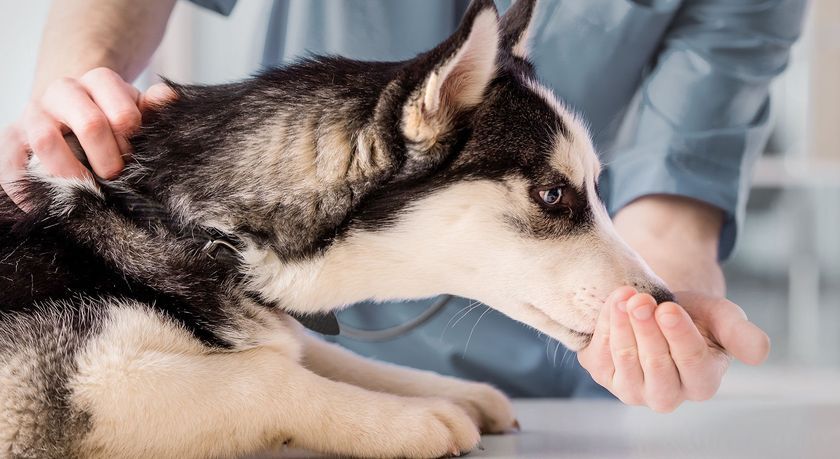
Diagnosis begins with a medical history and physical examination. The vet will interview the dog's owner to obtain a complete overview of the dog's symptoms, including the frequency and nature of the cough, behavioral changes, and appetite. While listening to the dog's chest with a stethoscope, the vet may note wheezing and difficulty breathing.
A chest X-ray can detect inflammation in the airways and adjacent structures and check for upper respiratory tract diseases such as bronchitis or pneumonia.
Bronchoscopy is a procedure in which a doctor uses a flexible tube (bronchoscope) to examine the upper and lower airways. This examination helps detect tumors or other abnormalities in a dog's trachea.
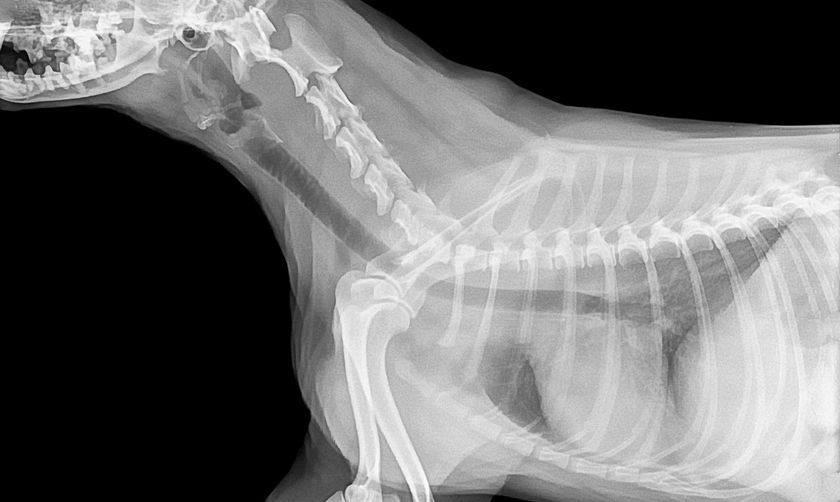
Laboratory tests (clinical and biochemical blood tests, bacteriological examination of sputum) may be prescribed to detect inflammation and identify the type of pathogen causing a bacterial or viral infection.
Treatment of tracheitis in dogs
Treatment methods for tracheitis depend on the underlying cause, its form, and severity. In mild cases of tracheal cough in dogs, a veterinarian may recommend avoiding the use of a collar instead of a harness to reduce tracheal irritation, limiting the dog's physical activity, and providing it with rest and a warm, comfortable place to rest.
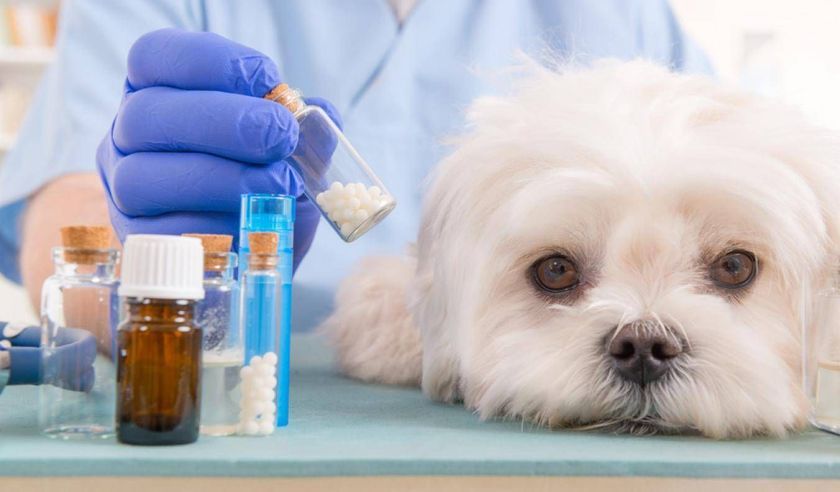
Standard therapy for tracheitis usually includes a combination of medications designed to relieve symptoms and eliminate the cause of the disease:
- The antitussive drugs Vetusin or Divopride stimulate the activity of the ciliated epithelium in the trachea, enhance the secretory function of the mucous membranes and help reduce the frequency of coughing.
- Veterinary medications such as Ainil, Butagran, Dexa-kel, and Demezon will help relieve inflammation.
- If tracheitis is caused by a bacterial infection, antibiotics (Cefalexin, Sulfamethox, Amoxicillin) may be required.
- For viral tracheitis, the dog will be prescribed Anfluron or immunomodulators Neoferon, Ribotan, Nucleopeptid.
- Sedatives (calming) such as Beaphar No Stress Spot On, Neuropan, and BioTestLab have a good effect on tracheitis.
In most cases, tracheitis in dogs is treated at home. Hospitalization for intensive care may be necessary in severe cases or if complications arise. This may involve the use of oxygen if the dog is experiencing difficulty breathing, or a bronchoscopy to remove any obstructions or tumors.
Tracheitis in dogs usually has a good prognosis with prompt diagnosis and treatment. However, the disease often becomes chronic, and full recovery requires collaboration between the owner and veterinarian, as well as strict adherence to the doctor's instructions and recommendations.
Prevention of tracheitis in dogs
There are several measures aimed at reducing the risk of developing an inflammatory process in the trachea.
Scroll:
- Avoid close contact between your pet and animals showing signs of a respiratory infection.
- Support your dog's immunity: A healthy and strong immune system helps prevent infections, including virulent respiratory diseases.
- Try not to walk your dog for too long in cold or damp weather, especially if you have a dog prone to respiratory problems.
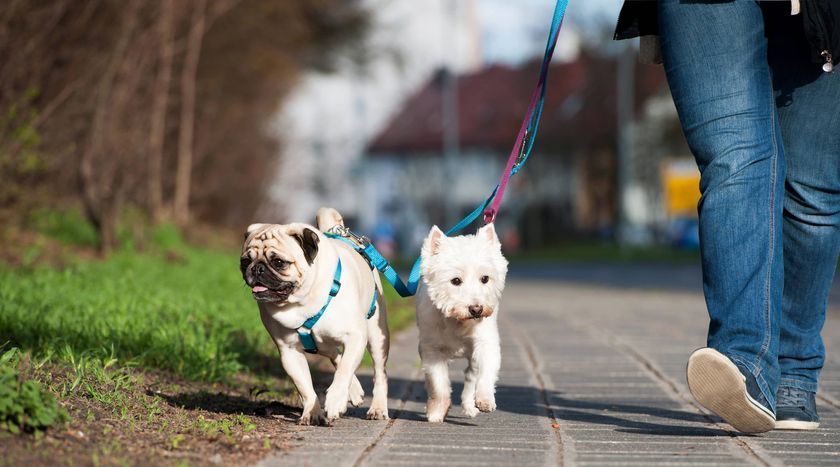
- Avoid using tight collars that can irritate your dog's throat; it's better to replace the collar with a harness.
- In the area where your dog lives, avoid the presence of chemical fumes, smoke, dust, and other irritants that can cause respiratory inflammation.
- Clean your dog's bowls and water bowls regularly to prevent bacteria from growing in them.
- Maintain your dog's normal weight to avoid putting undue pressure on the respiratory system.
- Schedule regular veterinary visits for checkups and vaccinations. Routine checkups and consultations with your veterinarian help identify and treat respiratory problems early.
Read also:
- Pneumonia in dogs: symptoms and treatment
- Bordetellosis in dogs: symptoms and treatment
- Dog Cough: Causes, Symptoms, and Treatment


Add a comment