
Toxoplasmosis in dogs: symptoms and treatment
Toxoplasmosis is a common infectious disease in humans and animals caused by intracellular parasites.Toxoplasma gondiiDogs suffer from toxoplasmosis much less frequently than cats, and in many cases the disease proceeds without any obvious symptoms. However, in weakened immune systems, the consequences can be severe: damage to the nervous and lymphatic systems, heart muscle, and visual organs is possible.

Content
Routes of infection with toxoplasmosis
Toxoplasma gondii cysts are quite resistant to external factors and can remain viable for several years in positive temperatures and high humidity, but quickly die when exposed to temperatures below -25°C (-25°F). After entering the animal's intestines through the mouth, the intracellular parasites rapidly multiply, spreading through the blood and lymph to all organs.
One of the main ways dogs become infected with toxoplasmosis is by ingesting contaminated food, such as by eating raw or undercooked meat that contains T. gondii cysts, or by eating wild-caught birds or rodents that are carriers of the disease.

Additionally, dogs can become infected with:
- Through contact with contaminated materials, such as soil or grass, which may contain T. gondii cysts. This can occur when playing in contaminated areas.
- Contact with cats that shed toxoplasma in their feces. Cats develop Toxoplasma gondii eggs, which are covered in a protective capsule, from which the microscopic eggs are released in the feces over several weeks.
- Perinatally, from an infected mother through the placenta or during the birth process.
Humans can become infected with toxoplasmosis from dogs, as the intracellular parasite T. gondii spreads systemically, infecting mucous membranes and salivary glands. To prevent transmission from animals to humans, wash your hands thoroughly after contact with dogs, and especially after cleaning and disposing of their waste.
Symptoms
Symptoms of toxoplasmosis in dogs depend on the severity of the infection and the individual's individual characteristics. Common signs include:
- Fatigue and weakness - the dog may become increasingly sleepy and spend more time in a resting state.
- Loss of appetite and weight – The dog may stop eating or eat significantly less, resulting in weight loss.
- Elevated body temperature.
- Enlarged lymph nodes.

The following may also be observed:
- cough and signs of respiratory discomfort;
- vomit;
- diarrhea or constipation;
- frequent urination;
- conjunctivitis or eye discharge;
- Neurological symptoms include behavioral changes, problems with coordination, weakness in the hind limbs, tremors, seizures, and, in severe cases, even paralysis.
The symptoms of toxoplasmosis in dogs described above are nonspecific and similar to those of other diseases. A diagnosis should be made by a veterinarian based on the results of an examination and laboratory tests.
Diagnostics
Diagnosis of toxoplasmosis involves a clinical examination of the dog and collection of anamnesis, which takes into account the symptoms of the disease and risk factors.
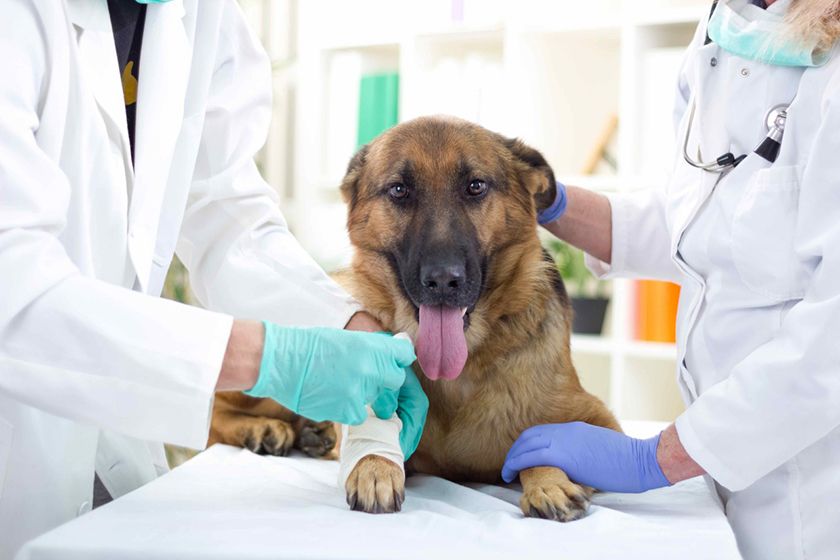
Then, to determine the presence of infection, the doctor prescribes several laboratory blood tests:
- PCR is a polymerase chain reaction method that can identify the parasite and detect even single cells of its DNA.
- ELISA is an immunochromatographic assay that allows one to identify the body's response to the pathogen by detecting specific antibodies produced against the protozoan T. gondii.
Treatment of toxoplasmosis in dogs
Toxoplasmosis treatment aims to inhibit the parasite's reproduction and destroy it. Many antiparasitic drugs are used in veterinary medicine. Among the most effective are:
- Pyrimethamine;
- Spiramycin;
- Clindamycin hydrochloride;
- Clindamycin phosphate;
- Toltrazuril;
- Atovaquone.
The vital activity of Toxoplasma gondii oocysts is effectively suppressed by coccidiostatics, which slow down the processes of parasite energy metabolism (Toltrazuril, sulfonamides).
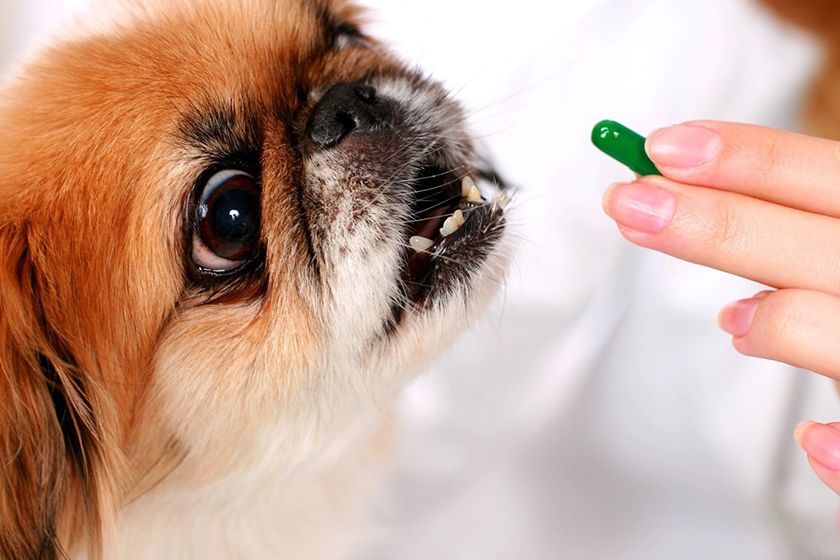
To maintain the general condition of the dog and strengthen the immune system, immunomodulators Placestim, Cycloferon, Ribotan, Immunal and vitamins retinol (A), calciferol (D), tocopherol (E), and chollifenone (K) can be prescribed.
To combat secondary infections, your vet may prescribe a course of antibiotics. For inflammation and congestion of the upper respiratory tract, decongestants and anti-inflammatory nonsteroidal medications (Dolokarp or Ketoprofen) may be prescribed. For a severe cough, VetSpokoin or Maropital are used, and to improve digestive tract function, enterosorbents such as Atoxil, Dolfos, Enterosgel, Presorb, and Smecta may be prescribed.
When treating toxoplasmosis in dogs, it is essential to strictly follow your veterinarian's recommendations regarding dosage and duration of treatment. It is also important to provide your dog with a complete, balanced diet, comfortable living conditions, and proper care.
Prevention
There is currently no vaccine against toxoplasmosis.
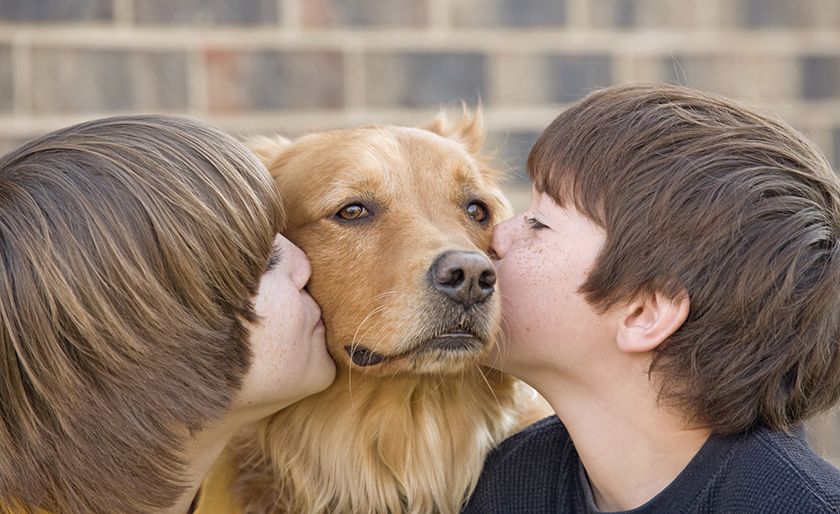
To prevent dogs from becoming infected with toxoplasmosis, you should:
- do not allow them to come into contact with potentially contaminated materials (dirty grass, soil where there may be animal feces);
- restrict your pet's access to other people's animals;
- After each walk, wash the dog's paws and face;
- Give dogs only well-cooked meat; it is possible to feed dogs raw meat that has been deep-frozen for 2-3 days;
- Provide your dog with a healthy diet, regular walks in the fresh air and enough rest to support its immune system.
Can toxoplasmosis be transmitted to humans from dogs?
Many owners are concerned about whether it's possible to contract toxoplasmosis from a dog. Such cases are considered extremely unlikely, as the parasite does not reproduce in a dog's body. Dog feces do not contain toxoplasma oocysts, meaning they pose no danger to humans.
Pathogens present at certain stages of development in dog saliva can pose a potential threat to people with weakened immune systems. However, the risk only exists if they enter an open wound or broken skin. Despite the low risk of infection, pregnant women are advised to exercise extra caution and wash their hands after contact with animals.
The main source of infection for humans remains cats and contaminated environments—soil, grass, dust, puddles—as well as food products: unwashed vegetables and fruits, poorly cooked meat and raw fish.
Read also:
- Hind Limb Paralysis in Dogs: Symptoms and Treatment
- How to measure a dog's temperature
- Lymphoma in dogs: symptoms and treatment


Add a comment