
Toy poodle (the smallest poodle)
The Toy Poodle is a popular toy dog breed that combines high intelligence, agility, and a pleasant personality with a cuddly toy-like appearance. Their coat is considered hypoallergenic, and with grooming, any look can be created. It seems the Toy Poodle is completely flawless.
Content
History of origin
The poodle is a very old dog breed. There is currently no consensus on its origins. Most cynologists believe that the poodle was created by crossing several curly-coated breeds. These were most likely water spaniels, retrievers, barbets, and possibly also pointers and greyhounds.
Depictions of clipped dogs first appear in works by Flemish and Dutch artists of the 15th century. The first mentions of the poodle date back to the 16th century and appear in chronicles of Central Europe. By this time, dogs were already common in France, England, and Germany, as well as several other countries. They were used for duck hunting, retrieving game from water, and working as truffle dogs. The poodle's curly coat retained heat and protected it from injury, but it significantly hindered its movement, so clipping was introduced. The first dog salons began to appear as early as the 18th and 19th centuries. France dictated hairstyle fashion, and it is this country that is now recognized as the breed's birthplace. The first clubs began to emerge in the late 19th century, and standards were published in England in 1886 and in Germany in 1904. Poodles were exported overseas and became widely known in the United States. Different countries developed their own breeding methods, resulting in a wide variety of poodles: small and large, light and sturdy, solid-colored and multi-colored.
Poodles first appeared in Russia in the 19th century. They quickly gained popularity among the intelligentsia and aristocracy, becoming the favorite dogs of artists, writers, and performers. These were primarily Russian-bred dogs, but small varieties imported from Europe were also common.
In 1936, the description developed by French breeders was adopted as the official breed standard. Its latest version was published in 2007.
Video review of the Toy Poodle dog breed:
https://youtu.be/eQbiXC4NKO4
Appearance
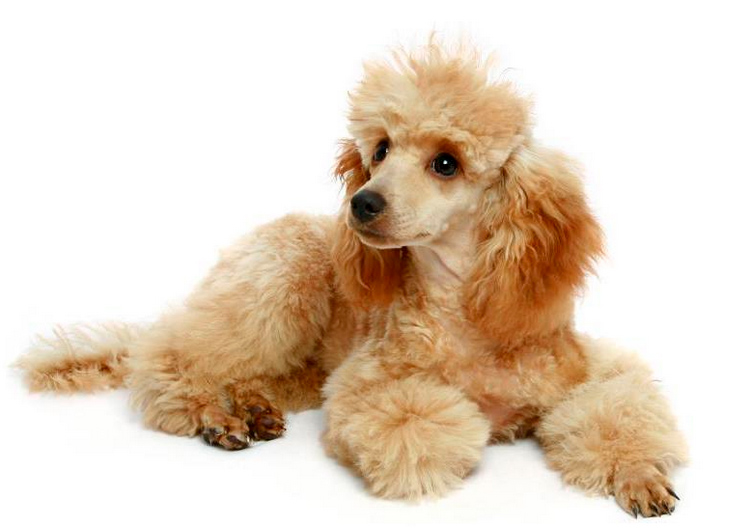
The Toy Poodle is a small, lightly built dog with a slightly elongated body and a distinctive curly coat. The grooming should highlight all the advantages of its elegant and proportionate build. The Toy Poodle is the smallest of the four varieties, with a height ranging from 24 to 28 cm. Dogs typically weigh 2-2.5 kg. The standard highlights several important proportions:
- the length of the muzzle is 9/10 of the length of the skull;
- the height at the withers is almost equal to the height of the croup;
- the length of the body is slightly greater than the height;
- The distance from the ground to the elbows is equal to 5/9 of the height.
The head should not appear heavy or overly refined, but should be proportionate and well-defined. The skull is slightly domed, with a wide frontal furrow between the eyes, tapering toward the occipital protuberance. The stop is slightly defined. The upper profile is straight, parallel to the lower jaw bone. The muzzle appears strong. The nose is well developed, with open nostrils, and is black or brown, depending on the coat color. The lips are dry and of medium thickness, with the upper lip resting on the lower lip but not overlapping it. The bite is a scissor bite. The eyes are set at the same level as the stop, slightly oblique, almond-shaped, and dark brown or black. Dark amber is acceptable in brown dogs. The ears are long, hanging along the cheeks, and set fairly low. They are flat, widening from the base, and have rounded tips. The auricle should reach the corner of the lips.
The dog carries its head high and proudly. The neck is strong, with a slightly arched nape, slightly shorter than the length of the head. The cross-section of the neck is oval. The body is well proportioned, with moderately pronounced withers, and the back is short and straight. Poodles have a strong loin. The croup is rounded, with the width of the chest being two-thirds the depth. The underline is tucked up. The tail is set high, long, and can be docked to 1/3 or 1/2 of its natural length. When moving, poodles carry their tails at an upward angle, and when at rest, they hang down. The forelimbs are perfectly straight and parallel, with good bone and muscle. The paws are small and close together, forming a short oval. The pads are thick and hard. The hind legs are parallel, with well-developed, distinct muscles and well-defined angulations. A poodle's gait is springy and effortless.
The skin is very elastic. In white poodles, it should tend toward a silvery color, while in other poodles, it should match the color of the poodle. The coat is abundant, fine, and fluffy in texture, should be well-curled, and resist pressure. The colors are solid: black, white, brown, gray, apricot, and red.
The standard allows for several show cuts: "Lion," "Modern," and "English." In some cases, dogs with the "Puppy" cut may be judged.
Character
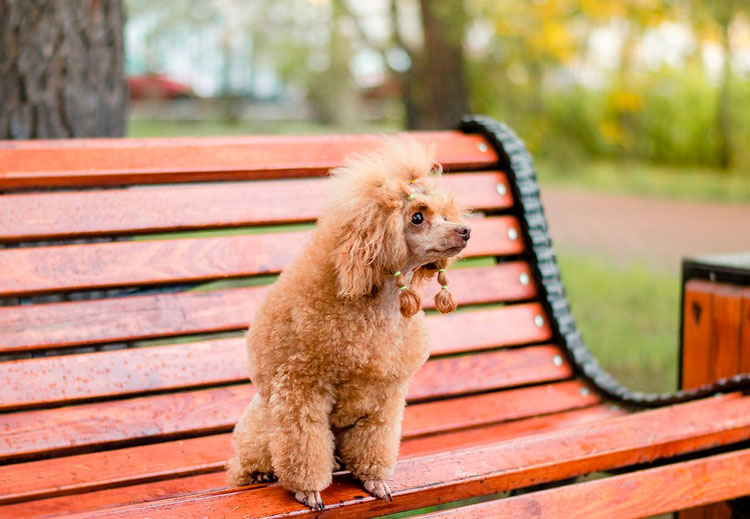
It's no coincidence that poodles have accompanied high-ranking individuals for centuries, sharing their moods and thoughts. They possess a natural aristocratic air, restraint, and grace. Toy poodles are friendly to guests, highly intelligent, and always ready to play, but are not overly clingy. These dogs have a difficult time with separation and loneliness, even for short periods. They can be jealous, stubborn, and willful, but they value their relationship with their owner too much to be vindictive or mischievous. Toy poodles are highly excitable, cannot stand raised voices, and express irritation vividly, although they are often shy. They are very sensitive to their owner's mood swings.
A toy poodle makes a great playmate for older children, but can be dangerous for very young children. Poodles require respect and affection, are intolerant of children's pranks, and may snap at them. Furthermore, children themselves may harm the dog.
The Toy Poodle is a cheerful, energetic, and friendly dog, very devoted to its owner. This dog bonds with and loves all family members, but is wary of strangers and may be intimidated by their persistence. Toy Poodles are completely non-aggressive and do not exhibit guard dog qualities.
Dogs of this breed are so people-oriented that they rarely pay attention to other dogs on walks and prefer interaction with their owner to playing with their fellow dogs. This curly-haired little fellow gets along very well with any other pets – from birds and hamsters to Great Danes and mastiffs, although he is often wary of the latter.
Most of the poodle's actions are accompanied by loud barking and a variety of other sounds, with which the dogs, like little bells, react to every rustle behind the door and communicate with the owner.
If you spoil a small poodle too much, it can grow into an uncontrollable, capricious dog, sometimes even aggressive.
Education and training
It's difficult to apply the term "training" in the full sense of the word when talking about a Toy Poodle. Rather, this dog is raised and taught the rules of behavior both indoors and outdoors. Toy Poodles will never tarnish the poodle's reputation, known for its outstanding trainability, mastery of complex tricks, and teamwork. During a puppy's maturation, it's crucial to devote considerable time and attention to training and socialization. It's important to remember that this dog, though tiny, can and should be pampered, but in moderation. The puppy is housebroken and potty trained, and must learn basic house rules. A Toy Poodle's maturation should take place in a calm environment where nothing will frighten or irritate the puppy.
Socializing your puppy, introducing him to different people, smells, and sounds, will help you raise a confident little dog, not a timid creature that trembles at every rustle.
Toy poodle training is a great way to spend time with your owner. These dogs learn commands quickly and easily and are happy to follow them. To make living together and walking more comfortable, it is necessary to teach the dog basic commands such as “place,” “no,” “come,” and “no.”
When training and raising a Toy Poodle, it's important to be consistent and not demand unsystematic execution of commands, much less insist on strict adherence. This dog follows its owner's requests, not obeys commands.
Content Features
It's hard to imagine a more suitable breed for keeping in an apartment. The toy poodle is very small, clean, has no odor and does not shed. Your dog should have his or her own sleeping area, protected from direct sunlight and drafts. It should be spacious and comfortable.
Poodles are very active and energetic dogs, but their walking needs are quite easy to satisfy—they'll be content with a leisurely stroll in the park. They especially enjoy the opportunity to run and play off-leash with their owner. In bad weather or extreme cold, a toy poodle doesn't necessarily need to be taken outside if they're potty trained indoors.
Poodles need grooming not only for aesthetic reasons, but also for hygienic reasons: dirt and food particles stuck in the fur on the muzzle, between the toes and pads lead to mats and skin diseases.
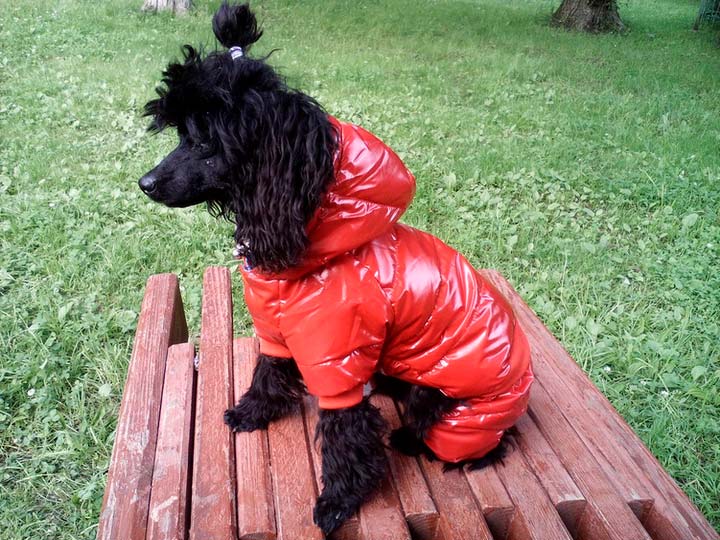
Even at temperatures between 0 and 5°C, toy poodles get cold and don't want to spend much time outside. To extend their walks, which are essential for maintaining their health, dogs are dressed according to the weather.
A toy poodle isn't the best choice for a family with small children or for people with busy work schedules. Furthermore, the dog isn't recommended for people who don't want to regularly pay attention to its appearance.
Nutrition
Toy poodles eat very little and only fuss if they're spoiled with treats from an early age. Whether to feed a toy poodle natural or commercial dry food is up to the owner; both options are acceptable. A natural diet follows standard dog recommendations. Commercially prepared foods are suitable for super premium or holistic toy poodles and small breeds. Due to a tendency to allergies, it is often necessary to experiment with diet selection. You shouldn't train your dog to eat from your hand; it should get used to eating from its own bowl, which is filled with a certain amount of normal, healthy food, not just treats.
Care
Poodles require a lot of time-consuming and expensive grooming. Given their susceptibility to dental disease, daily brushing is recommended. It's important to choose good grooming products that suit their coat type and don't dry out their skin, as bathing is often necessary. Ears should be cleaned weekly. Nails should be trimmed as they grow, usually every 3-4 weeks. Poodles should be brushed daily, checking for tangles and wiping their eyes to remove accumulated secretions. White dogs often require bleaching their tear ducts with special products, especially during puppyhood. Excessive tear production is not common in adult dogs.
Poodle haircuts
Poodles began getting groomed long before toy dogs became fashionable, and this was done for the animal's comfort while hunting waterfowl. Today, elaborate haircuts are not only a necessity but also a form of self-expression.
From an early age, a poodle puppy becomes so accustomed to various hygiene procedures that an adult dog sometimes doesn't even need to be restrained—it sits and enjoys the manipulations.The basic poodle cut is the "Lion" or its variations. Other popular cuts include the "Modern," "Continental," "English Saddle," and "Teddy Bear." Dogs of this breed are trimmed every 1.5 to 2 months and bathed typically every 2 to 3 weeks. Is it possible to not cut a dog's hair? It's possible, but a poodle's curly coat grows constantly, and it's hard to say what it will look like in a year or a year and a half. You don't have to trim specific sections of the hair, but you'll definitely have to trim the entire body.
Health and life expectancy
Poodles have very poor health and a host of hereditary diseases. It's rare to find a dog that is completely healthy and continues to delight its owners throughout its life. Senior poodles are especially vulnerable. The breed is predisposed to the following diseases:
- dental diseases (gingivitis, tartar, ulcerative stomatitis);
- urolithiasis;
- pancreatic atrophy;
- development of diabetes mellitus;
- tracheal collapse;
- epilepsy;
- narcolepsy;
- Cardiovascular diseases, including chronic atrioventricular valve insufficiency, von Willebrand disease, and patent ductus arteriosus in puppies (not treatable);
- dilated cardiomyopathy;
- aseptic necrosis of the femoral head;
- postpartum tetany;
- intervertebral disc diseases;
- hydrocephalus;
- ectopia of the ureters;
- ophthalmological diseases (glaucoma, forcing retinal atrophy, cataract);
- otitis of various etiologies;
- Cushing's syndrome;
- dislocation of the patella;
- deafness;
- allergy;
- dermatological diseases.
Poodle births vary, but usually end with a cesarean section. Once a year, it is advisable for the toy poodle to undergo a comprehensive medical examination, which will include consultations with a therapist, ophthalmologist, cardiologist, and other specialists as needed. Vaccinations are administered annually according to standard schedules. Preventative deworming is administered every 3-4 months. From the onset of warm weather until frost sets in, the dog is treated for external parasites; the frequency depends on the product used. The average lifespan of a toy poodle is 14 years.
Choosing a puppy
Before getting a puppy, make sure its parents and ancestors are small and healthy. Otherwise, you might end up like the joke about the hamster who grew up into a bear.
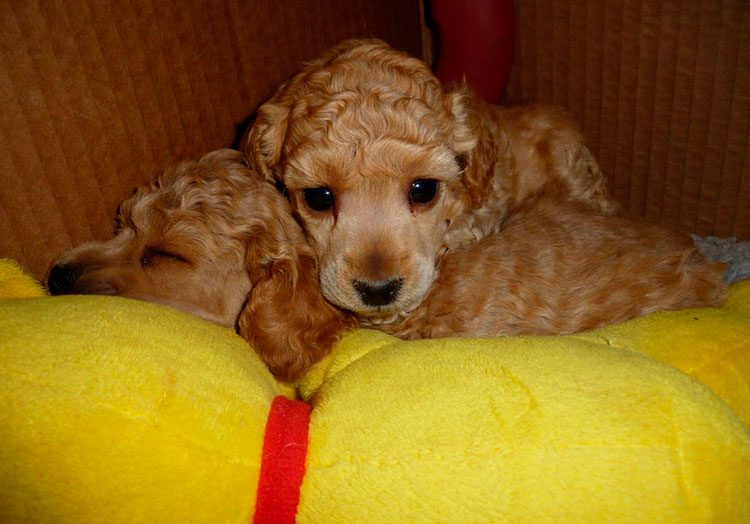
Externally, the puppies should be healthy, with a clean, soft coat, bright eyes, and clear ears. It's worth paying attention to the puppies' compliance with the standard in many already noticeable respects. Their ears should be drooping, their eyes dark, and their nose leather, tufts, and claws pigmented to match their solid color. Their front legs should be straight and their hind legs parallel.
The tail is docked between 3 and 5 days of age; it shouldn't be too long. In some cases, it's left natural. This usually happens when breeders have already produced promising puppies from a couple and are hoping to produce a good stock of puppies that can compete at international shows in countries where docking is prohibited by law. It's almost impossible to see a future winner in a 2-3 month old puppy, but even puppies "for the soul," as they say, must meet the standard. A Toy Poodle puppy should be curious, friendly, and never aggressive or timid; otherwise, it likely has an unstable personality.
A puppy must have a veterinary passport with all age-appropriate vaccinations. A purebred puppy also has a tattoo and a birth certificate (puppy card), which is later exchanged for a pedigree. If all these documents are missing, the puppies were the result of an unplanned mating, and, in the best-case scenario, the breeder just happened to have two good dogs that had already produced good offspring. However, unplanned matings are most often used as a cover for scammers. Seeking profit, they breed their own dogs, despite the fact that they are closely related. Mixed breeds that have inherited the curly coat and small size of one parent may be sold as miniature poodles. The minimum age at which a puppy can be adopted is 2-2.5 months.
Price
Toy poodle prices vary widely. High-quality dogs from kennels that carefully match puppies cost upwards of 30,000 rubles. A miniature pup can be purchased from a private seller for 5,000-10,000 rubles.
Photos
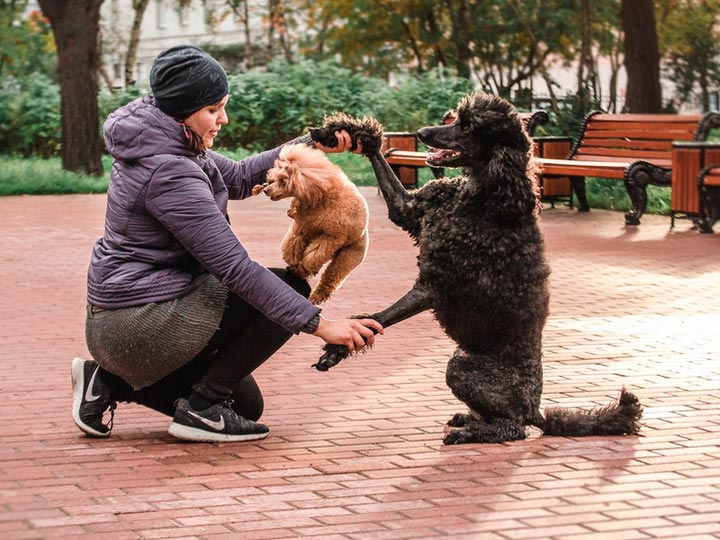
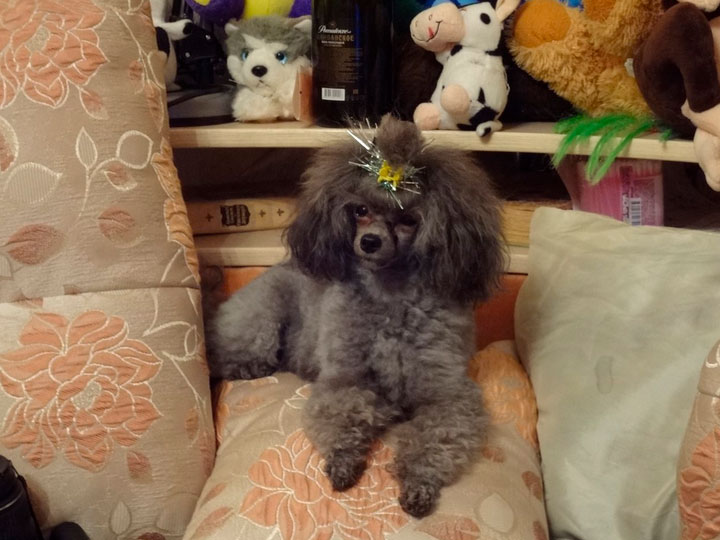
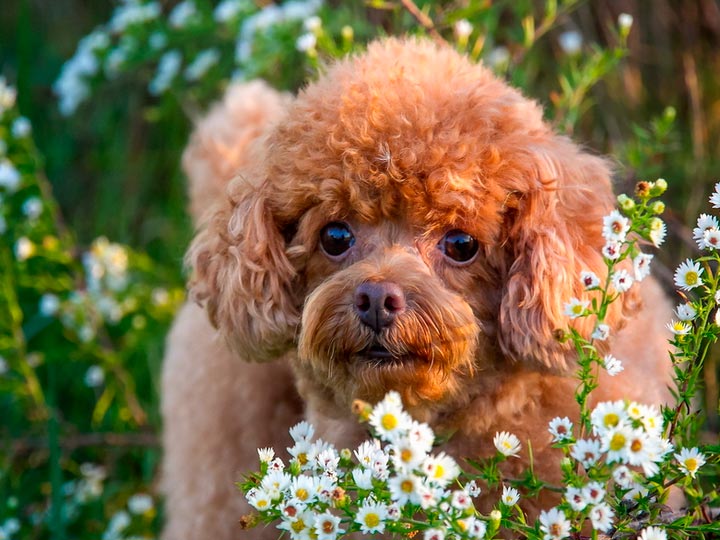
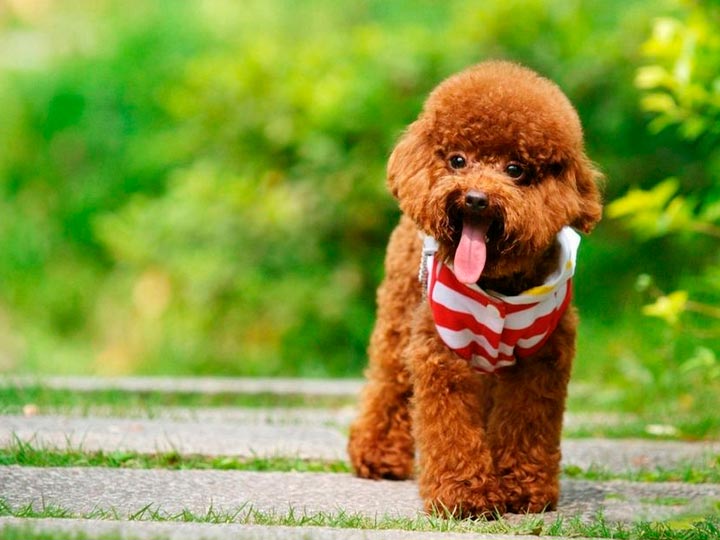
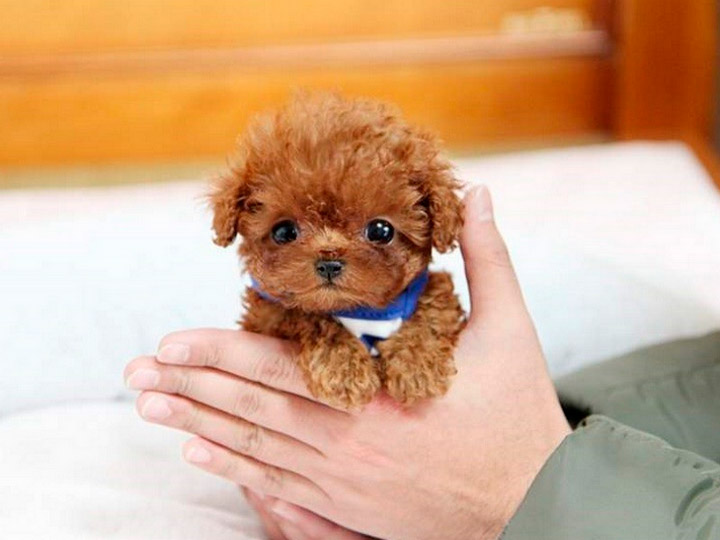
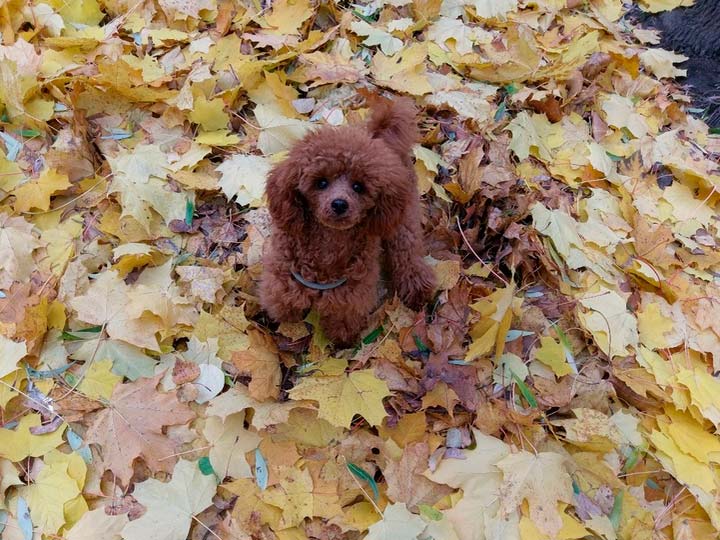
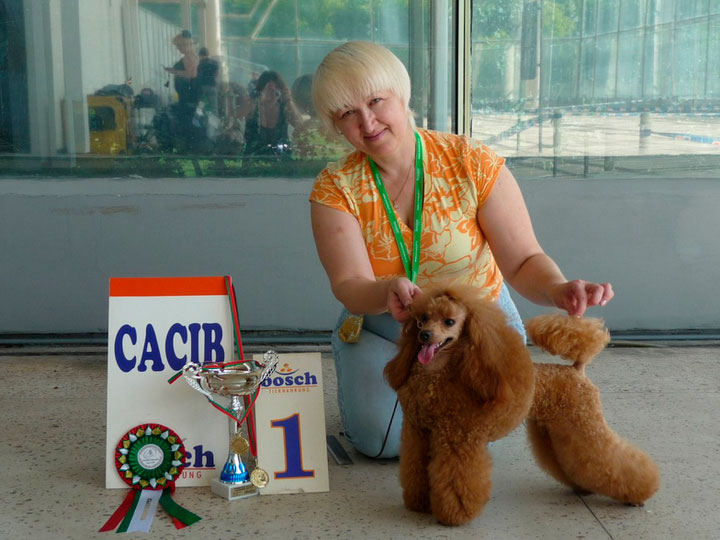
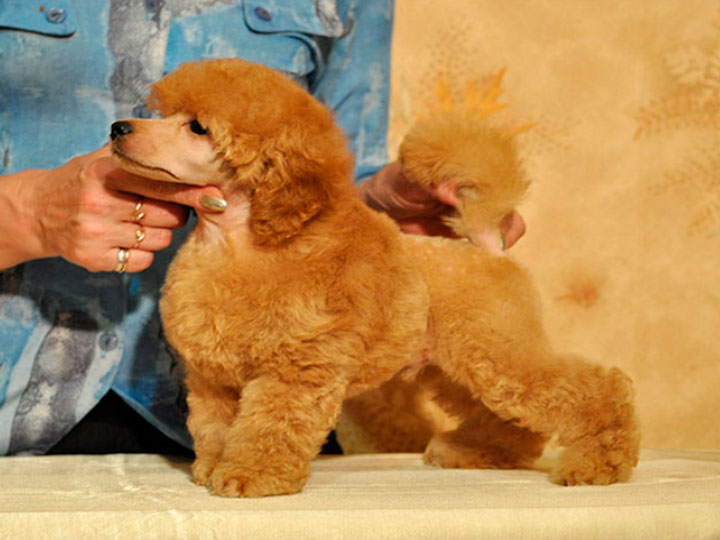
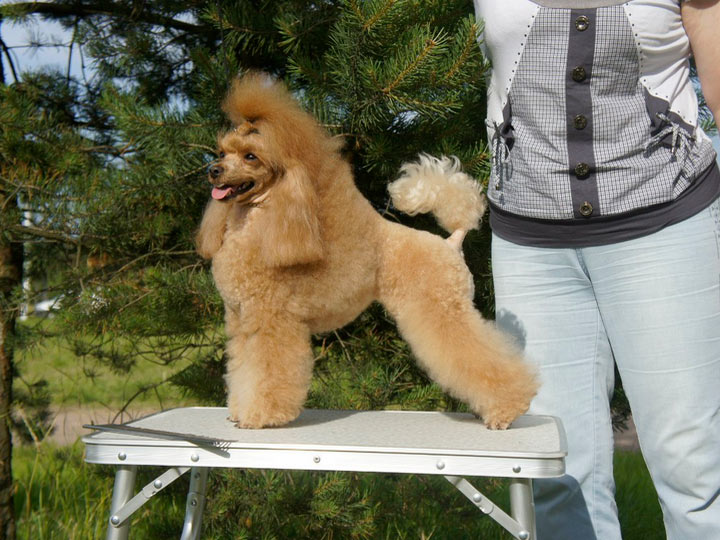
Photos of toy poodle puppies and adult dogs are collected in the gallery:
Read also:
- Small dog breeds
- What kind of dog should I get for a child in an apartment?
- A dog that looks like a mop


Add a comment