
Tobet (Kazakh wolfhound)
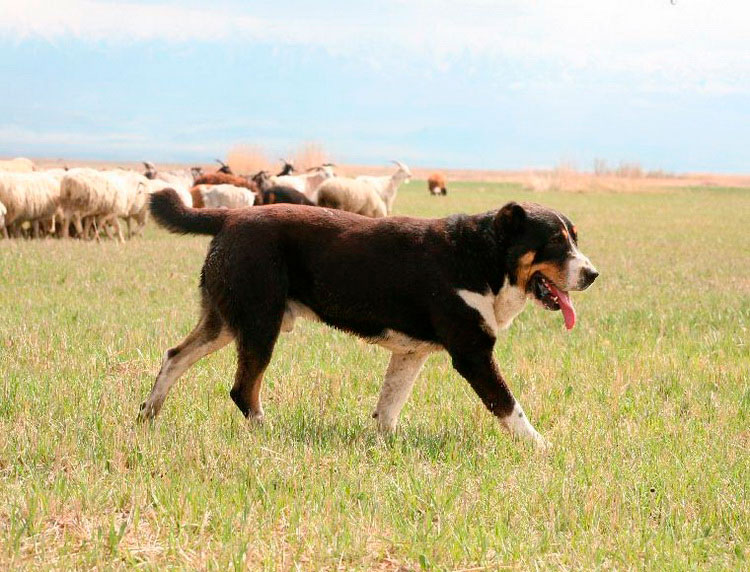
The Tobet (Kazakh Wolfhound) is an ancient breed of large, strong herding dogs. They have long been used to herd sheep and horses and protect them from wolves. One of the Tobet's characteristic qualities is its friendliness toward peaceful people and children. Today, the breed is critically endangered.
Content
History of origin
The Tobets as we know them today evolved approximately 3,000-4,000 years ago. This is supported by excavations and rock paintings discovered in the Almaty region. This makes the Tobets one of the most ancient breeds, a witness to the entire history and everyday life of the Kazakhs. The first European to describe Tobets was Marco Polo. He described them as huge dogs, the size of a donkey, very strong and surprisingly friendly. They are used for guarding, hunting wild animals, and as draft animals.
Large male leaders always choose a high place, from where they have a clear view of the entire territory. This is where the breed's name comes from: "tobe" means hill, "it" means dog, and "tobe it" means "tobet"—a dog on the top, a mountain dog.
Wolves are the main enemy of livestock in the steppes of Kazakhstan, and the Tobets have always been the only refuge from them. In the 20th century, when everything began to be systematized, these wolfhounds were classified as Central Asian Shepherd Dogs and assimilated with Alabai. The state of livestock farming, the lack of proper breeding, uncontrolled culling, and crossbreeding also negatively impacted the Tobets' population. Today, enthusiasts are working to revive the breed, arguing that the Tobets are a national treasure of Kazakhstan that must be preserved and enhanced.
Appearance
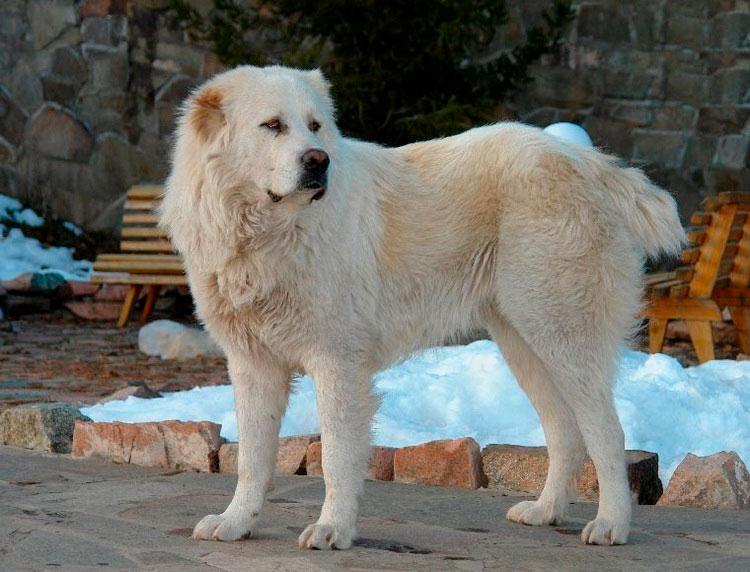
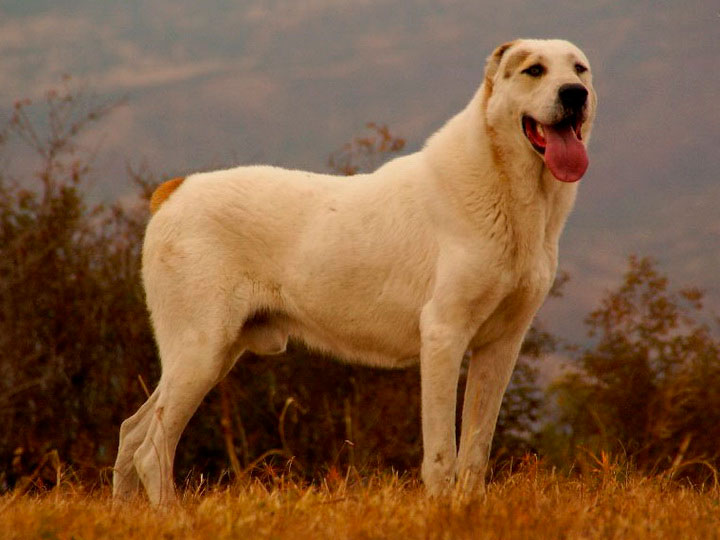
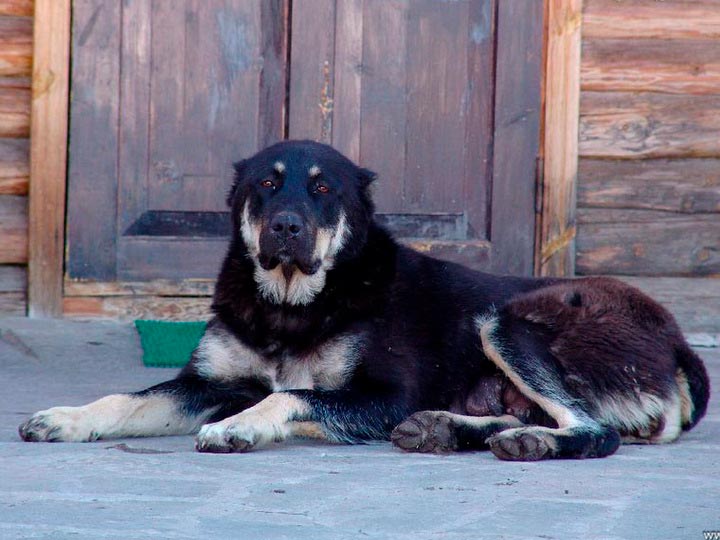
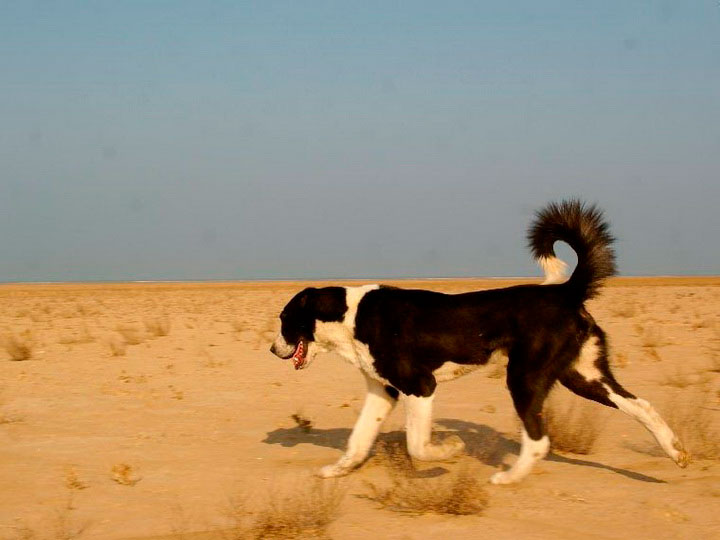
The Tobet's appearance exemplifies strength and power. The dog is large, coarsely built, and tends to be rough. Its body is elongated. Sexual dimorphism is well-defined. The average height of a male is 72-75 cm, and its weight is 50-60 kg.
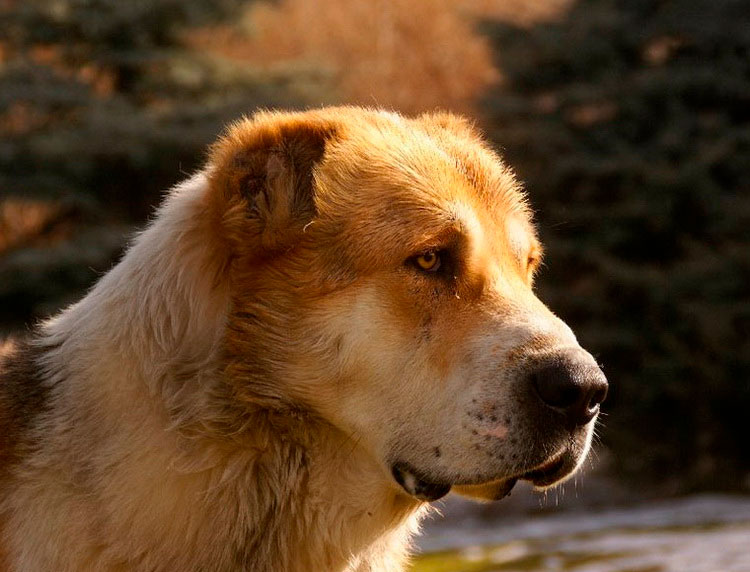
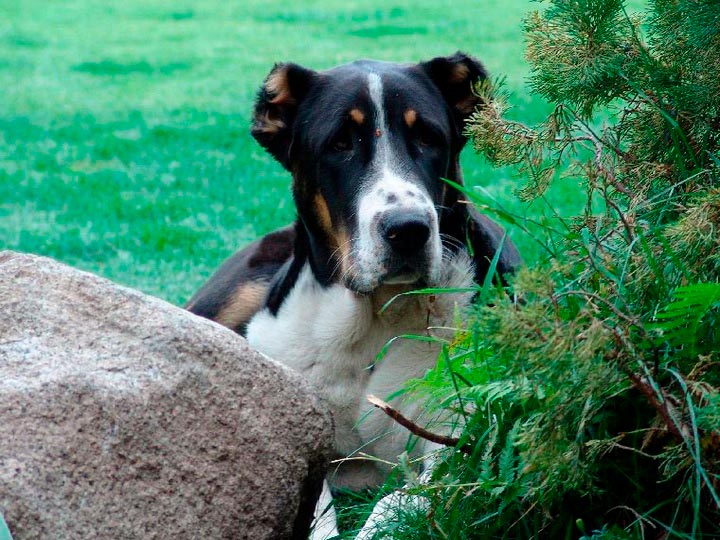
The head is heavy, with a powerful, simplified skull. The superciliary arches and occipital protuberance are clearly defined. The forehead is broad and flat. The transition to the muzzle is smooth but well defined. The muzzle is shorter than the skull. The bridge of the nose is wide and rectangular. The nose leather is large and black. The upper lip is thick, covering the lower lip, often forming flews. The cheekbones are strong. The lower jaw is wide. The ears are small, triangular in shape, and usually cropped short. The neck is strong with a well-developed dewlap.
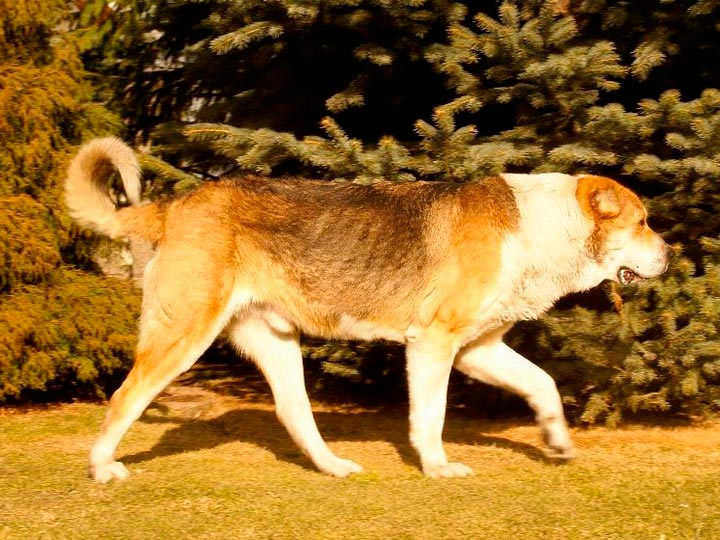
The body is massive with a deep, wide chest. The loin is well developed and broad. The back is firm and elastic. The belly is low. Subcutaneous tissue is well developed throughout the body, but especially in the neck, withers, and chest. The legs are muscular, massive, and of medium length. The tail is long, set moderately high, and well-furred. It is often docked short.
In some farms, only female dogs have their tails docked, while male dogs are left at natural length to make them easy to spot in the herd.
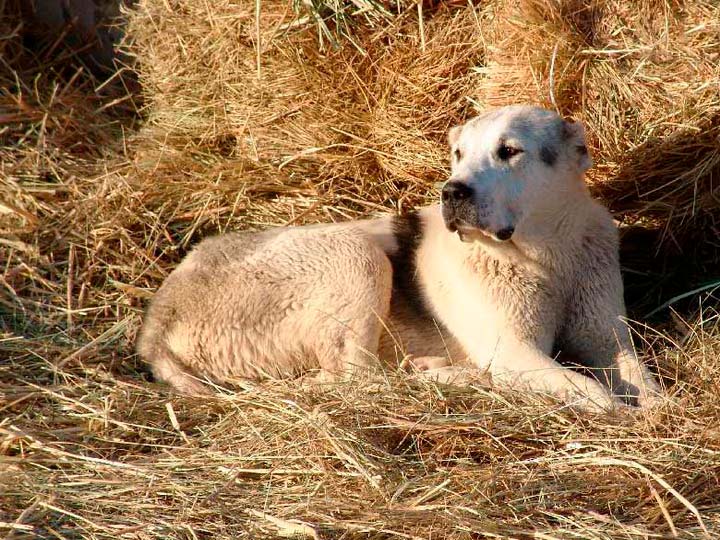
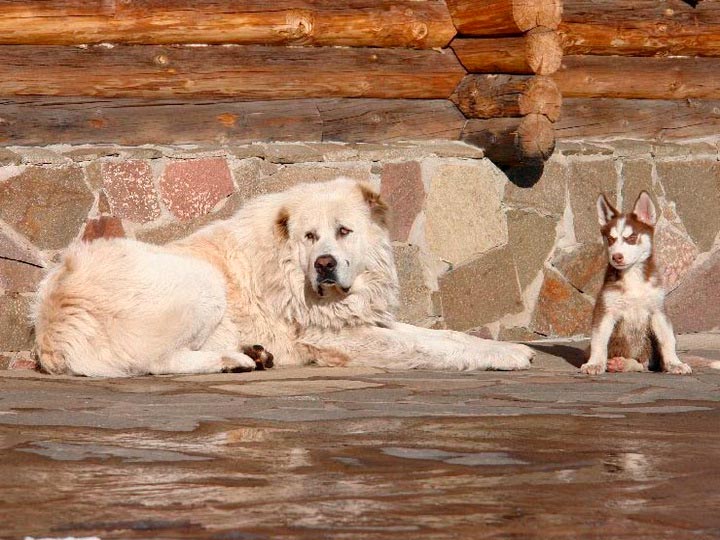
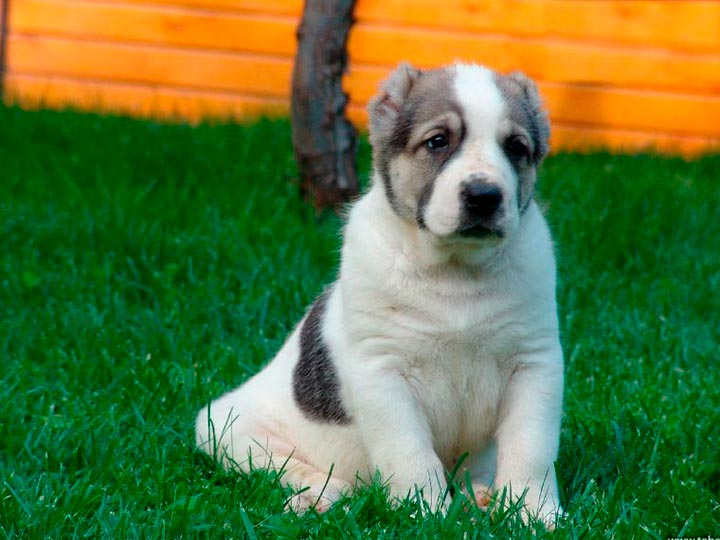
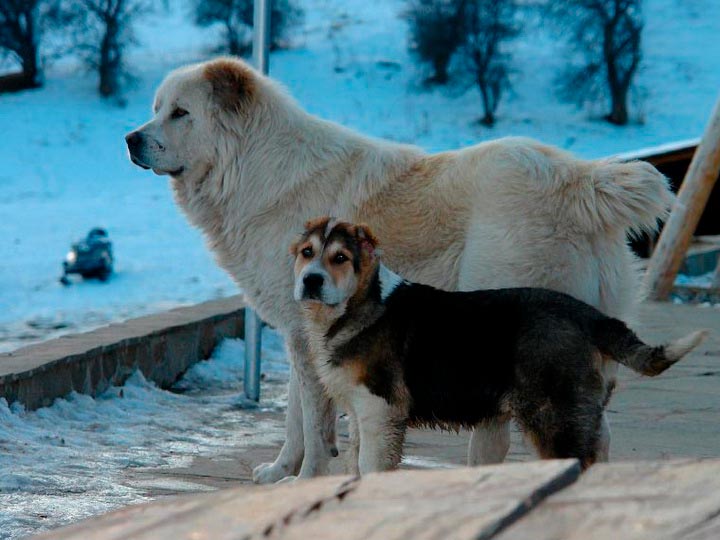
The coat is coarse, lying close to the body, with a well-developed undercoat. The outer coat can reach 10 cm in length. On the neck of males, the hair often forms a mane. On the front of the legs and head, the hair is finer and shorter. A distinctive feature of the Tobet coat is its water resistance. Colors are limited: black, brown, red, and gray. These colors can come in various shades and combinations: solid, bicolor, and tricolor.
Character and behavior
Kazakh Tobets are calm, even-tempered dogs with a strong territorial instinct and are natural guard dogs. They are characterized by social behavior and aggression toward potential rivals. Dominance is often resolved through fighting, which does not end in death. Each dog maintains its position and fulfills its duties. Tobets are loyal, unobtrusive, and independent with people; they are friends and helpers, acting as equals. They are always happy to receive praise and will not deliberately ask for affection. They rarely bark. In unfamiliar surroundings, they behave calmly and confidently. They are highly intelligent, able to assess situations and make decisions. Tobets are not companions that sit at their owners' feet, but they are always nearby.
Unlike many other wolfhounds, Tobets are quite friendly with people, including strangers. If their owner is nearby, the dog will allow the person into the protected area and greet them with a wagging tail. Interestingly, they will allow the person to leave during the day, but will not let them out at night without their owner's permission. At night, Tobets cordon off the perimeter of the protected area and conscientiously guard its boundaries.
A true Tobet is characterized by humanity and calm. A Kazakh wolfhound will never harm a child, even if he's already fed up with their whims.
From the outside, Kazakh wolfhounds may appear lazy. This impression is deceptive. These dogs will indeed lie quietly if nothing is happening around them, but they are always alert and will be right where they need to be if necessary. True Tobets are not afraid of wolves a priori. If a dog runs away upon scenting a wild animal, it means there's a different blood in its veins. It only takes one Kazakh Tobets to protect a medium-sized flock of sheep from wolves. It barks, and the animal hesitates to attack. Wolves also sense the force that can stop or maim them.
Content Features
Tobets are well-adapted to life in a sharply continental climate with wide temperature fluctuations. Their extensive subcutaneous tissue, along with their thick fur, helps maintain body temperature balance and, during periods of lack of water and food, protects them from exhaustion, much like a sheep's fat tail.
The Tobet is not suitable for city life, let alone apartment living. This dog needs space, the opportunity to work and be useful. It can be used for security private Houses, but the most suitable option would be life on a farm, working with a herd in a pack of other dogs.
Health and life expectancy
Specific health data is limited. It is known that most Tobets are strong, hardy dogs, rarely get sick, and typically live 11-14 years. If young dogs are raised improperly and given poor nutrition, joint problems may develop.
Where to buy a Tobet puppy
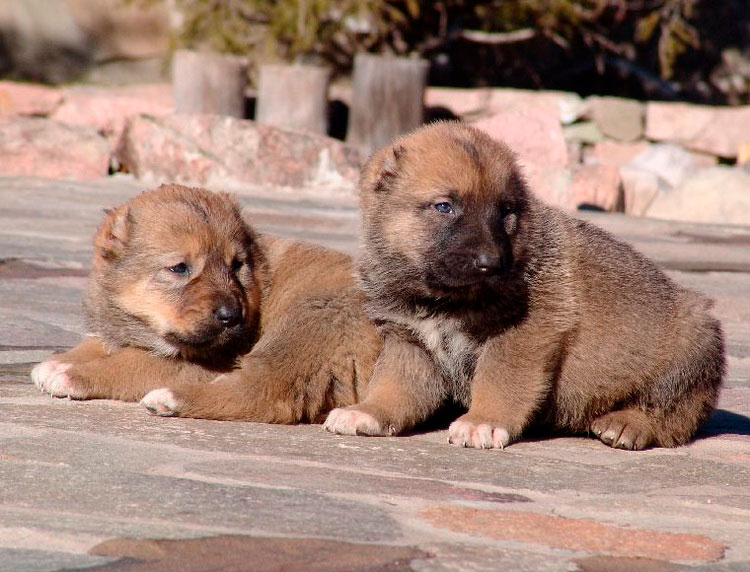
Buying a genuine Tobet puppy is no easy task. The breed is very rare. Extensive work to revive it is being done at the Tobet Kazaky It kennel and several others. In the West, people are willing to pay huge sums for a "friendly wolfhound," but there aren't enough puppies for everyone. Choosing a good puppy is complicated by the fact that not all dogs that owners call Tobet meet the criteria. exterior requirements and character. Sometimes dogs similar in appearance, caught somewhere in the steppe, are passed off as Tobets.
According to some sources, there are only a few dozen real Tobets left in Kazakhstan.
Price
There are ads for Tobet puppies for sale online (mostly on Kazakh websites). The average price is 100,000 tenge (approximately 17,000 rubles).
Photos and videos
You can see more photos of Tobet dogs in the gallery. The photos feature Kazakh wolfhounds of different genders, ages, and colors.
Video about the Tobet (Kazakh Wolfhound) dog breed
Read also:


1 comment
Daulet
If you'd like to purchase a genuine Tobet puppy, contact the Zhety Kazyna Association, headed by Sultan Ibragimov. He also has a YouTube channel called Sultan Sarani.
Add a comment