
Tylosin for cats
Tylosin is a broad-spectrum veterinary antibiotic used to treat infections caused by gram-positive and gram-negative bacteria in cats. It is highly effective, although it is used less frequently in small animals than in cattle and pigs.
Content
General description
The antibacterial agent is produced as an injectable solution. It is manufactured by various pharmaceutical companies, so you'll find different packaging options in pharmacies. The solution is clear, but has a light yellow tint. It has a slightly viscous consistency.
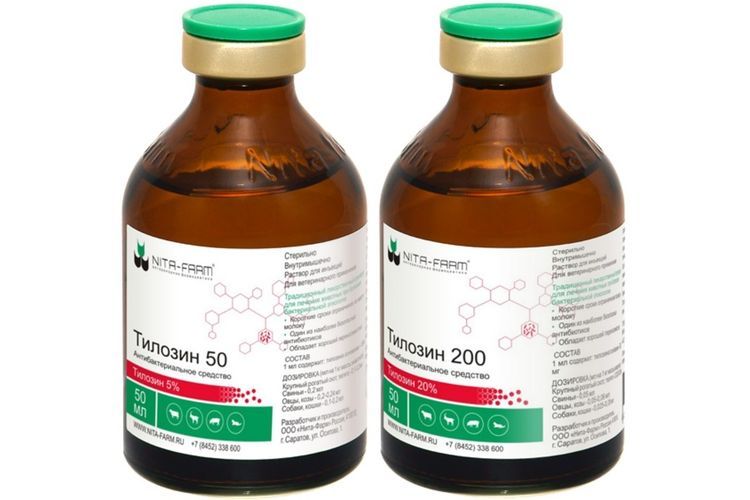
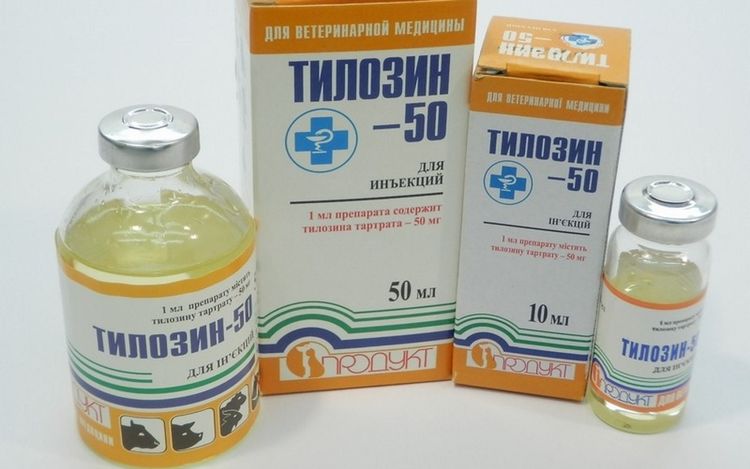
The medicine is packaged in clear or dark glass bottles. To ensure a hermetic seal, they are sealed with rubber stoppers, which are then sealed with aluminum caps. Bottles come in various sizes: 20, 50, and 100 ml. In most cases, it's best to purchase smaller bottles for cats.
The active ingredient of the drug is the substance of the same name – tylosin. This antibiotic is available in pharmacies in two forms: Tylosin 50 and Tylosin 200. The only difference is the active ingredient content – 50 and 200 mg per 1 ml of solution, respectively. Both forms also contain the following excipients:
- gasoline alcohol;
- purified water;
- propanediol.
Please note! For cats, it is recommended to use the product with the index "50." It has a lower concentration of the active ingredient, making it easier to calculate the correct dosage for a small animal, thereby preventing overdose.
No special storage conditions are required for this medication. The air temperature should be between 10 and 25˚C. Once opened, the injection solution should be used within 28 days; after that, it should be discarded.
Pharmacological properties
Tylosin has pronounced antibacterial properties. Developed specifically for animals, it is effective against the following pathogenic microorganisms:
- hemophilic infections;
- streptococci;
- staphylococci;
- mycoplasma;
- leptospira;
- chlamydia;
- pasteurella;
- corynebacteria, etc.
The active ingredient works by blocking bacterial protein synthesis. The antibiotic is rapidly absorbed, reaching its maximum tissue concentration just one hour after injection. The drug's effect lasts for 20-24 hours. Tylosin is eliminated from the body primarily through bile and urine. In lactating animals, the active ingredient can pass into milk.
Based on its potency, the drug is classified as a low-hazard substance. When used according to the recommended dosage and administration schedule, it is well tolerated by animals and does not cause local irritation or addiction.
Price
When purchasing Tylosin 50 for cats, please note that the price depends on the package size:
- 20 ml – 88-120 rub.;
- 50 ml – 215-230 rub.;
- 100 ml – 240-280 rubles.
Tylosin 200 is slightly more expensive. A 20 ml bottle costs approximately 115-130 rubles, and a 50 ml bottle costs 250-260 rubles. The medication can be purchased at any veterinary pharmacy or clinic. It is also available at many online pet pharmacies.
Indications for use
According to the instructions for use, Tylosin is prescribed to cats for the treatment of the following pathologies:
- pneumonia;
- tracheitis;
- bronchitis;
- other diseases of the respiratory system;
- arthrosis and arthritis;
- inflammatory processes of the genitourinary system, in particular mastitis;
- mycoplasmosis;
- chlamydia;
- dysentery, etc.
The medication is also used for secondary infections that accompany viral illnesses. Sometimes, the antibiotic is prescribed for purulent wounds and inflammatory processes caused by harmful microorganisms.
Instructions for use in veterinary medicine
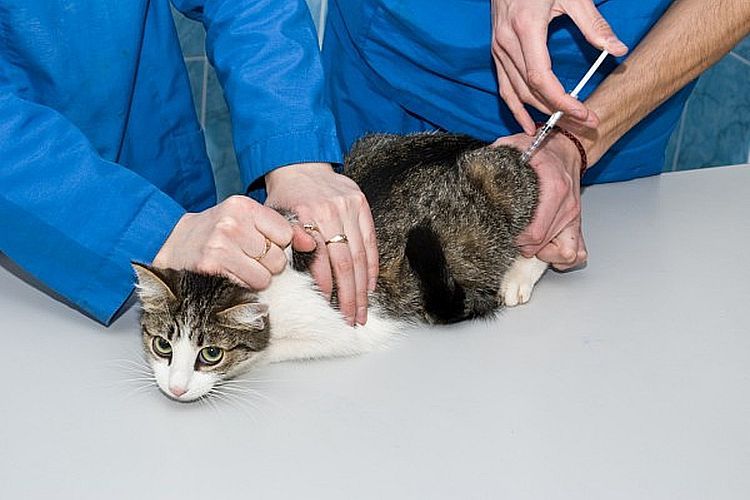
Injections of antibacterial agents are given to animals only intramuscularlySubcutaneous administration of the drug may cause inflammation and necrosis at the injection site. According to the instructions for use, the dosage of Tylosin 50 for cats is calculated based on weight: 0.1-0.2 ml per 1 kg of body weight. The exact dosage should be determined by a veterinarian, taking into account the severity of the disease, existing symptoms, possible complications, and other factors. Tylosin 200 is rarely used for cats due to its high concentration of the active ingredient, but if it is used for some reason, the dosage is calculated as follows: 0.025-0.05 ml per 1 kg of body weight.
The drug should be injected once daily. Treatment lasts from 3 to 7 days, depending on the symptoms and severity of the disease. Skipping injections is not recommended, as this reduces the effectiveness of the antibacterial agent.
Please note! The medication must be administered for the entire prescribed course. Do not discontinue treatment if the animal's condition improves. This increases the risk of recurrence or complications.
Contraindications and side effects
This antibiotic is contraindicated for animals with an individual intolerance to its components, particularly tylosin. In such cases, a different antibacterial agent should be selected for treatment.
Caution should be exercised when administering this medication to lactating animals. The active ingredient can penetrate milk, and thus the kittens' bodies. This can sometimes lead to severe dysbiosis, which can manifest as loose stools and other unpleasant symptoms. The risk to the kittens and mother is assessed individually in each case. This medication should only be administered to nursing cats under veterinary supervision.
Please note! Tylosin should never be combined with penicillin-type antibiotics or other antibacterial agents. This increases the risk of allergic reactions.
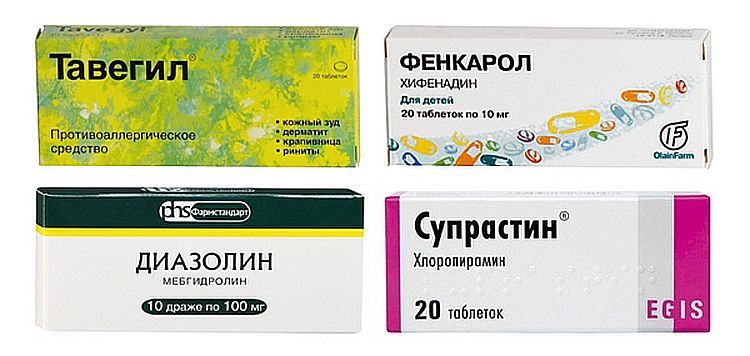
Intolerance may cause respiratory infections, itching, redness, and other allergic reactions. To prevent these, the antibiotic is combined with antiallergic medications (Tavegil, Suprastin, Diazolin, etc.). In rare cases, loose stools or other gastrointestinal disturbances may occur. In most cases, the drug is well tolerated by cats and does not cause side effects.
Advantages and disadvantages
Tylosin is considered one of the safest antibiotics for animals, including cats. It was developed with the specific needs of pets in mind. Its key benefits include the following:
- High efficiency. The animal starts to feel better after just 1-2 injections.
- Broad spectrum of action. The drug can be used for diseases of the respiratory, genitourinary, and other systems, the musculoskeletal system, and soft tissue suppuration. The active ingredient is effective against various harmful bacteria.
- Packaging volumes. It is easy to select a bottle, taking into account the duration of treatment, the weight of the animal and other factors.
- Minimum contraindications. The medicine is approved for use in cats of different ages and breeds.
- Safety. When the recommended doses are followed, side effects rarely occur.

Disadvantages include the need for intramuscular injections. If you're inexperienced, you'll have to take your pet to the clinic every day, which can be stressful. Tylosin has no other significant downsides, but it shouldn't be used without a doctor's prescription.
Owner reviews
Lyuba, the owner of a British cat:
"We were prescribed Tylosin to treat my cat's pneumonia. We went to the clinic every day (five times) for injections, as I don't know how to administer intramuscular injections. We also gave the cat Suprastin to prevent allergies. The results of the treatment were visible within two days. We didn't notice any side effects."
Victoria, owner of two cats:
"Tylosin caused severe chronic diarrhea in two of our cats. We used the drug to treat chlamydia. The chlamydia was cured, but the diarrhea persisted for a long time. We had to completely change their diet and take lactobacillus supplements for a long time. The veterinarian suspected that dysbiosis was the cause of the loose stools. When using Baytrila "nothing like this was observed."
Veterinarian Reviews
Anton, a veterinarian with 15 years of experience:
"I live in the countryside and have been using Tylosin on cows, pigs, cats, and dogs for over seven years. I've never had a single side effect. The medication is incredibly effective. It always helps. It's considered the best veterinary antibiotic."
Olga Andreevna, a veterinarian with 12 years of experience:
"Our clinic has long used Tylosin and its analogs. This medication is considered safe because it rarely causes side effects. It is generally well-tolerated by animals, without side effects, although pets vary in their individuality and react differently to the same medication. It is highly effective, yet less expensive than imported antibiotics."
Read also:


8 comments
Julia
Can Tylosin-40 be used for stomptitis-gingivitis, and what should be added? Stomargil and vitamins?
Daria is a veterinarian
Hello!
I hope you have already managed to solve your problem.
We answer the question to avoid repetition of questions.
Stomatitis/gingivitis is not a disease in itself, but a symptom! An in-person appointment with a veterinary dentist is necessary for appropriate treatment.
Causes of stomatitis/gingivitis may include: viral infections of the oral cavity, immunodeficiencies, tartar, pulpitis and other dental pathologies.
Please do not self-medicate, seek in-person help from a veterinarian.
Healthy teeth and snow-white smiles to your little ones!
Alena
And the vet told us to pour it into the cat’s mouth...
Irina
We were also prescribed to pour it into the cat's mouth. At the veterinary clinic, they poured it into a large syringe and told us how much to pour in for 21 days, 2 times a day.
Julia
Do I need to dilute tyrosine with saline solution? Thank you.
Daria is a veterinarian
Hello! Why do this if the solution is already an injection? It's already a liquid. By adding additional liquids to the antibiotic, you, firstly, increase the volume of the injected solution (sometimes the same 1 ml is difficult to administer). Secondly, you reduce the concentration of the active ingredient in 1 ml of the drug by diluting the ready-made injection solution. Therefore, such injectable medications (and not just antibiotics) are administered as is, unless otherwise specified in the instructions for use.
Lola
Tell me, if it is not possible to give an injection, can I give five drops of Tylosin 50 orally to a nine-year-old cat?
Daria is a veterinarian
Hello! This medication is intended for intramuscular use. Changing the route of administration will reduce its effectiveness, making it virtually nonexistent. If you can't administer it intramuscularly, consider using a different tablet medication specifically intended for oral administration.
Add a comment