
Tibetan Mastiff is a dog breed
The Tibetan Mastiff is classified as a member of the Pinscher, Schnauzer, Molossoid, and Swiss Cattle Dog group, the Molossoid section, and the Mountain Dog subsection. Originated in China and Tibet.
Content
History of the breed's origin
Tibetan Mastiffs originated over five thousand years ago. This breed is considered the oldest in the world. In past centuries, the dogs were actively used by Chinese nobility to hunt wild animals and guard homes.
According to legend, Alexander the Great once received an unexpected gift in the form of Tibetan mastiffs and was genuinely delighted. After the breed reached Ancient Rome, it began its global spread to all corners of the globe.
Appearance
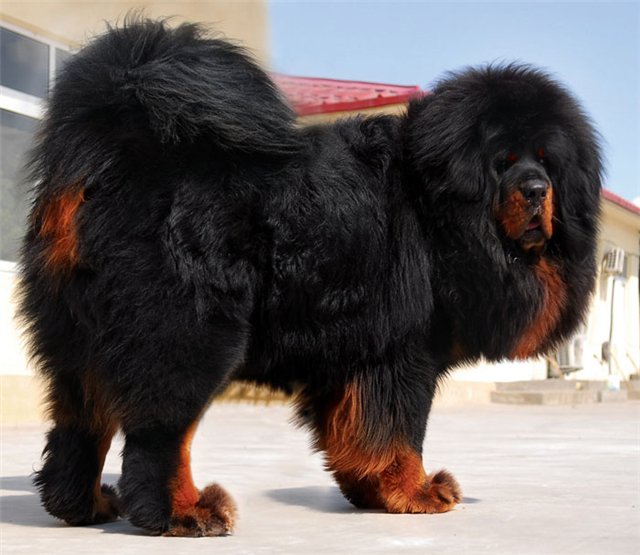
According to the breed standard, the coat color can be black, black with red markings, brown, golden, or gray. Various shade variations are permitted within these shades. Male Tibetan Mastiffs stand approximately 70 centimeters at the withers, while females stand approximately 60 centimeters. They weigh approximately 60 kilograms.
The Tibetan Mastiff is a large, tall dog with a strong build. Its distinctive feature is its luxurious, long coat with a distinct undercoat, which provides protection from adverse weather conditions.
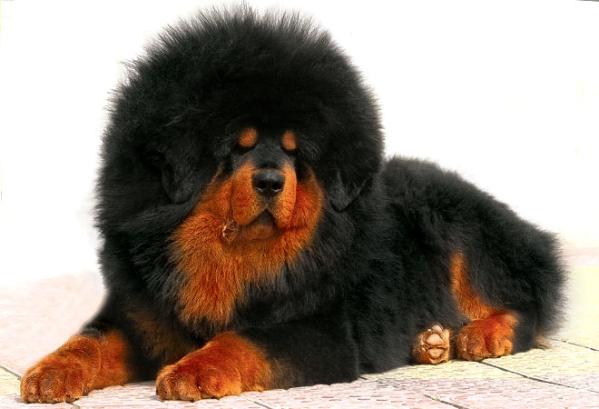
The body length is slightly longer than the height at the withers. Eye color usually matches the coat color but may vary slightly. The lips should cover the lower jaw. The hair on the neck resembles a lion's mane. The tail is medium length, carried slightly higher than the back. The Tibetan Mastiff's legs are muscular and rounded.
General information
Representatives of the breed are distinguished by a strong independent character. From early puppyhood, a puppy will demonstrate devotion to its owner and family members. These dogs exhibit excellent watchdog qualities, making them ideal for use as guard dogs.
These dogs are only suitable for country living. They don't do well in apartments. Tibetan Mastiffs require regular, vigorous exercise. They require ample space for play and fun. They will happily join their owner on a morning jog, a track day, or a nature trip. Vigorous exercise will help prevent hip dysplasia in dogs.
Tibetan Mastiff Training
Dogs are easily trained and disciplined. The key indicator is the owner's strength of character, who can demonstrate perseverance and patience.
Keep in mind that training a Tibetan Mastiff should begin from puppyhood. Otherwise, you may have trouble correcting your pet's behavior, making it more difficult to manage. To help your puppy quickly learn commands and obey you, follow these basic rules: don't hit, frighten, or yell at the animal. Such behavior will only antagonize you and may even cause aggression. The best answer to the question of how to train a mastiff is to entrust it to professionals. Only professional trainers familiar with the characteristics and traits of this breed can raise a capable family member.
Nutrition and feeding
Tibetan Mastiffs require a complete, balanced diet containing natural products such as meat and fish dishes, milk porridge, and fresh vegetables.
There's no need to explain that dogs eat a lot, especially during adulthood. An adult Tibetan Mastiff doesn't eat much, even less than other breeds of similar size. The best solution for an owner in this situation is to provide their pet with a balanced diet containing everything it needs for a healthy life.
Proper feeding of a mastiff is:
- maintaining equal intervals between feedings;
- prohibition on mixing dry food with natural food.
For reference! Puppies up to four months old should be fed four times a day. After that, supplementary feeding is reduced to three times a day. Adults are fed twice a day, and older dogs are fed three times a day again.
There are several feeding rules that any Tibetan Mastiff owner should follow:
- Try not to change the food; at the very least, do it gradually.
- Do not give hot, smoked food or river fish.
- Do not take food from a different age category.
- Do not soak food in water or milk.
- Don't let the dog overeat.
In addition, add vitamins and other useful supplements to the Tibetan Mastiff's diet, designed for the full development of dogs.
Members of this breed are prone to many skin conditions, as well as infectious diseases. These dogs are long-lived, and with proper care and maintenance, their lifespan can reach 14-15 years.
Character
Tibetan Mastiffs are very proud and express their independence with a strong will and incredible determination. However, they are quite reserved and able to control their temper. They love their owners and are extremely devoted to them. They also treat their family members with respect. This breed harmoniously combines excellent guard dog qualities with the kindness of companion dogs.
Their kindness and devotion are the determining factors for their use as companion dogs. They do not get along well with other animals, displaying hostility and aggression toward them. They are wary of strangers without showing any signs of aggression. If any attempt to harm their owner is made, the pet will readily stop the offender.
Content Features
Many people who buy a Tibetan Mastiff are perplexed by why their pet, unlike their neighbor's puppies, plays little and sleeps very often. In fact, this is normal for a dog of this breed. Mastiff puppies grow quickly, and this requires a lot of energy. Therefore, the animals do not frolic, conserving their energy for proper development. Therefore, do not interfere with this natural process by trying to wake and arouse the animal against its will.
These dogs are completely unsuited to city living. A spacious country house with a large run for active walks is ideal for them. Tibetan Mastiffs have incredibly luxurious coats with an additional thick undercoat.
If you don’t have this opportunity, then walk your pet several times a day, at least for 20-30 minutes.
The small Tibetan Mastiff must be carefully looked after:
- Check the skin for scratches and wounds.
- Clean your baby's eyes and ears.
- Teach him hygiene.
Besides everything else, you need to brush your teeth a couple of times a week.
Most of the puppy grooming procedures will become unnecessary over time. As the dog grows older, it will begin to take care of most of its own grooming.
If you've decided to get a Tibetan Mastiff puppy, you should be prepared to brush the dog daily. During shedding season, even more thorough and time-consuming grooming will be required. Grooming a Tibetan Mastiff's coat is quite a difficult and labor-intensive process. Dogs require thorough daily grooming with special combs and brushes. Bathing is permitted only as needed. Frequent bathing is not recommended; bathing is only recommended for essential purposes.
Tibetan Mastiff mating has its own unique challenges. The main one is the late development of the body. For example, a female dog reaches maturity only at 3 years of age, and a male at 4 years of age. Early mating is undesirable. This can be harmful to the young parents and their offspring. Even in adulthood, the choice of a mating partner must be approached with care. This is the only way to ensure a successful birth and healthy offspring.
Tibetan Mastiff Puppy Prices
Buying a mastiff puppy in a subway or at a market is unlikely—the breed is too rare. Therefore, you'll have to go to a breeder.
The price of a dog depends on the puppy's size and the breeder's needs. The average price starts at 30,000 rubles. Naturally, when setting this price, the breeder guarantees that the puppy is healthy, vaccinated, meets breed requirements, and meets other requirements. Of course, the seller is obligated to back up their claims with documentation, such as certificates and a pedigree.
There are a number of helpful tips and recommendations to consider when purchasing a Tibetan Mastiff:
- Don't skimp. If you decide to buy a dog that's not a purebred, but is cheaper, you risk adopting an aggressive and unstable animal.
- Regarding choosing a puppy's gender, breeders say the following: "Inexperienced dog owners are better off choosing females." Therefore, someone with firsthand experience training dogs can try their hand at training a male Tibetan Mastiff.
- Don't forget about things like pedigree and other documents. Make sure your puppy isn't predisposed to any hereditary diseases.
Only after completing the formalities should you begin choosing a puppy. It's best to choose the most spirited little one.
Photos
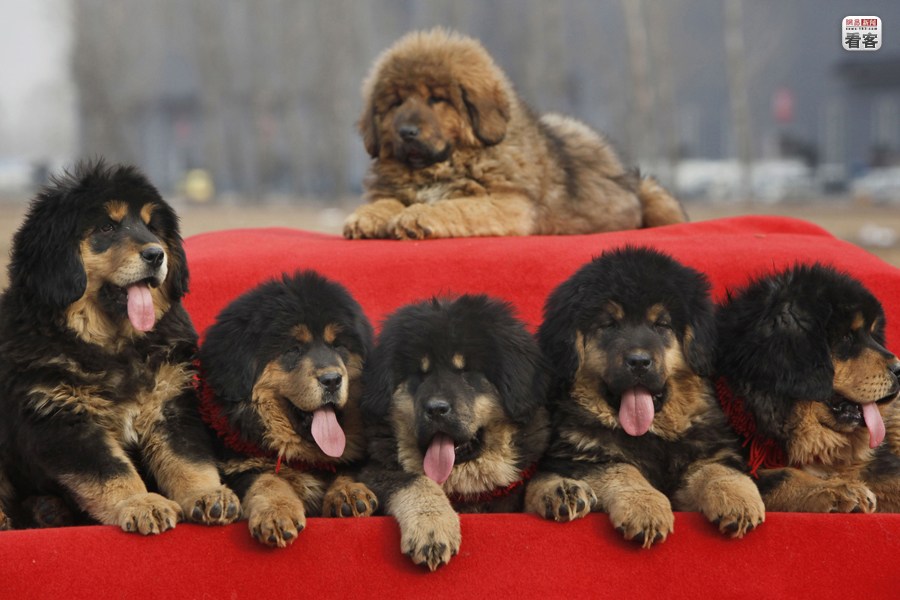
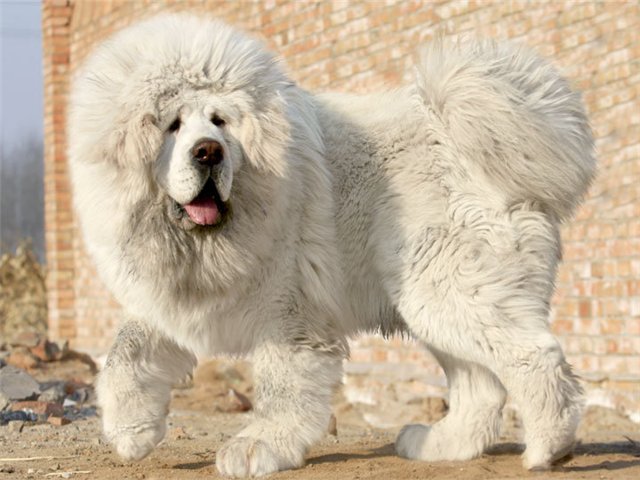
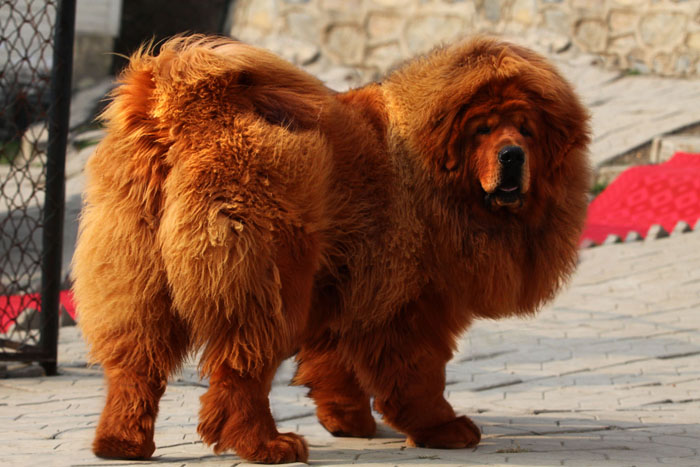
Tibetan Mastiff Photos:
.jpg)


Add a comment