
Tibetan Spaniel (Tibby)
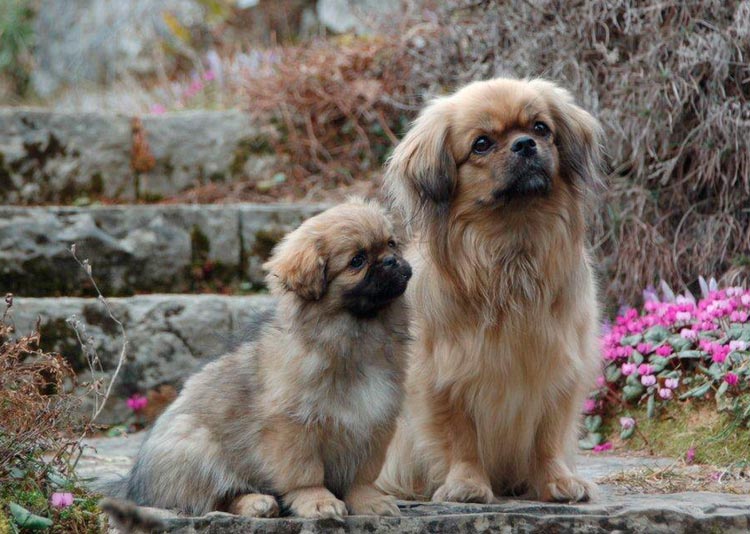
The Tibetan Spaniel (Tibby) is a small companion dog that has no relation to hunting spaniels, but was named so by the British only because of its external resemblance to the continental toy spaniels that were fashionable at the beginning of the 20th century.
Content
History of origin
The history of the Tibetan Spaniel is very similar to that of other dog breeds native to the Top of the World. It's impossible to say for certain where they came from in the highlands of China, but it is known that for centuries monks bred these four-legged helpers in isolation. They cherished their dogs very carefully, never selling or exporting them. Only occasionally were they given as a token of special gratitude or respect.
The Tibetan Spaniel is commonly known as Tibby for short.
In the late 19th century, several small Tibetan dogs arrived in Great Britain, where they attracted the attention of cynologists. Tibetan Spaniels were first shown at Crufts in 1898. In 1934, the English Kennel Club adopted the breed standard, thereby officially recognizing it. In 1961, Tibetan Spaniels were registered with the Fédération Cynologique Internationale.
Video about the Tibetan Spaniel (Tibbie) dog breed:
Appearance
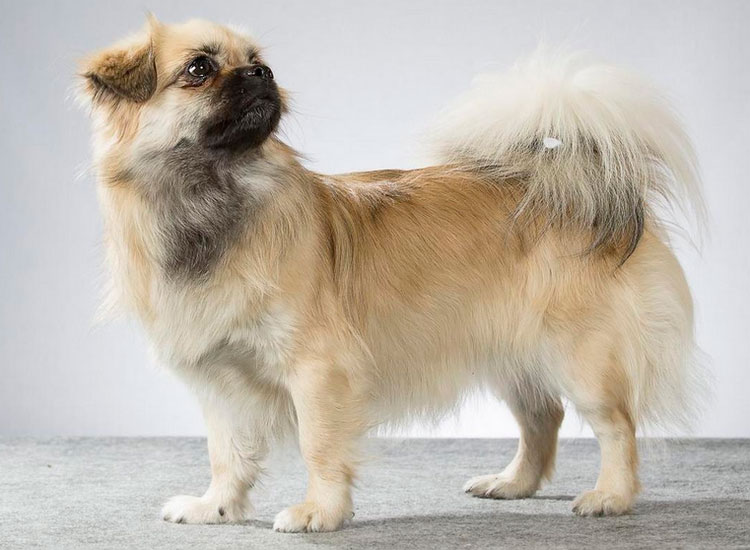
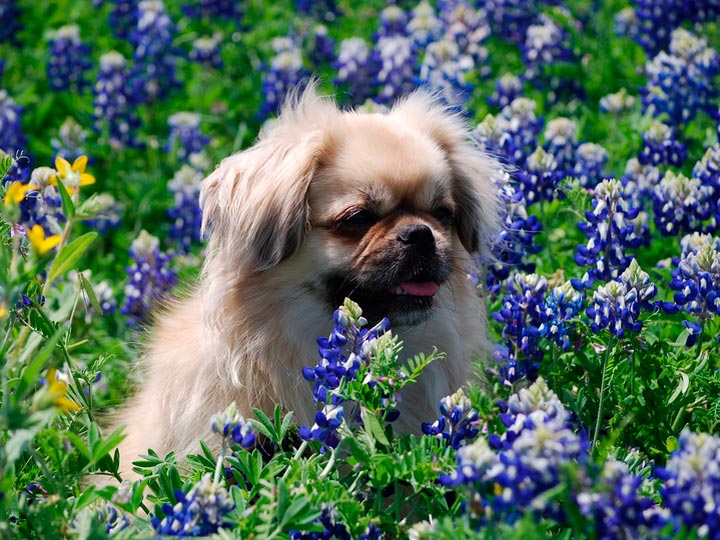
The Tibetan Spaniel is a small, energetic dog of elongated build with a relatively small head, without any signs of coarseness. The height at the withers is approximately 25 cm, and the weight is 4-7 kg. The Tibetan Spaniel's appearance is very different from other small Tibetan dogs. terrier And Lhasa Apso, but at the same time they have an undeniable similarity with Pekingese And Shih Tzu, who, apparently, are distant relatives of them.
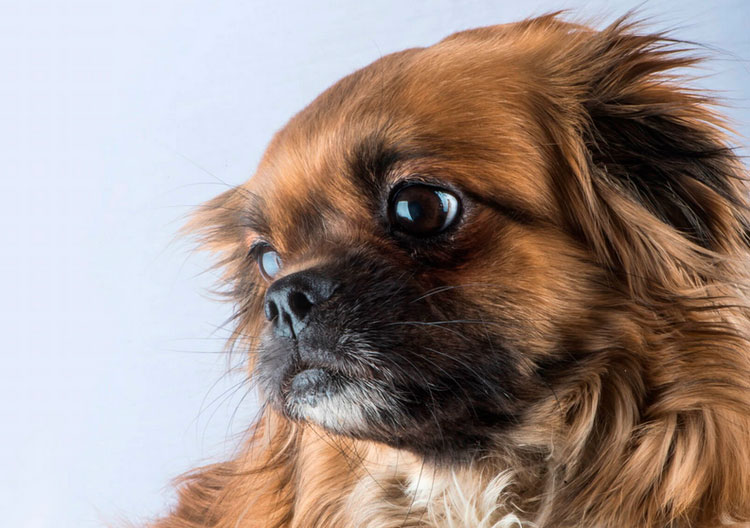
The muzzle is medium in length, free from wrinkles, and has a small chin. The eyes are expressive, clear, and set wide apart. The ears are set high, drooping, and small. Adult dogs are feathered. A slight undershot bite is typical for the Tibetan Spaniel, but the tongue and teeth should not be visible.
Overall, the Tibetan Spaniel should be harmonious in appearance. The neck is strong and short. The ribs are well sprung. The legs are relatively short. The bones are strong. The paws are small and neat. The back is of moderate length and straight. The croup is sloping. The tail is set high, curled over the back, and is well feathered.
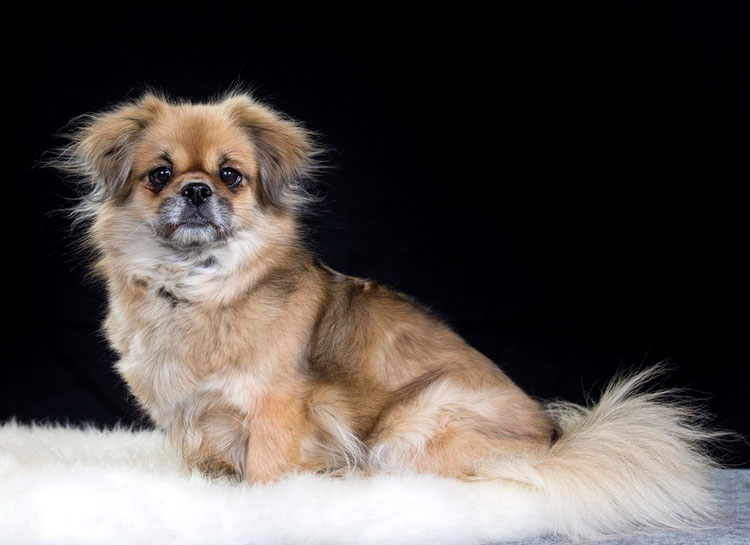
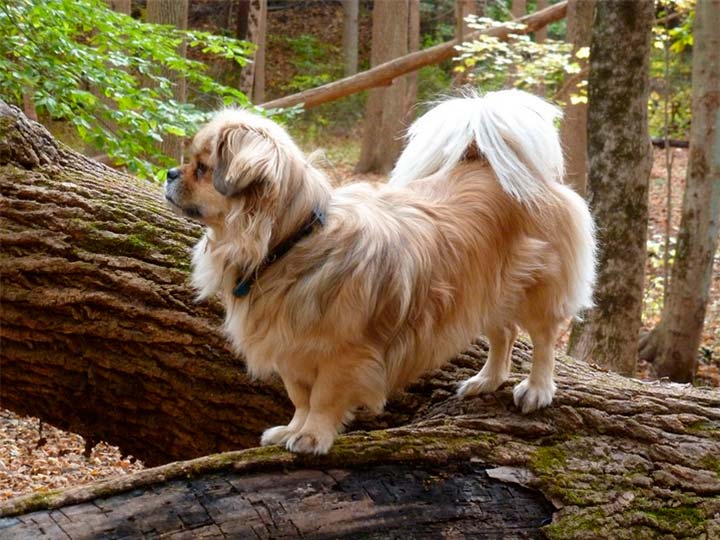
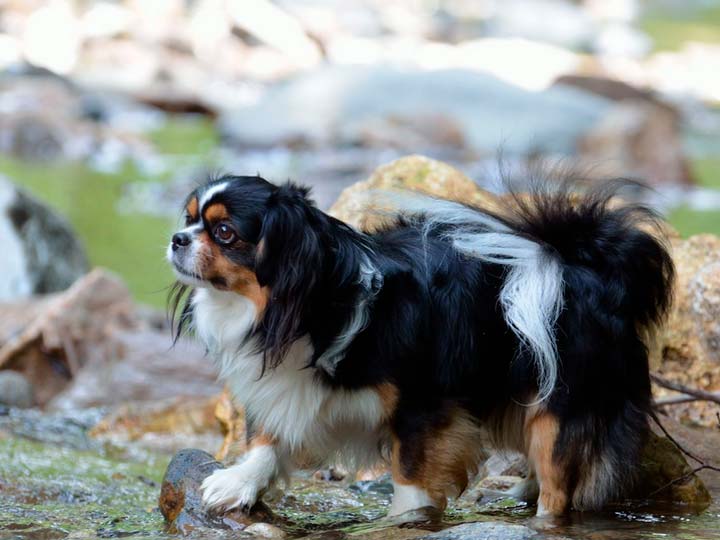
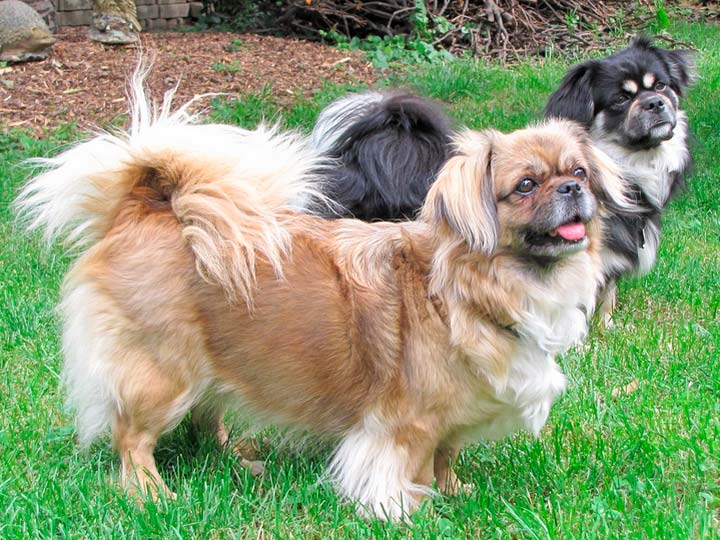
The coat is fine, soft, and silky. It is short on the muzzle and front of the legs, but moderately long on the body, lying close to the body. The undercoat is fine and dense. The ears, neck, tail, and back of the legs are adorned with feathering, which is especially noticeable in males. Any color is acceptable, but golden is the most common. In the breed's homeland, a dark coat with a white spot on the chest is prized, as Tibetans believe it symbolizes a pure heart. A spot on the forehead is the sign of Buddha, and a white tail indicates the dog's thieving tendencies.
Character
The Tibetan Spaniel is primarily a companion dog, friendly, energetic, and intelligent. It forms a strong bond with its owner and other family members and gets along well with children, especially older ones, who can become playmates. Tibetan spaniels are stubborn and independent, and are less likely to be jealous. Tibetan spaniels are generally non-confrontational and get along well with other animals, including cats, rodents, and birds. They are wary of strangers, but if they don't feel threatened, they are quick to make contact.
Tibetan Spaniels can be overly self-confident and dignified, but even with these qualities, they are not prone to barking at larger dogs, do not provoke conflicts, and when necessary, can stand up for themselves, demonstrating incredible courage. They often achieve their goals through cunning.
The Tibetan Spaniel has moderate watchdog qualities. It barks relatively little. It tolerates travel and travel well when in the company of a loving owner. It has a hard time being alone and requires constant attention and companionship. It is very sensitive to human moods and dislikes shouting, noise, and arguments. Although shy and well-bred indoors, the Tibetan Spaniel often displays independence and stubbornness outdoors, may not respond to commands that don't interest it, and may exhibit a tendency to wander.
Education and training
Tibetan Spaniels are renowned for their intelligence. They are very intelligent dogs that easily learn simple commands and learn house rules and housekeeping. Tibetan Spaniels are very energetic and thrive on praise, treats, and pleasing their owners, so they happily obey commands in exchange for treats. However, they dislike strict management and will not comply with demands that don't align with their desires. Harsh, inconsistent training is often ineffective, and the puppy grows up disobedient and willful. However, if the owner can engage the puppy and conduct training using positive reinforcement with constant repetition of the material covered, they will achieve good results and raise a highly manageable, obedient dog.
Content Features
Thanks to their small size, Tibetan Spaniels are ideal for apartment living. However, it's important to note that they shed quite heavily, lightly year-round and profusely during seasonal shedding. Regular brushing and grooming can help address hair loss indoors. Tibetan Spaniels are clean and tidy. If desired, they can be trained to use a pad to relieve themselves, eliminating the need for walks in inclement weather. They are absolutely not suitable for outdoor living. Even monks in Tibet kept them indoors, close to people. It's preferable for the dog to have its own sleeping area, preferably a cozy, spacious house where it can retreat and rest.
The Tibetan Spaniel requires moderate exercise to stay fit and burn off pent-up energy. If you can get the spaniel interested in training, they excel in agility, freestyle, and other sports suitable for small dogs.
The Tibetan Spaniel's muzzle is short, but not as flattened as that of other brachycephalic breeds, so they don't suffer from heat as much and tolerate vigorous physical activity better, sometimes snoring in their sleep.
Care
To keep your Tibbie looking neat and presentable, you'll need to spend a lot of time grooming their coat. Brush your dog regularly, and after walks in the grass, it's a good idea to immediately remove burrs, grass seeds, and twigs from their coat to prevent tangles. Bathe your dog every 7-10 days. Bath products are selected individually. Professional hypoallergenic grooming products for dogs with soft, long coats are best. After bathing, conditioners and balms are often used to prevent tangling. It's also important to keep your dog's eyes, ears, and teeth clean. Puppies sometimes have increased tear production, which usually subsides with age. If your dog rarely walks on hard ground, trim their nails every 3-4 weeks.
Tibetan Spaniels are shown in their most natural state. Dogs that regularly attend shows are not clipped, and only receive a light trim just before the show. Otherwise, owners prefer to clip their Tibetan Spaniels in the summer so that their coats have time to grow back before the cold weather sets in.
Nutrition
Most Tibetan Spaniels owners and breeders prefer to feed their dogs a high-quality dry food, choosing a diet based on the dog's age, size, and physiological state (lactation, pregnancy). However, some prefer a natural diet. In these cases, the dog's diet is formulated according to standard guidelines, usually with the help of a veterinarian. When choosing food, it's important to keep in mind that Tibetan Spaniels often suffer from allergies.
Some dogs gain excess weight in adulthood, as well as after spaying/neutering. It's important for owners to monitor their dog's calorie intake and adjust it as needed.
Health and life expectancy
Tibetan Spaniels are considered long-lived dogs, often living to 16-18 years, and sometimes longer. The average lifespan is 14-15 years. While generally healthy, these dogs are not without hereditary health issues:
- Cardiomyopathy;
- Allergy;
- Ophthalmological diseases (progressive retinal atrophy, primary lens dislocation, inversion of the eyelids, districhiasis);
- Hip dysplasia;
- Patellar dislocation;
- Nephropathy and urolithiasis;
- Malocclusion, incomplete dental formula;
- Cryptorchidism.
Tibetan Spaniels require standard veterinary preventative care. It's also recommended to have your dog undergo an annual medical examination to ensure early detection of any illnesses.
Choosing a Tibetan Spaniel Puppy
With the advent of fashion for toy dog breeds, the popularity of Tibbies is steadily growing. They are increasingly seen at dog shows, and the number of kennels is growing, along with the number of would-be breeders who breed their dogs for profit or "health." Puppies from such matings (in addition to lacking documentation of origin or any guarantees of health) are ineligible for shows and, in theory, should not be bred in the future. Naturally, they are much cheaper than dogs with a pedigree from a kennel.
Those considering getting a Tibetan Spaniel should decide in advance on the desired gender, color, and purpose of the dog. If the Tibetan Spaniel is intended solely as a companion or friend for a child, there are no special requirements for the puppies. They should be healthy in appearance, well-fed, playful, curious, and affectionate. However, even in this case, it's best to consider purchasing a dog with papers. At a minimum, this will protect the future owner from the risk of buying a puppy born to close relatives and ending up with a dog with congenital defects. Furthermore, beautiful adult Tibetans are often a joy to show off to the world, and owners who initially adopted a Tibetan Spaniel as a pet later enjoy pursuing a show career.
If you're looking for a dog for show or breeding, choosing a puppy begins with finding a suitable kennel and parents. It's best if the couple has already registered a litter so you can track the fate and career of the puppies born from that litter. When choosing a puppy, pay attention to its conformity to the standard: proportions, bite, coat type, and other characteristics. Beginning dog owners are advised to seek the help of an expert dog trainer or a disinterested breeder who is knowledgeable about the breed's nuances and can help make a choice.
It's best to bring puppies to their new homes no earlier than 2.5-3 months. They should be vaccinated. It's a good idea if the breeder has already begun socializing them, introducing them to the outside world, other animals, and people. Puppies should be healthy in appearance.
Price
The breed's small numbers and growing demand allow breeders to keep prices fairly high. Prices for Tibetan Spaniel puppies start at 35,000 rubles. Promising puppies for show and breeding can cost significantly more. Tibetan Spaniel puppies without a pedigree typically cost no more than 15,000 rubles.
Photos
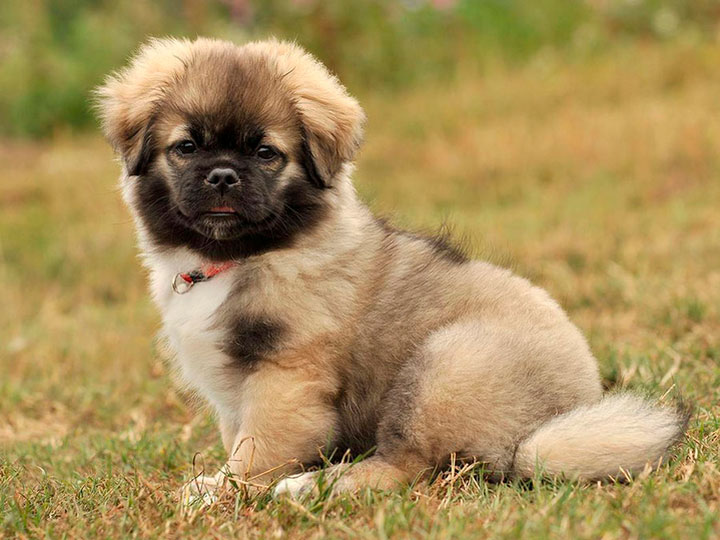
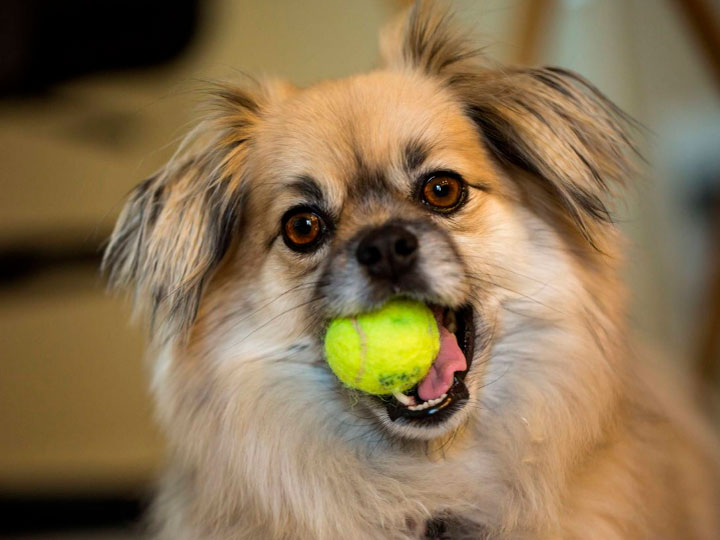
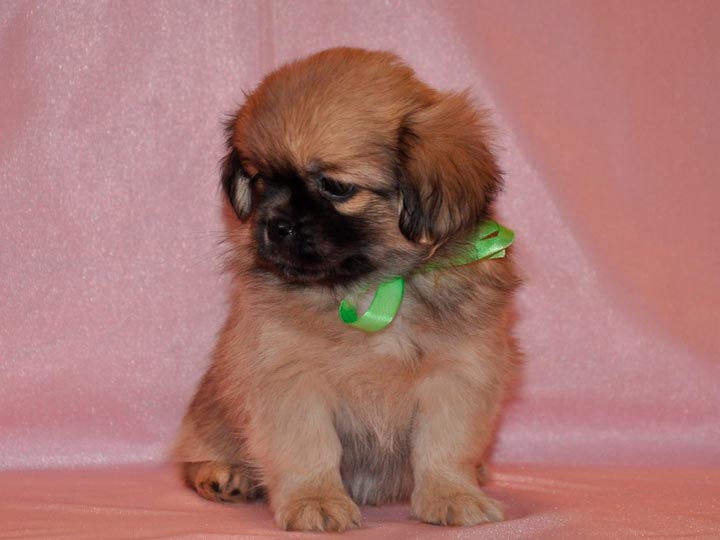
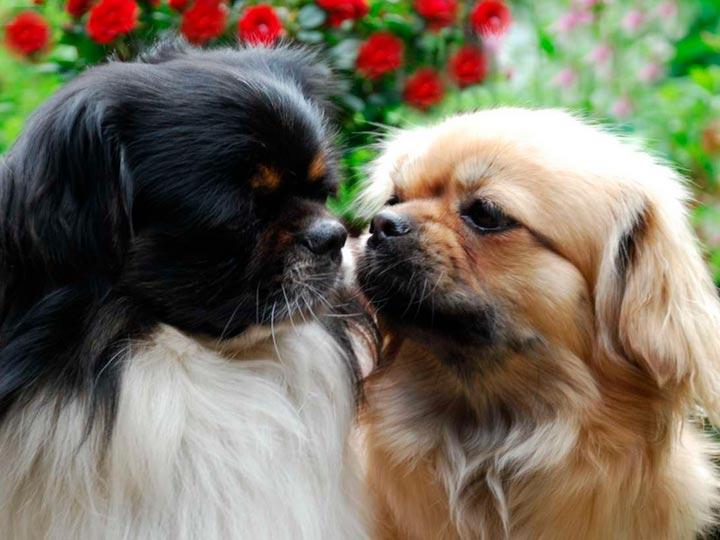
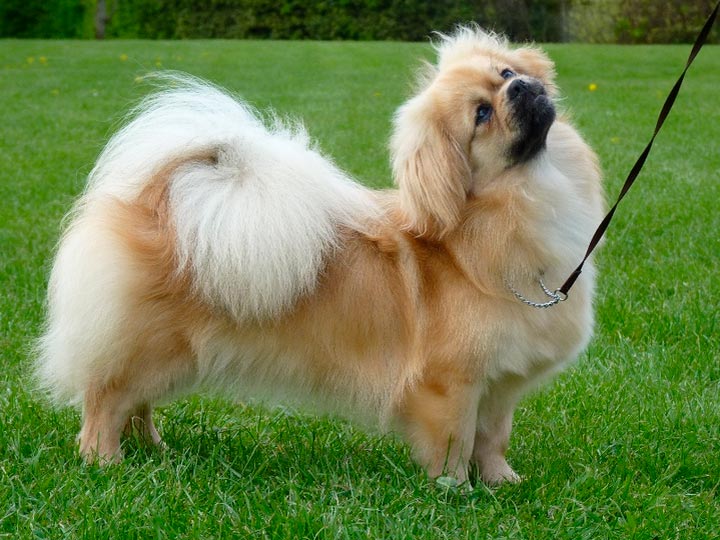
In the gallery below you can see photos of Tibetan Spaniels of different sexes, ages, and colors.
Read also:


2 comments
Ryabinka1
Thanks for the feedback! We strive to serve our readers. We wish you and your Tibbik good health and a good mood!
Natalia
Thank you for the article!!! We have a Tibetan Spaniel, a rare color and a "pure heart"... He's already nineteen years old, but he's still active and wonderful. This is a magnificent breed, unfortunately so little known; even veterinarians rarely know about it and are surprised. He's a very comfortable family dog with excellent intelligence, like a monkey, but without excessive mischief. We're happy to have Tibby... and we wish other families the same happiness.
Add a comment