
A cat in heat
Estrus in a cat is a psychophysiological state before mating, which is characterized by attraction to the opposite sex and indicates readiness for reproduction.
Content
When does it start?
On average, cats reach sexual maturity between 6 and 12 months of age. Some cats reach sexual maturity a little earlier or later.
A female dog's first heat is not a good time to mate, as her body is still too young and not fully developed. Pregnancy can be complicated. There's a high risk of a difficult birth and the birth of defective kittens. If mating is planned, it's best to do so closer to eighteen months or even a little later.
Stages
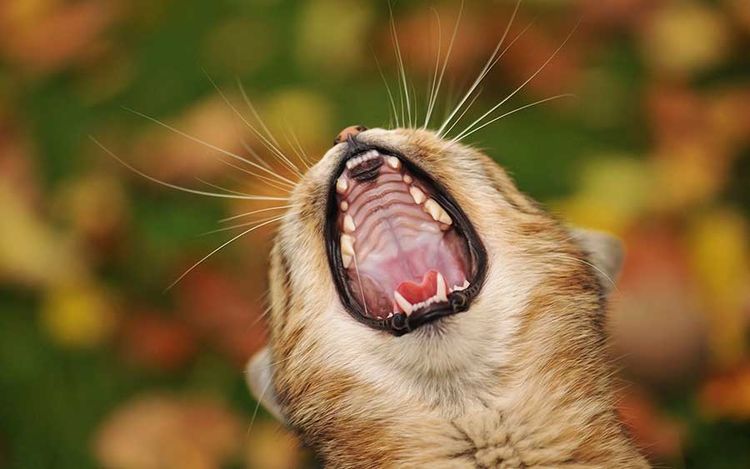
Estrus is considered a complex physiological process consisting of several stages. Let's look at each of them in more detail:
- Proestrus. Duration: up to 4 days. The animal behaves calmly, but already shows increased affection for its owner. Discharge appears.
- Estrus. This is the longest stage. It's characterized by intense restlessness and all the characteristic symptoms of heat. Ovulation occurs between days 3 and 5. This is the time to plan mating.
- Metestrus. Lasts 3-10 days. A decrease in sexual desire is noted, and the pet gradually calms down.
- Anestrus. All symptoms disappear, hormonal levels return to normal.
Signs
With the onset of estrus, a cat's behavior changes significantly, which will always be noticeable even to the least observant owners.
Here is a list of the most common symptoms:
- arches the back, moves the tail away, lifts the pelvis upward;
- becomes affectionate and intrusive;
- begins to rub against various objects (carpets, furniture, walls);
- meows and howls pitifully (calls for the cat);
- the affectionate mood suddenly changes to aggressive behavior;
- licks genitals;
- frequent urination;
- discharge (transparent and invisible);
- leaves behind marks;
- poor appetite or lack of appetite;
- trying to run away from home.
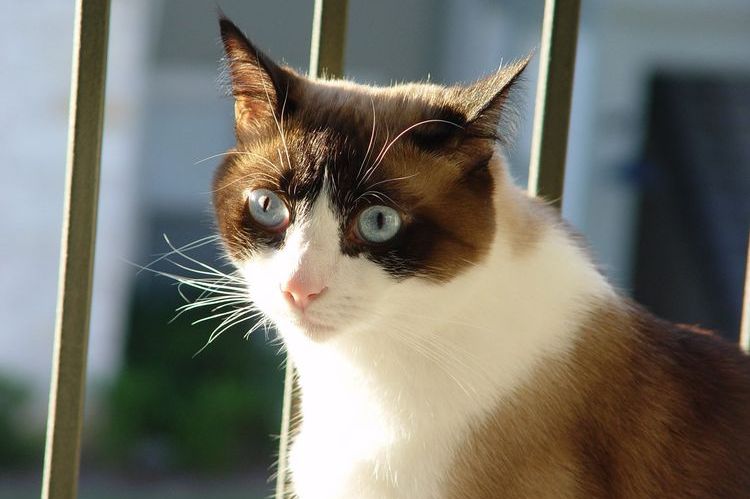
Your pet may lose some weight, but this is nothing to worry about. Their appetite will return and their weight will be restored. Despite their decreased appetite, they will often want to drink. It's important to ensure they always have plenty of clean water.
Violations
Some cats show no signs of heat. This typically occurs in obese or weakened animals. In veterinary practice, this condition is known as "anaphrodisia." This condition is treated with hormonal agents administered intramuscularly.
If the heat lasts too long, this is also considered a disorder. A diagnostic examination is necessary to determine the cause. Most commonly, problems with the ovaries (inflammation, cysts, tumors) are encountered. Treatment involves subcutaneous administration of estrogens and progestins.
How many days does it last?
Duration of estrus in cats It is individual and determined by several factors, including:
- breed;
- time of year. In spring, sexual activity is increased;
- living conditions;
- age. In adulthood, estrus cycles are shorter and occur less frequently;
- physiological features.
On average, this period lasts from five days to two weeks. If it's shorter, the cause may be underdeveloped ovaries or thyroid disease.
The periods between heats also vary among cats. Some cats experience estrus once a month, while others only experience it twice a year.
How to stop
This period is uncomfortable for both the cat and its owner. Therefore, it's important to consider how to ease its suffering. There are several options.
To prevent heat, you can spay your cat. Another option is hormonal medications (Pillcan, Contrasex, and others). They are available at any veterinary pharmacy. However, it's not recommended to give your cat hormones too frequently. It's best to do this no more than twice a year. Long-term use of such medications increases the risk of ovarian and uterine tumors.
There are also special remedies to help alleviate your pet's condition during estrus. For example:
- Bach drops. They have a calming effect, do not depress the nervous system, and contain no artificial additives.
- Fospasim (drops or injections). It alleviates the animal's emotional and psychological state and effectively relieves anxiety. The components of the homeopathic remedy do not accumulate in the body.
- Cat BayunAn aqueous infusion of medicinal herbs. Contains natural ingredients: lemon balm, St. John's wort, thyme, sweet clover, and valerian. Completely safe.
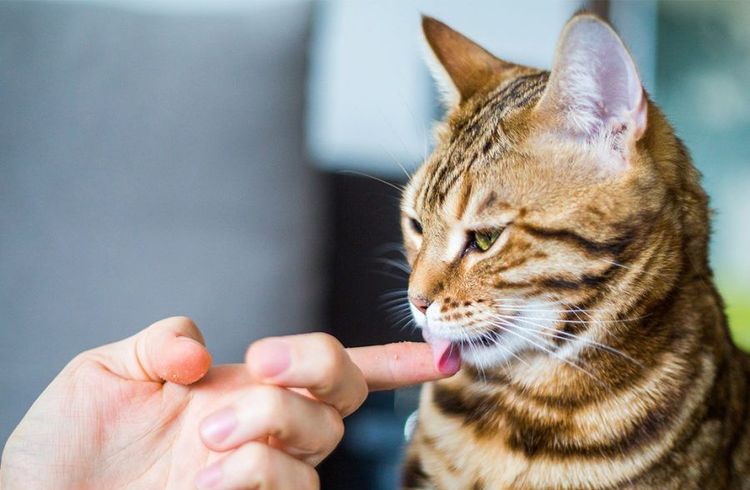
All of the above remedies are gentle and calming. They can be added to food or given on the tip of a finger. However, it's important to remember that these remedies don't stop the cat's heat cycle.
There are several other ways to distract the animal:
- Nighttime sleep. If you don't let your cat sleep during the day, it will fall asleep at night and won't make loud noises;
- Games. Active games help you unwind and burn off excess energy;
- Bathing. If you wet her tail or give her a full bath, she'll start licking herself and become distracted.
Never scold or punish a cat. While undesirable behavior and persistent meowing can be irritating to owners, yelling will only exacerbate the problem. The animal will suffer severe psychological trauma.
Is it possible to spay a dog during heat?
Sterilization is performed exclusively during the period of sexual rest, so as not to provoke hormonal imbalance. In addition, during estrus Blood flow to the genitals increases, so intervention is not recommended. It's best to wait at least a couple of weeks after the end of estrus.
A cat's heat cycle is a completely natural process, but it requires attention from its owners. If breeding kittens isn't part of the owner's plans, it's best to arrange for spaying and neutering beforehand.
Read also:
- How does a cat behave after mating?
- How to calm a cat during heat
- At what age do cats start walking?


1 comment
Valentina
A good, informative article. It made my cat's behavior clearer. What can and shouldn't be done.
Thank you.
Add a comment