
Tamaskan (Tamaskan dog)
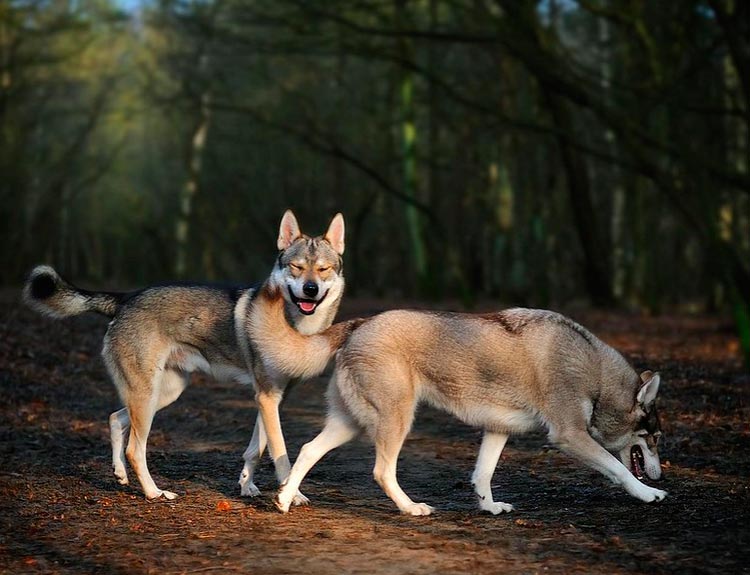
A dog with the personality of a puppy and the appearance of a wolf—that's the Tamaskan. Even many dog lovers haven't heard of this breed, which isn't surprising. It's rare, few in number, and hasn't yet been recognized by any international cynological organization. The Tamaskan isn't as timid or unsociable as other wolfdogs; it has virtually no wild blood in its veins.
Content
History of origin
The breed's history spans only a few decades. In the 1980s, many mixed-breed dogs were imported to England from Canada and the United States. Their exact origins were unknown, but their appearance suggested they were primarily a mix of Arctic breeds. DNA analysis later revealed that these were, among other things, Greenland dogs and Samoyeds. In the United Kingdom, they were crossed with wolf-like mixed-breed dogs. Siberian Husky, Alaskan Malamute And German ShepherdBy 1998, the breed group received its official name: Northern Inuit Dog.
In the Mansi dialect of Delaware, an Algonquin language, "Tamaskan" means "mighty wolf.
In the 1990s, a breeder with the Northern Inuit Dog Society discovered unusual mixed-breed dogs at the Polar Speed kennel in Lapland. The kennel's owner was working on developing his own breed. wolf-like dogsHe crossed Czechoslovakian wolfdogs and American wolfhounds with his Finnish-Siberian racing huskies and embraced the idea of crossbreeding his dogs with Inuit huskies. Therefore, the breed is considered Finnish, although it is not officially recognized in Finland. The only organization regulating the breed is the International Tamaskan Dog Registry, created in 2006 by breed enthusiasts and breeders.
Today, the Tamaskan Dog is considered an unfinished breed, but it has come a long way from its original roots and has acquired a standard that brings it closer to its ultimate goals - popularity and international recognition.
Appearance of the Tamaskan Dog
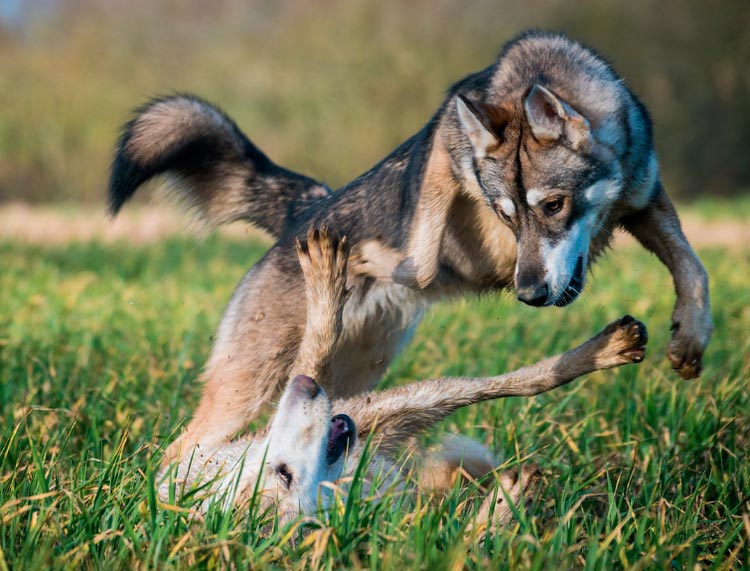
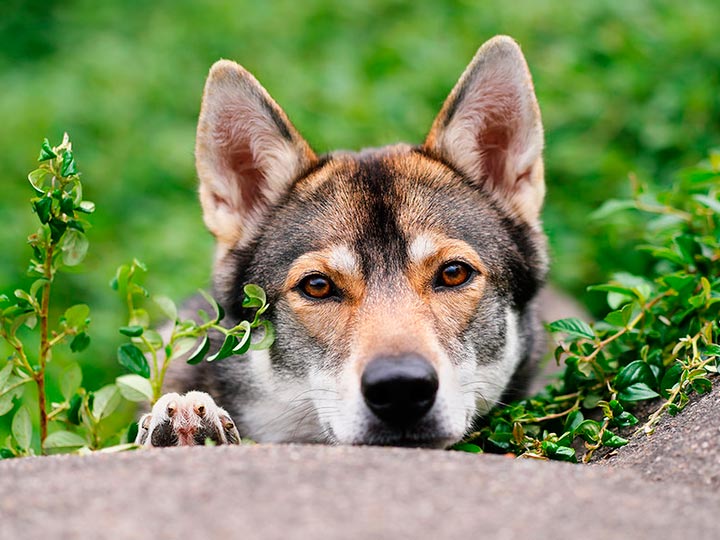
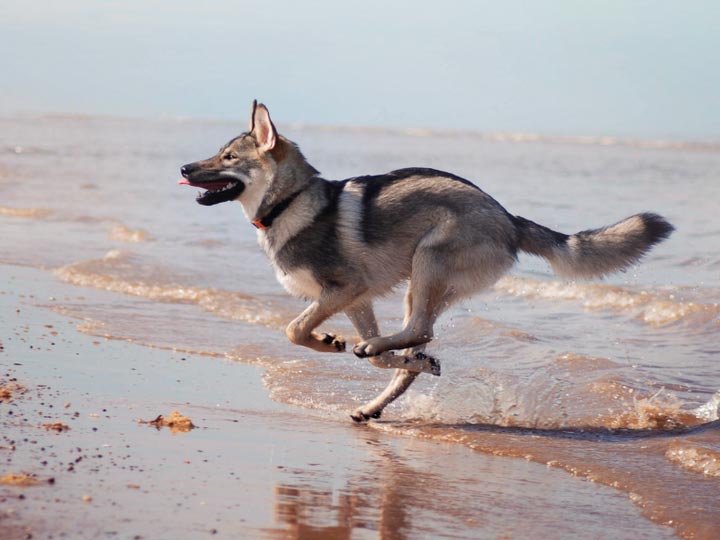
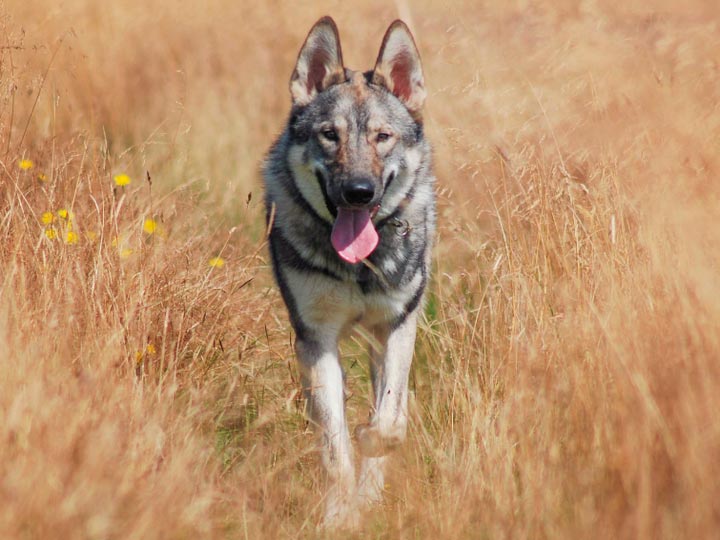
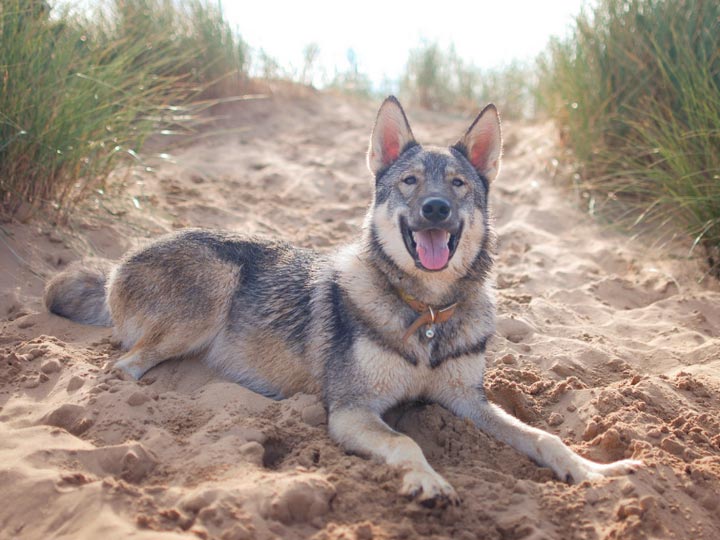
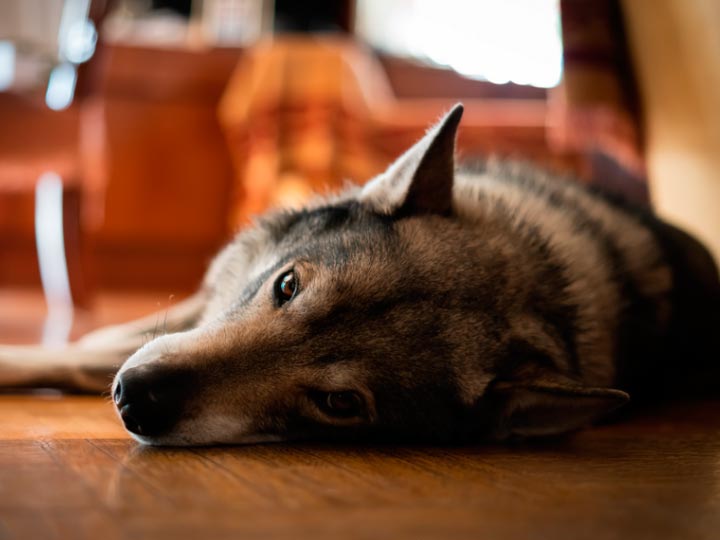
The Tamaskan dog is quite large, slender, and strong. Its appearance is very wolf-like, but its eyes, which express interest and curiosity, reveal its devoted and responsive canine nature. Its movements are quick and light. Sexual dimorphism is pronounced.
- The height at the withers is 63-71 cm.
- Weight about 30 kg.
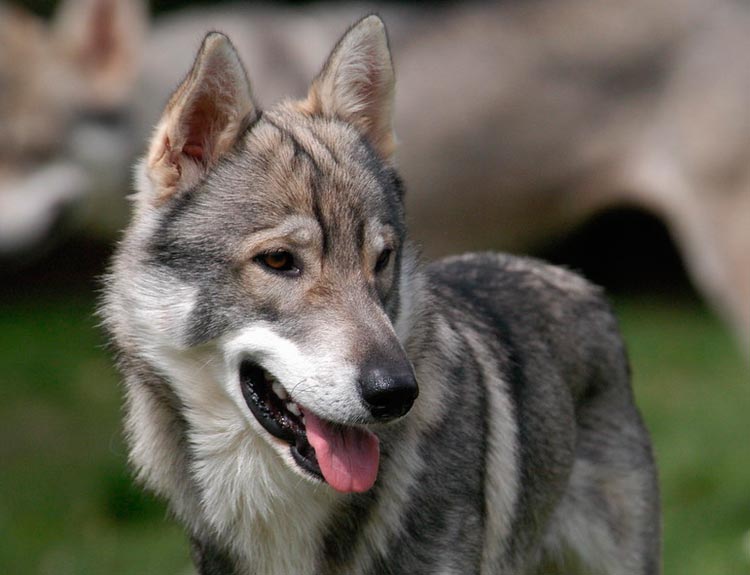
The head is proportionate to the body. The eyes are almond-shaped, medium in size, with an alert and intelligent expression. The muzzle tapers slightly, forming a blunt wedge. The nose is large and black; a "snow nose" is acceptable in winter. The bite is correct, scissor-shaped, with large, full teeth. The neck is strong and fairly long.
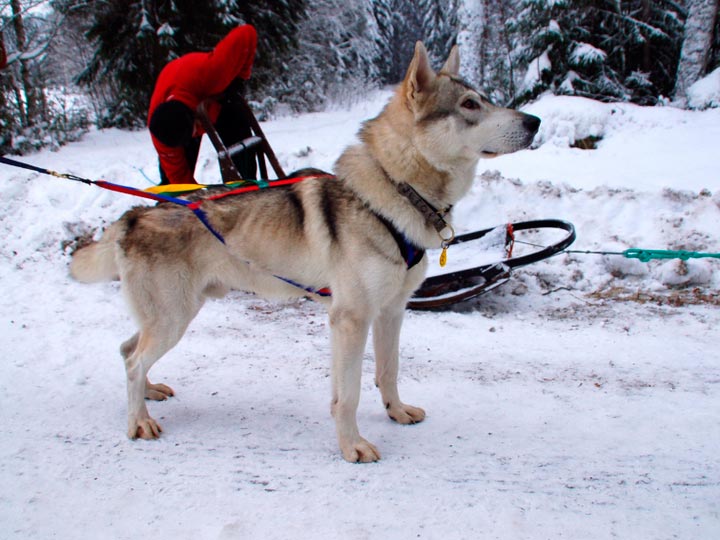
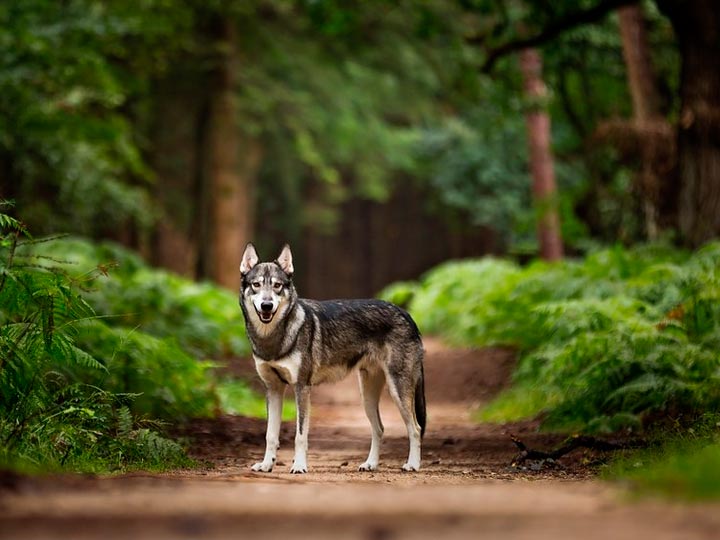
The Tamaskan Dog stands firmly on its feet, giving the impression of always being ready for action. It is graceful and free, with a proud posture and head held high. The back is straight and level. The croup is slightly sloping. The chest is deep and broad, reaching to the elbows. The tail is set low, long, and straight. The limbs are medium length, strong, with well-developed muscles and strong bone.
The coat is thick, straight, and medium-length. The undercoat is soft, and its amount varies depending on the climate and season. Colors:
- Red-gray;
- Wolf gray;
- Black and grey agouti.
Character and behavior
The Tamaskan has the balanced character and temperament of a working dog. It is quick, graceful, very curious, and people-oriented. It is hardy enough to serve as a sled dog and easily trained, making it a promising future service breed.
Tamaskan dogs are alert, intelligent, active and friendly.
They have proven themselves to be excellent family dogs and companions. They are always responsive, friendly, and obedient. They are virtually non-aggressive. They get along well with other animals and are good with their fellow dogs. They do not exhibit the possessive qualities of guard dogs and are somewhat reserved with strangers. They will alert you to the arrival of guests or suspicious noises, but are generally incapable of active defensive behavior. Tamaskan dogs are easily and quickly trained, but can be willful, stubborn, or distracted by personal needs.
Content Features
The Tamaskan dog can be considered both a working breed and a family pet. It thrives in the yard, on a harness, and with the family on the couch.
Doesn't require any special grooming. The coat needs to be brushed occasionally, and the eyes, ears, and teeth should be checked. Nails should be trimmed as needed. Bathing should be done infrequently, and only when very dirty.
Health and life expectancy
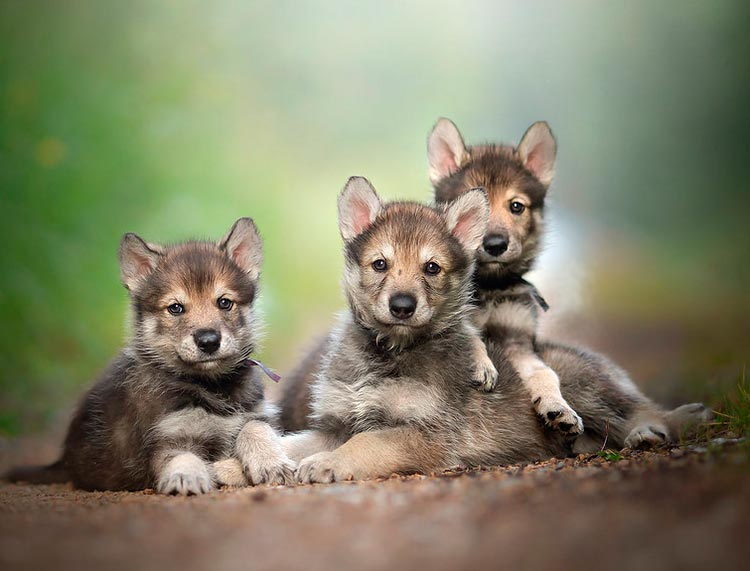
In general, the breed is healthy, but has several serious genetic diseases: hip dysplasia, degenerative myelopathy, cryptorchidismAddison's disease, epilepsy, juvenile cataracts, and digestive problems. These conditions affect a small percentage of dogs. They were primarily identified through a breeding program built on extensive health testing and allowing only healthy animals to breed. Life expectancy is 11-13 years.
Buying a puppy, price
Tamaskan breeders can be found in many countries around the world: the United States, Australia, Switzerland, Spain, the United Kingdom, Germany, and elsewhere. Information about the breed and kennels can be found on the International Tamaskan Dog Registry website. Prices vary greatly depending on the country of origin and the quality of each individual puppy. In Europe, a Tamaskan from a kennel costs between 300 and 2,000 euros.
Photos and videos
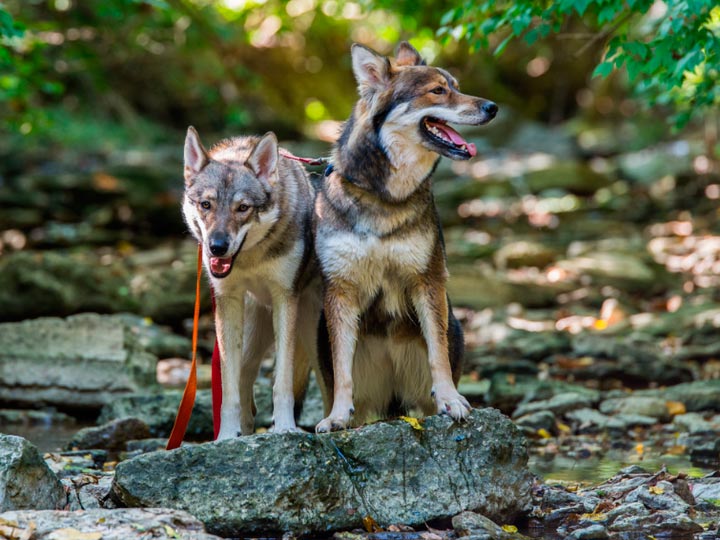
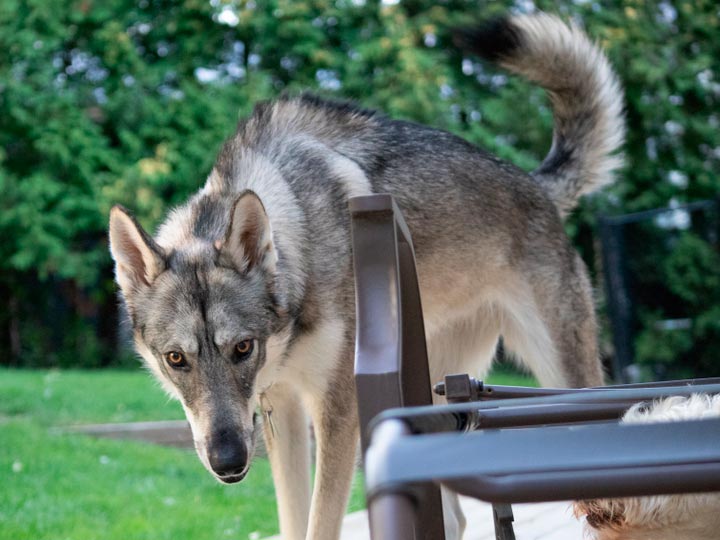
Both in real life and in photographs, Tamaskan dogs look like wolves. It's hard to believe they're descended from ordinary dogs.
Video about the Tamaskan Dog breed
Read also:


Add a comment