
Fistula in a dog: how to treat it
A fistula in a dog can be caused by a pathological process in the body or complications after surgery. If left untreated, sepsis can develop. peritonitis, complete or partial paralysis. The key to recovery is prompt veterinary attention, identification of the cause, and prompt treatment.
Content
Fistula: definition, general information, difference from an abscess
A fistula (fistula means "tube" in Latin) is a pathological formation in the form of a canal (tube) connecting hollow organs or cavities, whether natural or pathological, with each other and with the external environment. If the canal connects internal organs, it is called an internal fistula; if it has an external outlet, it is called an external fistula.
Fistulas include various pathological conditions, congenital or acquired, that arise from tissue destruction. Fluid (pus) forms in the inflamed area and exits into the environment through a narrow channel called a fistula.
The fistula walls are lined with granulation tissue, which gradually grows and closes the lumen. This leads to the accumulation of pathological contents and the formation of pockets in the tissue, which contributes to the prolonged course of the purulent process.
Without eliminating the inflammation, the canal will not heal and a secondary infection can enter the body through it.
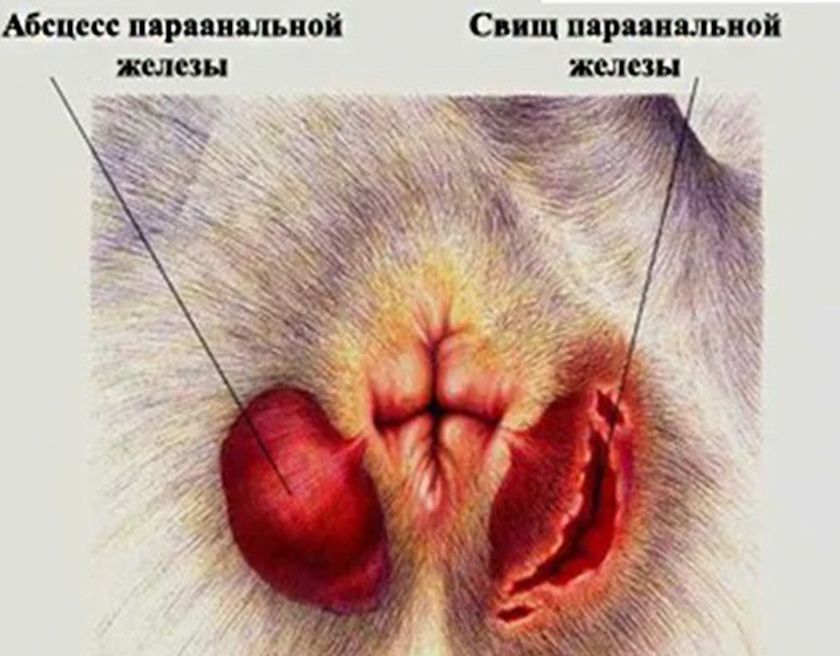
Unlike an abscess, which is characterized by the formation of a capsule separating the inflamed tissue from healthy tissue, a fistula lacks such a capsule. An abscess typically ruptures, while a fistula can extend anywhere. Without treatment, an abscess will develop into a phlegmon, which appears as a boundless pustule.
Types of fistulas in dogs, causes, symptoms
The formation of a fistula can be considered a kind of response by the body, protecting other tissues from infection. In dogs, as in other animals, fistulas can be congenital or acquired.
The former arise from abnormal fetal development in the womb and connect an organ to the body's surface. This creates a life-threatening situation for both mother and puppy. Surgery is essential.
Acquired marks are much more common. They can appear on the abdomen, tail, paws, and face as a result of:
- mechanical damage;
- presence of a foreign body in the tissues.
- arthritis, arthrosis;
- inflammatory process in the gums and tooth root;
- blockages paraanal glands;
- failure to comply with aseptic rules during surgery;
- use of very dense suture material;
- wound infection.
If a foreign body gets in
Foreign bodies most often get into a dog while walking. These can include dry grass, sharp-edged grass (such as ostyug), a small shard of glass, or other small objects. These objects can affect the eyes, ears, and paw pads.
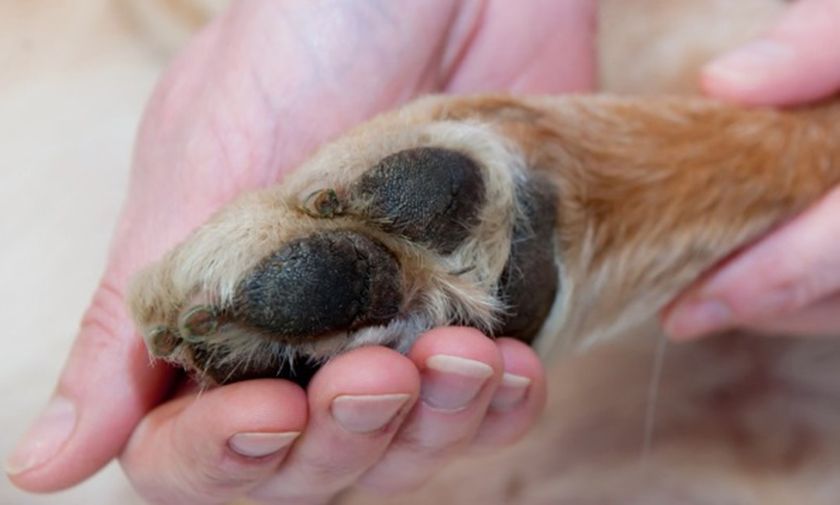
A dog that has been injured licks the wound, becomes restless, whines, shakes its head, and limps. Carefully examine the dog, remove any stuck objects, and clean the wound. Chlorhexidine, brilliant green, and furacilin solution are all suitable.
It is not recommended to treat large wound surfaces with hydrogen peroxide and iodine, as alcohol will increase pain.
Treatment is carried out for three days. If the wound is not treated, the likelihood of inflammation developing is almost 100%, and the purulent area will need to be excised.
Parorectal (rectal) or paraanal
Dogs have paired glands called paraanal glands located to the left and right of the anus. They are symmetrically located and filled with a secretion that has a distinct odor. This secretion is released during defecation, when the dog is excited, or when marking territory.
Fluid accumulation and fistula formation are observed in cases of outflow obstruction due to:
- poor quality nutrition;
- disturbances in metabolic processes;
- breed (for example, thick coat) or genetic predisposition;
- too thick secretion;
- lack of perineal hygiene.
Symptoms: the animal is restless, whining, "sliding" his butt along the floor, licks the anus, a lump appears in the area of inflammation, swelling, dermatitis, and the temperature may rise.
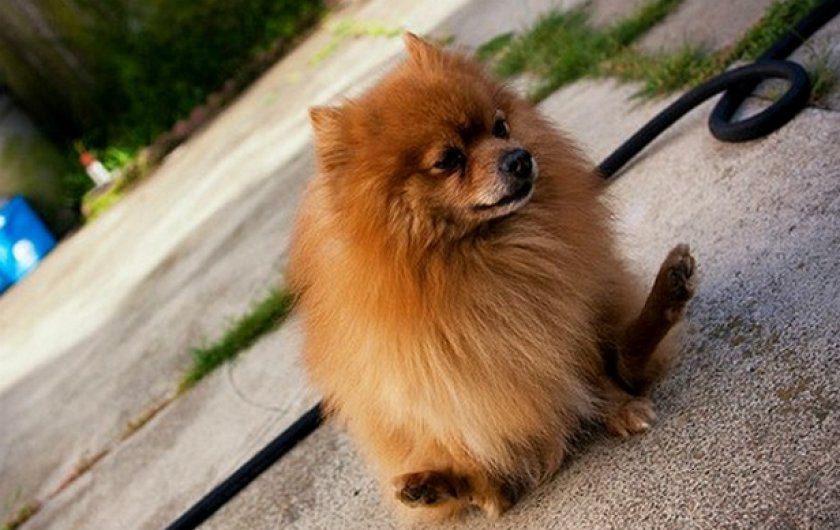
Also noted are painful bowel movements, blood in the stool, and the presence of pus if the fistula extends into the rectum.
Postoperative (ligature)
This type of fistula occurs in dogs as a complication following surgery, such as spaying or cesarean section. If the thread or suture is not properly disinfected, inflammation develops around the suture, pus forms, the connective tissue grows and thickens, and a fistula forms.
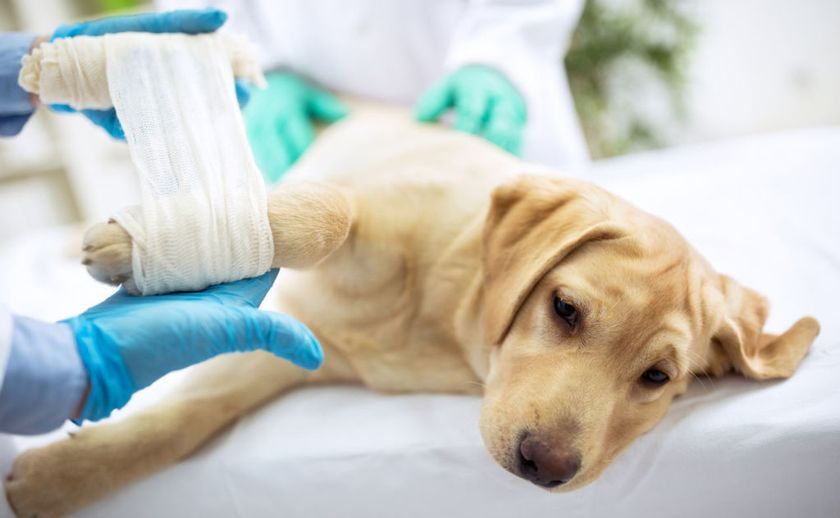
You can conduct an initial diagnosis yourself. The first sign is swelling at the suture. After 3-4 days, a foul-smelling fluid will begin to ooze from these swellings. There may be no fever or swelling. Hair will then begin to fall out in the affected area. In the case of a secondary infection, the skin around the opening will become moist and flaky, and ulcers may develop. The fistula opening is always covered with pus; when this dries, a crust forms, from which exudate oozes.
It happens that a fistula heals, but, as a rule, this does not last long - the fluid inside will accumulate and find a way out, i.e. the fistula will burst.
Diagnosis and treatment
Only a veterinarian can determine the cause of a fistula in a dog and prescribe the appropriate treatment. In some cases, imaging and lab tests will be required. Treatment and method will depend on the severity of the inflammation and the pet's condition.
For example, if a fistula is located on the cheek or under the eye, a diagnosis of the oral cavity, teeth, and gums is performed. If a blockage of the anal glands is diagnosed, the animal will only be cured by removing them. Medication will not provide long-term results.
Surgery is often necessary. First, the fistula is removed, then the cavity is cleaned and sutured. Afterward, the dog is prescribed a course of antibiotics, antiseptics, and, if necessary, painkillers, antipyretics, antihistamines, vitamins, and physical therapy.
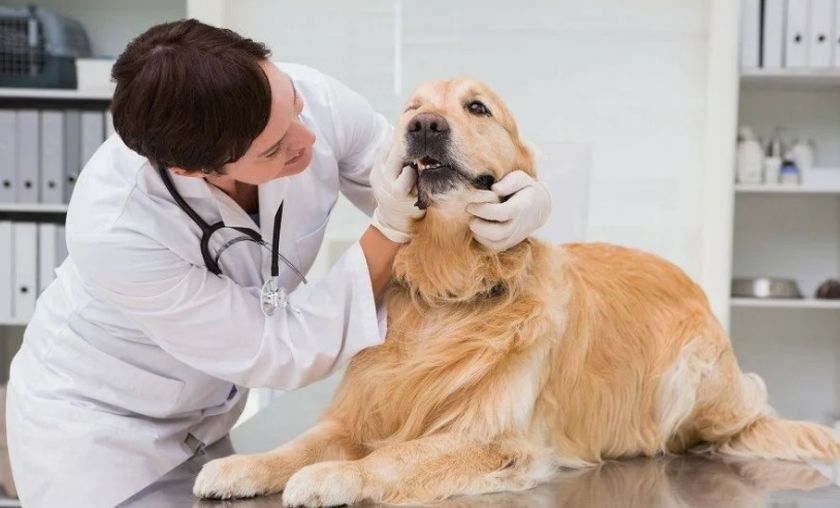
Before visiting the veterinarian, the fistula site must be disinfected with furacilin, and the cavity must be washed out using a syringe or a small syringe.
Home treatments:
- During treatment, you need to make sure that the dog does not lick or scratch the wound - there are special blankets and collars for this;
- during the postoperative period, allocate a warm, safe place on the floor;
- prescribe a gentle diet, feed in small portions;
- disinfect the suture and the site of inflammation.
To prevent fistulas, examine your pet after walks, disinfect any skin lesions, and monitor their diet, teeth, gums, mouth, and anus. Sometimes a fistula can be treated without surgery, but this is only possible in the early stages.
Read also:


Add a comment