
Fistula in cats: how to treat it
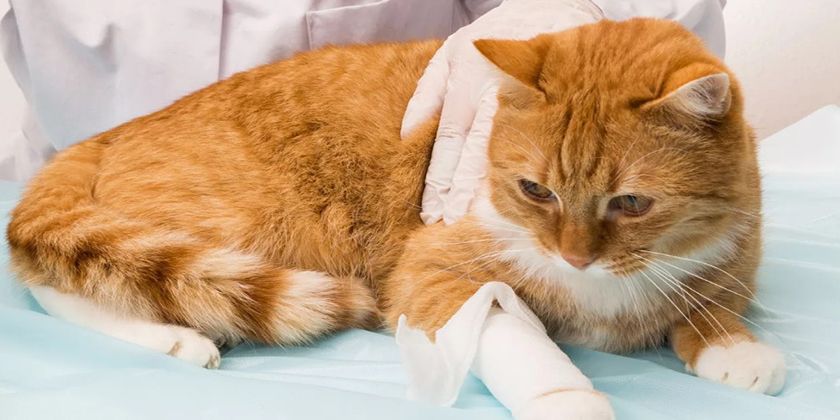
A fistula is a pathological, through-and-through opening lined with epithelium or granulation tissue that connects hollow internal organs to each other or to the external environment. Self-treating a fistula in a cat is unacceptable, as the underlying cause must be identified and addressed, which in most cases requires surgical intervention.
Content
Types of fistulas
Pathological fistulas can develop in cats in various areas of the body and for various reasons. Depending on their origin, they can be congenital or acquired. The former are the result of abnormalities during fetal development, while the latter develop during life, as a result of injury or disease.
The congenital fistula canal can be straight or curved and is usually lined with smooth, even epithelial tissue typical of healthy mucosa. It is not inflamed and serves as an opening for secretions or waste products (saliva, bile, urine, or feces) to exit the body. This fistula often causes no discomfort to the cat and is dangerous only as a gateway for infection.
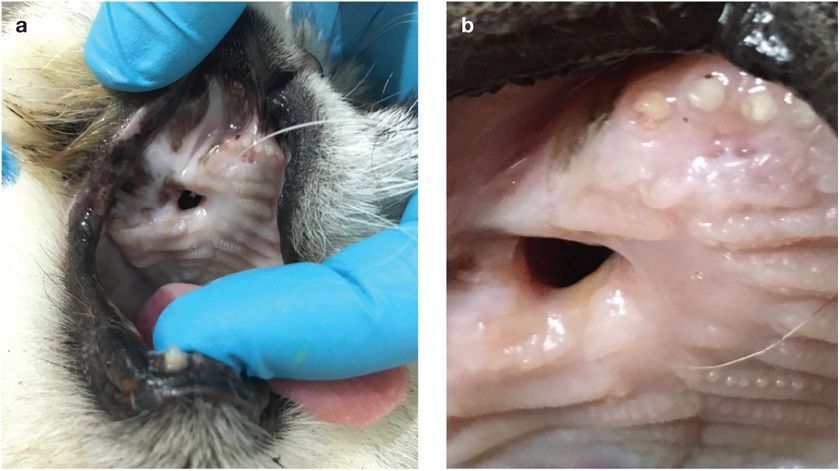
Acquired fistulas in cats are formed:
- as a consequence of the inflammatory process, accompanied by tissue death;
- in case of penetrating wound with subsequent bacterial infection;
- as a result of internal injuries (bone fractures, unintentional organ damage during surgery);
- as a result of the launch abscess;
- when a foreign object gets under the skin.
Such pathological canals are dangerous for the animal and can lead to serious consequences. Their inner surface is inflamed, lined with granulation tissue, often festering, and they do not heal on their own.
Fistulas are also classified depending on their location.
Salivary
They form due to inflammation of the ears, salivary glands, dental canals, or roots. Of all types, these fistulas in cats are relatively easy to treat.
Paraanal
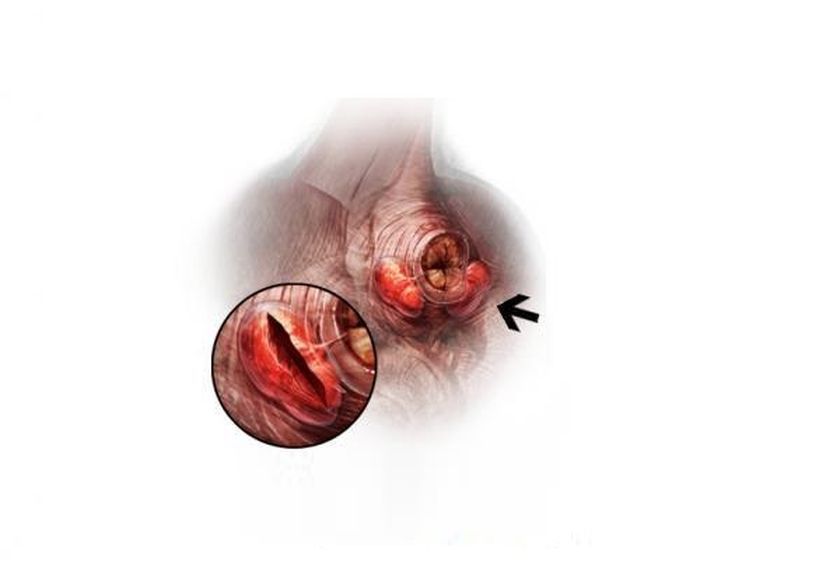
A fistula under a cat's tail can be caused by hypothermia, trauma or infection, or inflammation of the glands located in the area where the rectum passes into the anus.
Fecal
These are pathological fistulas that form in the distal (lower) part of the colon as a result of injury or surgery. If the fecal fistula is not festering and surgery is not recommended for the cat's health, it is sometimes left untreated.
Intestinal
They are localized in the upper intestine (intestinum tenue). The causes include small intestinal obstruction caused by a tumor or unsuccessful surgical intervention.
Urinary
They appear as a result of trauma or the presence of a tumor in the genitourinary organs. They extend externally or connect the bladder or urethra to the vagina or intestines.
Gallbladder
Fistulas between the gallbladder and hepatic duct can be caused by trauma, cholecystitis of any etiology, including parasitic origin, tumors, or gallstones. These pathological fistulas are the most painful and difficult to treat.
Purulent
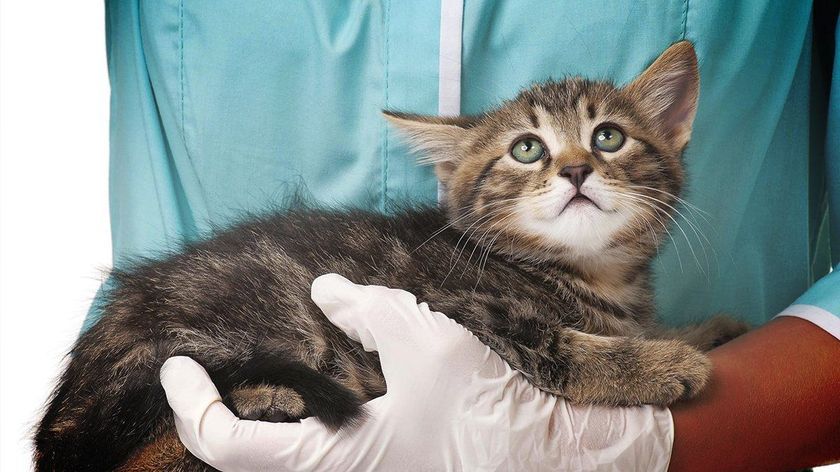
They develop as a result of an abscess breaking through, most often occurring on the animal's limbs when a foreign object causing inflammation is located under the skin of the paw or between the claws, or when dirt has gotten into a deep cut.
Signs of a fistula in a cat
A fistula in a cat is often mistaken for a "ripe" abscess. However, the clinical symptoms of these conditions differ. An abscess appears as a firm, painful swelling that oozes pus when pressed. After the abscess is lanced and cleaned, the "bump" subsides and the wound heals.
A fistula has the appearance of a deep funnel with uneven edges; if its channel is covered with granulation cells, it has the shape of an irregular rosette.. The opening constantly oozes ichor, pus, or waste products from the organ that formed the fistula (urine, feces). The skin around the fistula is inflamed and itchy, and the necrotic tissue produces a noticeable unpleasant odor.
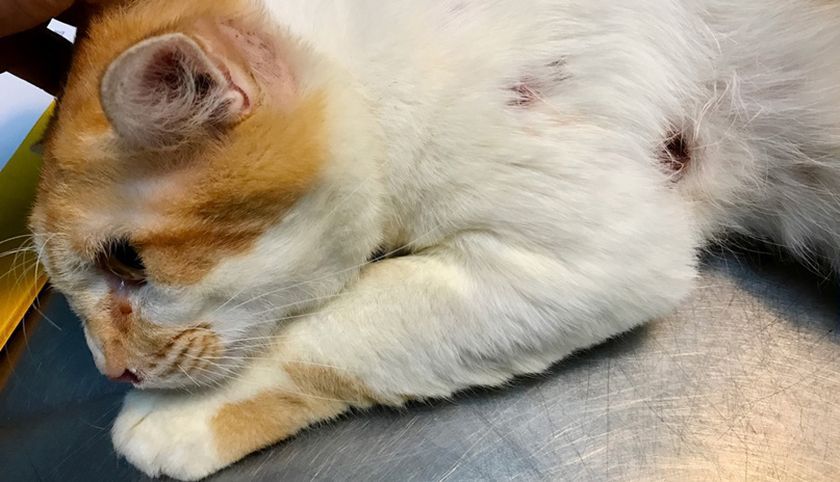
The wound remains open, so the main, very dangerous complication that can arise from a fistula is blood poisoning (sepsis). Saving an animal with developed sepsis is often impossible, even in a clinical setting.
Diagnosis and treatment
To treat a fistula in a cat, the underlying cause must be determined. Diagnosis involves examining the animal and performing a series of laboratory and instrumental tests. These may include:
- blood tests (general and/or biochemical);
- detection of possible infection in biomaterial taken from the fistula cavity by bacteriological culture and/or using an electron microscope;
- biopsy (if cancer is suspected);
- examination of the affected area using ultrasound or MRI.
A doctor decides how to treat a cat's fistula. The treatment plan will be individualized for each individual case, depending on the diagnostic results, the animal's condition, and its age.
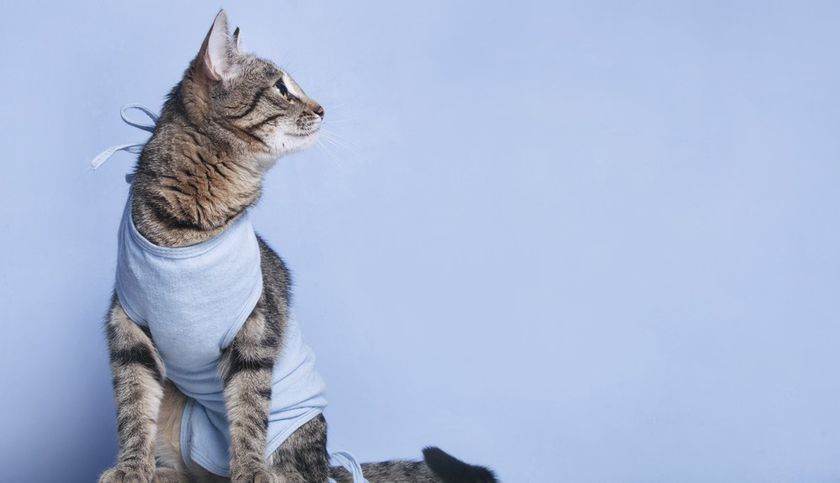
Some acquired granulating fistulas can be treated without surgery. Treatment may include:
- cleaning the canal (removal of pus or waste products that exit through the fistula);
- washing the fistula with a disinfectant solution (Chlorhexidine, 40% ethyl alcohol, 0.5% potassium permanganate solution);
- applying a bandage with wound-healing, anti-inflammatory and antibacterial agents (liniment or synthomycin ointment, Vishnevsky ointment, dioxidine, panthenol, ichthyol ointments);
- in some cases, to speed up healing, it is necessary to apply a self-dissolving suture to the edge of the fistula to close it, and on top of it - an ointment with an antibacterial, drying and anti-inflammatory effect and a sterile bandage;
- Oral administration of drugs that suppress the action of pathogenic microorganisms and strengthen the immune system.
In case of epithelialized fistulas in cats, treatment is in most cases surgical, performed under anesthesia.
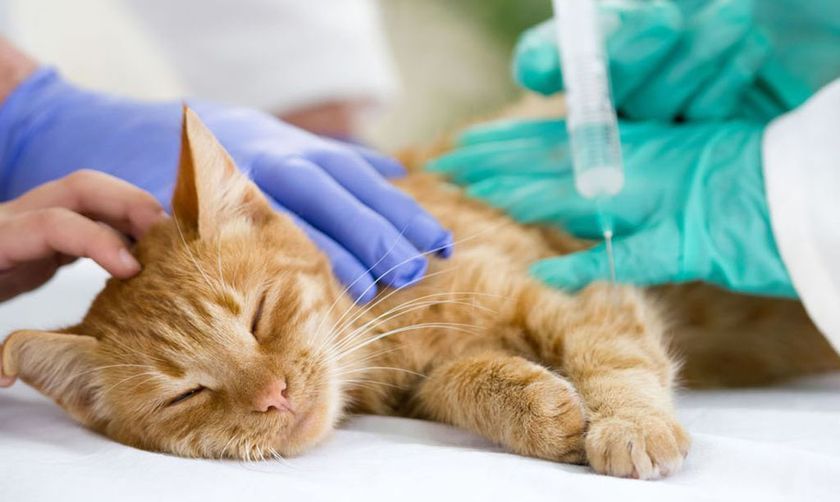
For congenital fistulas whose channels are lined with healthy epithelium, fistula closure is performed. During the procedure, a small portion of the fistula channel tissue is removed using a surgical spoon. The fistula is then treated with antiseptics and sutured using a special technique. Recurrence after this type of surgery is usually not observed, and the recovery period is minimal.
In case of acquired fistula, surgical treatment includes the following stages:
- Elimination of the inflammatory focus (removal of foreign bodies and necrotic tissue resulting from the formation of a pathological fistula due to excessive granulation tissue). This is an important stage of therapy, as fragments of dead tissue remaining within the fistula can cause recurrence of the disease.
- Thorough rinsing of the fistula cavity with an antiseptic solution (Chlorhexidine, Furacilin, Chloramine, Miramistin, 40% ethyl alcohol, 3% hydrogen peroxide, 0.5% potassium permanganate solution are used).
- Introduction of medicinal ointments (Neomycin, Oflomelid, Levomekol) into the fistula opening and the surrounding area.
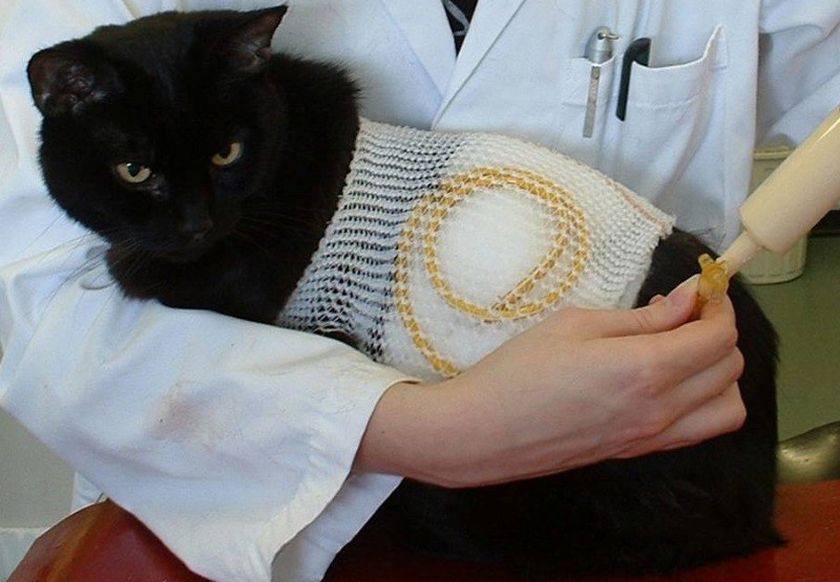
Repeated irrigation of the fistula tract and application of a fresh antibiotic dressing are essential. These procedures are performed daily until complete healing. They ensure the safe formation of granulation tissue, a special type of connective tissue that gradually fills the fistula cavity.
If the cat's condition does not allow the operation to be performed under anesthesia, external antimicrobial and anti-inflammatory agents and injections of broad-spectrum antibiotics (Ampicillin, Ceftriaxone Levofloxacin).
Prevention
There are no specific measures to prevent the formation of fistulas in cats.
Veterinarians recommend following general guidelines to maintain animal health:
- periodically examine your pet yourself in order to notice changes in the state of its digestive and excretory systems in a timely manner;
- Don't neglect scheduled veterinary checkups. If any alarming symptoms appear, consult your veterinarian outside of the scheduled visits;
- If a cat is injured, treat it promptly;
- periodically clean the cat's anal glands yourself or at a veterinary clinic;
- carry out antiparasitic treatment of the animal within the prescribed timeframe;
- provide the cat with sufficient physical activity;
- do not allow the cat to overheat or become too cold;
- maintain your pet's immune system in good condition;
- Organize a proper diet. Your cat's food should be high-quality and balanced.
Read also:
- What human antibiotics can be given to cats?
- Paranal glands in cats
- How to give a cat an intramuscular injection


Add a comment