
Cat carrier bag
A cat carrier is a convenient device that will help you transport your cat without any hassle. It will provide comfort and safety for your pet, provided, of course, that the carrier is chosen correctly. A wide variety of products are available in stores, varying in both functionality and price.
Content
Types of carriers and their cost
To choose the right carrier, you need to understand what you will be using it for and take several things into account.
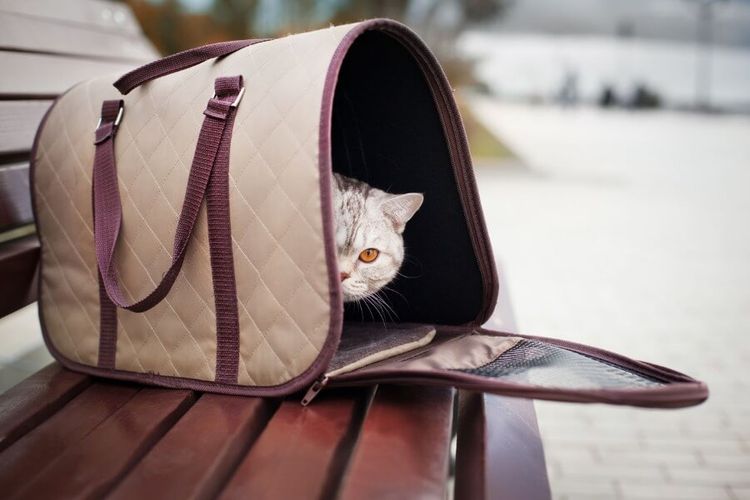
Classic soft model
For short walks with calm cats who aren't afraid of the outdoors, you can buy a soft bag. Prices start at 350 rubles—quite affordable, but there are also more expensive, brand-name models for 2,000–3,000 rubles.
The pet should be placed inside and zipped closed. The cat can stick its head out to breathe freely, and the owner can pet and soothe it. Some models feature an adjustable Velcro collar that fastens around the neck, preventing escape. The bag can be carried by hand or slung over the shoulder.
Bag with hard elements
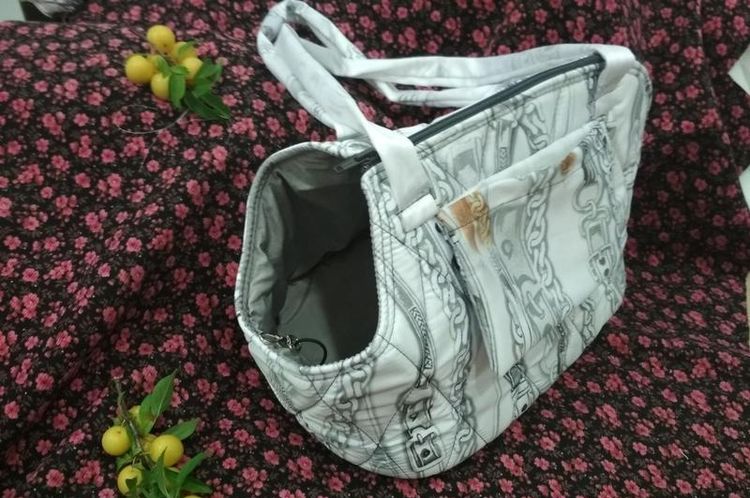
These options are more convenient, as they resemble a container with a door and windows. A carrier with a sturdy bottom will provide a more comfortable environment for your pet, preventing it from sagging. This "duffel bag" can easily be placed in a car or on the floor. Prices start at 650 rubles and up.
There are models with reinforced walls and even a metal door. They are more durable and reliable, and even rain won't bother your cat inside. The cheapest models cost around 1,000 rubles.
Backpack-carrier
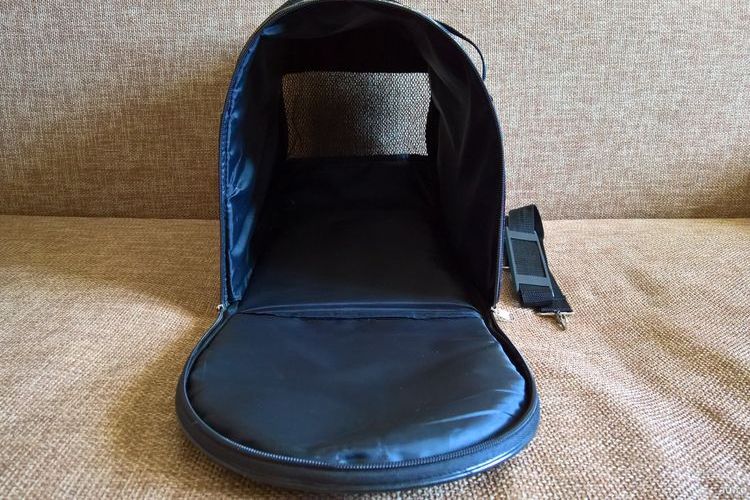
Backpacks, which have recently come into use, combine the benefits of a regular bag and a container. They're easy to carry, and the plastic wall provides impact protection. Plus, your pet will be comfortable: there's plenty of space inside, and you can even look out through the porthole. It looks pretty fun!
The average price of a cat carrier backpack is 3,000 rubles.
On wheels
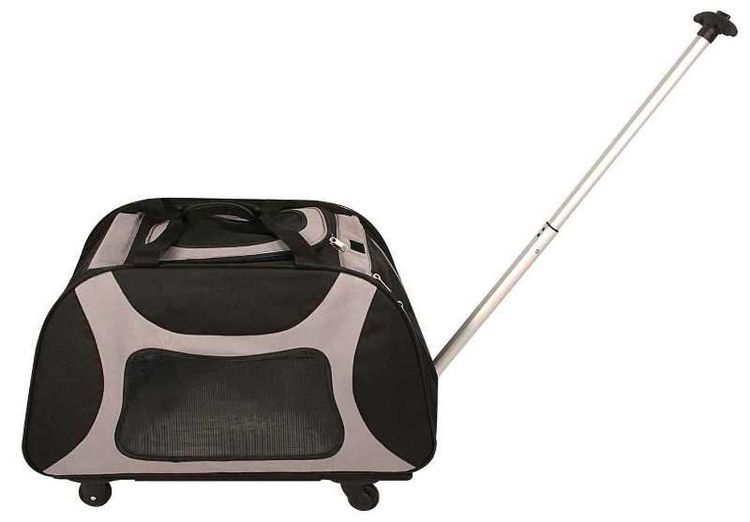
A carrier with wheels and a retractable handle can be purchased for 4,000-5,000 rubles. This model's main advantage is that you don't have to drag the baggage around by hand. It's perfect for traveling with a pet, but there is one drawback: the loud noises and rattling caused by riding on bumpy roads and sidewalks can frighten your pet.
There are foldable, convertible bags that can be carried by hand or like a backpack, and, if needed, can be set up and rolled like a suitcase. They cost around 7,000-9,000 rubles.
Selection criteria
When choosing a carrier, you should certainly pay attention to its design. However, your pet's comfort and safety, as well as the quality of the product, should still come first. To make the right choice, consider factors such as the carrier's size, material, and construction.
It's best to choose collapsible bags that can be folded compactly. If they're reinforced carriers, the bottom or even the sides can usually be removed, and everything fits into a small case.
Size
The inside should be spacious enough for the animal to stand, sit, and turn around freely. This means the carrier should be approximately 1.5 times the size of the cat. If it's too big, you'll likely find it awkward to carry. The "passenger" will slide from one side to the other, and no cat likes to feel like they're on a roller coaster.
If you're planning a long trip, it's worth getting a carrier that can also accommodate food and water bowls. For very long trips, it's even advisable to get a large container designed for dogs. You can put a pillow or a bed in it, as well as a litter box.
It's best to buy a carrier for your kitten that will fit when it's fully grown. It's a good idea to place a towel or something similar on the bottom of the carrier to prevent the kitten from slipping during travel.
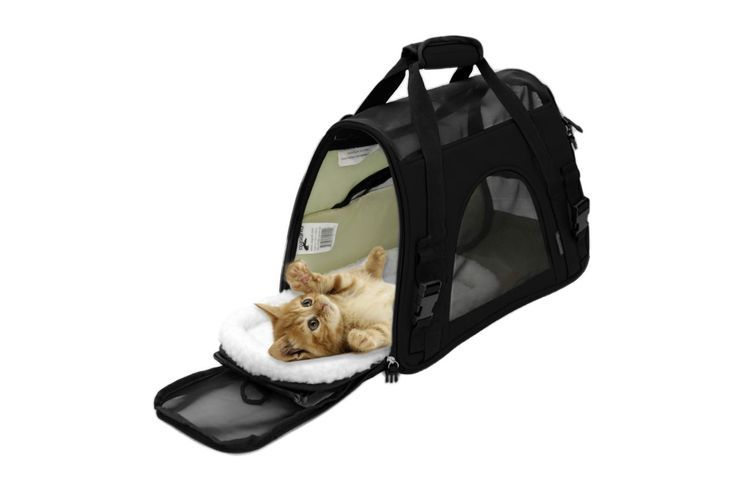
What if you need to transport multiple animals? Experience shows that it's best not to use a carrier for two cats. Besides the difficulty of squeezing them in, the animals can become aggressive towards each other. This can happen even between cats who are normally very close. Once a cat experiences this, it will remember it for a long time, and it will be difficult to persuade it to climb into the carrier again.
Material
To avoid wasting money, buy items made of good, durable materials. They'll last longer and won't rip at the most inconvenient moment. Bags made of nylon, polyester, leatherette, and polyurethane are all suitable.
Please note that baby carriers are available for different weather conditions. For summer heat, choose models made of lightweight, breathable materials, while insulated options are recommended for colder weather. It's also preferable that the material be easy to clean and washable. It's also a good idea to have a bag that's machine washable.
Design
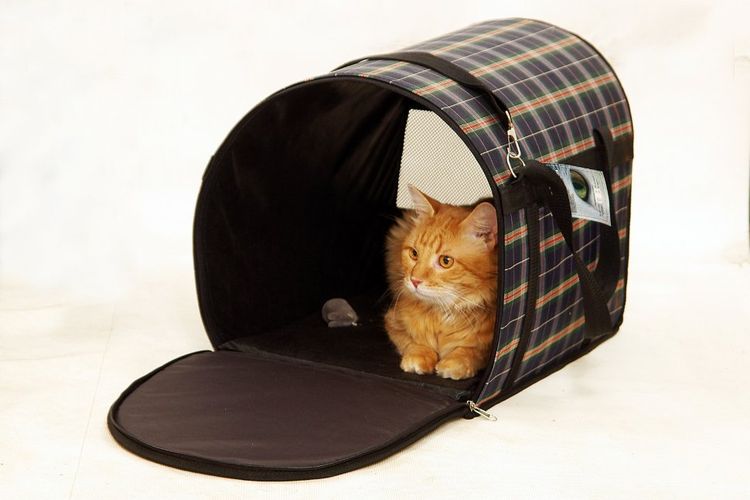
As we all know, cats love comfortable, cozy, enclosed spaces; it gives them a sense of security. When stressed, they like to hide away, unseen. Therefore, a good carrier should definitely provide these conditions.
Zippers and Velcro open and close quickly and easily—a plus, on the one hand. However, your pet can still escape. Therefore, it's a good idea to check the security of all closures before purchasing.
Another important criterion is good ventilation. To ensure this, the carrier should have at least two ventilation holes, and preferably holes on three sides.
Having multiple doors is an added bonus. Your pet may resist being placed in or removed from the carrier, so it's a good idea to have multiple entrances, such as one at the end and one at the top. A frightened or nervous cat is usually easier to place through the top. This also provides additional access for veterinary care.
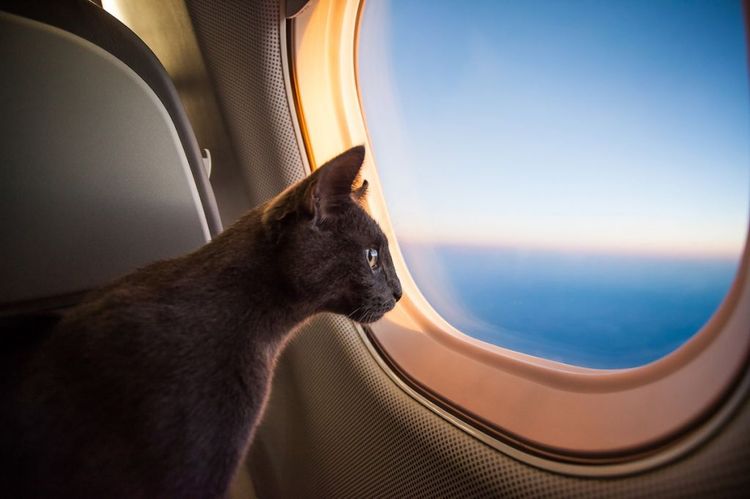
If you're planning to fly, please be aware that each airline has its own rules regarding transporting pets. So, check these details before your flight.
Soft or hard?
Carrying bags are less bulky than plastic or metal cages. They're also easier to transport and store. However, they do have a number of disadvantages:
- they are not as strong as plastic devices;
- they are more difficult to clean from dirt;
- Cats can scratch fabric, so it is preferable to transport particularly violent ones in plastic carriers.
Experience shows that trying to transport a cat in an unsuitable carrier is highly likely to end in disaster. Firstly, the animal might jump out and injure itself or run away, and secondly, it might scratch you out of fear. Therefore, purchasing a carrier is a worthwhile investment!

Read also:




Add a comment