
Sulfocamphocaine for dogs
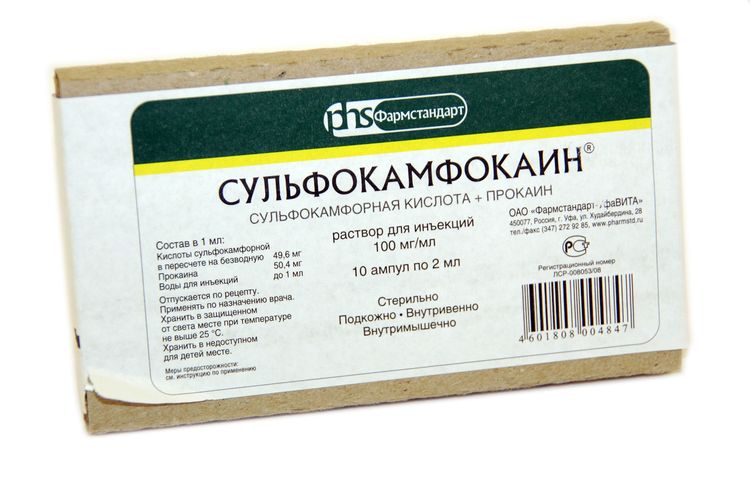
Sulfocamphocaine is a cardiological medication used in dogs for heart disease and respiratory problems. The human medication has long been used in veterinary medicine. Some experts recommend keeping it in pet medicine cabinets for emergency care.
Content
General description
Sulfocamphocaine is an injectable solution. It appears as a clear, colorless liquid. It is packaged in sealed glass ampoules with a capacity of 2 ml. Five ampoules are placed in plastic containers. Two containers are contained in a cardboard box.
The drug contains two active components:
- sulfocamphoric acid;
- procaine.
The excipient is water for injection, which is pre-cleaned to remove impurities and sterilized.
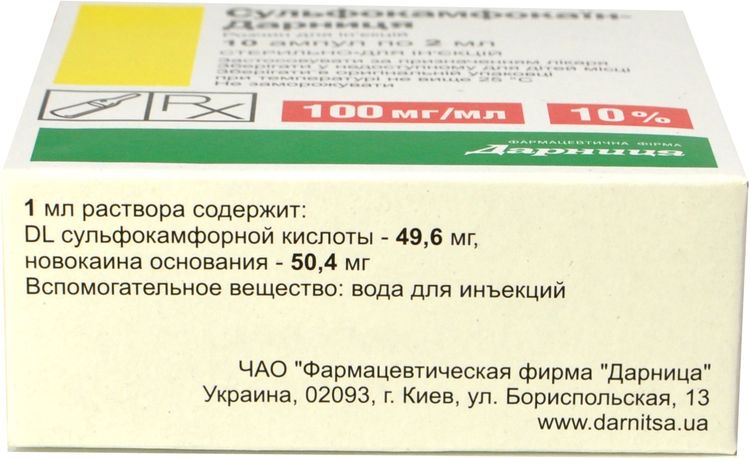
No special storage conditions are required. The medication can be stored on a shelf, in a cabinet, or elsewhere along with other medications. The only requirement is that the temperature should not exceed 25 degrees Celsius. Do not freeze the contents of the ampoules, even during transportation.
How it works
Sulfocamphocaine can be used in dogs for emergency treatment of heart and lung problems, or as a supportive therapy. The medication works by affecting the nervous system, specifically the medulla oblongata, which is responsible for respiratory function and blood flow.
The medicine has the following effect on the pet’s body:
- improves metabolic processes in the heart muscle;
- increases ventilation of air in the lungs;
- tones the respiratory center;
- lowers blood pressure.
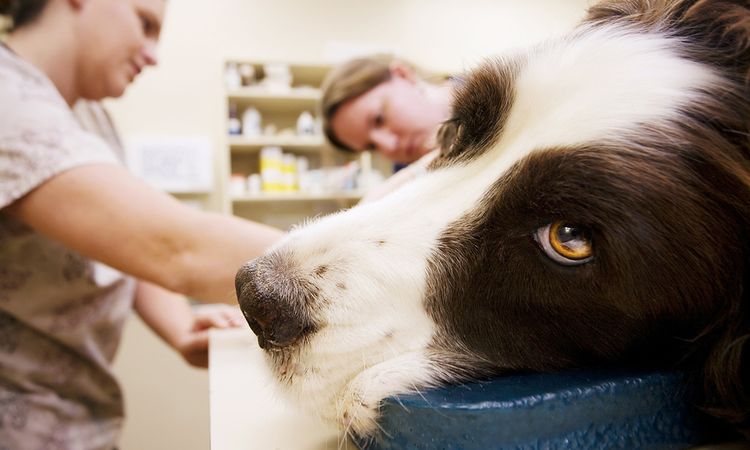
The drug also affects the vascular system. It constricts abdominal blood vessels, increases blood flow to the heart, and improves coronary blood flow. However, it also causes increased heart rate. Furthermore, the medication increases the brain's oxygen demand. A lack of oxygen can trigger undesirable processes. For this reason, some veterinarians have already abandoned the use of this human cardiac medication in dogs, replacing it with safer medications.
After metabolism, it is mostly excreted from the body by the kidneys. A small portion is excreted in the bile. A peculiarity of this drug is that urine may acquire a characteristic medicinal odor when used.
Indications for use
Sulfocamphocaine is prescribed to dogs in the following cases:
- in heart failure caused by various factors;
- in case of pulmonary insufficiency;
- in case of cardiogenic shock (a sharp decrease in heart rate);
- in case of poisoning with chemical substances.
To improve respiratory function, the drug is used when pneumonia And pulmonary edemaIn some clinics, it is used to bring animals out of anesthesia. It is also sometimes used for anaphylactic shock, but with caution. In some cases, the medication has the opposite effect, worsening symptoms rather than relieving them.
Sometimes the drug can be used in dogs with infectious diseases to support cardiac function and stimulate lung function. In such cases, it is prescribed in combination with other medications.
Please note! It is not recommended to self-medicate animals with sulfocamphocaine. Consult a veterinarian before use.
How to apply
Since the instructions are intended for humans, it's impossible to find dosage and specific instructions for using Sulfocamphocaine in dogs. To avoid treatment errors, consult a veterinarian.
How do you inject sulfocamphocaine into a dog? Injections are given intramuscularly or subcutaneously. Intravenous administration via a drip is also acceptable. This route of administration is rarely used, and then only in clinics. It is important that the drug be administered slowly.
The dosage is calculated by the doctor based on the animal's weight. A single dose should not exceed 2 ml. Depending on the animal's condition, injections are given 1-2 times per day. The duration of treatment should also be determined by the doctor.
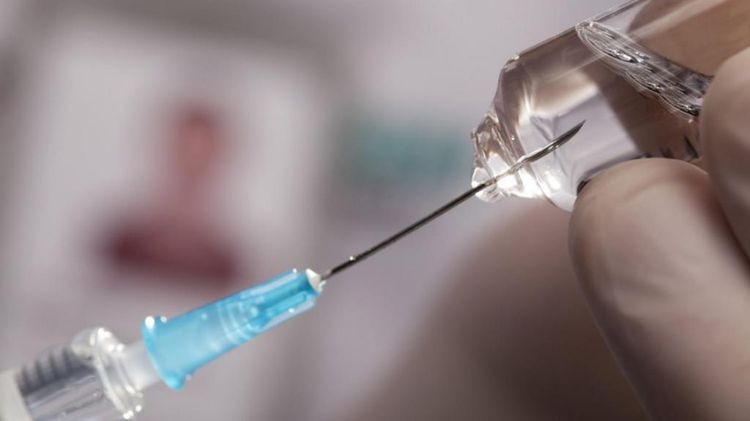
Typically, the medication is combined with glycosides, vitamin complexes, antibiotics, and other medications. Combination therapy should be determined exclusively by a veterinarian.
Contraindications and side effects
The instructions for use list contraindications for sulfocamphocaine for humans, but most of them also apply to dogs. The main restrictions include:
- convulsions;
- epilepsy;
- intolerance to novocaine and other components.
Important! Avoid using this cardiac medication if you have low blood pressure. Because the medication has a hypotensive effect (lowers blood pressure), it can lead to cardiac arrest.
This medication is contraindicated for use in puppies and pregnant or lactating females. If kidney or liver problems are present, a comprehensive examination is required.

The drug may cause the following side effects in dogs:
- vomiting and disruption of the digestive system;
- convulsions;
- increase in body temperature;
- urinary incontinence;
- swelling or rash at the injection site;
- tremor;
- motor dysfunction.
In case of intolerance, hives, itching, skin rashes and other allergic reactions may occur.
An overdose can cause severe seizures, as well as depression, weakness, and loss of coordination. Depending on the symptoms, the animal may be prescribed anticonvulsants and tranquilizers to relieve nervous system agitation.
Please note: Incorrect use may result in fatal consequences.
Interaction with other drugs
Sulfocamphocaine is often combined with glycosides and diuretics to enhance its stimulating effect on the nervous system. The medication can also be combined with painkillers and steroids. The latter help prevent allergic reactions to the cardiac medication.
It is not recommended to combine it with sedatives and anticholinesterase agents, as it inhibits their effects. Concomitant use with MAO inhibitors increases the risk of critically low blood pressure.
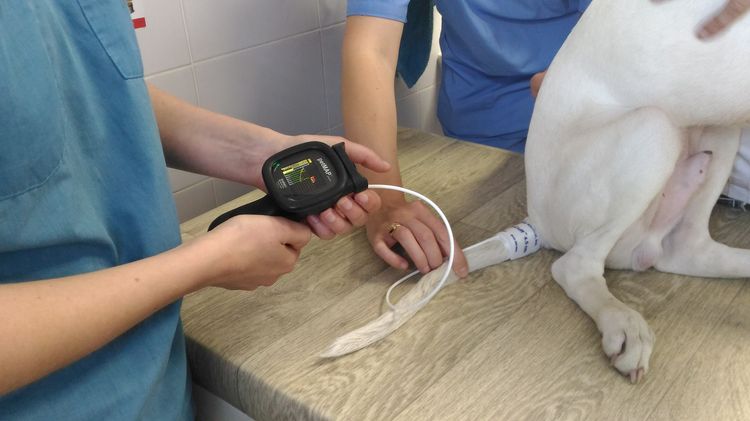
If your dog is taking any medications, your veterinarian should take this into account when prescribing Sulfocamphocaine.
How much does it cost and where can I buy it?
A 10-ampoule pack of sulfocamphocaine costs 120-170 rubles, depending on the region and pharmacy. Since this is a human medication, it is sold in regular pharmacies. Finding the medication is easy, but some pharmacies require a doctor's prescription. The medication is also available online.
Owner reviews
Gennady, the owner of a shepherd dog:
"Our dog is already 16 years old—a respectable age. This is taking a toll on her health. Among the various issues we have, we also have heart failure. Because of this, we periodically administer courses of Sulfocamphocaine and Panangin. These medications help keep our beauty alive, so I have nothing negative to say about them. We use the medication as prescribed by our doctor. The advantage is the low price. One ampoule costs an average of 15 rubles."
Olga, the owner of a St. Bernard:
"Large dogs often suffer from heart disease. Our dog is getting on in years. Recently, we noticed he was having difficulty moving, and he was short of breath, which quickly progressed to shortness of breath. An examination revealed early-stage heart failure. Among other medications, we were prescribed sulfocamphocaine. Immediately after the injection, the dog urinated, although the amount of urine varied. Regarding the therapeutic effect, his condition improved, but we asked the vet to recommend another medication."
Valentina, the pug's owner:
"The dog started coughing. The cough kept getting worse, so we went to the vet. An x-ray revealed a tumor near the heart. The doctor prescribed sulfocamphocaine, but the injections caused the dog to vomit. We later went to another clinic, where they said this medication is not recommended for use on animals. They prescribed a completely different treatment."
Veterinarian Reviews
Andrey, a veterinarian with 15 years of experience:
"These days, most veterinarians don't use sulfocamphocaine in their practice. I'm one of them. There are plenty of safe medications for animals available in pharmacies. Although, to be honest, I do have experience using this medication in veterinary practice. While the medication is generally effective, it often causes side effects. In such cases, the benefit of the medication is questionable."
Galina, a veterinarian at a provincial clinic:
"I work in a small town. Unfortunately, the selection of veterinary medications at the pharmacy is limited, so I often have to use human medications. One of them is sulfocamphocaine. I can't say it's the safest medication for animals, but it has saved their lives more than once. Use only as directed by a doctor."
Read also:


Add a comment