
Dog Seizures: Causes and Treatment
Many of us have witnessed the frightening phenomenon of seizures in dogs, and almost every adult knows what they are. Unlike dogs, however, dogs can help themselves or others. However, when involuntary muscle contractions suddenly begin in a pet, many are at a loss and don't know how to react. Can you help your dog yourself? What are the possible causes of seizures? How can you provide first aid? What treatment is prescribed? Let's try to figure this out.
Content
Reasons
Most owners panic when they see their pet convulse, which is not surprising: the animal falls, twitches convulsively, salivates, and may even foam at the mouth. It's a horror movie-like sight, not for the faint of heart. And everyone immediately wonders: what happened, what's causing it? It's important to note that seizures are not a specific condition, but rather a symptom of a specific illness. Let's highlight five of them.

- Infection. Involuntary muscle contractions can be caused by a bacterial or viral infection. The most dangerous form of the disease is rabies, which causes convulsions and foaming at the mouth. Transmission occurs through contact with an infected dog.
- Intoxication. This can occur as a result of a chemical substance (such as arsenic used to poison rodents) entering the dog's body, which eventually leads to poisoningAn inflammatory process begins in the body, and diarrhea and vomiting, then muscle spasms occur, which can result in paralysis.
- HypoglycemiaThis disease occurs when an animal's body experiences a severe deficiency of glucose in the blood. This disrupts metabolism, primarily affecting the kidneys and liver, and leading to seizures. This disease most often affects young animals and small breeds, and can also be hereditary.
- Eclampsia, in which a dog's calcium levels drop sharply. Pregnant females, newborn litters, and dwarf breeds are particularly susceptible to this condition. Calcium deficiency is what triggers seizures in pets.
- EpilepsyThis is the most common cause of seizures in animals. This disease affects the brain. It can result from head trauma, inflammation, tumors, or be inherited. Large breed dogs are most susceptible to epilepsy.
Types of seizures
Involuntary muscle contractions are divided into four types, and every owner needs to know the symptoms associated with each type. This is important to accurately describe the nature, duration, and frequency of the spasms to the veterinarian. This information will help make a diagnosis and prescribe treatment. There are specific differences between the types of muscle contractions, so let's look at each type.
- Convulsive movements are characterized by weak twitching that occurs periodically. After short, jerky contractions, the animal may even stand up and respond to the owner's commands, after which the convulsive spasms repeat.
- Tonic. This type is not particularly dangerous; the spasms are short-lived. The muscles tremble periodically, and the dog remains conscious throughout, but feels a dull ache, becomes nervous, and whines. The spasms can occur in any part of the animal's body; they don't cause severe pain, but they can be frightening.
- Clonic. With this type of seizure, the animal's state alternates, with muscles contracting and relaxing at intervals of half a minute to a minute. For example, if a dog's paw cramps and the seizure occurs, the animal remains conscious, and during periods of muscle relaxation, the animal calms down. Then, the contractions begin again.
- Epileptic seizures. This condition is the most frightening and dangerous; the dog appears frighteningly, as if in death throes. The muscles contract almost continuously, and this continues until the animal loses consciousness from the pain. Epileptic seizures can be incurable for the affected dog.

First aid
If your pet suddenly begins to experience involuntary muscle contractions, the most important thing is to remain calm and try to alleviate the condition as much as possible. Unfortunately, there's no way to help your pet in this situation, as convulsive twitching is a very serious symptom. So what should you do if your dog is having seizures? The first step is to immediately call a veterinarian or, if possible, take your pet to a clinic. Don't panic, especially since it's possible to provide assistance, even if minor, to your pet.
Provide the animal with peace and quiet, darken the windows, and then carefully (during periods of relaxation) transfer the dog to a bed or firm mattress (not a bed). Do not manipulate the pet in any way, and do not attempt to restrain or otherwise revive it—this is strictly prohibited. Only a qualified professional can provide necessary medical care. The only thing you can do yourself (if you are hesitant to transfer the pet) is to lightly support the dog to prevent it from hitting its head on foreign objects.

Closely monitor your pet's condition, pauses between seizures, and overall behavior. Report all your observations to your veterinarian for proper diagnosis and the most effective treatment. Another first aid measure veterinarians recommend if your dog is experiencing seizures is to gently place a few drops of Corvalol or Valocordin on the pet's tongue. These medications will calm your pet slightly and reduce nervous system excitability.
Examination
Only a veterinarian can determine the exact cause of a dog's seizures after performing the necessary tests. These include an abdominal ultrasound, complete blood count and biochemistry, CT scan and MRI, cardiac ECG, and chest X-ray. Without these tests, a diagnosis is impossible, unless one can only speculate about the cause of the seizures. In dogs under one year old, muscle contractions are caused by inflammation and congenital abnormalities. In animals over one year old, such alarming symptoms indicate epilepsy. If your dog is over five years old, seizures may indicate cancer.
Prevention
There are no specific, difficult-to-follow tips for preventing seizures in dogs. Pay attention to your pet's nutrition, add variety, and choose food enriched with vitamins, minerals, and trace elements. When out for walks, ensure your pet doesn't come into contact with strays or, especially, aggressive animals, which could expose them to dangerous diseases. And, of course, have your pet undergo routine checkups with a veterinarian at least twice a year to rule out any conditions that could cause muscle seizures.
Treatment
Before diagnosing the cause, a specialist will begin treatment for a dog's seizure with intramuscular injections of magnesium sulfate. This antihistamine will stop spasms and eliminate involuntary muscle contractions. The doctor will then examine the symptoms, refer the animal for an examination, and only then, based on the results, make an accurate diagnosis and prescribe the appropriate treatment. You will only need to strictly follow all the doctor's recommendations until your pet has fully recovered.
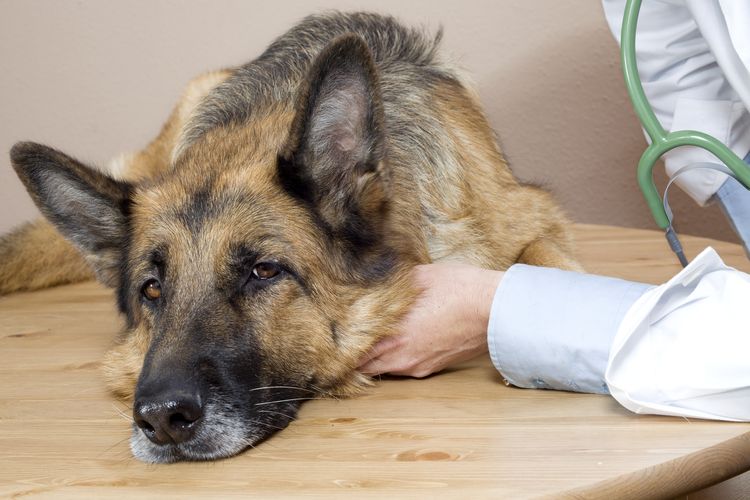
The biggest mistake many dog owners make is voluntarily discontinuing treatment, believing their pet has already recovered and that there's no need to further medicate them. This is unacceptable; the animal must complete the full course of treatment, which can only be completed with the vet's approval. Whether their four-legged friend fully recovers depends entirely on the dog owner. After all, pets are often treated at home, and if the doctor's recommendations are ignored, the pet's health and even life are at risk.
Which breeds are at risk?
These are mainly purebred dogs such as collie, husky, poodles, Labradors, and dachshunds. The animal's gender also plays a role, as males are more susceptible to epilepsy than females. However, females can pass on the condition during pregnancy.
However, small dog breeds aren't immune either; they can also experience seizures, but as a consequence of another condition: hypoglycemia. This condition is most common in Chihuahuas, miniature Spitz dogs, and Yorkshire Terriers. It can begin at an early age, and low blood glucose can be caused by several factors: premature birth, poor feeding, a sudden change in the familiar environment, and even stressful situations (remember, miniature dogs are very skittish).
You can also ask our website's staff veterinarian a question, who will answer them as quickly as possible in the comments box below.
Read also:


26 comments
Marina
Hello! An 8-year-old female Asian Shepherd is in heat. This time the blood is slightly brown. The next day, she had a brief attack. She peed herself, jumped up, and wanted to run out onto the balcony, but it didn't work out right away because she was shaking, spreading her front paws, and sitting on her hind legs. She finally made it out onto the balcony, still shaking and salivating slightly. A couple of minutes later, she was fine. She had dewormed a year ago. I'm going to buy some deworming today, but I suspect that's not the cause. Could you please tell me what medications I give my dog for this condition? I understand that I need to see a vet and get tests done, but I'd like to hear other opinions on the medications. Thanks in advance.
Dasha is a veterinarian
Hello! My pet needs an ultrasound, biochemistry, and a complete blood count. How can they prescribe treatment and recommend medications without a diagnosis? Honestly, if this happened to you, would you want a doctor to prescribe medications online without examining you or making a diagnosis? Or would you be terrified by the symptoms and rush to the clinic to see a specialist in person? So, take your pet to the doctor.
Alexey
Hello. My dog, 15 years old... a miniature pinscher... has cramps in the muscles of her right hind leg, it started quite suddenly (she has never had this before). When she has a cramp, she squeals and gets restless... there is no excessive salivation... The problem is that the nearest vet is 350 km away and there is no way to get there... Tell me, is there anything I can do to help??????
Dasha is a veterinarian
Hello! How long have the cramps been going on? How severe are they? What are you feeding him? Is his diet balanced? When do the cramps occur? How often? Has he been sick recently? Has he been dewormed recently? Has he been vaccinated? Have there been any injuries? Is it always one paw, or does it sometimes affect the left one? Have you tried magnesium?
Alexey
Hello Daria, the seizures started about a week ago. It's due to diet issues. We feed her consistently, often Whiskas jellies, which she loves, but we also often give her other food, like meat, liver, etc. She usually drinks milk. We haven't given her magnesium (I don't even know what kind of magnesium or where to get it), we've given her deworming, and there have been no injuries. The seizures appear at night, and only affect the muscle in her right paw. I don't think there were any vaccines. I've read a lot about this, and it's definitely not distemper, epilepsy, or rabies. When the seizures start, she becomes restless and whines and howls.
Alexey
Daria, can you advise anything?
Alexander
Hello, my dog is a mongrel, not yet a month old, has seizures, and is breathing heavily.
Dasha is a veterinarian
Hello! Get to the clinic immediately! What are you waiting for? This tiny puppy is having seizures and difficulty breathing, and you're searching for help online! Run and save this little one! It could be an infection, parasites, intoxication, or an injury. No medical history has been provided, except for two symptoms that indicate the need for emergency veterinary care. IVs, anticonvulsants, and symptomatic therapy are needed. Tests are needed to determine the cause of this poor condition, and the sooner the better!
Asya
Hello, my dog is having short-term seizures. What should I do?
Dasha is a veterinarian
Hello! I need a diagnosis. You haven't provided any medical history information. No age, no past illnesses (maybe recent infections or parasites)? What are you feeding? Have there been any injuries? Are the seizures all over the body or just a specific part? How long do they last? How does the animal behave during and after the seizures? Take the animal to the vet for an examination.
Inna
The Spitz dog has seizures
He shakes his head and crawls in one place. What should I do?
Dasha is a veterinarian
Hello! Any seizures should be taken to the vet immediately! Every detail and symptom is important: have there been any recent injuries (especially to the head), has the animal recently been sick (especially with infectious diseases or high fever), has it been wormed, how often are the seizures occurring, how long do they last, which body part is affected, how severe are they, and is it a recurring or isolated incident? As you can see, the list of questions for a preliminary diagnosis is enormous, and without an in-person examination and additional tests, it's impossible to say with 100% certainty what's wrong with your pet.
marina
Please help. My Labrador retriever, despite being overjoyed when his owners return home, experiences severe cramps in his hind legs for about 5 minutes, and he can't walk. There's no foam at the mouth. Then the symptoms subside, and the dog is healthy and happy.
Dasha is a veterinarian
What's the animal's age? Have you seen a vet about this? Labradors are naturally very emotional dogs, and it's possible that strong emotions can overstrain their nervous system. This can cause seizures. Just in case, consult a veterinarian. They'll likely prescribe a mild sedative to reduce impulsive behavior. However, it's best to have your pet's brain and reflexes examined.
Margarita
Hello, Dasha!
Dog Bucks, 8.5 years old, mongrel.
I took it from a shelter for homeless people.
Everything was fine, the dog was happy and cheerful. But today, she started having cramps in her front paws—at that point, the dog was conscious; the cramps lasted about a minute, then everything returned to normal.
This is the second time. The first was in February.
What to do?
Dasha is a veterinarian
Hello! How long have you had this dog? Have they had it examined? Have they been treated for parasites? What are you feeding them? There are several possibilities: magnesium deficiency (but that's more likely to cause limb cramps, not severe seizures), intoxication, a previous infection (which has complicated the nervous system, particularly the brain), a history of head trauma, or epilepsy (which causes severe seizures throughout the body, foaming at the mouth, followed by vomiting and disorientation). A full examination is necessary to determine the cause of the seizures.
Alla
Question: My puppy had a seizure. Her body convulsed, she was foaming at the mouth, her tongue was blue, and her mouth was open. It lasted for about a minute. She was very scared, hid under the couch, then crawled out, peed, and pooped, even though she always does this outside. She's 3.5 years old.
What tests should I do? It looks like epilepsy?
Dasha is a veterinarian
Hello! A diagnosis of epilepsy can only be confirmed by an MRI (not all veterinary clinics have the necessary equipment). A brain ultrasound cannot confirm the diagnosis. If the seizure recurs, film it and show it to your veterinarian when you see them. This condition cannot be completely cured, but it is possible to "relieve" the symptoms. However, medications are selected individually, and they are quite strong. Self-medication and unsupervised administration of such medications can cause more harm than good to the animal.
Julia
Good evening! We have the following situation: our 2.5-year-old male husky had a seizure last night: first he vomited bile, then he convulsed with foam. He didn't lose consciousness and couldn't stretch. We're panicking. What is this?
Dasha is a veterinarian
Hello! Your pet needs an immediate INSPECTION with a veterinarian. Please provide a complete blood count and biochemical blood panel. It's important to determine the cause of the seizures and vomiting (to rule out the onset of epilepsy or infectious diseases that have led to damage to the nervous system). I apologize, but it's impossible to make a diagnosis online without seeing the animal and conducting additional tests.
Olga
Hello, Dasha! Our dog gets cramps in his back leg during walks. It happens at home too, if he jumps on the couch. Two years ago, he was hit by a car and lost both his back legs. After treatment, he fully recovered, but now he's started having problems. Can magnesium be given intramuscularly to relieve the pain?
Dasha is a veterinarian
Hello! Does magnesium sulfate actually have pain-relieving properties? It's quite painful on its own, but it's administered as a mild anticonvulsant (it stops seizures, reduces muscle hypertonicity, and has a mild sedative effect). Perhaps your dog has a pinched nerve? Is she whining? If you can administer this painful medication yourself, then give her a course of treatment. However, if I were you, I'd take your pet for a checkup so that veterinarians can prescribe a treatment plan after examining and collecting a medical history (they would administer the painful medications themselves). Give vitamins with food (there are various dietary supplements, including magnesium).
Valentina
Hello! Please comment on the correct use of Meditin for seizures. My dog had three seizures within two hours. As stated in all the articles on this topic, I need to go to the vet immediately. They gave me injections—a diuretic, a cardiac medication, and an anti-seizure medication (Meditin), despite the drug being contraindicated, as they themselves had previously diagnosed these conditions. It turns out this drug is used as an anesthetic. Why was it necessary to use it in this case? Is this ignorance or a mistake? My dog paid for this with her life and a painful death. Please answer me.
Dasha is a veterinarian
Hello! I'm so sorry you lost your pet. However, you didn't mention any specific diagnoses (contraindications for use). Regarding Meditin, it's NOT an anesthetic, but a premedication (before anesthesia), as it has both sedative and analgesic properties. It was likely used as an emergency medication, as there were no other anticonvulsants available. Although Meditin blocks signals from the central nervous system, I wouldn't use it as an anticonvulsant.
Valentina
Hello, Dasha! Last year, we were diagnosed with chronic heart failure, and our biochemistry in November 2017 showed kidney and liver problems. They told us about it at this very appointment, and then they gave us this injection! I don't see the point in this injection because we were already feeling fine. I was just afraid the attacks would return and wanted to get qualified help, even if just some recommendations. And so I got it! By the time I was paying and getting dressed, the dog was completely exhausted – completely limp, her head drooped, her tongue hanging out, and she was like dough. We took her home by car. That was in the morning, and by evening she started getting up unsteadily. By morning, she was completely bedridden, and she was vomiting all night, even though there was nothing to give her. We spent the entire next day on IVs, receiving sodium chloride, and then they sent her home to die.
Dasha is a veterinarian
Please accept my sincere condolences. The loss of a pet is almost always a severe blow to an owner. I still feel sorry for my "patients"; each one is like a small child to me. Sometimes you have to put your humanity aside to help, because excessive pity and tenderness often hinders quick and effective action. But it's unfortunate that you weren't told what exactly the animal was injected with, why it was done, and that your consent for veterinary intervention wasn't sought. Bringing a pet for an examination is one thing, but bringing it for treatment is quite another. But even in the case of therapy, the possible consequences and risks need to be discussed with the owner. Then the owner makes the decision.
Add a comment