
Seizures in cats: causes and treatment
One of the most frightening manifestations of ill health in pets is a condition resembling an epileptic seizure—an involuntary convulsive contraction of a muscle or group of muscles. Seizures in cats are relatively rare, but they almost always indicate a serious illness. Only an experienced veterinarian can determine the cause of seizures, but cat owners should know how to alleviate their pet's condition and when emergency medical care is needed.
The main symptoms of a convulsive condition
Often, signs of an impending seizure in a cat can be noticed even before they begin. The animal becomes restless, fidgets, meows loudly, tries to stay close to the owner, or, conversely, hides in a secluded spot.
Spasms are usually divided into clonic and tonic. Clonic spasms are characterized by a rhythmic alternation of short, sharp contractions and relaxations of muscles. These spasms are less painful and, in mild cases, appear as muscle twitching. Tonic spasms involve prolonged tension of a muscle group without any change in strength.
When convulsions occur due to severe muscle spasms, the cat experiences pain, screams, has dilated pupils, and its limbs are tense, bent or straightened, or perform erratic movements. Large amounts of saliva or foam may flow from the mouth. Uncontrolled urination or defecation may also occur. The cat is unresponsive. Sometimes, during convulsions, the animal loses consciousness, although breathing is usually not impaired.
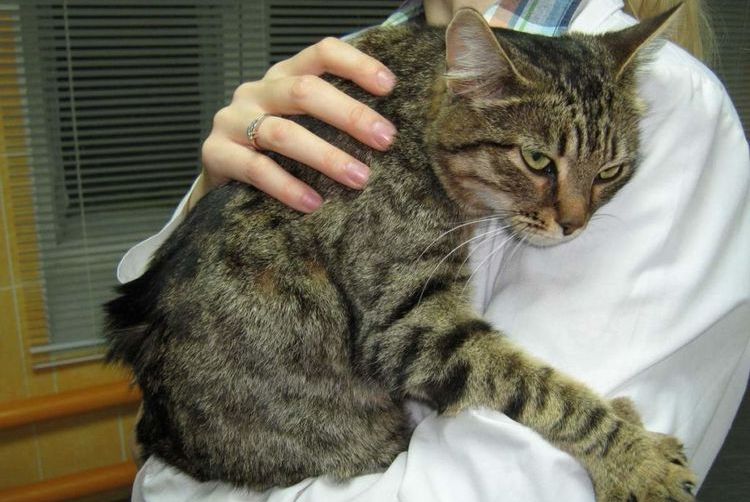
A seizure typically lasts 3-5 minutes. When it ends, the animal may behave normally, or it may appear agitated and somewhat disoriented, or, conversely, experience slight weakness, lethargy, and a desire to sleep.
Causes of seizures
The most common causes of recurring seizures are:
- epilepsy in a cat;
- brain tumors;
- diseases of infectious origin (rabies, leptospirosis, plague (panleukopenia);
- traumatic brain injury;
- hypoglycemia (low blood sugar in diabetic cats);
- hypokalemia (low blood potassium levels);
- hypocalcemia (developed against the background of kidney or endocrine system diseases);
- deficiency in the diet of trace elements or vitamins B and D that are responsible for the functioning of the nervous system;
- vascular diseases;
- intoxication of the body caused by pesticides (arsenic, rat poison, household chemicals), plant poisons or drugs (diuretics, antibiotics);
- heat stroke;
- prolonged hypothermia;
- Convulsions combined with muscle tremors often occur in the postoperative period, when the cat comes out of anesthesia.
- Convulsive body movements, decreased temperature and blood pressure, and a slower pulse are often observed in cats before death.
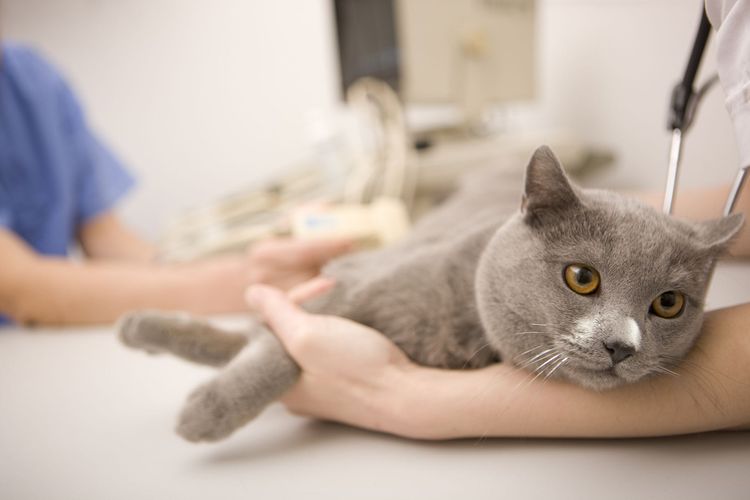
Occasional clonic spasms of a cat's hind legs during sleep can be triggered by poor posture or recent stress. However, if these seizures are persistent, it's best to take your cat to a vet: they may indicate problems with the cardiovascular system, kidneys, or thyroid, or indicate a deficiency in trace minerals.
Diagnostics
Since convulsive syndrome is not an independent disease, but rather one of the symptoms of some disorder in the functioning of organs and systems, muscle spasms can only be eliminated by treating the underlying disease.
When determining the cause of seizures in a cat, a thorough medical history is crucial. If you bring your pet to the veterinarian complaining of recurring muscle seizures, be prepared to fully answer a number of questions:
- when the first seizures were noticed;
- how often do they repeat;
- what kind of cramps are they: short-term or long-term;
- at what time do attacks most often occur: during sleep, after waking up, after eating or physical activity;
- what does the animal eat;
- Does the cat have any chronic somatic diseases?
- has she recently had an acute illness, and if so, what medications has she been taking;
- Has your pet had any head injuries in the past?
- If the cat's pedigree is known, does it indicate cases of idiopathic (congenital) epilepsy?
If a medical history and visual examination fail to establish a diagnosis, or if the diagnosis requires further clarification, the veterinarian will order a series of laboratory and imaging tests. These may include:
- A complete blood count (CBC) can detect any inflammatory processes that have developed in the body.
- A blood biochemistry test (will determine the serum potassium, calcium, and magnesium levels). A blood sugar test. This is necessary to rule out the presence of diabetes mellitus.
- Urinalysis and Nechiporenko urine analysis. These tests help identify liver and kidney diseases of infectious and non-infectious origin.
- Cerebrospinal fluid analysis. A lumbar puncture is performed if inflammation of the spinal meninges or a tumor in the brain is suspected.
- Electrocardiogram. Certain changes on the ECG are observed with hypokalemia.
- Chest X-ray and/or ultrasound examination of the abdominal organs: gallbladder, liver, kidneys, pancreas, spleen.
- Magnetic resonance imaging of the brain. Performed to detect tumors or morphological changes in brain tissue.
First aid
Since a cat often loses control of itself during a seizure, especially if it is a severe and prolonged tonic seizure, first aid consists of ensuring the safety of the sick animal and monitoring its condition.
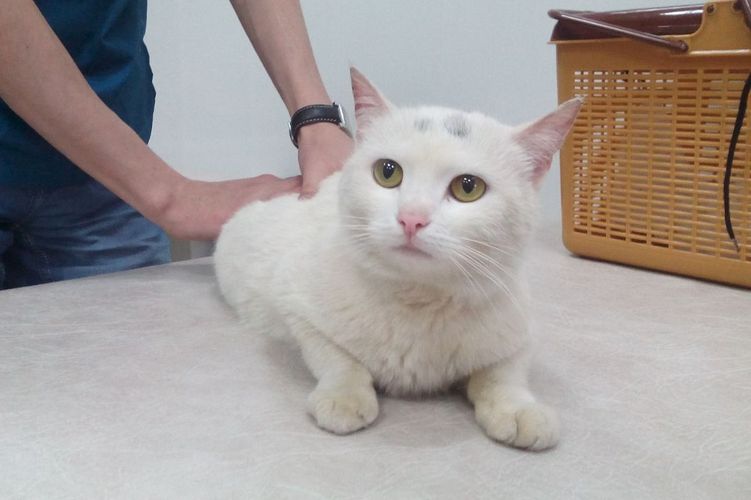
If your pet starts having seizures:
- Wrap it in a warm blanket and lay it on a flat surface. This will warm it and partially immobilize it.
- The cat's head should be in such a position that the saliva that is secreted can flow freely from the mouth.
- Remove all sharp objects from the area.
- Try giving your cat a few drops of valerian or valocordin from a pipette.
- You should not feed or water the animal during an attack, but you can and should leave a bowl of fresh water nearby.
- Do not leave your pet alone until the seizure is over and for some time afterward.
If this is your cat's first seizure and they feel fine afterwards, there's no need to rush to the hospital. Recurring seizures are a good reason to seek medical attention—they could indicate the development of a serious illness that's much easier to treat in its early stages.
Read also:
- My cat is breathing rapidly: why and what to do
- Cat Diseases: Symptoms Table
- Foaming at the mouth in cats: causes and treatment


Add a comment