
Scabs on a cat's neck and body: causes and treatment
Miliary dermatitis is a term used to describe the appearance of small, red, "millet-like" bumps and scabs on the skin of animals. These lesions are often palpable, and in severe, advanced cases, visible, on the neck and back, the hindquarters, and the tail. The causes of these lesions vary, and therefore, there is no universal treatment plan. It all depends on the initial stage of the disease.
General information
Conventionally, all factors that can contribute to the development of miliary dermatitis are divided into two main groups:
- Allergic reactions. These include reactions to flea and tick bites, pollen, house dust, food, medications, household chemicals, and other irritants.
- Non-allergic in origin. These are caused by various fungal and bacterial infections, such as staph, dermatophyte, candidiasis, etc. Autoimmune disorders and hormonal imbalances can also occur, especially during puberty or, conversely, in old age.
Important: absolutely all animals are at risk, regardless of breed, age, gender, or living conditions.
Clinical signs
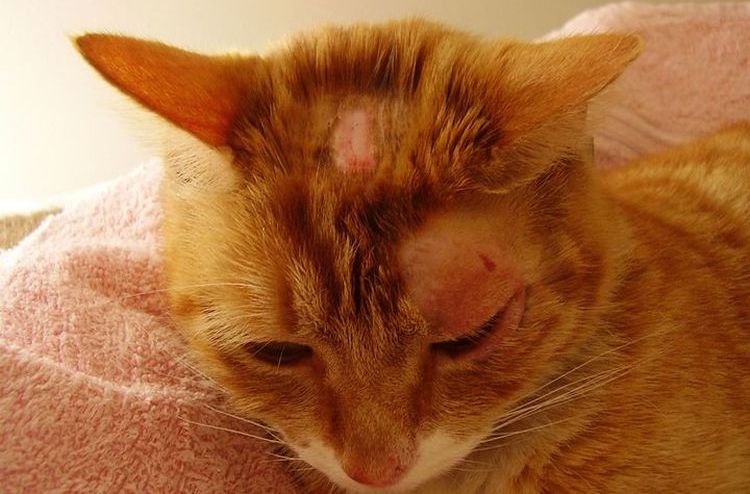
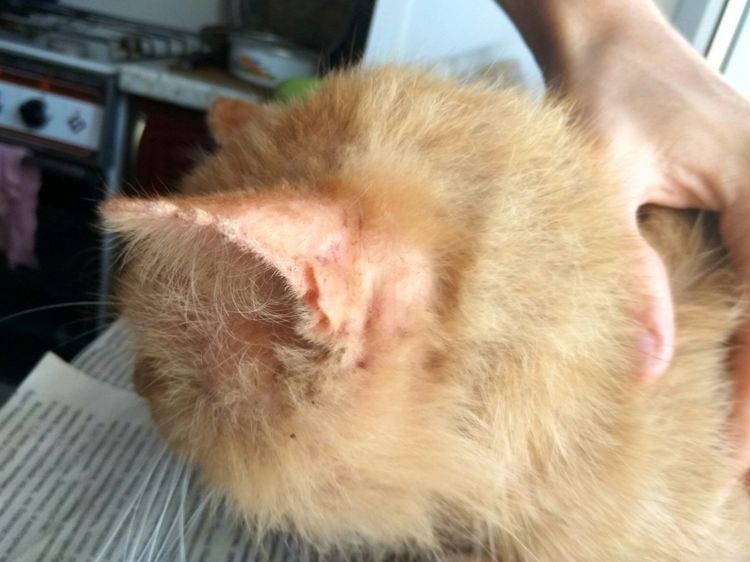
The first thing to notice is the appearance of multiple red blisters in specific areas of the cat's skin. Brown crusts form at the sites of the broken papules, which eventually turn into dry scales. Over time, these crusts peel off the skin and form scabs.
Lesions can range from minor to extensive. Chronic dermatitis often causes pigmented spots and hair loss. Secondary signs that indicate something is wrong with your pet include:
- twitching of the skin due to constant itching of varying intensity.
- Bald spots appear in problem areas due to the cat's frequent scratching, licking, and biting. Broken hairs may also be noticed in these areas.
- Changes in the animal's behavior. It becomes restless, aggressive, refuses to be petted, and avoids any other forms of affection from its owner.
- The presence of excess hair in feces and vomit is due to the cat intensively licking and biting the itchy skin.
Diagnostics
The veterinarian's job is to identify the underlying cause of the allergic reaction. It's crucial to provide complete information about the cat's living conditions, habits, diet, stress, and other factors that could directly or indirectly influence the current problem. After collecting a general medical history, the following diagnostic procedures may be performed:
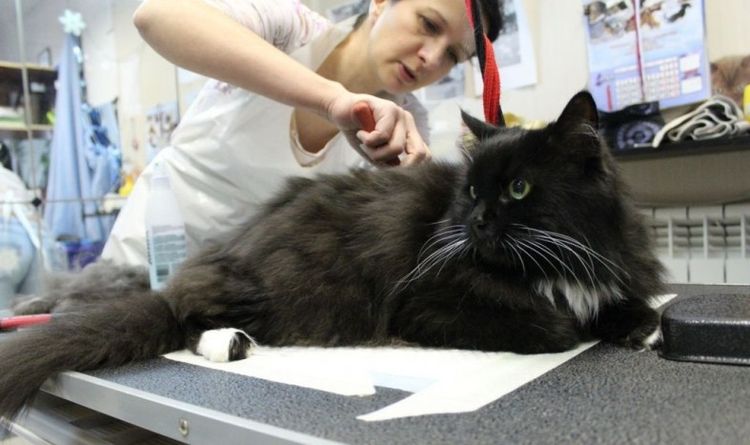
- A flea test is performed, as they often trigger the development of miliary dermatitis. Using a special comb, the vet thoroughly and carefully combs the animal's fur after placing it on a white sheet. In addition to the fleas themselves, flea excrement may be detected, which, when released into the water, turns it red.
- Skin parasites can also be checked by taking a scraping. This is done with a scalpel (with the blunt side), after which the skin sample is examined under a microscope. Alternatively, a special transparent strip can be applied to the affected area and then examined on a glass slide.
- To rule out or confirm a bacterial or fungal infection, a swab is taken from the affected area and analyzed in a laboratory. It takes an average of 10-14 days to obtain reliable information about the culture. During this time, the required number of culture samples is grown, which are used to identify the presence of a particular fungus.
- A stool test can help detect intestinal parasites.
- A complete blood count is taken to determine the level of basophils, eosinophils, and other indicators that indicate the presence of autoimmune disorders and hormonal imbalances.
- If you suspect food allergies A diet plan is developed that eliminates all possible allergens from daily consumption. Over the course of 2-3 months, foods that comprise the cat's basic diet are added back into the diet. This identifies the one or more ingredients that are causing the allergic reaction.
If all the above examinations and tests fail to determine the cause of the disease, additional tests may be prescribed, particularly to determine the animal's reaction to certain antibacterial, steroid, and other medications. A skin biopsy may also be necessary.
Treatment
Once the cause of the dermatitis is identified, appropriate treatment is prescribed. It's also important to consider information about the medications being taken if the cat is also being treated for other conditions.
- To get rid of fleas, ticks, and lice, preparations containing pyrethin are used. Sulfuric acid and Aversectin materialз, Advocate drops, Amit Forte. Affected areas of the coat are clipped. In addition to ointments and aerosols, various baths, lotions, and intramuscular injections may also be prescribed.
Important: one of the components of therapeutic treatment is measures to disinfect the animal’s living area.
- Ringworm is treated with products containing fungicides. As with skin parasites, special attention should be paid to disinfecting the area where the animal lives, and keeping other pets away from it.
- Food allergies are treated by eliminating potentially harmful foods from the daily diet. Antihistamines and cleansing agents for intestinal parasites are also recommended. These may include homeopathy and dietary supplements. Bathing with special shampoos is also recommended.
- If a fungal or bacterial infection is diagnosed, antibiotics are prescribed, and the dosage regimen must strictly follow the doctor's instructions. Benadryl helps relieve itching.
- In cases of autoimmune diseases, steroid medications similar to Prednisone are used. Treatment often consists of several stages, with the body initially receiving high doses of the drug and then gradually reducing the dose.
As a preventative measure, it's recommended to keep your cat's dishes and litter box clean, monitor the quality of their diet, and avoid "accidental" food. To reduce the risk of helminth infestations, avoid raw foods (meat, fish). And, of course, schedule regular checkups at a veterinary clinic.
Read also:
- Sores on a cat's body: causes and treatment
- Why does my cat shed so much hair in the summer?
- Scabs on the neck and head of cats


Add a comment