
Stop-Coccid for cats
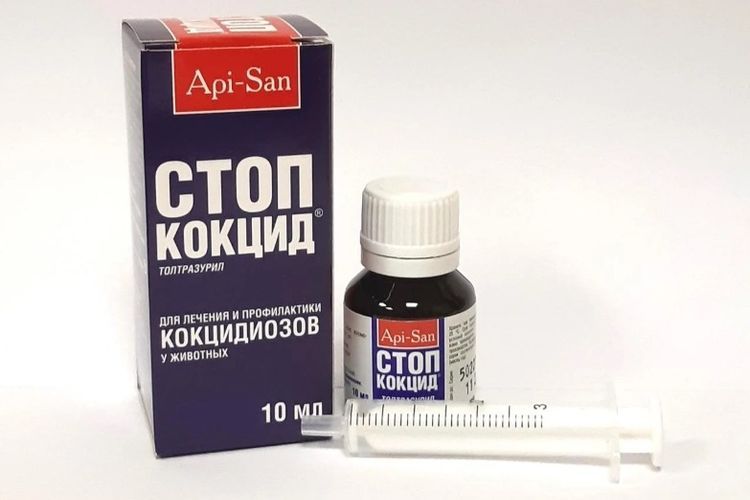
Stop-Coccid is a veterinary drug for the treatment and prevention of coccidiosis. It belongs to the triazinetrione group. This medication has proven effective against protozoa in clinical trials.
Content
Composition and release form
The active ingredient in Stop Koktsid is toltrazuril. Excipients include sodium benzoate, aspartame, lactose, distilled water, carboxymethylcellulose, and others. Apicenna produces the medication as a white suspension. The medication is packaged in polymer vials. During storage, suspended particles may precipitate, causing separation. Each ml of suspension contains 50 mg of toltrazuril.
Mechanism of action
After administration, the active substance is slowly absorbed in the digestive tract. It also destroys coccidia that colonize intestinal epithelial cells.
Toltrazuril has a broad spectrum of activity. It has the following effects:
- blocks enzymes responsible for the respiration of the parasite cell;
- replaces para-aminobenzoic acid, which is required by protozoa for the synthesis of folic acid;
- disrupts the processes of cell nucleus division. As a result, microgamete formation does not occur;
- damages the mitochondria of cells.
Thus, the active ingredient of the medication affects coccidia at all stages of intracellular development. The drug is eliminated from the body through the intestines and kidneys.
Instructions for use
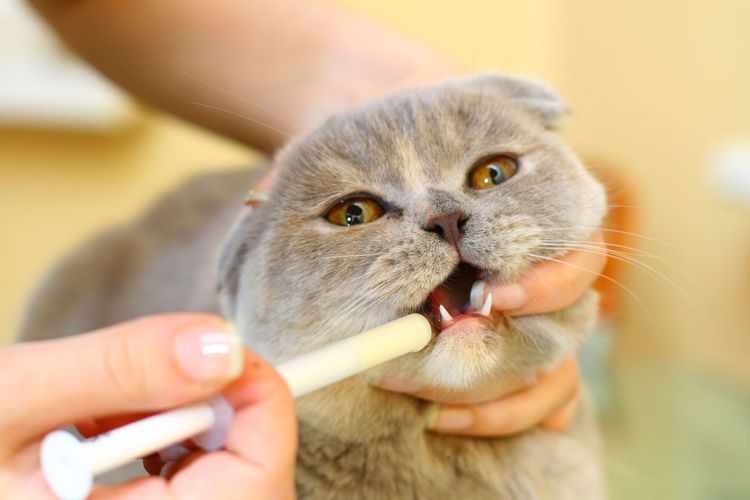
Before use, shake the bottle to remove any sediment. Afterward, the medication can be administered to your cat in two ways:
- add to a portion of food;
- give with a dosing syringe.
The dosage is calculated as follows: 0.2 ml per kg of body weight. The medication should be taken for three consecutive days, at the same time each day. Follow the dosage schedule to ensure maximum effectiveness.
Stop-Coccid is classified as a low-risk medication in terms of its effect on the body. When used at the recommended dosage, it does not cause complications or side effects. It should be noted that the medication does not interfere with the development of immunity. coccidiosis in cats that have recovered from the disease.
Interaction with other medications
Stop-Coccid is not used simultaneously with other anticoccidial agents, because there is no information about its interaction with drugs of other pharmacological groups.
Contraindications and side effects
Stop-Coccid is not used if there are contraindications. These include:
- individual intolerance to the components of the drug;
- severe kidney or liver dysfunction.
Side effects may occur when the recommended dosage is exceeded. In such cases, cats typically experience the following symptoms:
- vomit;
- reduction in the volume of liquid consumed;
- poor appetite or lack of appetite;
- gastrointestinal disorders.
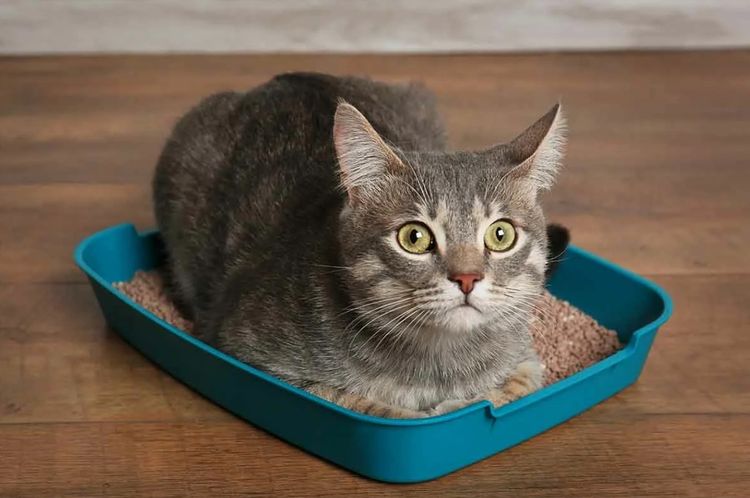
If any of the above symptoms appear, you should immediately contact your veterinarian.
Storage
Stop-Coccid can be stored for 36 months from the date of manufacture. Once opened, the contents can only be used within two months.
Storage conditions:
- temperature range—2-25 degrees;
- protection from direct ultraviolet rays.
Price
The cost of the drug varies depending on the volume:
- bottle 10 ml—250-290 rubles;
- 100 ml bottle - 650-690 rubles.
Safety and hygiene rules
When working with the drug, it is important to follow certain rules:
- avoid contact with the drug (wear gloves);
- rinse skin and mucous membranes with plenty of water if the medication comes into contact with them;
- Wash your hands thoroughly with soap after completing the procedure.
Owner reviews
Victoria Pronenko:
"My cat suddenly lost her appetite and started losing weight. I had to go to a veterinary clinic for a checkup. The tests revealed protozoa. The vet prescribed Stop-Coccid for three days. I purchased the medication and followed the specialist's instructions exactly. The medication can be added to food or administered via a dosing syringe. For me, the first option was more convenient. After the treatment, my cat's health really improved quickly, and her appetite returned."
Lyudmila Gavrilova:
"After a routine checkup at the veterinarian, my cat was diagnosed with protozoa. The vet recommended Stop-Coccid and treating him. This medication is intended for oral administration over three days. I administered it to my cat using the syringe supplied with the medication. After some time, the cat was re-examined, and coccidia were no longer detected."
Veterinarian Reviews
Sergey Shevelkov:
"In my veterinary practice, I frequently encounter cases of cats infected with protozoa. This can be accompanied by unpleasant symptoms: digestive upset, loss of appetite, weight loss. Dealing with this problem isn't all that difficult. I prescribe Stop-Coccid for both the treatment and prevention of coccidiosis. It has a broad spectrum of action and is truly effective against protozoa. The medication is well tolerated by animals, and side effects are extremely rare."
Mikhail Sinelshchikov:
"Coccidiosis is a common disease in cats because it's very easy to become infected with protozoa. I always recommend regular examinations to detect any problems early and begin treatment. One effective treatment for coccidiosis is Stop-Coccid. It's well-tolerated. It's slowly absorbed in the gastrointestinal tract and targets all stages of coccidia. The medication can be added to food or administered via a syringe."
Read also:


Add a comment