
Stomorjil for cats
Stomorgil is a combination antibiotic used to treat oral diseases caused by pathogenic microorganisms in cats. The drug, whose effectiveness is lauded by both veterinarians and owners, is produced by the French company Merial.
Content
General description
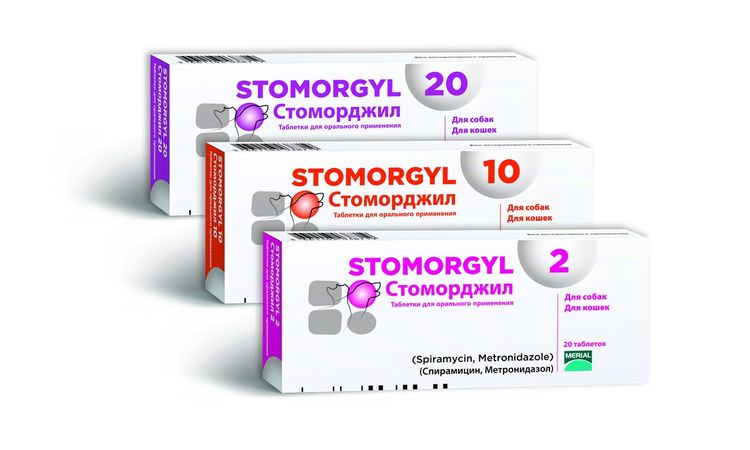
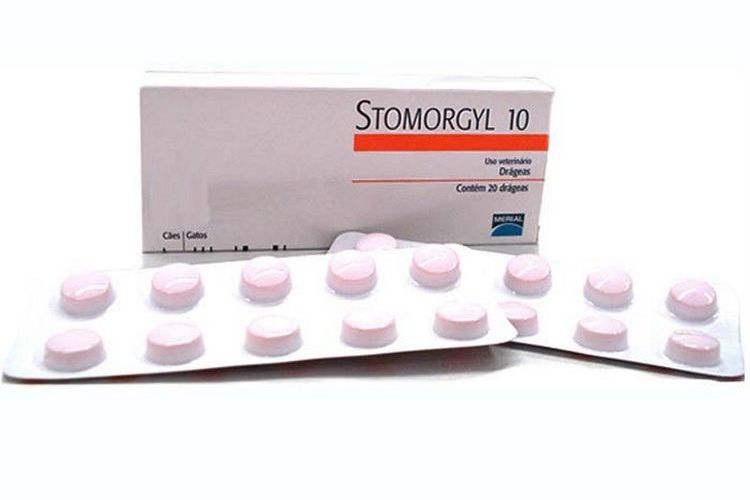
Stomorjyl is an antibacterial tablet. The small tablets are yellow. Each tablet has a score line that allows it to be divided into two equal parts. This is especially important for owners of small cats, as the antibiotic dose is calculated based on weight. The tablets are packaged in blisters.
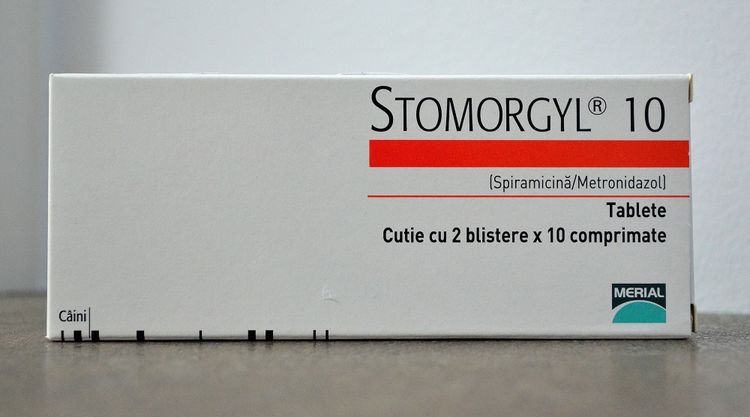
Depending on the concentration of the active ingredients, the drug is available in three versions: Stomorjyl 2, 10, and 20. The lower concentration is typically used for cats. This makes it easier to calculate the correct dosage and prevent overdosing, which can negatively impact the animal's well-being and overall health. Stomorjyl 10 is sometimes used for large cats and male cats.
Please note! Stomorgyl 20 is intended for large dogs and is not recommended for use in cats. It is not possible to accurately calculate the dosage.
No special storage conditions are required. The medication can be stored in a veterinary medicine cabinet or on the top shelf of a cabinet without fear of losing its pharmacological properties. The main thing is to keep it away from direct sunlight and at a temperature above 25 degrees Celsius, but not above 25 degrees Celsius.
Composition and properties
The action of the antibiotic is due to the combination of two active components:
- spiramycin;
- metronidazole.
Each of them has pronounced antibacterial properties. Spiramycin works by inhibiting bacterial cell synthesis. As a result, bacteria not only stop reproducing but also die completely. When taken orally, it is rapidly absorbed in the digestive system and spreads throughout the body via the bloodstream. Its key feature is that it penetrates not only tissues but also biological fluids. Peak concentrations of the active substance are reached within 4-6 hours, depending on the individual animal.
Metronidazole is unique in that it is effective against protozoa and fungi. Its action begins almost immediately after administration. Blood concentrations reach their maximum levels within just 60 minutes.
Thanks to the combination of two active components, the drug is effective against the following pathogenic microorganisms:
- staphylococci;
- mycoplasma;
- streptococci;
- clostridia;
- corynebacteria;
- Trichomonas;
- Giardia;
- actinomycetes, etc.
Please note! If the recommended dosage is strictly followed, Stomorgil is safe for cats. Its components do not accumulate in the body, so addiction is not possible. Furthermore, it is non-toxic and does not cause mutations.
When is it applied?
Since the medication's components are present not only in the blood but also in the saliva, Stomorgil is effectively used to treat oral diseases caused by pathogenic microorganisms:
- gingivitis;
- stomatitis;
- pyorrhea;
- inflammatory processes of the gums, etc.
The medication is often prescribed for pets with bad breath, if the cause is the proliferation of harmful bacteria. The drug is also frequently used to treat mycoplasmosis and infections caused by streptococci, staphylococci, and other bacteria that are typically sensitive to the antibiotic's active ingredients.
If necessary, the antibacterial agent is combined with symptomatic therapy. Gels, sprays, and other medications may also be used. Combining Stomorgil with other antibiotics from the macrolide group.
How to use and dosage
Antibacterial tablets should be taken daily. Stomorgyl 2 is commonly used for cats; one tablet is sufficient for every 2 kg of body weight. Animals weighing 5-6 kg can be given half a tablet of Stomorgyl 10. Larger pets, weighing close to 10 kg, can be given one tablet of Stomorgyl 10.
The medication must be taken for at least 5 days, even if symptoms have subsided or become barely noticeable. Otherwise, the bacteria will survive and develop immunity to the medication. Treating an untreated infection will be significantly more difficult. Antibacterial treatment can last up to 10 days, but the duration of the course should be determined only by a doctor. They will consider the severity of the disease, existing symptoms, overall health, and other factors.
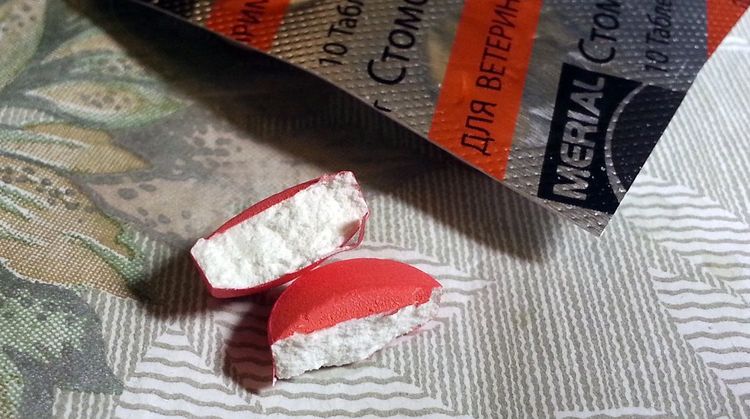
The tablets have a bitter taste, so they must be administered forcefully, placed on the back of the tongue. Tablets can only be split along the score line; crushing is not recommended. Due to the bitter taste, administering crushed medication may cause foaming at the mouth, vomiting, and other unpleasant symptoms. Cats do not tolerate the bitter taste. For this reason, do not try to mix the medication with food or dilute it in water.
Please note! It is important to strictly adhere to the recommended dosage and administration schedule. Missing doses will negatively impact the effectiveness and therapeutic effect of the medication.
Existing restrictions
According to the instructions for use, Stomorjyl should not be given to cats if they are allergic to any of the ingredients. The following symptoms may occur:
- allergies in the form of skin reactions (itching, rash, redness);
- vomiting or severe diarrhea;
- increased salivation.
If the above symptoms are observed, further use of the medication is discontinued. The animal is given an antiallergic agent and prescribed medications to relieve the symptoms.
Pregnancy and lactation are not listed as contraindications in the instructions. If you plan to use the antibiotic on a pregnant or nursing cat, be sure to consult a veterinarian, as the active ingredients will also affect the kittens. If you have heart or kidney problems, the antibiotic should only be used under veterinary supervision.
In case of overdose the following symptoms may appear:
- vomiting, upset stomach and other digestive system disorders;
- depression and apathy;
- increased production of saliva.
If the drug dose is exceeded, the animal is given enterosorbents to speed up the elimination of the active components from the body.
Please note! If you have hypersensitivity or are prone to allergies, it is advisable to avoid direct contact with the product. Wear medical gloves to prevent adverse reactions.
Price
When purchasing Stomorgyl for cats, please note that the price depends on the concentration of the active ingredients. A pack of 20 Stomorgyl 2 tablets costs 850-950 rubles, while the same amount of Stomorgyl 10 tablets costs 1150-1250 rubles, depending on the region and pharmacy. The medication is sold in almost all veterinary pharmacies, so purchasing it is usually straightforward.
Analogues of the drug Stomorgil
Important! There are no complete analogues of Stomorgil for cats and dogs, as the drug's unique combination spiramycin (macrolide antibiotic) and metronidazole (having antiprotozoal and antimicrobial action).
If imported Stomorgil is unavailable, the best option is to purchase spiramycin (or its analogs) and metronidazole separately. Naturally, the treatment schedule and dosage in this case should be determined by a veterinarian, as the key to successful therapy is administering an adequate dose of each component. As a reminder, Stomorgil tablets may contain varying amounts of active ingredients:
|
Dosage |
WITHpyramycin |
Metronidazole |
|
Stomorgyl-2 (1 tablet = 120 mg) |
150,000 ME |
25 mg |
|
Stomorgyl-10 (1 tablet = 600 mg) |
750,000 ME |
125 mg |
|
Stomorgyl-20 (1 tablet = 1200 mg) |
1,500,000 ME |
250 mg |
Important! The daily dose per 1 kg of animal is 75,000 IU of spiramycin and 12.5 mg of metronidazole!
Metronidazole The tablet or gel form is readily available in both veterinary and human pharmacies in Russia. Its price ranges from 15 to 135 rubles depending on the dosage form, while the veterinary version costs around 700 rubles, as it comes in a polymer jar containing 250-1000 tablets (1 tablet = 125 mg).
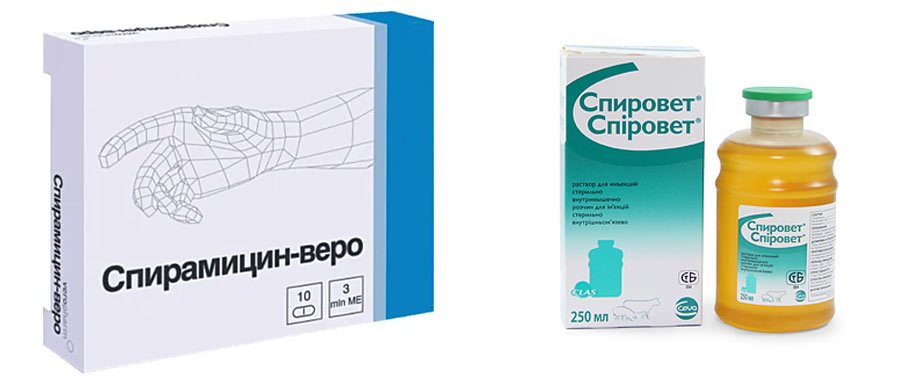
 For those who can't find Stomorjyl in the cat dosage and are looking for a more affordable tablet version (approximately 1,100-1,900 rubles), it might come as a surprise to learn that Spiramycin is also available in human pharmacies. A pack of Spiramycin-Vero (10 human tablets), containing 3,000,000 IU per tablet, costs only 300 rubles. However, dividing the tablets can be extremely challenging, as the daily dose for a 3 kg cat should not exceed 450,000 IU, which is approximately one-seventh of a tablet.
There is also a drug called Spirovet for injections available for sale, but it must be prescribed by a veterinarian.
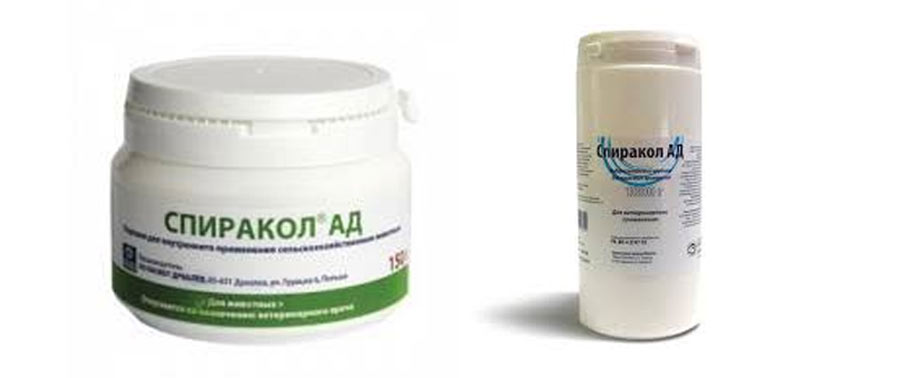
Spiracol (powder) is available at veterinary pharmacies; 1 gram contains 130,000 IU of Spiramycin. To accurately calculate the dosage, you will need a scale capable of weighing in increments of 1 gram. A 1,000-gram jar costs approximately 500 rubles.
Owner reviews
Yana, the owner of a Maine Coon:
"When my cat developed gum problems, the vet prescribed Stomargil. He raved about it, but it didn't work for us. Half an hour after taking it, he'd start meowing loudly, drooling constantly. During these moments, he'd be restless, constantly lying down, getting up, and then lying down again. We took the pills for two days, and then they asked us to change the treatment, so it's difficult to judge its effectiveness."
Olga, owner of a 3-year-old cat:
"I once noticed my cat shaking his head and meowing while eating. When this happened again, we went to the hospital. During the examination, the doctor noticed severe gum inflammation and prescribed Stomorgyl. We gave him half a tablet every day after meals for five days. The results were positive. By the third day, the cat was eating food without any problems and with a greater appetite. There were no side effects."
Veterinarian Reviews
Nikita, a veterinarian with 6 years of experience:
"Stomorgyl is an effective but potent medication. I wouldn't recommend using it without a doctor's prescription. Side effects, such as allergic reactions, sometimes occur. Many cats experience increased salivation due to the bitter taste. I consider the high price to be the main drawback."
Valentina, a veterinarian with 14 years of experience:
"The best solution for oral diseases in cats and dogs. In 95% of cases, the medication helps quickly cure gum or tooth inflammation. The downside of this antibiotic is that it's not always available in veterinary pharmacies in our small town. I sometimes recommend owners order it online. In my experience, the medication hasn't caused any serious side effects. Sometimes there's foaming at the mouth due to the bitter taste."
Read also:


8 comments
Oksana
Good afternoon
I have a Chihuahua. We stopped the itching. I was prescribed Stomorgyl 2, but it's not available anywhere. What can I use as a substitute?
Daria is a veterinarian
Hello!
Stomorgil is an original drug and has no analogues.
If you do not have any medications on hand, we recommend that you contact your doctor to adjust your treatment.
Denis
Hello, my cat is 13 years old and I noticed that she has an unpleasant smell from her mouth, plus she is trying to get something out of her mouth, I took her to the vet, they removed a tooth and cleaned the tartar with ultrasound, the doctor gave me an antibiotic in a syringe and told me to do it myself because the cat after cleaning did not allow anyone and was aggressive and prescribed drips 2 times a day ", toothy", I did everything, gave her an injection and dripped for a week, but the condition did not improve, I took her to our local vet, having heard the answer that there was only one antibiotic, he was very surprised and prescribed stomardzhyl 10 and paste gel to smear 2 times a day for 10 days, and half a tablet of stomardzhyl (the cat weighs 3.4 kg.) 10 days, 6 days have already passed, the cat is still trying to get something out, I did not see any changes, there is an appetite, but she eats 2 times less, she goes to the toilet 1 time for a little and 1 I need to take a bowel movement every 2-3 days. Could you tell me why I haven't seen any improvement? Maybe I need to stick with the treatment for 10 days or something?
Daria is a veterinarian
Hello! Perhaps the tartar wasn't removed completely? Has gingivitis been ruled out? Has the inflammation from the diseased tooth spread to the lower jaw bone? Has the bad breath disappeared? Is there any redness or other discoloration of the gums? Is there swelling or pain? Perhaps the tooth wasn't completely removed, leaving a root that's causing the inflammation? Have they prescribed any pain medications? Feed soft food or soaked dry food. It may be painful to eat, which is why he's not eating much.
Alexey
It's hard to even get half a pill into a cat's mouth♂️Because it's huge...(((
Elena
I divide the halves into two halves and coat each with bread crumbs, then dip them in the sauce from their favorite food. I apply it to the back of the tongue. This way, the bitterness doesn't get in at all, and the cat swallows easily.
Anonymous
Our cat has a very difficult personality and doesn't give in to treatment. Knowing this, we give her all the pills in capsules. I shake out the previous medication, wipe the inside of the capsule, shorten it a bit, and hide the pill inside. Then we pour it into her mouth with water, and she swallows it without tasting it. She doesn't vomit.
Elena
You can wrap it in bread, soak it in liquid food, and feed it that way. My fussy one gobbles it up. Then I add a little water from a syringe to wash it down—the vet recommended it.
Add a comment