
Should I get a dog?
Getting a dog is a great idea for anyone willing to take on the responsibility of caring for a living creature. But when making the serious decision of whether to get a dog, it's important to weigh the pros and cons. What should you consider when deciding to get a four-legged friend, and how can you make life together more comfortable?
Content
- 1 Are you ready to become a master?
- 1.1 Puppy and work
- 1.2 Financial costs of keeping a dog
- 1.3 Impact on lifestyle and freedom of movement
- 1.4 Restrictions for allergy and sensitivity sufferers
- 1.5 Psychological readiness and responsibility
- 1.6 Suitable breeds for different living conditions
- 1.7 Impact on social life and relationships
- 1.8 Potential behavioral problems and their solutions
- 1.9 Legislative and legal aspects
- 1.10 Dog and pregnancy
- 1.11 A puppy for a child
- 2 What to expect
- 3 Second pet in the house
Are you ready to become a master?
A sudden impulse to bring a dog into the home can have a profound impact on both the owner and the pet. Regardless of when you think it's best to get a dog, be prepared for the fact that a puppy is like a child!
Puppy and work
In today's fast-paced world, dogs simply don't fit the pace of working people. For a pet's well-being, it needs to be provided with adequate social interaction with both people and other four-legged companions. For this reason, if you decide to get a dog while working, it's worth heeding the advice of experts who insist that, to avoid animal suffering, you shouldn't leave it alone for more than 4-5 hours a day.
Whether you work or are often away from home, you'll still need to spend a significant amount of time walking your dog regularly. Puppies, who haven't yet learned to maintain a consistent pace, need frequent walks, especially. During the first few months, to train them, you'll need to take them for walks every half hour, regardless of the weather.
And even in the future, working people should be prepared for the fact that a dog isn't a child who "will go to school and have a little freedom." Dogs live up to 15 years. And throughout this period, they'll have to faithfully fulfill the duties of a responsible dog owner, day in and day out.
Financial costs of keeping a dog
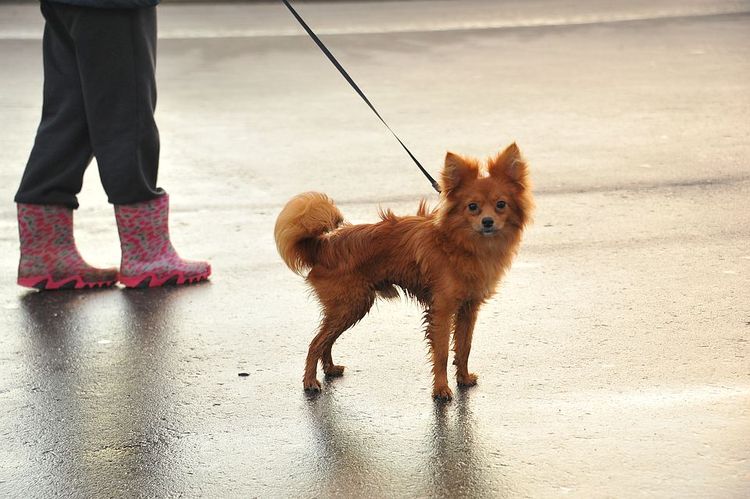
Getting a dog requires a significant financial investment. This includes high-quality food, regular veterinary visits, vaccinations, deworming, and accessories such as leashes, collars, toys, and bedding. Additional expenses may arise if training or showing is necessary. It's important to budget in advance and be prepared for ongoing expenses throughout your pet's life.
Impact on lifestyle and freedom of movement
A dog requires constant attention and care. Regular walks, especially morning and evening, become a mandatory part of the daily routine. Planning vacations and trips is also complicated, as it is necessary to plan for the pet's care during absences. Spontaneous trips or work delays can stress the dog and require additional care arrangements.
Restrictions for allergy and sensitivity sufferers
People with allergies to animal hair may experience discomfort when owning a dog. Even minimally shedding breeds can cause allergic reactions. Before getting a dog, it's recommended to undergo allergy testing and consult a doctor. It's also important to consider that owning a dog can affect the health of young children or elderly family members with weakened immune systems.
Psychological readiness and responsibility
A dog is not only a joy but also a great responsibility. It requires attention, love, and care. Owners must be prepared for potential challenges, such as illnesses, behavioral problems, or the need for behavioral modification. It's also important to remember that a dog lives an average of 10-15 years, and during this time, it will be completely dependent on you.
Suitable breeds for different living conditions
The choice of breed should be tailored to the owner's living conditions and lifestyle. For a city apartment, low-activity, small-sized breeds such as a French bulldog or pug are suitable. For a private home with a yard, consider more active breeds such as a Labrador or Border Collie. Breed characteristics such as barking, exercise requirements, and grooming habits should also be considered.
Impact on social life and relationships
Having a dog can impact an owner's social life. On the one hand, walking a dog allows them to meet other owners and expand their social circle. On the other hand, the need to care for a pet can limit participation in events or spontaneous get-togethers. It's also important to consider the opinions of all family members when deciding to get a dog to avoid conflicts and misunderstandings.
Potential behavioral problems and their solutions
Some dogs may exhibit undesirable behaviors, such as aggression, fear, destruction of property, or excessive barking. These problems may be due to a lack of socialization, improper training, or stress. Resolving such issues requires time, patience, and possibly the assistance of a professional dog trainer. It's important to be prepared for potential challenges and have a plan to overcome them.
Legislative and legal aspects
Dog owners are required to comply with certain rules and laws. This includes registering their pets, following walking regulations, using a leash and muzzle in public places, and cleaning up after their dog. Violating these rules can result in fines and other legal consequences. It's also worth keeping in mind that some breeds may be banned or restricted in certain regions.
Dog and pregnancy
Some women decide to get a dog during pregnancy. However, experienced dog owners recommend holding off until at least the baby is one year old.
The main argument is the need to devote a lot of attention to a young animal. When you're busy with a newborn, it's difficult to find time for another dependent creature. As a result, the dog will suffer, feeling less than fully loved.
Moreover, even with regular walks and house training, puppies will defecate in the apartment for the first six months. This is unacceptable from a hygiene standpoint in a home with a small child.

And be prepared for the fact that a puppy, due to its stupidity, but not malicious intent, may cause mischief: chewing on objects, throwing things around. Will a young mother have the strength and time to clean up after a misbehaving "child"? Add to this the potential for health problems, and caring for a dog can become an overwhelming burden.
Many, unable to cope with the difficult challenges of changing life circumstances, begin to consider finding a new home for their friend. But is it worth it?
A puppy for a child
Often the request to get a dog sounds from the mouth of a childAnd the most common reason for this desire is to have a "live" toy. This is especially true for preschool-aged children. Thinking of them as toys, they try to dress them up, feed them, and force them to participate in role-playing games. Under such conditions, even the most patient dog will eventually become aggressive toward their young caregivers.
The bitter experiences of families who, without realizing the full responsibility, still decided to get a dog for their child are disheartening. Having satisfied their desire, the children lose interest in the new family member after just a couple of months. They become irritated by the dog's stealing toys, barking loudly, and distracting them from their exciting games on the video game console.
Getting a dog is only worth it if your child has a genuine interest in animals. If you see the makings of a dog lover in your child, it's worth supporting them. However, to ensure your child maintains their interest over time, it's important to involve them in care: feeding and cleaning bowls, bathing, playing together, and taking frequent walks. Read about Top 10 dog breeds for kids on our website.
Of course, shifting the bulk of responsibilities onto the child's shoulders isn't possible. All responsibility will ultimately fall on the parents. But joint efforts will make the process of care and upbringing easier, turning daily fussing into a fun pastime.
What to expect
In conclusion, I'd like to highlight a few key points. When deciding whether to get a dog in an apartment, it's important to remember that you'll be welcoming a living creature into your home that will require a lot of attention and energy. Mentally prepare yourself for the following:
- For the first few months, you won't get enough sleep.
- You will have to constantly supervise yourself: do not leave treats unattended, remove fragile objects, and lock the gate.
- You will have to regularly clean up after the puppy to see traces of his presence and minor pranks.
Overall, big changes are coming in your life, but if you can handle these challenges, the result in the form of a loyal friend will be worth your efforts.
Alternatives to getting a dog
If you're unsure about getting a dog, there are alternative ways to interact with animals. You can volunteer at a shelter, temporarily foster a dog, or simply spend time with friends' and acquaintances' pets. This will allow you to assess your options and determine whether you're ready for the responsibility of owning a dog.
Second pet in the house
Happy dog owners often decide to expand their furry family with another furry companion. But when deciding whether to get a second dog, the main stumbling block is the fear of ruining the relationship with the first.
For a family pet, bringing a "rival" into the home is a real stress. This can manifest itself through depression or, conversely, aggression and even health problems. The dog may silently tolerate the presence of another dog and even "give the go-ahead" to share its resources, such as its bedding or bowl, but it will secretly suffer and resent the new addition.
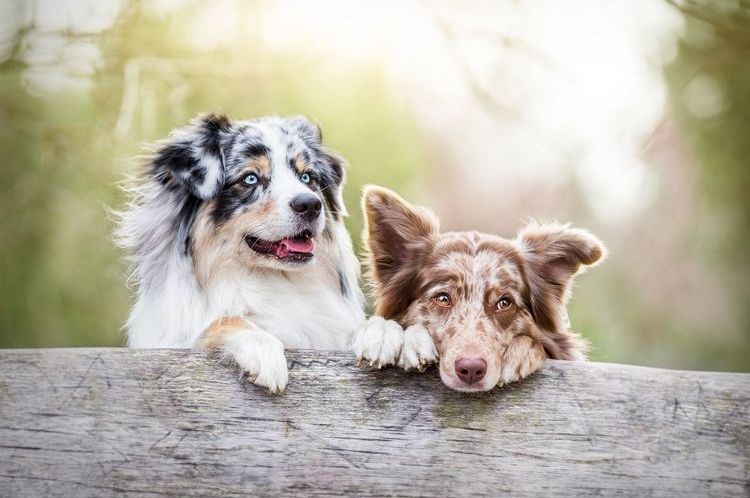
To minimize the level of tension, follow these guidelines:
- It's preferable to introduce a younger dog to the first one, as it will automatically respect the older one. To facilitate integration, consider the compatibility of the newcomer's personality with the older dog when choosing one.
- The first dog may greet the newcomer with a growl. The newcomer should respond with calming signals. It's best not to interfere at this stage. This is a natural communication process that will eventually lead to friendship between the animals.
- For better integration, provide the animals with a "comfort zone": avoid placing their resting areas too close together. Observe your first dog: is its mood, appetite, or sleep deteriorating? If the animal stops grooming itself and no longer shows interest in playing, it's suffering.
And most importantly, don't change the first pet's life with the arrival of a second. To bring the "competitors" together, continue to maintain family traditions, involving both dogs in them.
Losing a Pet: Should You Get a New One?
Dogs' lives are shorter than those of humans. The stress of losing a four-legged friend can sometimes be greater than that of losing a family member. Grieving the death of a family pet, people often make one of two radical decisions: getting a second dog or giving up pets altogether.
Each person decides for themselves what the right course of action is. But those who have experienced this advise taking it slow when deciding to make a new friend. The initial pain of loss must pass.
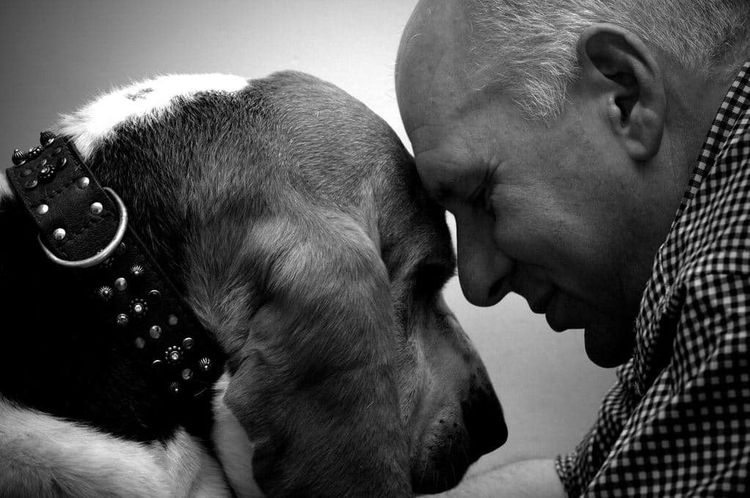
The most common mistake when getting a dog after the death of another is comparing it to the first one: its habits, habits, and personality. All of this can be detrimental to the puppy. The result: the owner suffers, and the animal suffers, acutely feeling the lack of love and attention.
Don't expect a new dog to replace the old one. It will be different. It will have its own personality. But it will certainly reciprocate its owner's efforts with love and devotion.
Read also:
- How long do dogs of different breeds live?
- How to get documents for a dog
- How to convince your parents to buy you a dog


1 comment
Vita
A dog in the house is not a toy, especially guard dogs. It's a big responsibility, and consider carefully whether you can handle such a friend. If you're not familiar with canine behavior, it's better to get a companion dog, even a mongrel. They are very sweet, kind, and responsive to care.
Add a comment