
Dry Nose in Cats: Why and What to Do
A cat's wet nose indicates that they are healthy and feeling well. However, when it suddenly becomes dry, many owners worry unnecessarily. In fact, this doesn't necessarily mean the cat is sick.
If you notice your cat's nose is dry, don't worry too much. This can happen not only if they're sick, but also after vigorous play or if they've just woken up. It can even happen simply because they were in a warm place, such as near a radiator. Sometimes a cat's nose can also be dry due to a sedentary lifestyle. It's perfectly normal for a cat's nose to alternate between wet and dry several times a day.
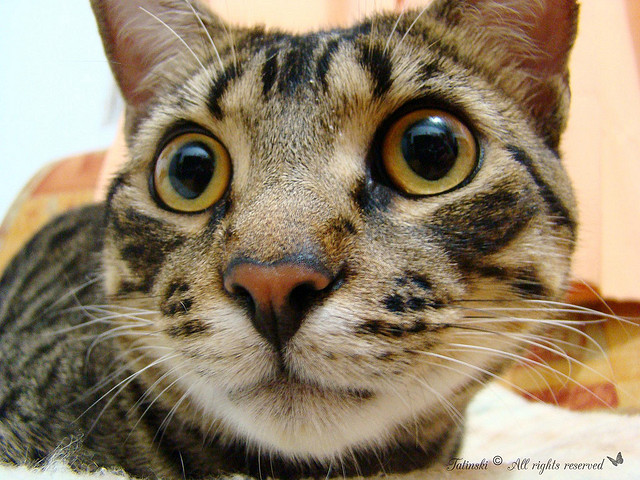
So, contrary to popular belief, a cat's dry nose, as veterinarians explain, can be caused by a number of reasons that shouldn't cause concern:
- after waking up from sleep (in sleep, the pet does not lick itself, does not moisten its nose, do not worry: after waking up, the first thing it will do is correct the situation);
- after prolonged exposure to the sun or near an artificial heat source;
- due to dry air and heat in the apartment;
- as a result of hypothermia (the nose is cold and dry);
- due to excessive activity or, conversely, lethargic behavior;
- in case of dehydration (often explains why a kitten has a dry and warm nose);
- after exposure to stress factors or sudden fright.
Most of these causes are temporary and household-related. The owner can address some of them, for example, by monitoring the room's humidity levels, regularly performing wet cleaning, and using special humidifiers. The owner should also ensure the animal has constant access to clean drinking water. The rest will resolve on its own within a short time.
Content
How to distinguish a healthy dry nose from an alarming one
Comparison of normal and pathological states. Let's present this in a convenient form:
| Situation | Dry nose ✔ | Additional features | Action |
|---|---|---|---|
| After sleep | briefly | without elements of disease | no need to worry |
| After games, heat, stress | temporarily | no fever, appetite is normal | comfort is created, we are monitoring |
| In an elderly or sedentary cat | constantly | The cat is active, eats, but its nose is always dry | control of conditions, air humidification |
| For a cold, dry nose | the nose is dry and cool | pallor, lethargy, loss of appetite | See a veterinarian immediately |
| A cat with a hot, dry nose | the nose is dry and warm | fever, lethargy, lack of interest in food | Taking your temperature, consulting a doctor |
You should consult a veterinarian for an accurate diagnosis if your cat has a dry nose and this phenomenon is accompanied by other symptoms (one or more):
- sleeping too long;
- lack of appetite;
- lethargy;
- vomiting, diarrhea;
- hot ears;
- discharge from the eyes, ears;
- profuse salivation;
- rapid breathing;
- coughing and/or sneezing;
- convulsions.
I think everyone understands that, no matter what, there's still a chance your cat might be sick, so it's worth keeping a close eye on her. Check her nose often, and if you notice it's staying dry for too long, or if your cat suddenly becomes lethargic or loses her appetite, there's cause for concern. First, you need to... measure a cat's temperature, this must be done at home, as upon arrival at the veterinary clinic, the cat may become nervous, and this may cause the temperature to rise. If the cat elevated temperature, this can also be understood by the ears, which will also become hot to the touch.
Dangerous diseases that can manifest as a dry nose
Respiratory diseases and herpes:
-
Rhinotracheitis (herpesvirus) – accompanied by a fever up to 40°C, conjunctivitis, and purulent discharge from the nose and eyes. Often requires treatment with drops and antiviral medications (for example, L-lysine)..
-
Bacterial infections - purulent rhinitis, cough, pneumonia contribute to dry nose.
-
Dehydration - When vomiting/diarrhea or refusing water, the nose becomes dry and may be hot
Helping your pet
Every loving owner wonders if their cat has a dry nose. How can they help? When their pet's health worsens, help is indeed possible and necessary.
If you notice your cat's nose is cold and dry, despite any external stimulation, and they're coughing or sneezing, you should take their temperature rectally. A high temperature could indicate the onset of a cold, which could also be confirmed by hot ears, while a low temperature could indicate shock or poisoning. In the case of a very high temperature, your pet will need your help, which will require:
- provide your pet with unlimited access to a drinking bowl with cool water, which will need to be changed periodically for fresh water;
- wet the animal's fur with a wet towel;
- Apply an ice pack (briefly) under your neck and on your inner thighs.
If your cat's temperature rises above 38.5 degrees Celsius, don't administer any fever-reducing medications on your own. It's best to consult a veterinarian immediately. They will make an accurate diagnosis and prescribe appropriate treatment.
Sometimes, a cat's body temperature can rise due to overheating, such as sunstroke. This can cause the cat to become lethargic, with a rapid heartbeat and shallow breathing. In this condition, the pet should be immediately placed in the shade, its nose, ears, and paws should be thoroughly and frequently wetted with cold water, and access to cool, fresh air should be ensured.
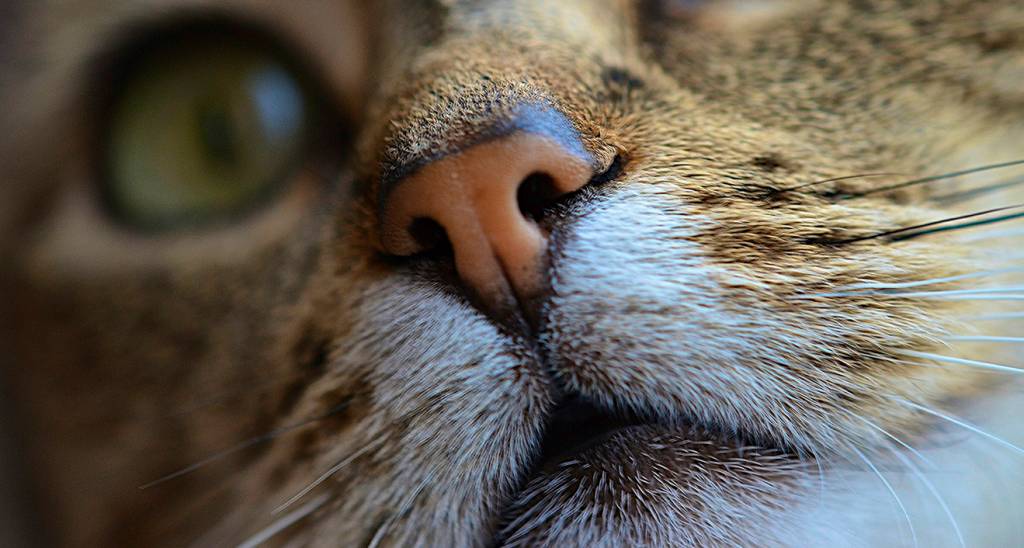
How to Diagnose the Cause of Dry Nose
Diagnostic steps:
-
Measure the temperature rectally (normal is 38–39 °C, in kittens and brachycephalics - up to 39.5 °C).
-
Check the symptoms: conjunctivitis, discharge, vomiting, diarrhea.
-
If necessary, take tests: general blood test (leukocytosis/anemia), biochemistry, taking swabs from the eyes/nose for viruses/bacteria (for rhinotracheitis).
-
Diagnosis of cardiovascular problems (examination, ultrasound of the heart, ECG) with a cold, dry nose.
-
In case of fever and discharge, treatment as prescribed: antibiotics, drops, moisturizing the mucous membranes, drinking plenty of fluids.
Dry nose as a sign of illness
A bad sign would be the appearance of purulent or mucous discharge from the nasal passages and/or eyes, along with a dry nose, which can develop into dried crusts. These may be symptoms of acute viral infections in cats. A veterinarian may diagnose:
- rhinotracheitis;
- panleukopenia (feline "plague");
- calicivirus disease.
Unlike humans, cats don't catch colds without a reason, and treating them is more difficult. Any nasal discharge warrants an immediate visit to the veterinarian, especially if it's thick, opaque, or foamy.
When you don't know what to do if your cat has a dry nose and you're worried that your pet has any of the above.
If you suddenly notice sores or cracks on your cat's nose, you should immediately take her to the vet.
However, it is not only the dry nose of a cat that is cause for concern; if it is too cold, this is also not good and may indicate hypothermia, shock, or even poisoning.
However, you can't be 100% sure that if any of these signs are present, your cat is definitely sick, poisoned, or something else. Nasal temperature isn't the most reliable indicator, and it's best to assess your pet's well-being based on their behavior, check their temperature, and, if necessary, take them to a veterinary clinic.
What should the owner do?
A clear algorithm of actions for a dry nose:
-
Observation 1–2 hours If the cat is active, eating, and its nose changes moisture, there is no reason to panic.
-
If there are any warning signs (lethargy, refusal to eat, hot ears, dry nose for a long time):
-
Measure temperature;
-
Provide coolness, water, light food;
-
If you have a dry nose and cold extremities, wrap up and go to the doctor immediately.
-
-
*For a runny nose - rinse with saline solution, instill drops according to the prescription.
-
Do not give human medications - it may be toxic (paracetamol, aspirin).
-
Provide additional air humidity - a humidifier, a bowl of water nearby.
-
Prevention: vaccination against rhinotracheitis, avoiding drafts, regular examinations.
Frequently Asked Questions (FAQ)
Is it normal for a cat to have a dry nose while sleeping?
"Yes, that's completely normal. While sleeping, the metabolism slows down, and the cat doesn't lick its nose, so it may become dry and warm. After waking, everything usually returns to normal."
If a cat's nose is dry and hot, is this a sign of illness?
— Not always. A short-term increase in nasal temperature can be associated with hot weather, stress, or vigorous play. However, if the dryness is accompanied by other symptoms—lethargy, refusal to eat, coughing, sneezing—it's worth consulting a veterinarian.
My cat has a constantly dry nose. Is this dangerous?
"If the cat feels well, eats, plays, and is active, there's no need to worry. However, if the dryness persists for more than 24 hours and other abnormalities appear, chronic illnesses or dehydration should be ruled out."
What to do if a cat has a dry nose and sneezes?
This combination could indicate the onset of a respiratory illness or allergy. Observe your pet for 1-2 days. If symptoms worsen, take your cat to a specialist.
Is it possible to moisturize a cat's nose yourself?
— Don't use creams or oils without a veterinarian's recommendation. The nose is a sensitive area, and the wrong product can cause irritation. If you suspect dryness due to humidity, it's best to simply use a humidifier in the room.
My cat has a dry nose and constantly licks it - is this an alarming symptom?
Frequent nose licking can be a reaction to irritation, an allergy, or the presence of a foreign body. If this continues for a long time and the nose remains dry or cracked, it's advisable to take the cat to the veterinarian.
Is a kitten's dry nose a warning sign?
Kittens' noses may be dry more often than adult cats, especially after sleeping or in a warm room. The main thing is to monitor the kitten's general condition: activity, appetite, and bowel movements. If any abnormalities occur, it's advisable to consult a veterinarian.
Can a dry nose be a sign of dehydration in a cat?
"Yes, that's one possible sign. To check for dehydration, you can gently pull the skin on the withers. If it slowly returns, it's time to take your cat to the vet immediately."
Why does my cat have a dry nose in the morning?
After a night's sleep, a cat's nose may be dry simply because it hasn't licked. This is considered normal. Typically, moisture returns within 10-15 minutes of waking.
My cat's nose is dry and cracked. What should I do?
Cracks can be a sign of dermatitis, allergies, fungal infections, or vitamin deficiencies. Avoid self-medication—only a veterinarian can determine the exact cause and prescribe safe treatment.
Should I measure my cat's nasal temperature?
"No, nasal temperature is an unreliable diagnostic indicator. A special thermometer inserted rectally is used to determine a cat's body temperature."
How does heating or air conditioning affect a cat's nose?
Dry air is a common cause of nasal congestion in indoor cats, especially in the winter when radiators are on. A humidifier is the best solution, especially if you have cats indoors.
Read also:
- Why does my cat have a wet nose?
- Why don't cats like water?
- Why is my dog breathing rapidly and what should I do?
Read also:


Add a comment