
Sterilization of a cat
Spaying a cat is done not only to prevent an increase in the number of strays (due to the birth of offspring), but also to maintain the cat's health. This procedure is best performed at a veterinary clinic rather than at home.
When it comes to the cost of cat spaying, many factors are taken into account. Prices vary by region and city, as well as by clinic. They also depend on the medications and materials used, the surgeon's qualifications, and the clinic's status and popularity. Some doctors make house calls.
Content
Cat sterilization: pros and cons
Almost any surgical procedure has its pros and cons. Cat spaying is no exception.
Benefits of spaying cats:
What are the benefits of spaying your cat? If you're unsure whether to undergo this procedure, you should weigh the pros and cons.
No unwanted offspring
Probably the most important thing is that the cat will not bring unwanted litter into the house, which will have to be disposed of later. The surgery can significantly reduce the number of unfortunate homeless animals. And spaying is essential for meowing domesticated creatures unless you plan to breed kittens for sale.
Just think about it: one cat gives birth to a litter of, on average, 4-5 kittens. And this happens several times a year. Her kittens grow up and reproduce as well. It's a geometric progression. Cats don't have a desire to be mothers. No, they do have a maternal instinct. But that's only for the babies they've born.
Reproduction is simply instinct. And if a cat is spayed, she won't be the least bit "sad" about not being a mother.
Therefore, do not be tormented by pangs of conscience that the cat will suffer after sterilization, that she will not be able to become pregnant or give birth.
It's much better for your health.
A cat, whether pregnant or not, experiences hormonal imbalances with age. And the older the pet, the higher the risk of developing some kind of illness. Unfortunately, this often includes cancer. Spaying your cat can reduce the risk of developing cancer or other conditions.
After sterilization, a cat becomes much calmer and more domesticated.
She no longer craves the outdoors or the cats. She doesn't scream wildly, arch her back, or crawl like a worm across the floor. She doesn't attack people. She appears quite peaceful. But if your pet has a naturally difficult personality, even spaying won't make her a saint. The situation will improve, but the cat won't be cured of her aggression. Often, she spends more time sleeping than being active. Therefore, it's crucial to balance your cat's diet to prevent obesity.
Animals live longer after sterilization
Furthermore, the number of years you'll spend with your cat increases after the surgery. Cats live about two years longer after spaying. Infectious and oncological diseases of the mammary glands and reproductive system are less common.
Disadvantages of sterilizing cats:
What are the disadvantages of sterilizing a cat?
Operation
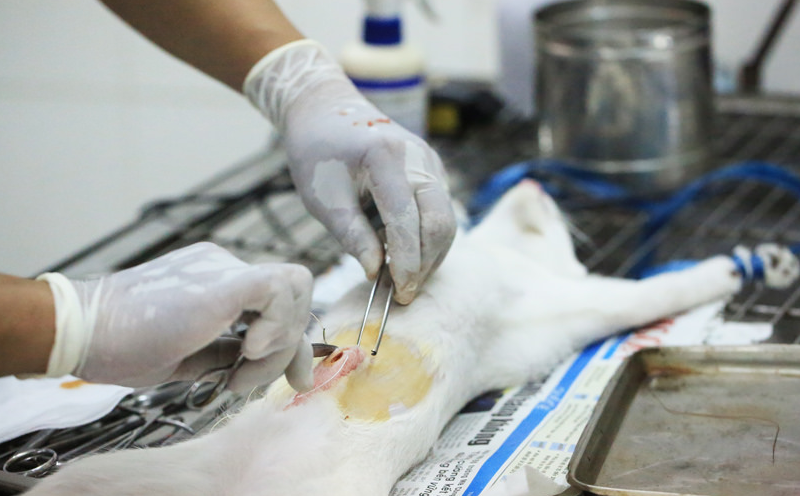
Like any surgical procedure, sterilization is dangerous. The potential consequences are unknown. Complications can arise during surgery or after the procedure. For this reason, it's best to take your cat to a clinic rather than have a doctor make a house call.
After all, the operating room contains a cabinet with medications that can help save the animal if something goes wrong. There's also a risk associated with the need for anesthesia. Not all animals tolerate it equally well. Your pet may have an allergic reaction. Therefore, try to choose reputable clinics with experienced surgeons who can provide the necessary emergency care for your cat in a timely manner.
Postoperative complications
Less common are postoperative complications: swelling (which goes away quickly), bleeding, and inflammation of the wound edges.
When to spay a cat
Spaying a female cat, depending on age, should be done after 7 months (before her first heat cycle). However, much also depends on the pet's weight and health. Don't rush to the clinic as soon as your cat has celebrated her 7th month. Remember that thin and emaciated animals, or those with serious health issues (infection, worms, or inflammation), can react extremely negatively to anesthesia, even to the point of death.
Your pet is completely healthy, the veterinarian has confirmed there are no contraindications for the surgery and is asking you to schedule the procedure. It seems like cat spaying is a no-brainer, but knowing the best time to have it done is crucial.
First of all, two weeks before the big day, you should deworm your pet prophylactically. Parasites drain a huge amount of energy from an animal, leaving it extremely weakened. The surgery requires general anesthesia. Then there's the recovery period. The immune system should be focused on fighting the infection, while the rest of the body is busy expelling the parasites.
Hence the complications in the form of seriousinflammation, fever, worsening general condition, and the need for antibiotics (intramuscularly, not in tablets or suspensions). Even if you think your cat is clean, perform preventative treatment. Incidentally, this should be done every 3-4 months for the duration of your pet's life.
It's important to choose a day that allows you to stay with your cat after the surgery or have someone watch it for you. A cat should not be left alone after spaying. She needs care.
Caring for a cat after surgery
Is caring for a cat after surgery difficult? What should I do?
Animal blanket
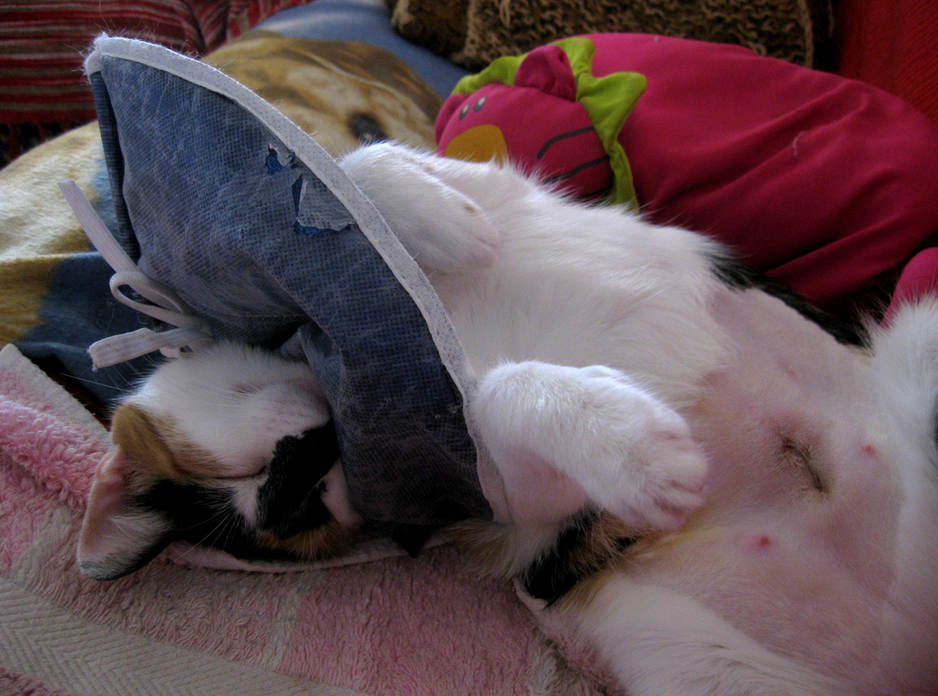
Be sure to purchase blanket on the belly, or make one yourself from an old sheet (or buy fabric, but be sure to iron it like a baby diaper), cutting holes for the paws and making ties on the back. This is to prevent the stitches that remain after the cat's sterilization from being chewed or licked by the animal. Remember yourself. When the wound begins to heal, it itches. You know you shouldn't scratch, but the animal doesn't know that. And so that it doesn'tlickedseams (saliva contains a huge number of pathogenic microorganisms), tie this blanket, thereby covering the seams.
Postoperative care
Post-sterilization care for cats isn't all that difficult. For the first few hours, you should avoid allowing your cat to be at heights. Don't place it on a sofa or armchair. When your cat will recover from anesthesia, she'll fall and get injured, maybe even broken. So, make sure to place her bed on the floor, in a draft-free area.
Seam processing
A veterinarian will explain the care needed for spayed pets, including how and what to use to treat incisions in cats. They will also explain in detail what to look for. Avoid giving your pet water immediately after awakening. Wait until it regains its strength and confidence. Avoid feeding heavy or fatty foods.
Removing the suture
Cats' sutures are often removed seven to ten days after their spaying. However, sometimes the sutures dissolve completely, leaving no trace of hair. However, it's still a good idea to visit your veterinarian for a checkup. If your cat develops a fever or the incision becomes red and bleeding (or may even leak a clear fluid), rush to the vet.
Regarding the humaneness of sterilizing cats, look at the statistics.
.png)
Any questions? You can ask our website's staff veterinarian in the comments below, who will answer them as quickly as possible.
Read also:
- Laparoscopic sterilization of cats
- An alternative to sterilization of cats
- DIY cat bandage after sterilization


4 comments
Kate
Hello! Could you please tell me if my cat started shaking 24 hours after spaying? What could this mean and what should I do?
Thank you for your reply!
Dasha is a veterinarian
Hello! How is the animal's general condition? Was its temperature taken? What is it like? What are the stitches? Is there any significant swelling or signs of inflammation? Is there any suspicious fluid leaking from the stitches, perhaps pus? Did the animal receive antibiotics after the surgery? What care was prescribed? How is the cat breathing?
Oleg
After sterilization, the cat will become sleepy, lethargic, and will stop catching mice and rats. Dietary restrictions are necessary, and there's a risk of developing urolithiasis. If kept on injections, the cat will lead a normal life. Am I right? Thank you for your reply.
Dasha is a veterinarian
Hello! Are you talking about hormonal injections to suppress heat? If so, let me tell you this. After hormonal injections/pills/drops to suppress heat, the animal's hormonal balance is disrupted. As a result, there is a high risk of polycystic ovary syndrome (one uterine horn and ovary looks like a kilogram-sized grapevine covered in cysts, and the other one is the same, resulting in affected reproductive organs almost as large as the cat itself), mammary tumors, and uterine growths. The time the cat can live with you is greatly reduced.
Yes, after spaying, cats sleep more and tend to gain 1-2 kg (compared to their pre-surgery weight). Urolithiasis develops due to unbalanced and improper feeding (even in unspayed cats!) and metabolic disorders. As for mice, it's a 50/50 chance (half the animals continue to hunt rodents), and many unspayed cats won't chase mice; they'll simply ignore them.
So, it's up to you to decide: take your pet for surgery (thereby prolonging life, minimizing the risk of tumors, and protecting the animal 100% from unwanted pregnancies) or inject hormones (causing the appearance of cysts and tumors, worsening hormonal levels, and a host of other ailments).
Add a comment