
Senior Cats: Care and Maintenance. Diseases of Senior Cats
No one lives forever. Pets are no exception. Everyone has their own lifespan. And old age creeps up on them just as imperceptibly. First, gray hairs appear on the coat, then joints begin to irritate, and then the ailments of an old cat begin to make their presence felt.
An older cat requires care. Preventative veterinary visits become more frequent, and the pet undergoes more thorough examinations.
Content
Some historical facts
Cats live an average of 15-18 years. Some are lucky enough to live up to 20. Can you imagine, the most the oldest cat in the world She was born back in 1972! She outlived her owner, who died in 1999. The cat "moved" to live with her deceased owner's godson. And they're still together. Just think how old this cat is now in human years! The oldest cat in the world is approximately 180 years old!
How a cat changes with age
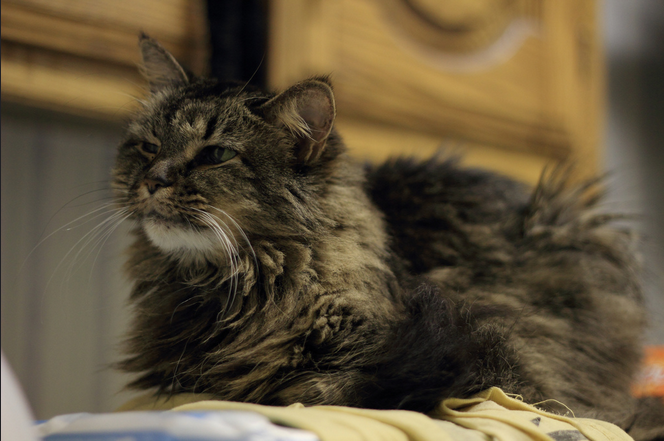
The first changes to occur are external: their fur turns gray, becomes tangled, and shedding increases. Teeth may become loose or even fall out. Their temperament worsens, and their food preferences change. Just like with humans. Older cats sleep more and are less inclined to run around the apartment and cause mischief.
Then, internal changes begin. Metabolism is disrupted (it slows down significantly). This is where diseases characteristic of older cats begin to develop. Kidney stones are most often caused by poor metabolism. Diabetes mellitus is also common, and in cats (and dogs, for that matter) it also develops due to dysfunction of the beta islet cells of the pancreas.
Sense organs
Old cats lose their sight, hearing, and sense of smell. They have virtually no protective instincts left, so it's crucial not to leave your pet alone for long periods. Try to cat-proof your apartment to prevent your cat from accidentally harming itself.
Joints and the functioning of internal organs
Arthritis plagues older cats. Their paws ache, and the joint area swells and hardens. It's difficult for pets to move and bend their limbs. Arthritis is often caused by an infection that flares up due to a weakened immune system. The weakened immune system is also a consequence of old age.
The functioning of the internal organs is disrupted. The heart begins to malfunction, the rhythm becomes irregular, and swelling appears by evening. A cardiac cough may even develop, which often bothers the cat at night. This is easily explained by the fact that the cardiac system is very tired during the day, hence the "night symptoms."
Digestive system
The digestive system also doesn't function fully. Digestion is significantly slower because enzyme levels are reduced. The aging liver doesn't produce the required amount of bile, so feeding fatty foods is not recommended. Gallstones can also form in the gallbladder, which is very painful. Furthermore, a stone can become lodged in a duct, leading to bile overflow. Without prompt veterinary attention, death is possible.
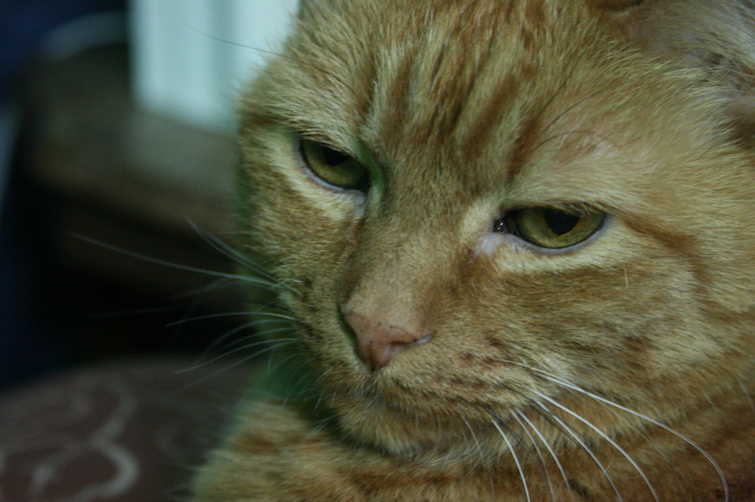
Constipation may occur. It's crucial to formulate a proper diet for your senior cat. Provide plenty of fluids to prevent constipation.
Urogenital system
The genitourinary system is also subject to aging and wear and tear. In addition to urolithiasis, organ atrophy and dystrophy can occur. Malignant tumors can develop in the reproductive system, especially if the cat has not been spayed. She may develop tumors of the mammary glands, uterus, and ovaries. In intact males, prostate cancer is common. As you can see, age-related changes in cats are not much different from those in humans. And these animals require a fair amount of care.
An older cat may be unable to retain urine or bowel movements. Don't scold her for this. It's not her fault. It's all down to weakened sphincters. Old age. There are special diapers, pads, and plastic sheets available. You may need to provide several litter boxes to give your cat enough time to reach the area.
How to care for an older cat
Nutrition
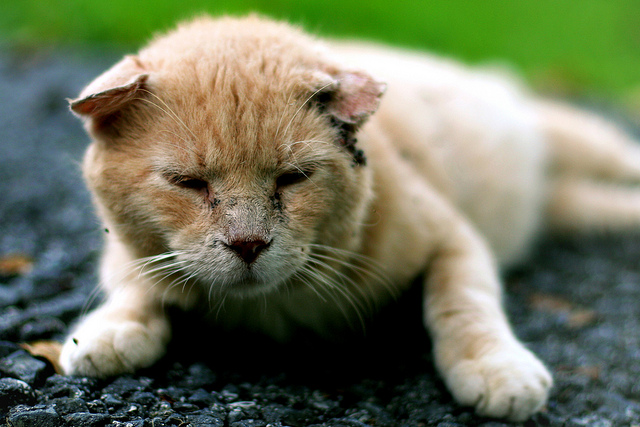
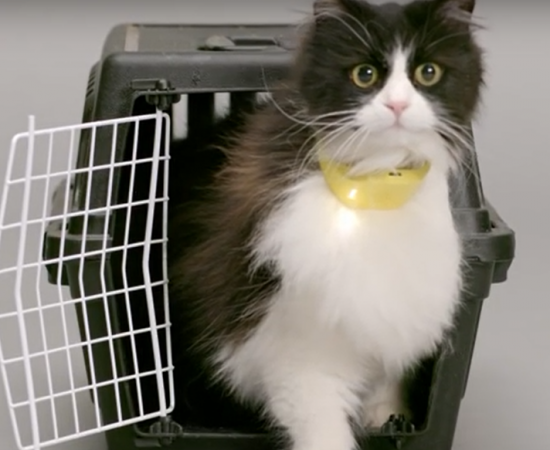
Senior cats (photo above) require special care. They need special food. Dry food for senior cats should contain more nutrients. Ideally, buy super-premium and holistic food, as they contain all the necessary nutrients. It should also be formulated for senior cats.
An older cat may not eat due to lethargy, weakness, or internal organ problems. However, high-quality food is naturally high in calories, so only a small amount is needed to satisfy a hungry cat. This is a lifesaver for cats who eat little, as it provides them with the energy they need to stay alive.
The diet should include healthy but light foods that won't burden the digestive tract. Don't force-feed your cat. The most important thing is to make sure your cat drinks water. If your senior cat is dying, she won't be able to eat. Don't force her.
Senior cats need soft food. Dry food is difficult for them to chew and break down. Their teeth are already loose, and a few may have even fallen out, and they're probably worn down.
Grooming and nail care
Be sure to brush your cat's fur with a special brush. Trim their claws. Older cats' claws grow even faster. Don't forget about vitamins. Older pets need them.
Don't forget about preventative deworming and vaccinations. Even if your cat is older, that doesn't mean they can't harbor worms or become infected. A weakened immune system makes your "veterinarian" more susceptible to infections.
Comfortable conditions
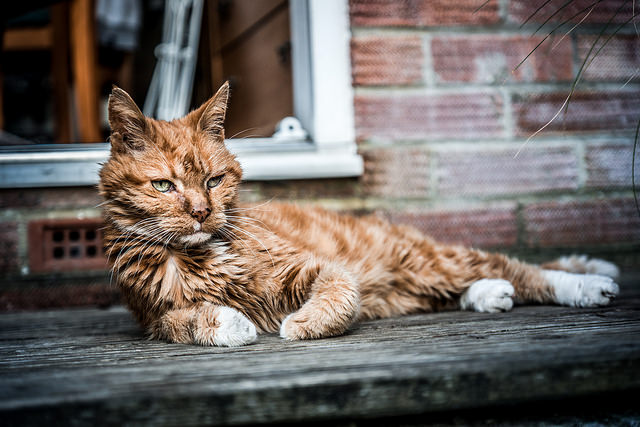
Provide your pet with a comfortable nook where they can sleep peacefully and undisturbed. There should be no drafts, to prevent illness. If your cat has spent its entire life jumping on sofas and windowsills, try to create a safe way for it to descend. For example, provide an extra stool or a cushion so that an older cat can descend in several steps rather than in one jump. Otherwise, this could lead to injury. Bones and joints are already weakened and fragile.
New pet in the house
It's best not to get a new kitten while your beloved "old lady" is still alive. This is incredibly stressful for her. She'll likely think you've already found a replacement. She'll become jealous and seek revenge on both you and the kitten. It's not uncommon for an older cat to die just after a new arrival arrives, out of resentment and jealousy.
Try not to let the old lady outside. Her reflexes aren't what they used to be. She could get hit by a car. And stray cats, sensing a "weakling," will pounce. She might not survive a fight. And if the weather is bad, she's at risk of catching a cold. Still, let your old lady live out her days at home.
Read also:


Add a comment