
Staph in dogs: symptoms and treatment
Staphylococcus aureus is always present in dogs, but most often the bacteria remain dormant and are considered part of the animal's normal dermatological flora. If the dog's immune system fails or staphylococcus enters a favorable environment, it begins to thrive, causing harm. Depending on the affected area, the disease has its own symptoms and requires specific treatment.

Content
Causes of staph infection
Summer is considered "staph season," when walks and contact with other animals increase in frequency and duration. Even if owners carefully monitor their pet's health, they can't guarantee that their dog won't pick up active bacteria from their four-legged companion while out walking.
The insidiousness of staph lies in the fact that the disease can be either primary or secondary, developing against the background of other illnesses, which significantly complicates diagnosis. The main causes of staph reactivation are:
- Diabetes mellitus.
- High carbohydrate content in the body.
- Avitaminosis, especially a lack of vitamins A, B, E.
- A disease of the internal organs, most often the liver and kidneys.
- Seasonal allergic reactions of the body.
- Weakened immunity.
- Poisoning.
- Flea and tick infestation, especially Demodex.
- Dermatitis of various pathogenesis.
Not all dogs are susceptible to this disease. Surprisingly, mongrels have the strongest immune system, capable of resisting infection. Puppies, older animals, and dogs recovering from illness are at risk.
Types of bacteria that infect the animal's body
Cocci are divided into two types:
- Epidermal bacteria. These organisms do not metabolize glucose and do not produce coagulase. Staphylococcus epidermidis is most often localized on the skin, but if left untreated, it can penetrate the dog's body, causing diseases of vital organs.
- Staphylococcus aureus (S. aureus) is a type of bacteria that ferments glucose. Cocci of this strain are active not only on the skin but also parasitize internal organs and the circulatory system. Staphylococcus aureus is the most difficult to treat in dogs, as even specialists initially fail to make a proper diagnosis.
Routes of infection
Staphylococcus aureus is a factor-dependent disease. Bacteria can remain on an animal's skin for a long time without causing any symptoms, and only a combination of two factors triggers the disease: the activity of the infectious agent (bacteria) and a weakened immune system. The skin serves as a barrier to the cocci's entry into the body, but damage to the dermis doesn't always allow infection. Animals have antibodies capable of resisting bacteria, and when the body's immune system is weakened, these antibodies drop sharply.
With epidermal staph, bacteria begin to actively multiply at the site of tissue damage, causing inflammation. The body, in turn, triggers the production of neutrophils, which not only fight the pathogen but also seal damaged blood vessels and secrete fibrin, a strong material that creates a protective barrier that prevents further progression of the disease. Gradually, an abscess forms at this site. If the immune system does not fail, the infection will stop there.
Infection with the golden strain is much simpler, but the disease is more difficult to detect. Dogs may drink water contaminated with the bacteria or pick up something from the ground outside. Otherwise, the infection progression is similar to the epidermal form.
Symptoms of staph in dogs
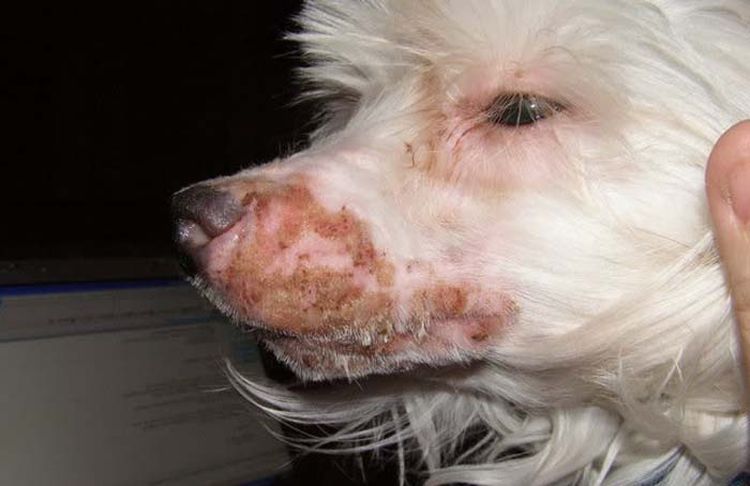
The sooner the owner notices the progression of the disease, the faster they can treat their pet. It most often begins with the paws, as these are the extremities most susceptible to injury during walks. Particular attention should also be paid to the ears and neck. The initial stage of staph in dogs is accompanied by severe itching, which is why owners often overlook changes in their pet's behavior, attributing them to allergies or a flea infestation.
After some time, swelling and redness develop in the area where the bacteria are growing, which is most easily diagnosed in animals with short hair. The spots are usually round in shape and are often confused with deprivedHair loss may occur at the affected area. To test for a coccal infection, simply press on the spot, which will cause pain in the dog. Over time, an abscess will form at the site of the redness.
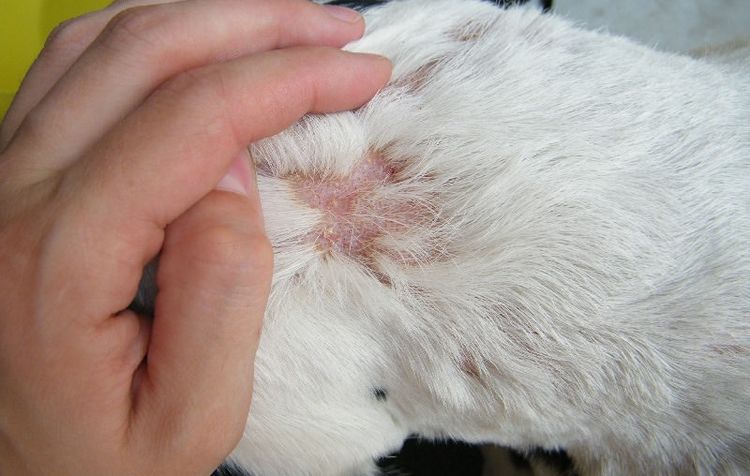
The danger lies in the fact that the hair follicles become involved in the pathological process and the following diseases develop:
- Folliculitis, which manifests as the formation of red, purulent nodules. It most often develops on the head, groin, and paws;
- Furunculosis is a lesion of the hair follicles with pathology of the skin glands. It develops in areas with thin skin;
- Carbuncles are deep lesions of the dermis that extend into the subcutaneous tissue. At this stage, dogs experience severe pain and often develop a fever.
These signs are characteristic of Staphylococcus epidermidis. If an animal is infected with Staphylococcus aureus, in addition to localized skin reactions, symptoms of general intoxication may be observed. In young dogs, all the symptoms of poisoning appear in the initial stage, making diagnosis difficult. As the infection progresses, the clinical picture becomes clearer. Depending on where the pathogen has entered, specific symptoms will appear.
- Inflammatory skin syndrome, when the dermis reacts to the slightest irritant.
- Urogenital disease. The animal becomes restless, its body temperature rises, urination becomes more frequent, and females develop vaginal discharge. In advanced cases, kidney function is impaired, leading to an imbalance in water, electrolyte, and nitrogen metabolism.
- Inflammation of the mammary glandsThis disease affects nursing bitches. The main symptoms are engorged nipples and general restlessness. The dog will not allow the puppies to approach her, and pus may be found in the expressed milk.
- Ear disease. The first symptoms include the dog shaking its head, as if trying to shake something out of its ears. As the disease progresses, discharge from the ears will appear.
- Digestive upset. Most often seen in puppies, as their intestinal flora is still developing.
- Heart diseases, most often inflammation of the endocardium.
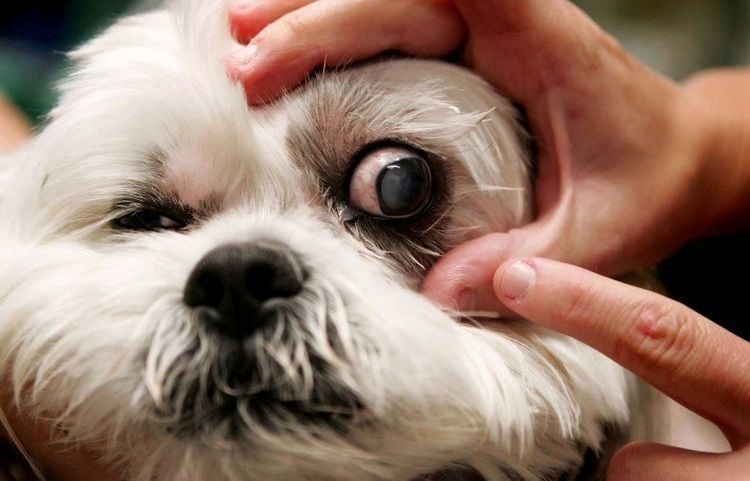
- Eye diseases: blepharitis or corneal damage. This symptom is easiest to notice, as the animal will have profuse discharge containing pus. If not treated promptly, the animal may lose its sight.
Diagnostic methods
Diagnosing based solely on visual signs is very difficult. At the first suspicion of staph, it is necessary to consult a veterinarian. The doctor will perform a bacterial culture to identify the causative agent and a skin biopsy. Allergy testing is mandatory. Often, testing is required to rule out immune diseases. The choice of treatment depends on the correct identification of the causative agent, as different cocci exhibit different responses to antibiotics.
Treatment of staph in dogs
Treatment success depends on the stage of the disease. The first medication prescribed is an antihistamine to relieve itching. For the epidermal form, treatment with chlorophyllipt is most often prescribed, while the wounds are washed with dimethyl sulfoxide or novocaine compresses.
When immunity is weakened, immunostimulants are prescribed. These stimulate the growth of phagocytes and T cells, thereby enhancing the animal's defenses. APS, a polyvalent staphylococcal anatoxin, has been developed specifically for dogs. It is used for active immunostimulation. For passive treatment, hyperimmune serum is used.
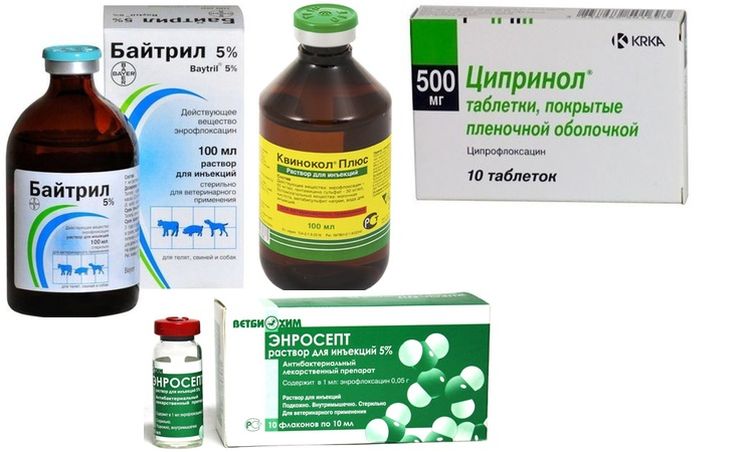
Treatment of staph infection involves antibiotic therapy. The standard regimen is 21 days of medication. In advanced cases, medications are prescribed for up to 1.5 months. Most often, three classes of antibiotics must be used simultaneously. The following medications are effective: Baytril, Quinocol, Enrosept, Ciprinol.
The fourth stage of treatment is the administration of a staphylococcal bacteriophage. This is also a virus, but unlike the pathogen, it kills the cocci rather than disrupting their function.
Staphylococcus aureus is a disease that requires a visit to the veterinarian, because even by comparing the symptoms in dogs, it is impossible to choose the right treatment at home and save the animal.
Read also:
- Lyme disease in dogs: symptoms and treatment
- Adenovirus and adenovirus infection in dogs: symptoms and treatment
- Signs of rabies after a dog bite in a person


Add a comment