
Staffordshire Bull Terrier
The Staffordshire Bull Terrier was bred to be a courageous and strong fighter, but later underwent changes aimed at making the dog an excellent companion and loyal friend. It is one of the few breeds whose standard specifies exceptional loyalty to children. In Sweden, Staffies actively participated in agility.
Country of origin: United Kingdom.
Content
History of origin
The breed's history begins in Staffordshire, England, and one of its most significant figures was the Duke of Hamilton. In 1770, he became interested in fighting dogs and decided to create a new breed. He began working with his Old English Bulldogs, which were lighter and faster than their counterparts. In 1835, Parliament banned dog baiting, and it was decided to begin crossbreeding bulldogs and terriers so that the new dogs could be used for hunting and ratting. The resulting specimens were simply called "bull and terrier."
By the mid-19th century, these dogs, already widespread in England, were divided into two lines. The first line, called the Bull Terrier, was exclusively white with an elongated muzzle. The second line was very similar to modern Staffordshire Bull Terriers. In 1861, after participating in dog shows, the breed gained popularity, and in 1935, it was recognized by the Kennel Club.
The Staffordshire Bull Terrier breed was standardized in 1936. Interestingly, in that same year, the dog was recognized as an honorary companion, but there was no mention of fighting skills.
External data
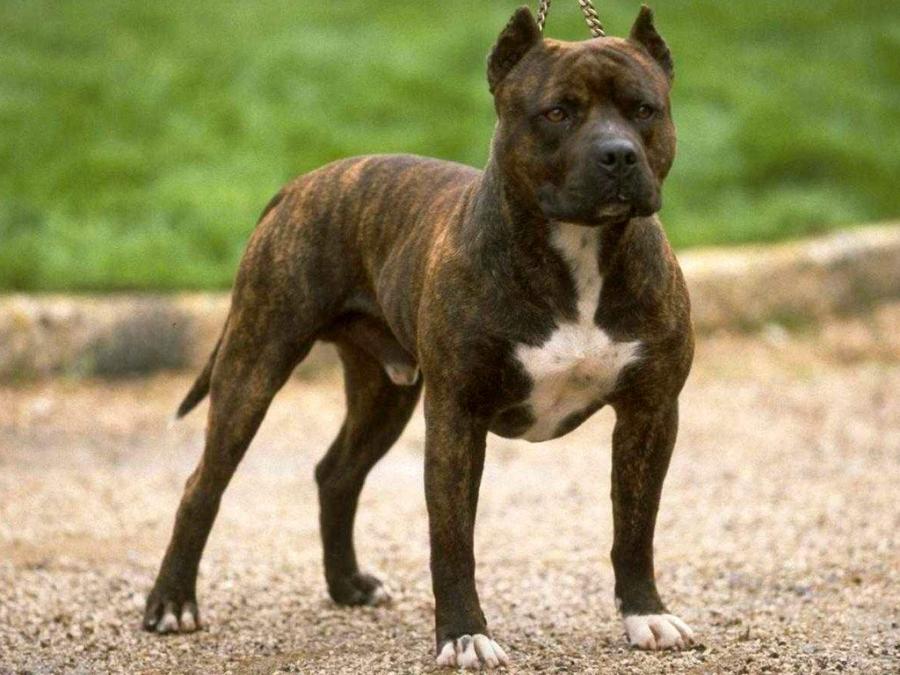
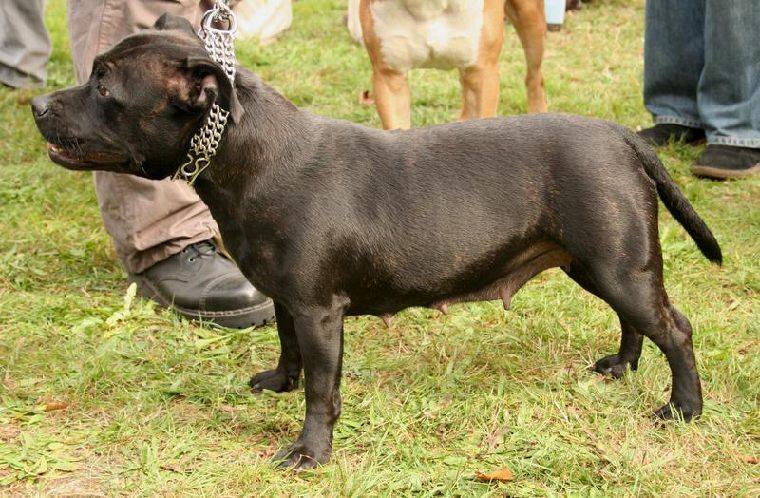
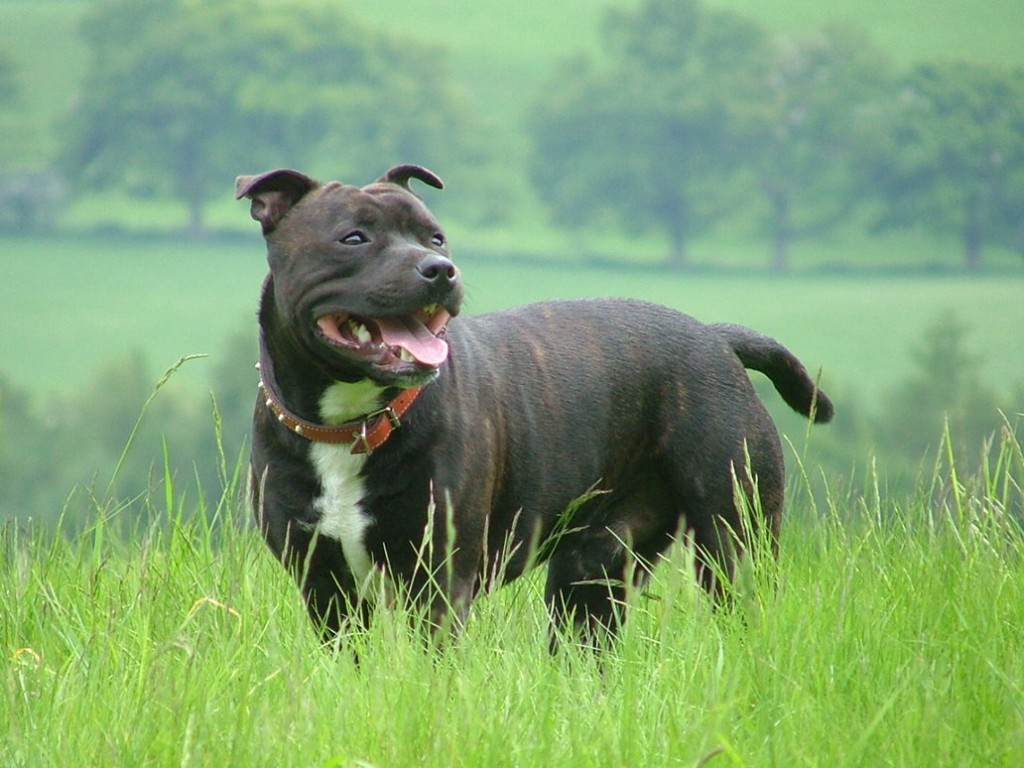
A very strong, powerful dog. The build is proportional.
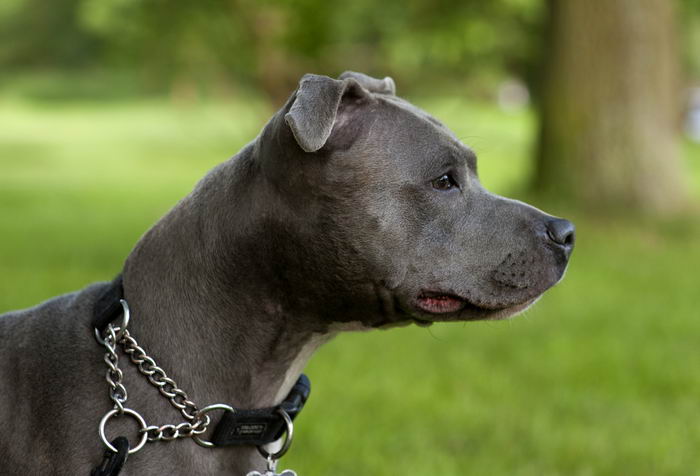
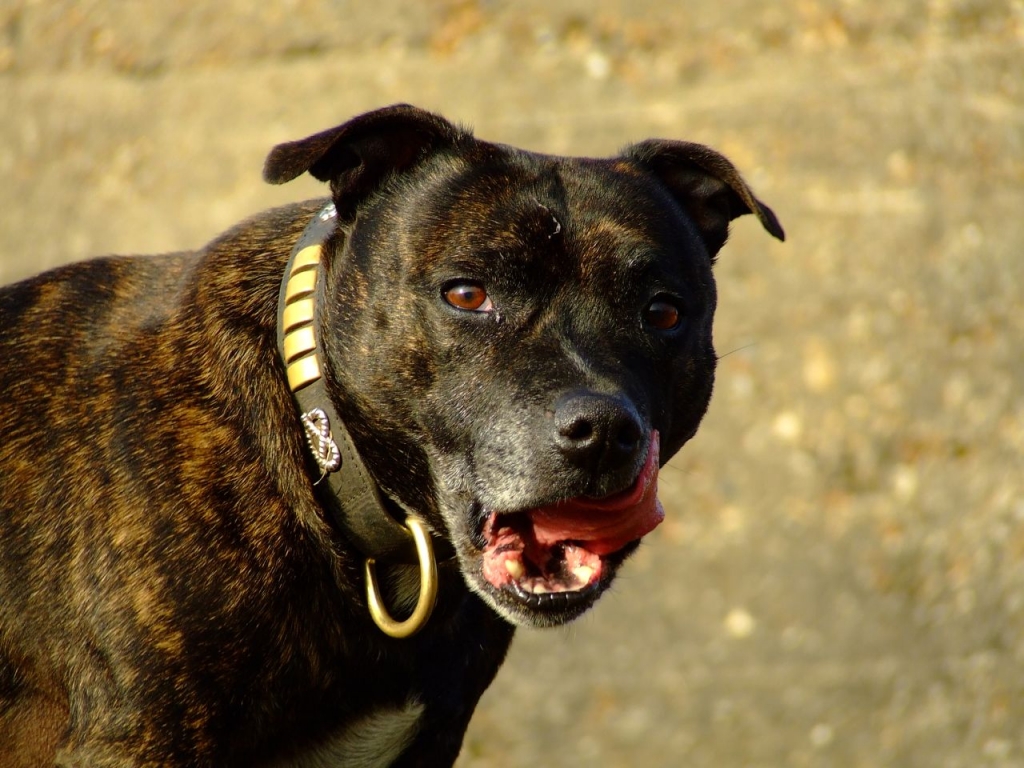
- The head has a broad skull and a short muzzle. The jaw is strong and the bite is correct. The eyes are dark and set straight. The ears are semi-erect and medium in size, and are not cropped.
- The neck is fairly short, widening toward the shoulders. The back is level. The forelimbs are set wide apart. The tail is set low, tapering to a point.
- The Staffordshire Bull Terrier has a short, smooth coat. Contrary to popular belief, the Staffordshire Bull Terrier is not aggressive at all; it is very affectionate and trusting. When properly trained, it is obedient and even-tempered. It has an energetic, strong temperament and a slight stubbornness. It requires daily interaction and attention.
Training
Training a Staffordshire Bull Terrier is quite a challenging task. The breed requires a proper and systematic approach. First, you need to teach the dog obedience and socialization before you begin teaching it specialized commands. It's a good idea to have an experienced trainer with you. If you're planning on getting a dog solely for guarding, consider a different breed.
Training a puppy should begin immediately after it arrives home. Don't let the little one irritate you about the adult dog. For example:
- sleeping on the bed;
- jumping on feet;
- hand biting;
- begging, etc.
Once your pet is five months old, you can begin serious training. The Staffordshire Bull Terrier is an intelligent breed and generally handles any training easily.
The first command you should train your dog to obey is "come." Adhere to the golden rule, which should always be the foundation of training: don't scold your dog, especially if it's successfully performing the task, even if not quite confidently. A Staffordshire Terrier may decide that once it complies with your request, it will always be scolded and may even begin to ignore you.
The next step in training is walking on a leash. Your pet should feel like they're being led, not the other way around. If your Staffy starts to tug on the leash, give it a quick tug and change direction. After that, work on the heel command. If you're stuck in training, seek the help of a professional trainer.
Physical exercise must be very good. If the dog's boundless energy isn't expended on training and play, it may develop into aggression or unwanted property damage.
Character
The Staffordshire Bull Terrier has a strong and balanced character. He is incredibly devoted to his owner, reliable, and loyal. He can be wary of strangers, but is not prone to aggression. He is very attached to his family and will do anything to be the center of attention.
The Staffordshire Bull Terrier is always alert to danger, as it is very attentive to its surroundings. Very little escapes its notice. If the dog suspects anything amiss, it will alert its owner and defend them with its own life.
Early socialization is essential for this breed, as it's crucial for a Staffordshire Bull Terrier to grow up calm and even-tempered. While Staffordshire Bull Terriers are typically gentle, they are fearless fighters who are capable of defending their interests.
Being a dominant breed, it's important to introduce the dog to other members of the same breed from an early age. This will help spot any signs of aggression or conflict.
Relationships with a Staffordshire Bull Terrier require proper role assignment. Let the dog feel that you are the pack leader. It's best to nip any attempt at dominance in the bud.
The Staffordshire Bull Terrier is a dog that requires training. Therefore, if you don't have enough time to train a pet, it's best to get another dog.
A Staffordshire Bull Terrier may attack another dog, regardless of whether the opponent is male, female, or puppy. This behavior is considered unnatural, but understandable. It's worth noting that Staffordshire Bull Terriers were previously bred to violate norms of behavior. This increased the animal's chances of survival in an uneven fight. Typically, dogs don't fight to the death. Exceptions exist, but they are rare.
A Staffordshire Bull Terrier has lost these natural instincts and can grow up unruly, even if its owner has raised it according to all the rules of social behavior. Unfortunately, some pets are not helped by either training or active contact with other dogs. In these individuals, the fighting traits overwhelm social adaptation, and the only option is to strictly control the animal's aggression. Such a pet should only be walked on a leash and with a muzzle.
Maintenance and grooming
Staffies don't require any special living conditions. They thrive in apartments and private homes, although they can get cold outdoors in cold weather. Providing your pet with adequate exercise is crucial.
Dogs of this breed generally get along well with other animals. They may be a bit rough around the edges with cats. Small dogs, more often than not, they ignore them, not considering them equals. However, it's worth noting that there are male dogs who have no intention of establishing relationships with their fellow dogs and try to establish a dominant position.
Staffies are very loving towards children and are patient with anything a child can do. Grooming for short-haired dogs is minimal. They require occasional brushing. Ear cleaning and nail trimming are also necessary. They are sensitive to mood swings and will not tolerate mistreatment. They can be stubborn and overly independent.
Diet
You can feed Staffordshire Terriers natural or commercial food. However, it's important to remember that they need good dental exercise, so you can provide them with various hard treats or beef kibble.
To ensure your puppy becomes a true champion, you'll need to pay close and meticulous attention to feeding them. Feeding a Staffy is a serious matter, as the pet's physical performance depends on the quality and balance of its nutrition.
So what should you feed a Staffordshire Bull Terrier? One of the best foods for a fighting dog is meat. Meat should be consumed in large quantities, approximately two-thirds of the daily requirement.
It is not recommended to feed your pet potatoes, sweets, or flour products. Try to minimize the amount of salt and sugar in your pet's food. It is highly recommended to avoid adding small meat or fish bones to your dog's food.
If you've decided to switch your dog to store-bought food, don't opt for budget options, as they're lower in nutritional value than premium foods. Remember one rule: high-quality dog food costs as much as good human food. Stick to this pricing policy, and your pet will delight you with health and energy.
Staffordshire Terrier Health
The breed as a whole is quite prosperous.
Hereditary diseases include cataracts and possible immune system disorders in dogs carrying a certain gene. Some dogs also experience allergies, digestive problems, and musculoskeletal issues. A bald spot on the head or tail may develop at a young age. This is not a disease, but simply a breed characteristic. However, in each case, a specialist consultation is necessary. Life expectancy up to 15 years.
Care
The Staffordshire Bull Terrier doesn't require any special grooming. Like most short-haired animals, it needs to be brushed weekly with a special brush, its ears checked and cleaned periodically, and its nails trimmed.
The animal's eyes should be clear and free of any visible discharge. Staffordshire Terriers are generally susceptible to eye problems. Keep this in mind. If your pet begins to experience any eye problems, consult a veterinarian immediately.
However, they require very vigorous exercise, including daily training, exercise, and play. Those who keep their pet indoors should be aware that Staffies love to dig in flowerbeds and will easily jump over a low fence.
If a Staffordshire Bull Terrier doesn't get enough exercise, it can become noisy and destructive. In this case, a tired dog is a happy dog. If the animal gets enough exercise, its behavior will be calm and quiet.
Photos
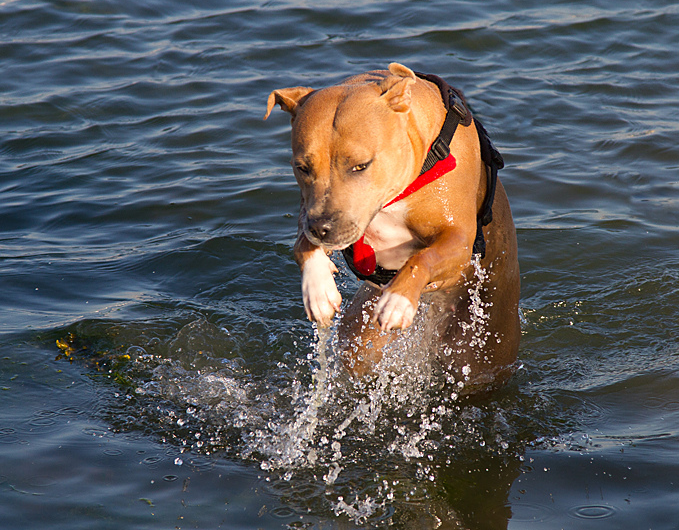
Photos of the Staffordshire Bull Terrier:


Add a comment