
Spondylosis in Dogs: Symptoms and Treatment
Spondylosis in dogs is a chronic degenerative disease in which bony growths form on the vertebrae. It is associated with aging and can cause significant discomfort as the condition progresses.
Mechanism of occurrence
Normally, ligaments attach to the vertebrae, providing the necessary flexibility to the spine and protecting the spinal cord. Intervertebral discs act as shock absorbers and cushion movement.
Osteophytes (spurs) form due to age-related damage to the ligamentous apparatus and as a protective response to the destruction of intervertebral discs. They presumably grow to large sizes to strengthen damaged joints.
Osteophytes can occur in a single location (on a single vertebra) or in multiple locations along the spine. They are most commonly found in the thoracic and lumbar spine. This pathology significantly impacts the density of the vertebrae, making them more susceptible to disease and traumatic injury. Furthermore, osteophytes can compress vertebrae, thereby compressing nerve endings. Sometimes, the growths grow to such an extent that they resemble newly formed bones.
Reasons
The main causes of spondylosis in dogs are age-related changes in the body and a hereditary predisposition. Because of this, the condition is virtually impossible to prevent. However, there are other causes:
- osteochondrosis;
- poor posture;
- congenital bone anomalies;
- metabolic disorders;
- prolonged and excessive physical exertion;
- hypothermia;
- infections;
- spinal injuries;
- unsuccessful surgical operations.
According to statistics, the disease appears in animals over 5-7 years of age. At younger ages, the pathology develops only in working dogs and those who regularly participate in sports.
Symptoms
Spondylosis typically progresses slowly and unnoticed. Obvious signs appear in dogs only when nothing can be done to correct the condition. However, if you regularly examine your pet and observe them closely, there's a chance you'll spot the symptoms earlier.
The very first sign an owner will notice is decreased mobility of the animal's spine. This is particularly noticeable in the lumbar region. The dog's appearance becomes slightly hunched. It moves with difficulty and tries to minimize its movements.
As the disease progresses, the dog begins to struggle to overcome obstacles. Long walks are a real torment for the animal. When jumping or climbing stairs, the pet begins to yelp due to pain. Pressure on the spine also causes pain. The dog refuses to jump or play, spending most of its time on its bed. There is a pronounced reaction to changes in the weather.
Over time, motor coordination is significantly impaired, and partial or complete paralysis occurs. The chest hardens, and the shape of the back changes. The dog prefers to lie still and remain motionless.
Diagnostics
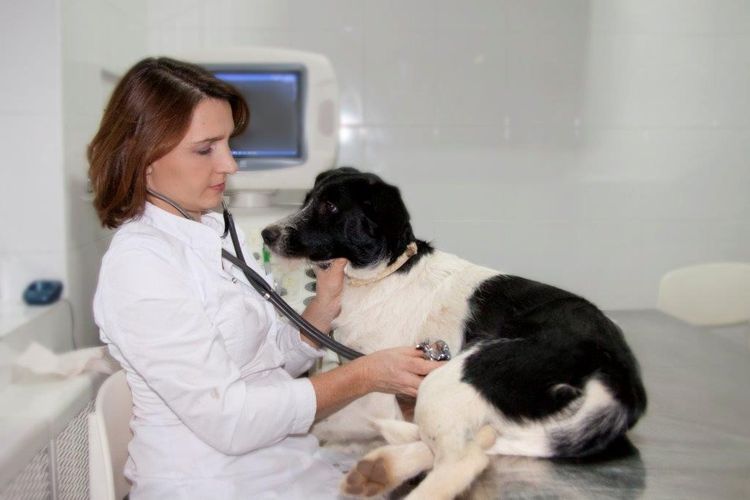
Spondylosis can be diagnosed at a veterinary clinic using spinal X-rays. Often, the discovery of spondylosis is an incidental finding when a dog is being examined for another condition. X-rays are typically taken several times to detect or rule out complications caused by bone changes.
In addition to X-rays, MRI (magnetic resonance imaging) or a myelogram are used to diagnose this pathology. MRI not only allows one to visualize the affected part of the spine but also to determine the size of osteophytes with millimeter accuracy. If infection is suspected, blood tests are required. If necessary, a consultation with a veterinary orthopedist is recommended.
How to cure
Spondylosis in dogs is an age-related condition and cannot be completely cured. A qualified specialist's job is to prescribe treatment that will minimize discomfort and allow the animal to lead a normal, fulfilling life. This treatment aims to reduce inflammation, improve blood flow, and slow irreversible changes in the spinal tissue.
The treatment plan will be individualized for each individual case. It depends on the severity of the disease, the symptoms present, and the stage of progression.
- If there is no pain, no special treatment is required. Minimizing stress and providing a balanced diet are sufficient.
- If pain occurs, the veterinarian prescribes anesthetics and painkillersCorticosteroids are sometimes indicated to relieve acute inflammation.
- If there are any concomitant conditions, they must be treated. For example, if there is an infection, antibacterial therapy is always prescribed.
It's important to maintain a proper diet consistently to reduce the risk of the disease progressing to a severe form. Easily digestible foods with plenty of fiber should be chosen. It's best to limit fat intake. Regular moderate exercise is also recommended.
In the early stages of spondylosis, homeopathic remedies can be used. This method is effective and prevents further tissue destruction.
- Physiotherapy treatments applied to the affected area can help relieve pain. These are administered in a series. Massage is recommended to improve circulation.
- If growths on the vertebrae begin to compress the spinal cord roots, surgery is required. Otherwise, the animal's limbs may fail.
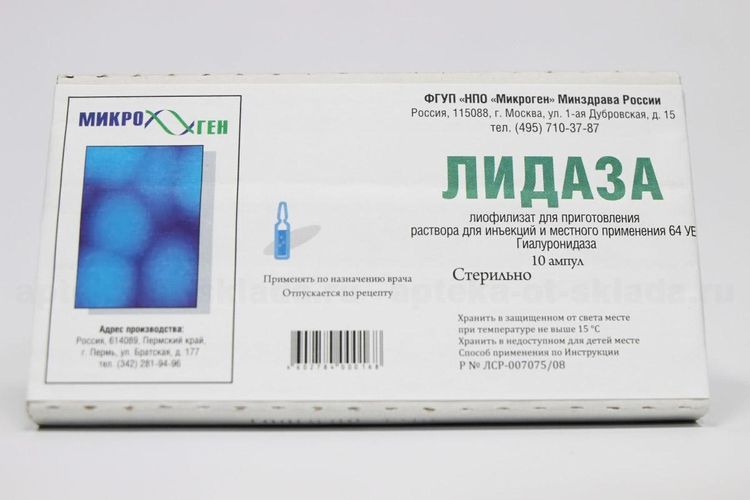
- Another method for osteophyte resorption is the use of Lidase injections. However, this method is not always effective.
Surgery is also not a panacea. Surgical interventions are often unsuccessful. If there is no cause for concern, it's best to limit yourself to diet and gentle exercise. You can take your dog to the pool and exercise on special exercise machines. This will stimulate muscle activity and maintain their functionality. The spine should be placed under minimal strain.
If spondylosis is detected early, the prognosis is favorable. With sufficient attention, your pet will live a quality, pain-free life.
Read also:
- Vestibular syndrome in dogs: symptoms and treatment
- Discopathy in Dogs: Symptoms and Treatment
- Broken front and back legs in dogs: symptoms and treatment


Add a comment